
The record-warm January on Greenland's west coast has not only left its mark on temperature measurements. The changes are also being felt in fisheries. This is reported by Royal Greenland, which sees both challenges and opportunities as a result of the milder weather.
At Royal Greenland, the picture of the consequences is nuanced.
– There is no doubt that the changes are major in relation to the climate in Greenland. Whether it is positive or negative will vary greatly from place to place and from species to species, says operations manager for cod and crab, Sten Sørensen.
Late ice slows down fishing in the north
The mild winter has had concrete consequences for fishing in several places in the country.
In northern Greenland, the mild winter has had clear consequences. In Uummannaq, the sea ice has only settled late in the bottom of the fjord.
This means that the halibut fishing from the ice has started much later than last year. Normally, the ice tends to settle around Christmas time.
“Even though I say there is no ice, there is still too much for them to sail. And then there is also whaling, so there are many things that come into play,” says Sten Sørensen.
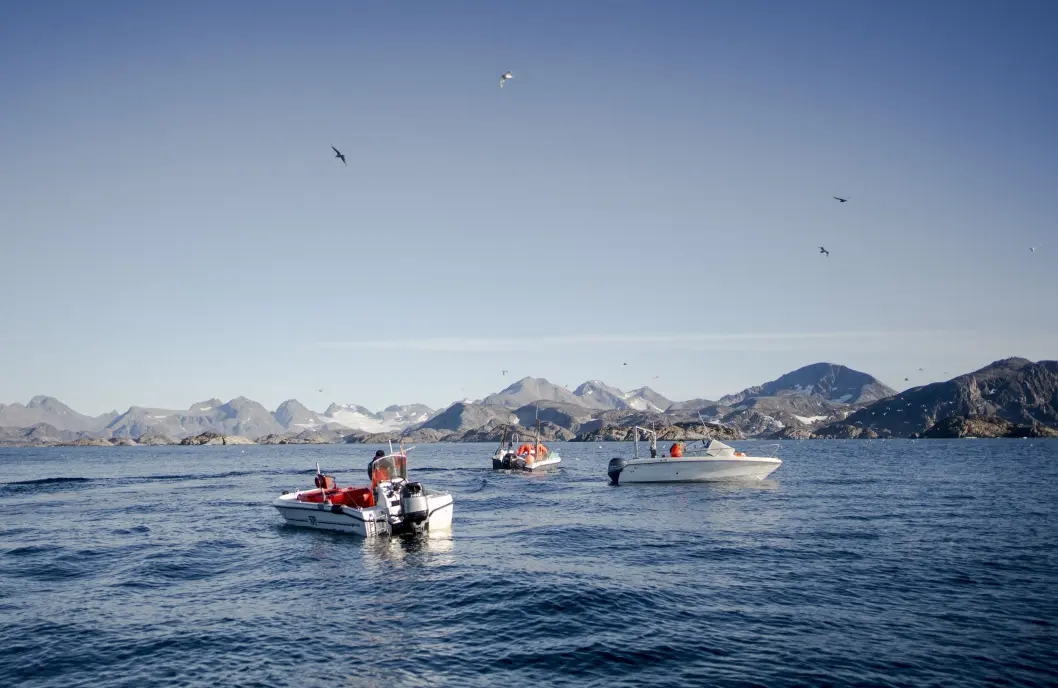
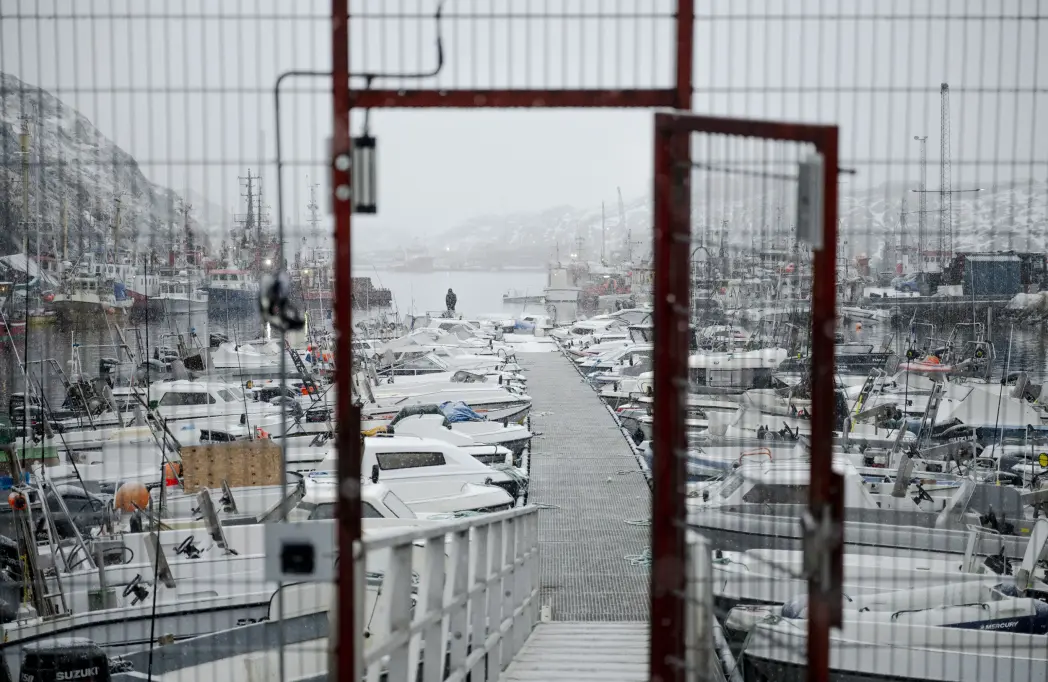
On the other hand, the situation looks different in the southern part of the country. Here, calm and mild weather has made it easier for crab fishermen to get out to sea. Crab fishing is currently taking place in Nuuk and further south.