
The Government of Greenland is now launching a brochure that citizens must refer to and follow the recommendations in times of crisis.
The brochure "Prepared for crises - ready for you for five days" has a number of tips for citizens on how households can prepare to be able to fend for themselves for five days if a crisis occurs.
The brochure emphasizes crises such as prolonged power outages, natural disasters, but also mentions international conflicts and geopolitical tensions as challenges that can affect security of supply and infrastructure.
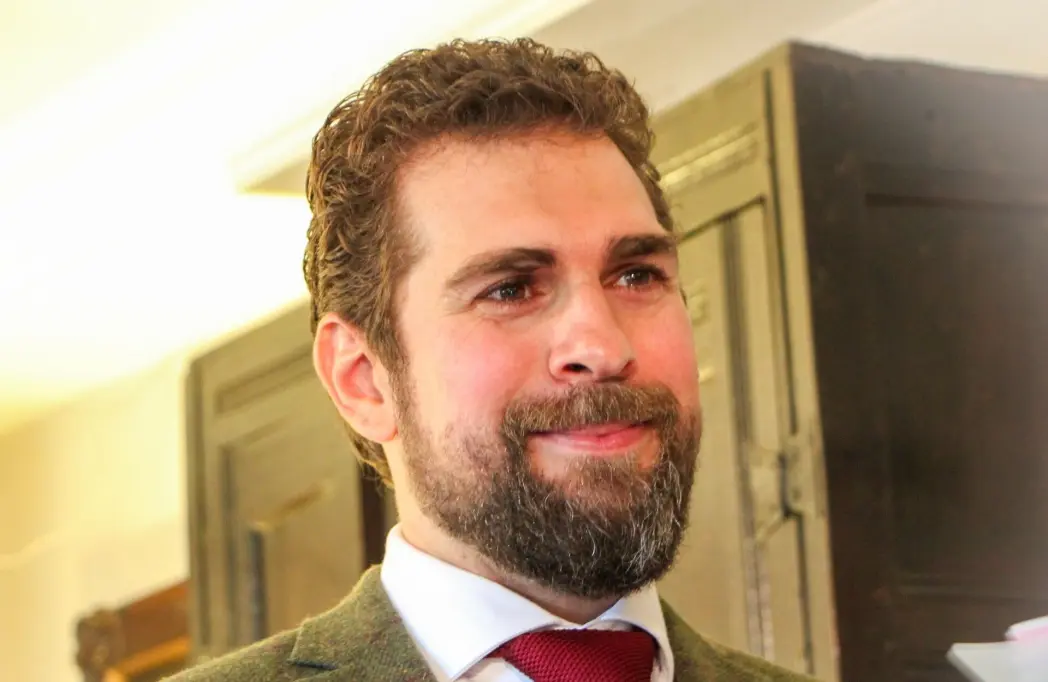
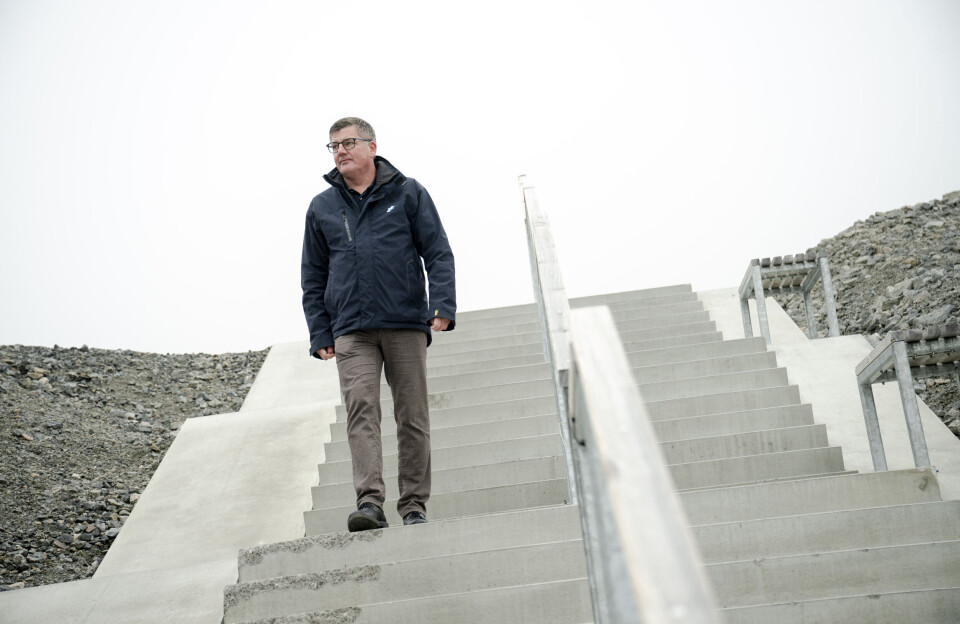
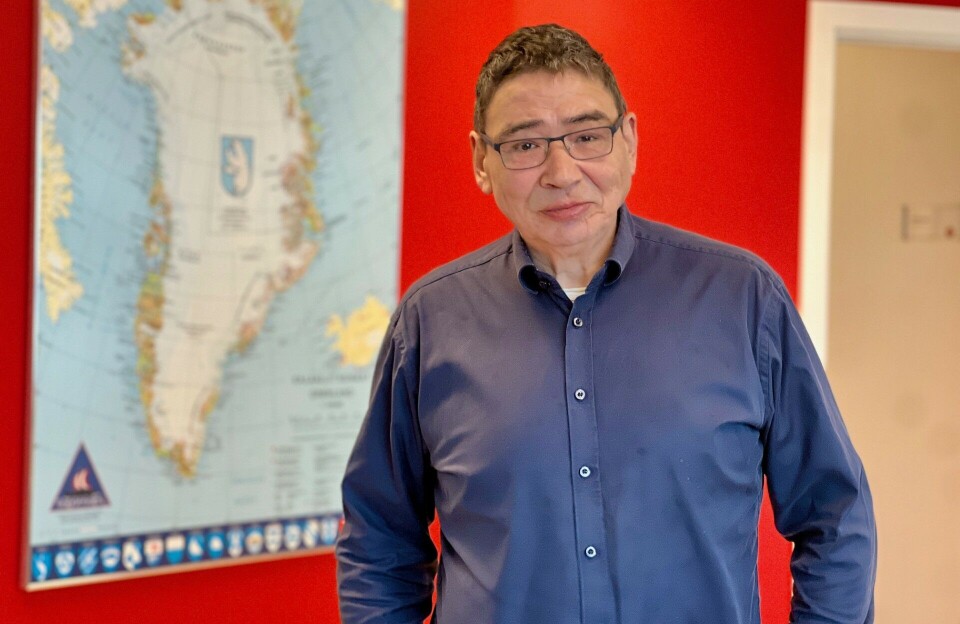
Despite recent pointed statements from the US regarding the annexation of Greenland, the Minister of Fisheries, Hunting, Agriculture, Self-Sustainability and the Environment, Peter Borg (D), who is also responsible for emergency preparedness in Greenland, reassures:
- The publication of the brochure with practical and simple advice for households is not an expression that we expect a crisis. We have prepared the advice to take responsibility, and the brochure is an expression of timely care. Preparation creates peace of mind, and when you can manage yourself and have the energy to help others for a few days, you are in a stronger position, says Peter Borg.
Must ensure that as many people as possible can fend for themselves
The advice in the brochure has been prepared in collaboration with municipalities, the Arctic Command and the police, as well as input from self-governing companies. The advice has also been discussed in the Greenland Emergency Management Commission.
The Department of Fisheries, Hunting, Agriculture, Self-sufficiency and the Environment emphasizes that the advice has been prepared to strengthen the safety of the population and to ensure that society's overall preparedness is even stronger.
The brochure is a supplement to the existing preparedness and should be seen as a help to the individual - and as a strengthening of the community.
- If the population can take care of themselves and their loved ones to the greatest extent possible for a shorter period of time, the authorities can focus efforts where the needs are greatest - and work faster to normalize the situation, it says.
The brochure provides guidance on, among other things, drinking water, food, medicine, heating, communication and consideration for special needs.
Some of the advice is as follows:
Can be built up over a long period of time
The Greenland Government emphasizes that the stockpile for a five-day crisis can be built up over a longer period of time by citizens.
- One of our greatest strengths and characteristics as a society is that we are good at helping each other, and that we know that crises can come completely unexpectedly. We have a tradition of being well prepared, partly because unstable weather and a changing climate are part of our everyday lives. We occasionally experience incidents that make us particularly vulnerable, which we experience, among other things, when power outages occur.
- That is why it is also important that we prepare ourselves – both as individuals, but also as a society. It is not expected that you should be able to do everything or have everything in place right away, but some preparation is better than no preparation, concludes Naalakkersuisoq Peter Borg.
The advice is indicative and should be adapted to the individual household's situation, finances and local conditions. It is also emphasized that not everyone has the same prerequisites and that preparation can be beneficially done together - with family, neighbors or local communities.