The Arctic Council, which is celebrating its 30th anniversary this year, is something quite special among international organizations. Because here it is not only the eight member states that sit at the table and make decisions.
There are also representatives of the indigenous peoples of the Arctic. It is the so-called Permanent Participants (permanent participants, ed.) who have great influence, because all decisions in the Arctic Council must be made by consensus. The permanent participants are involved at all levels of the organization – in working groups, task forces and at meetings at high diplomatic level.
The participation of indigenous peoples in the work of the council is unique and is not known from other international organizations and gives indigenous peoples in the Arctic a unique opportunity to influence.
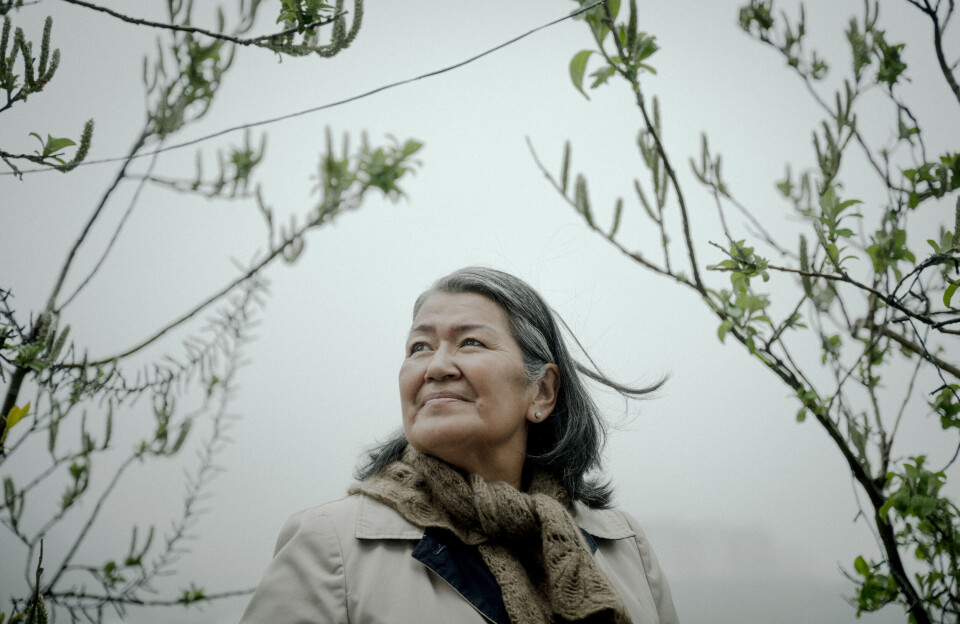
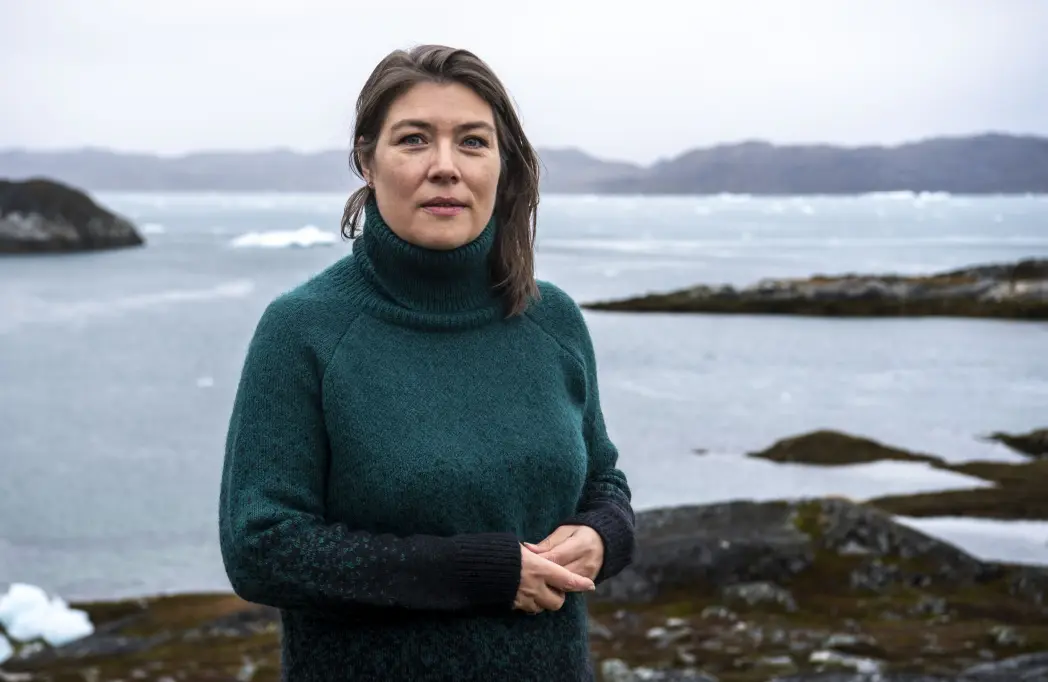
Among the six organizations is the ICC, which currently has Sara Olsvig as its leader – and she believes that indigenous peoples' organizations have played a major role in preserving and developing the Arctic Council, as seven of the member states put the work of the council on hold when Russia invaded Ukraine in 2022, while the Russians held the chairmanship of the Arctic Council.
The council was paralyzed
- The seven states did not want to participate in meetings with Russian participation, so it completely paralyzed the work and presented major challenges. So for a period, it was the question of whether the Arctic Council could survive, explains Sara Olsvig.
- Fortunately, we have come through the crisis well – partly because it was possible for the indigenous peoples’ organisations to talk to each other – even though Raipon (the organisation for Arctic peoples in Russia) is one of the six organisations. So we started a coordination effort to get the Arctic Council going. The work in the council is important for the Arctic peoples, because it is about, among other things, the environmental conditions in the Arctic, which affect the living conditions of all the indigenous peoples.
- That is why we were well prepared when Norway took over the chairmanship of the Arctic Council in 2023.
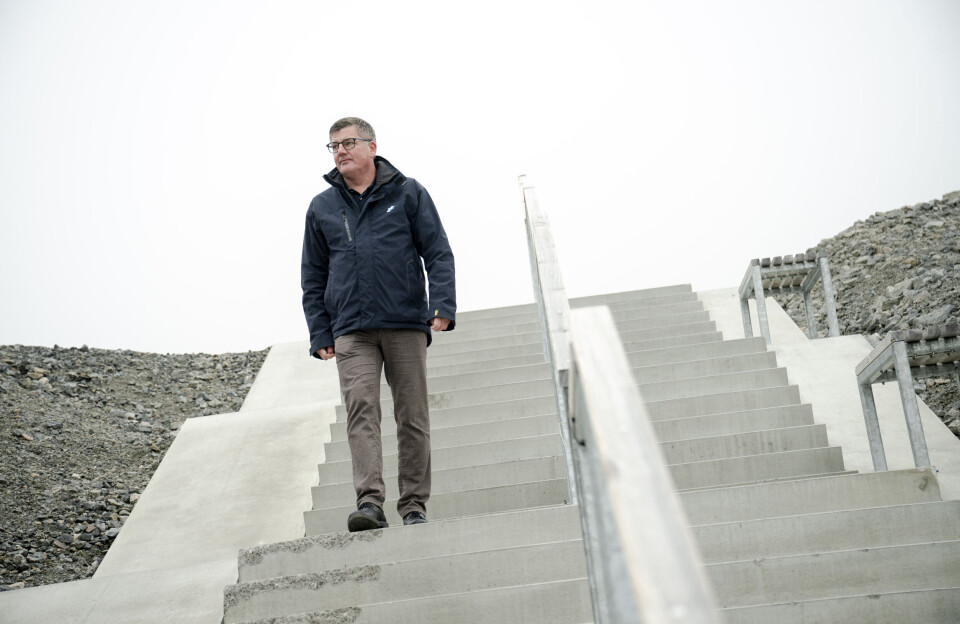
It was the top Norwegian diplomat Morten Høglund who was given the role of SAO Chair – i.e. the official who heads the daily work of the Arctic Council.
- Morten had previously been a member of the Norwegian Parliament – and I knew him well from my own time in the Folketing, where we worked closely together in the Committee of Arctic Parliamentarians.
- The Norwegians got the Arctic Council started in the first place by introducing a written procedure, so that the officials and working groups could collaborate by writing together. It has since been expanded to include virtual meetings online, but representatives of the eight states still cannot meet physically. On the other hand, representatives of the Arctic peoples continue to meet.
The Kingdom continues the work
After the Norwegian presidency, this way of working was continued by the Kingdom of Denmark, led by Greenland's Arctic Ambassador Kenneth Høgh. As we have previously reported here in the newspaper, it keeps Kenneth Høegh busy because he has to meet with the member states at bilateral meetings.
It has been of great importance for cooperation in the Arctic Council that the six permanent participants continued their contacts when the work in the council was put on hold in 2022.
- We continued our work – and used the break to make a plan for how we could move forward, says Sara Olsvig.
- In the ICC, we used the time, among other things, to develop a so-called position paper, which was adopted in 2024 and describes the ICC's objectives for the Arctic Council.
Youth engagement must be strengthened
- Among other things, we want to strengthen youth engagement in the Arctic Council, create a safe and welcoming environment for Arctic indigenous peoples and fully recognize indigenous peoples' special knowledge and insight into Arctic conditions.
- In addition, the ICC will work to build a common understanding of why it is important for indigenous peoples to be part of the Arctic Council and create secure funding for Inuit-led research initiatives.
Sara Olsvig places particular emphasis on recognizing indigenous peoples' knowledge.
- I would particularly like to emphasize the importance of indigenous peoples' knowledge being recognized on an equal footing with scientific research. We can do this by ensuring that our knowledge is used in a uniform and systematic manner, says Sara Olsvig.
- This has happened, among other things, in the EPPR working group, which works on prevention of natural disasters, where the knowledge of indigenous peoples has played a major role in mapping the risks of wildfires and similar disasters.
- So we are well on our way. This is also reflected in the SDWG working group, which works on the human and social aspects of life in the Arctic. Here, both suicide prevention and the inclusion of young people in the work of the Arctic Council are high on the agenda.
It will end in July
As the representative of the ICC, Sara Olsvig will take on a prominent role in the Arctic Council. But it will end in July when she steps down and, in accordance with the rules, hands over leadership to the Canadian Inuit.
- We have achieved concrete results in recent years. Indigenous peoples cooperation – people-to-people cooperation – is even more important in difficult and tense times. We have helped to ensure influence for Arctic peoples, and it has been worth all the efforts.
- Now that the Arctic Council is 30 years old, I would also like to emphasize the significance of the founders having the role of indigenous peoples written into the Ottawa Declaration, which is the fundamental founding document.
- It was a historic and far-sighted decision that we benefit from today, when there is great international interest in many ways in both politics and the environment in the Arctic. That is the foundation on which we stand.
Abonnementer
Sermitsiaq.gl - web artikler
- Adgang til alle artikler på Sermitsiaq.gl
- Pr. måned kr. 59.00
- Pr. år kr. 650.00
Sermitsiaq - E-avis
- Adgang til Sermitsiaq e-avis som udkommer hver fredag
- Adgang til alle artikler på Sermitsiaq.gl
- Pris pr. måned kr. 191
- Pris pr. år kr. 1.677
AG - Atuagagdliutit E-avis
- Adgang til AG - Atuagagdliutit e-avis som udkommer hver onsdag
- Adgang til alle artikler på Sermitsiaq.gl
- Pris pr. måned kr. 191
- Pris pr. år kr. 1.677
Sermitsiaq.AG+
- Adgang til AG - Atuagagdliutit e-avis som udkommer hver onsdag
- Adgang til Sermitsiaq e-avis som udkommer hver fredag
- Adgang til alle artikler på Sermitsiaq.gl
- Adgang til Arnanut e-magasin
- Adgang til Nutserisoq.gl
- Ved interesse send en mail til abonnement@sermitsiaq.gl
Kære Læser, Velkommen til Sermitsiaq.gl – din kilde til nyheder og kritisk journalistik fra Grønland. For at kunne fortsætte vores vigtige arbejde med at fremme den frie presse og levere dybdegående, kritisk journalistik, har vi indført betaling for udvalgte artikler. Dette tiltag hjælper os med at sikre kvaliteten af vores indhold og støtte vores dygtige journalister i deres arbejde med at bringe de vigtigste historier frem i lyset. Du kan få adgang til betalingsartiklerne fra kun kr. 59,- pr. måned. Det er nemt og enkelt at købe adgang – klik nedenfor for at komme i gang og få fuld adgang til vores eksklusive indhold. Tak for din forståelse og støtte. Dit bidrag hjælper os med at fortsætte vores mission om at levere uafhængig og kritisk journalistik til Grønland.