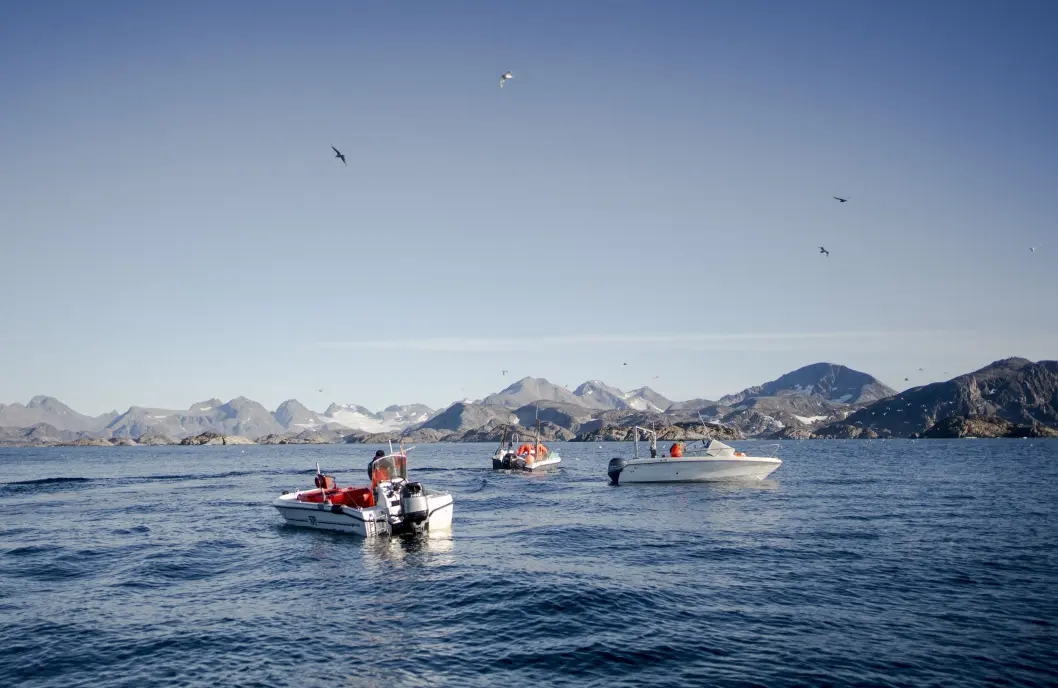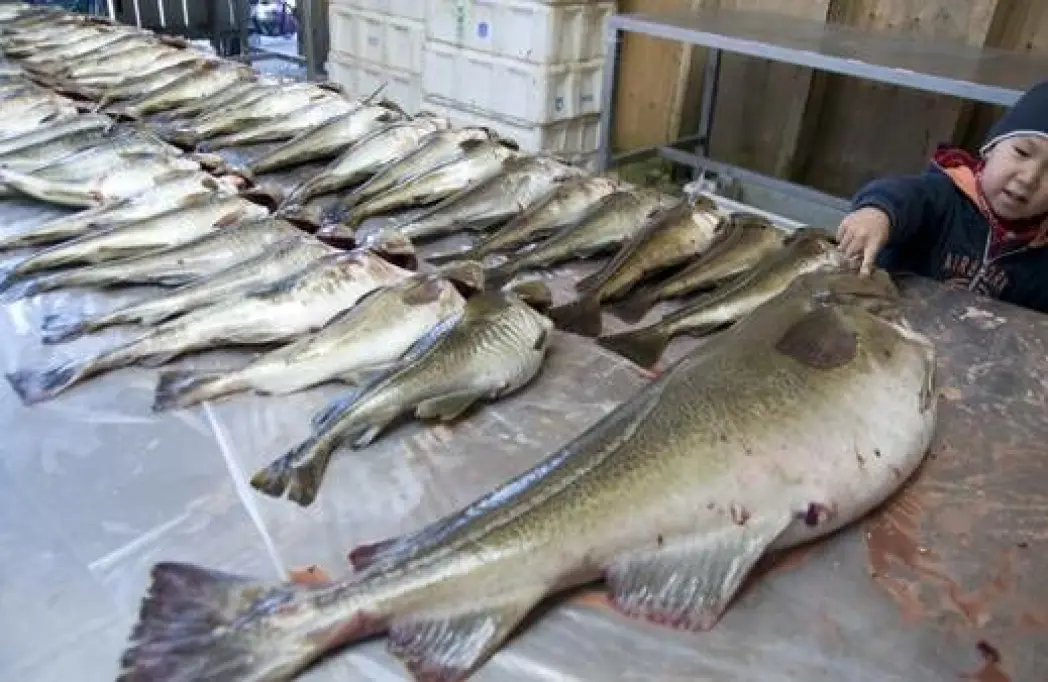
Researchers from the Greenland Institute of Nature can document that polar cod has been in decline since the 1990s and is moving towards northern waters, which is of great importance for the marine ecosystem, as it plays a very important role in the food chain.
- Changes in the quantity and distribution of polar cod therefore have far-reaching consequences for other fish and for seals - and thus also for people's hunting and fishing opportunities, it is stated in a press release from the Greenland Institute of Nature.
Surprising
- The changes occurred surprisingly quickly and can be related to unfavorable conditions for the early life stages, including rising sea surface temperatures, reduced sea ice cover and a change in the composition of zooplankton, which is the food source for larvae and young polar cod.
With fewer cod in southern waters, catch data indicate that harp seals, which depend on polar cod, have also moved north.
- This supports that climate change is affecting the entire ecosystem. Other factors such as predation by Atlantic cod and commercial fishing were also examined, but climate appears to be the dominant driving force behind the changes in the number and distribution of polar cod.
Published in journal
The study has just been published in the renowned journal Arctic Science and was conducted and led by a research team from the Institute of Nature. The entire study, led by Professor Teunis Jansen from the Department of Fish and Shellfish, can be read in full via this link (English).