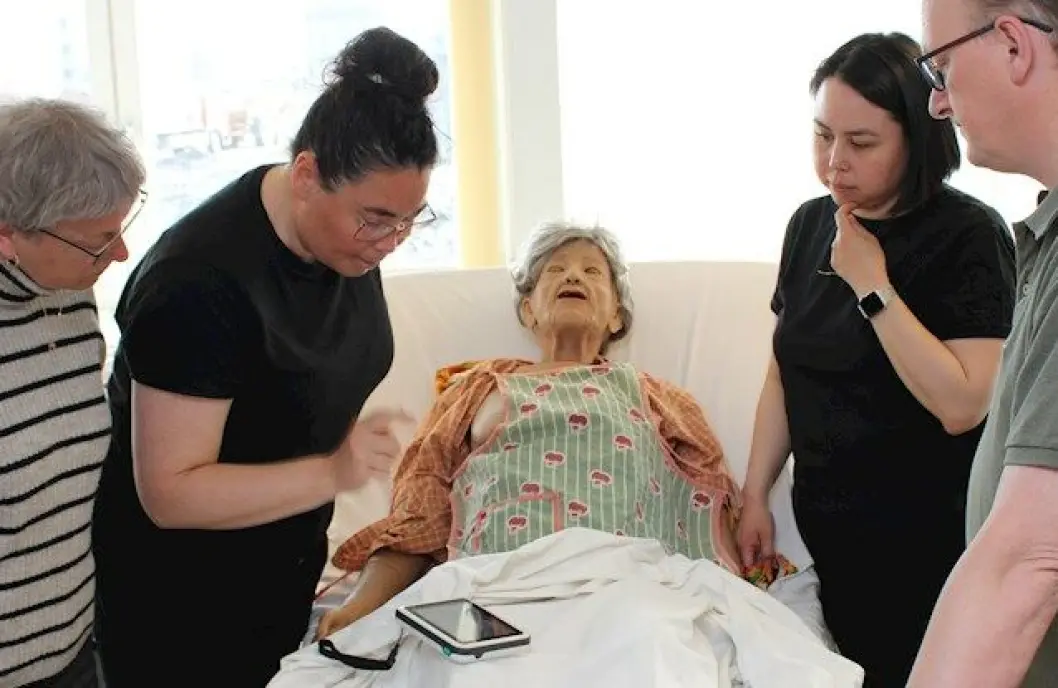
Today, there is a limitation on how many health students can be trained due to a shortage of internships. The capacity for health students is increasing thanks to the A. P. Møller Foundation.
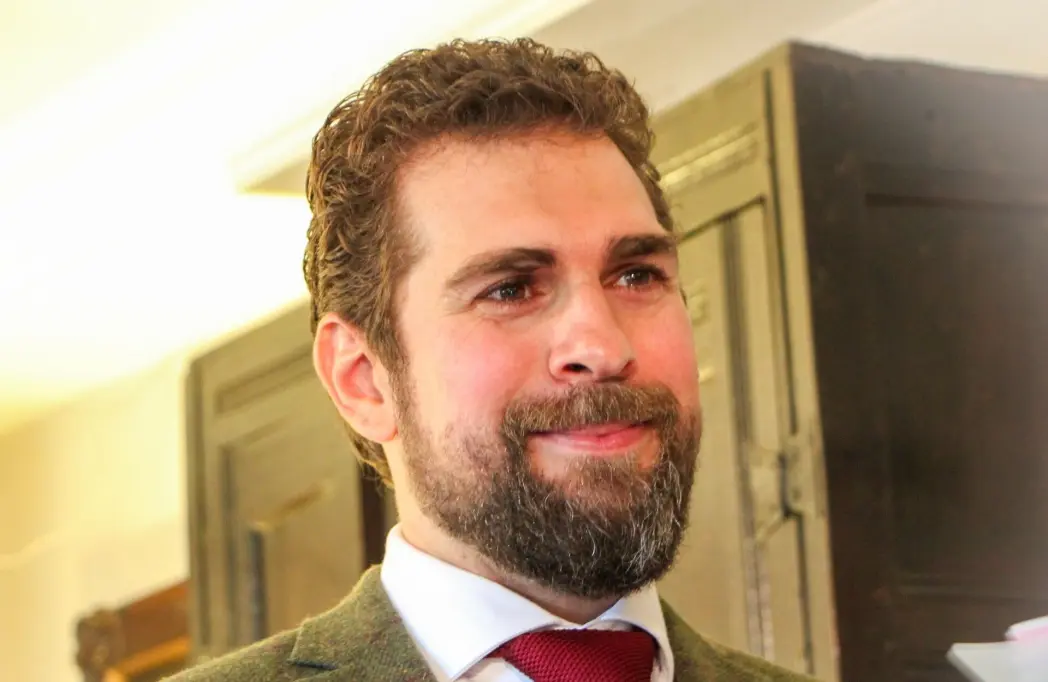
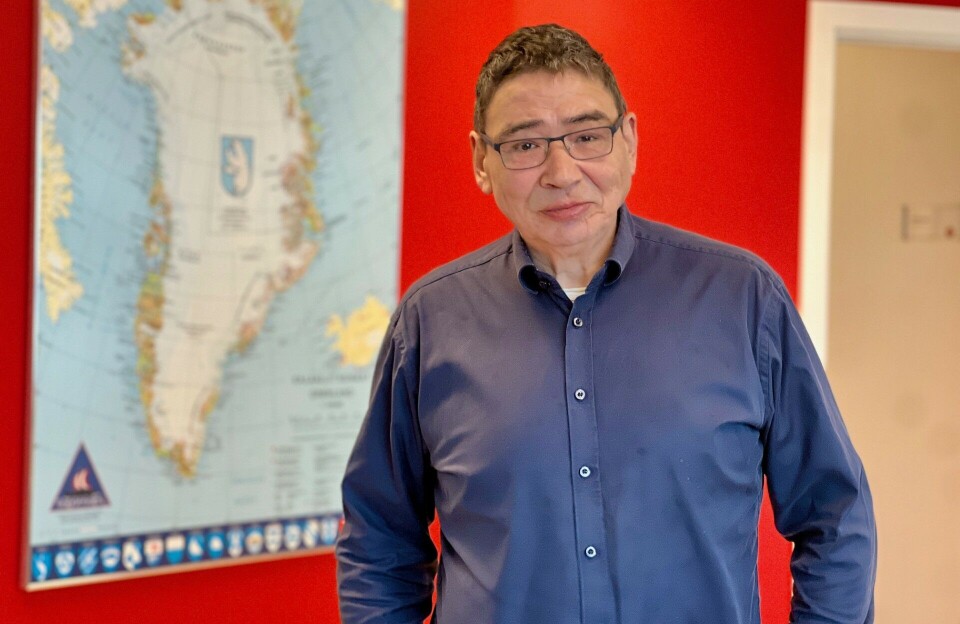
- Training and recruiting the necessary health personnel is crucial for a well-functioning health service. Today, the number of internships sets a natural limit to how many we can train. With the A.P. Møller Foundation's support for the new practice and competence building, we will have a much better framework, which will make it possible to train more and thus future-proof the staffing within a number of health professions - both in the health service and in the municipalities, says Naalakkersuisoq for Health and Persons with Disabilities, Anna Wangenheim.
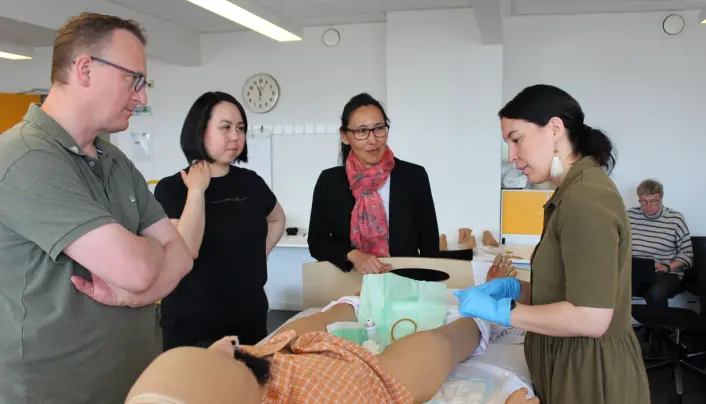
The practice building will be around 1,000 m² and will reflect realistic physical settings within the health sector. This means that the building will be equipped as real treatment rooms and trauma rooms.
Construction will start this year at the earliest
The building is planned to be located close to Queen Ingrid's Hospital, which will enable close cooperation with the hospital, and that the building can be used in major emergencies or capacity shortages at the hospital.
A practice and competence building has been a high priority request from the health education and a recommendation from the Health Commission for years. The building will thus future-proof the staffing by ensuring enough health personnel both in the health service and in the municipalities.
- The practice building is an important part of the development of modern and coherent physical frameworks for education and competence development. The project is a good example of how a private foundation can support socially important investments and contribute to raising the quality in both the education and health sectors, says Naalakkersuisoq for Social Affairs, Labour Market, Housing, Infrastructure and Outlying Areas, Aqqaluaq B. Egede.
The project has been prepared by the architectural firm TNT Nuuk A/S in collaboration with the Greenland Health Service, Peqqissaanermik Ilinniarfik and Ilisimatusarfik, while the Department of Housing, Infrastructure and Outlying Areas acts as the client.
The building is expected to be completed in 2026–2027.