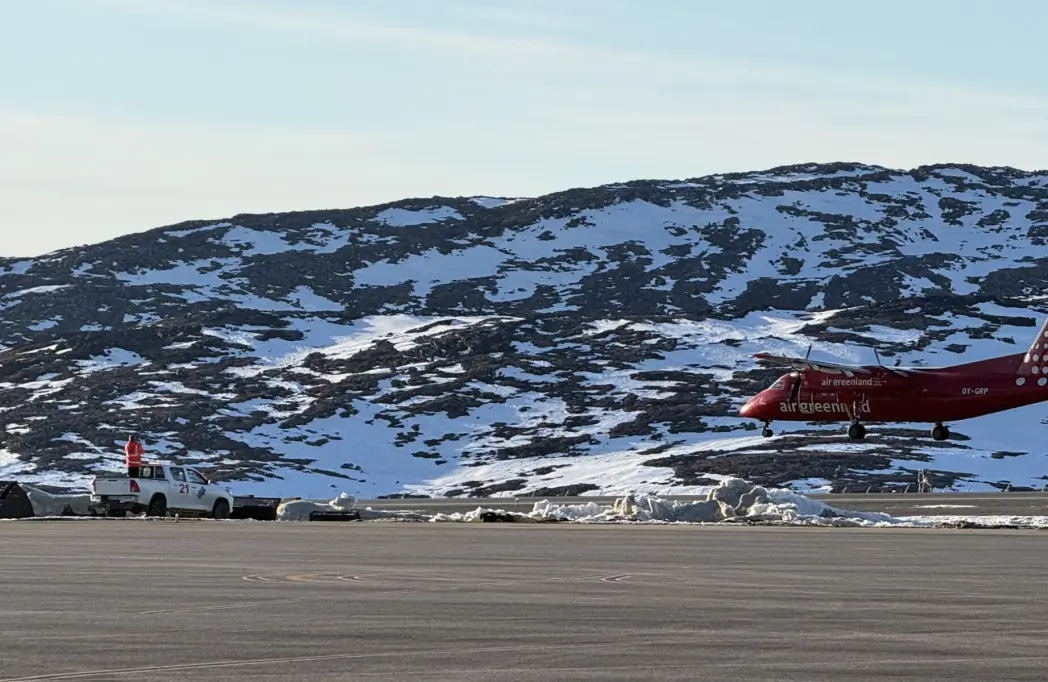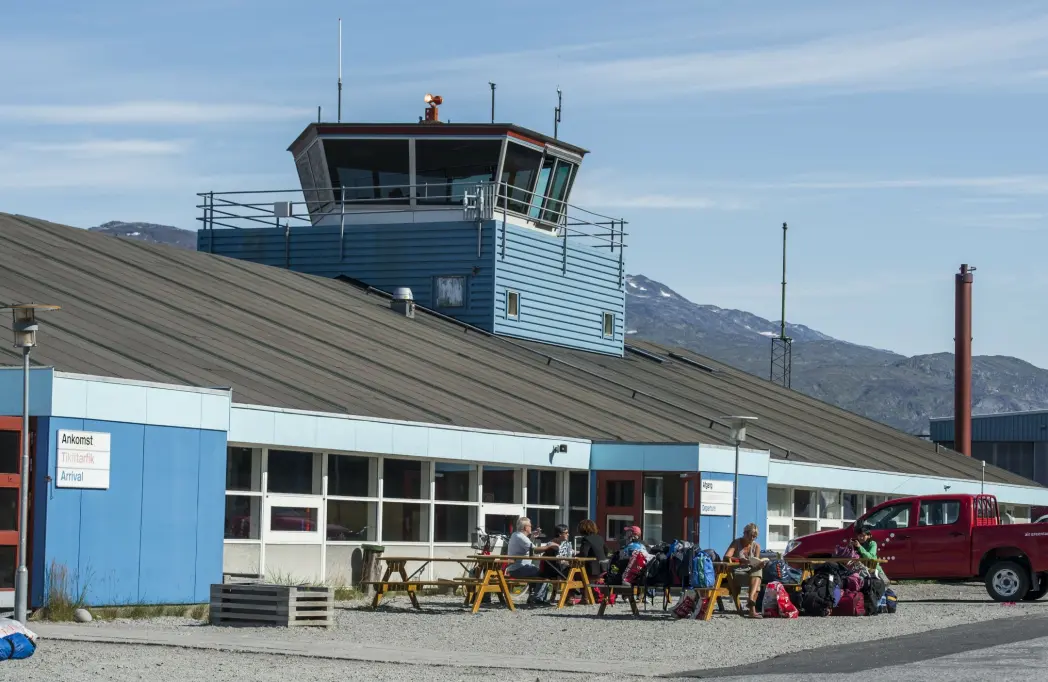
Helicopters and icing are a bad combination – and one of the explanations why Air Greenland regularly has to cancel helicopter flights to settlements in northern Greenland, especially during the winter months.
Now, a Norwegian research project will try to determine the risk of icing more precisely, so that fewer flights will have to be canceled.
The foundation-owned company Norsk Luftambulanse, which operates ambulance planes and medical helicopters in Norway and Denmark, is behind the project in collaboration with the Norwegian Meteorological Institute, which, among other things, operates the weather service YR, which is also used by many in Greenland.
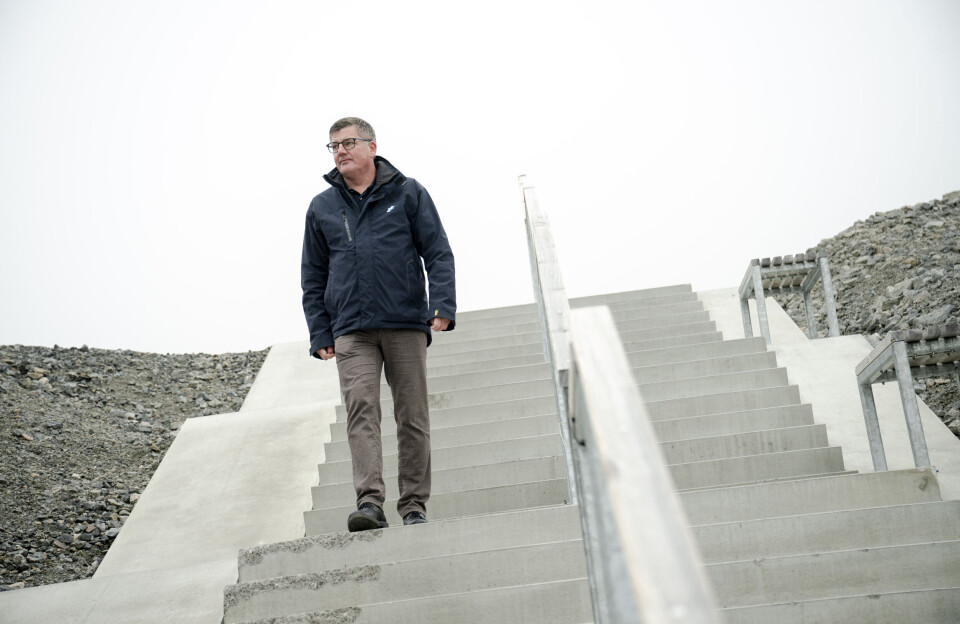
– For a number of years, we have spent large resources on developing satellite-based route structures and weather camera solutions to be able to fly in bad weather. However, cancellations due to weather are still a challenge – especially in winter. This is mainly due to the risk of icing, says Erik Normann, Head of Flight Operational Development at Norwegian Air Ambulance.
Collecting on ice
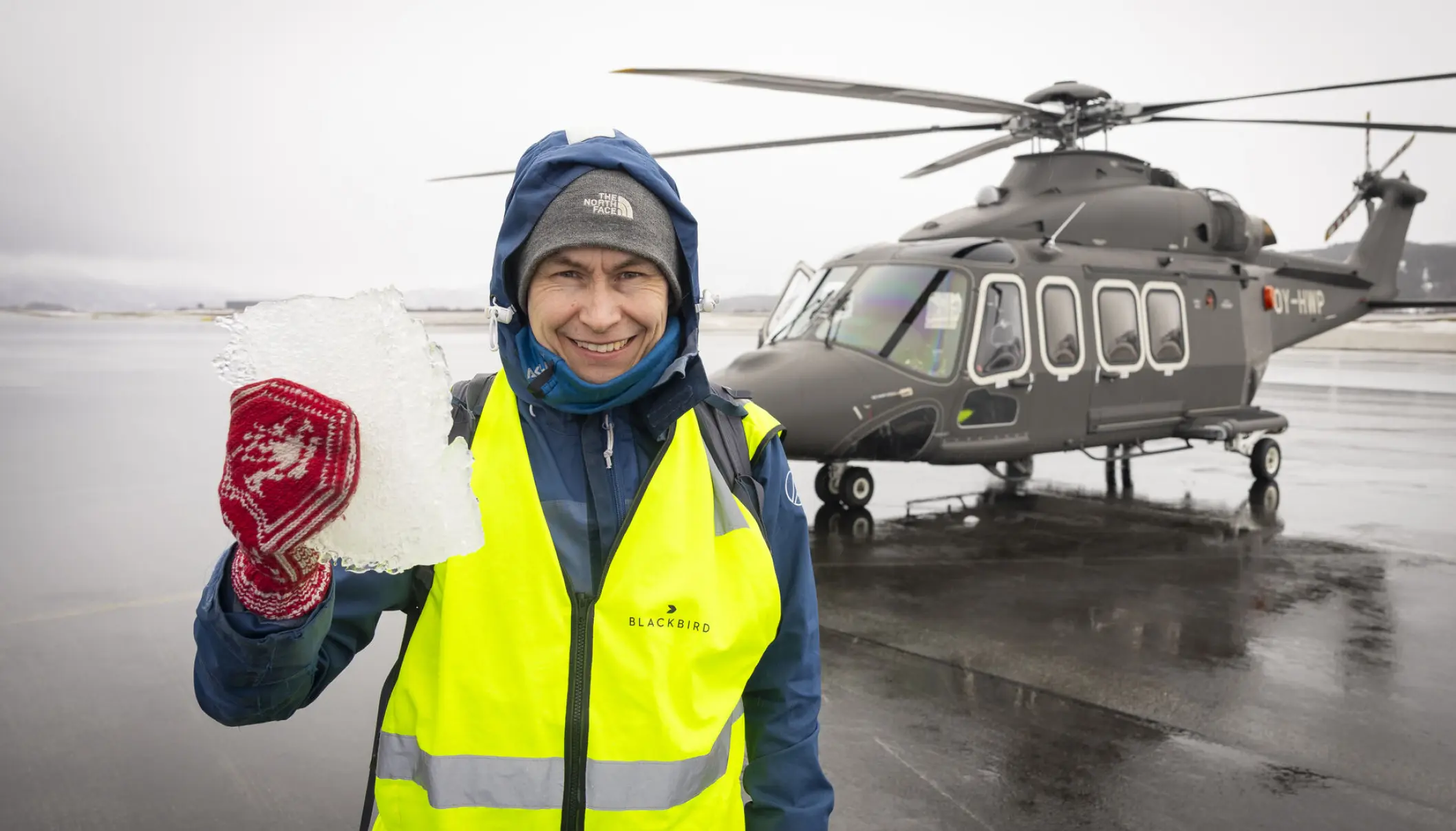
Initially, data is collected in the area around Tromsø. For a few weeks this year and last winter, the Norwegian Air Ambulance has rented a helicopter with anti-icing equipment, which it flies directly into the clouds where there is a high risk of icing. Here, humidity, temperature and wind conditions are measured. The data is fed into a weather model, which it is hoped can be used in the future with fewer cancellations.
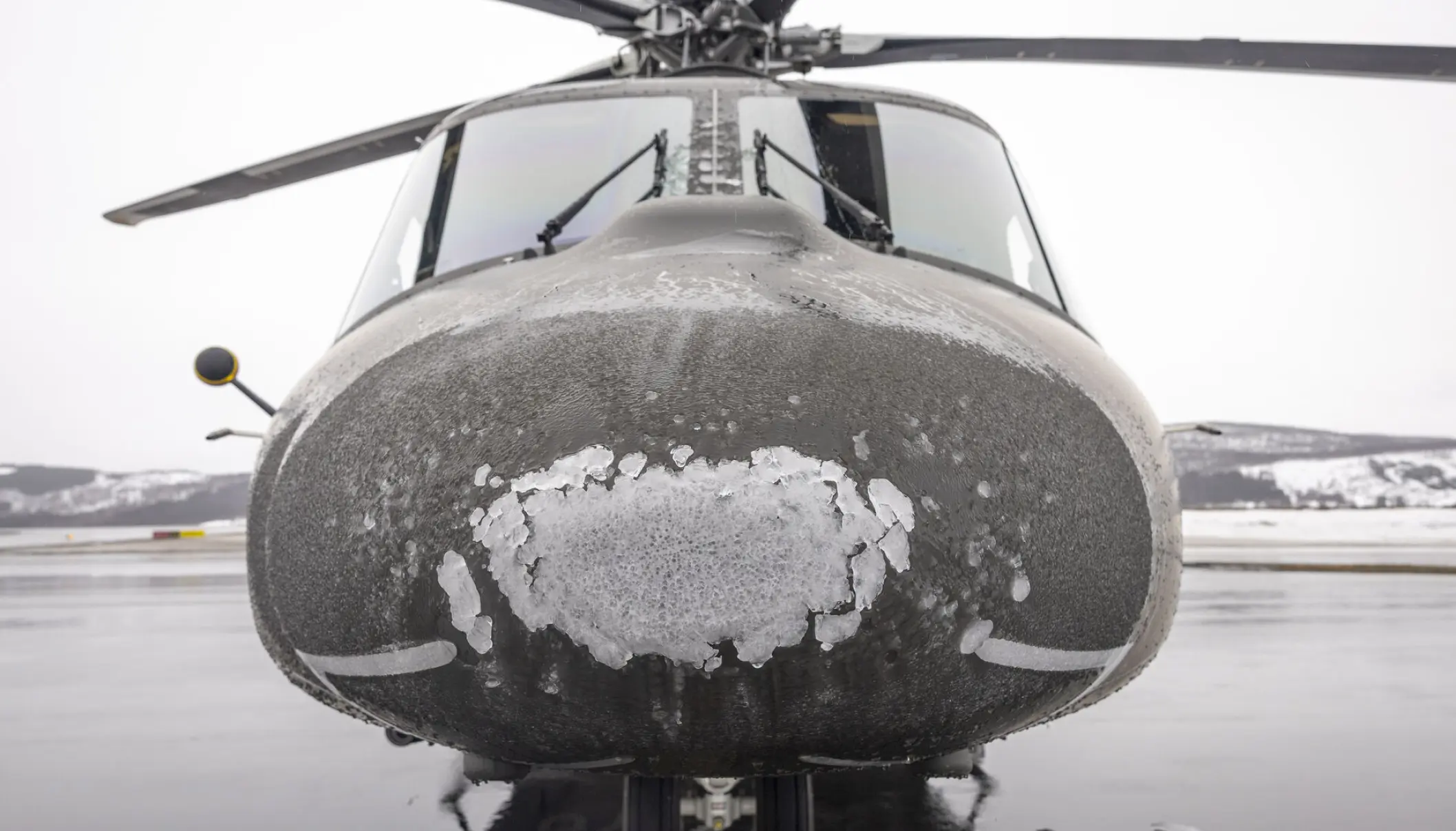
It is certainly not without danger, even though the Norwegian AW 139 helicopter has de-icing equipment that uses electrical heat to prevent ice from forming on the fuselage and rotors, the helicopter is filled with ice when it lands.
Icing threatens safety because it changes the shape of the helicopter and makes it heavier. So it is also a balancing act when it comes to preventing icing. The de-icing equipment weighs about 200 kilos, so it sets limits on how small helicopters it can be mounted on – and it is expensive.
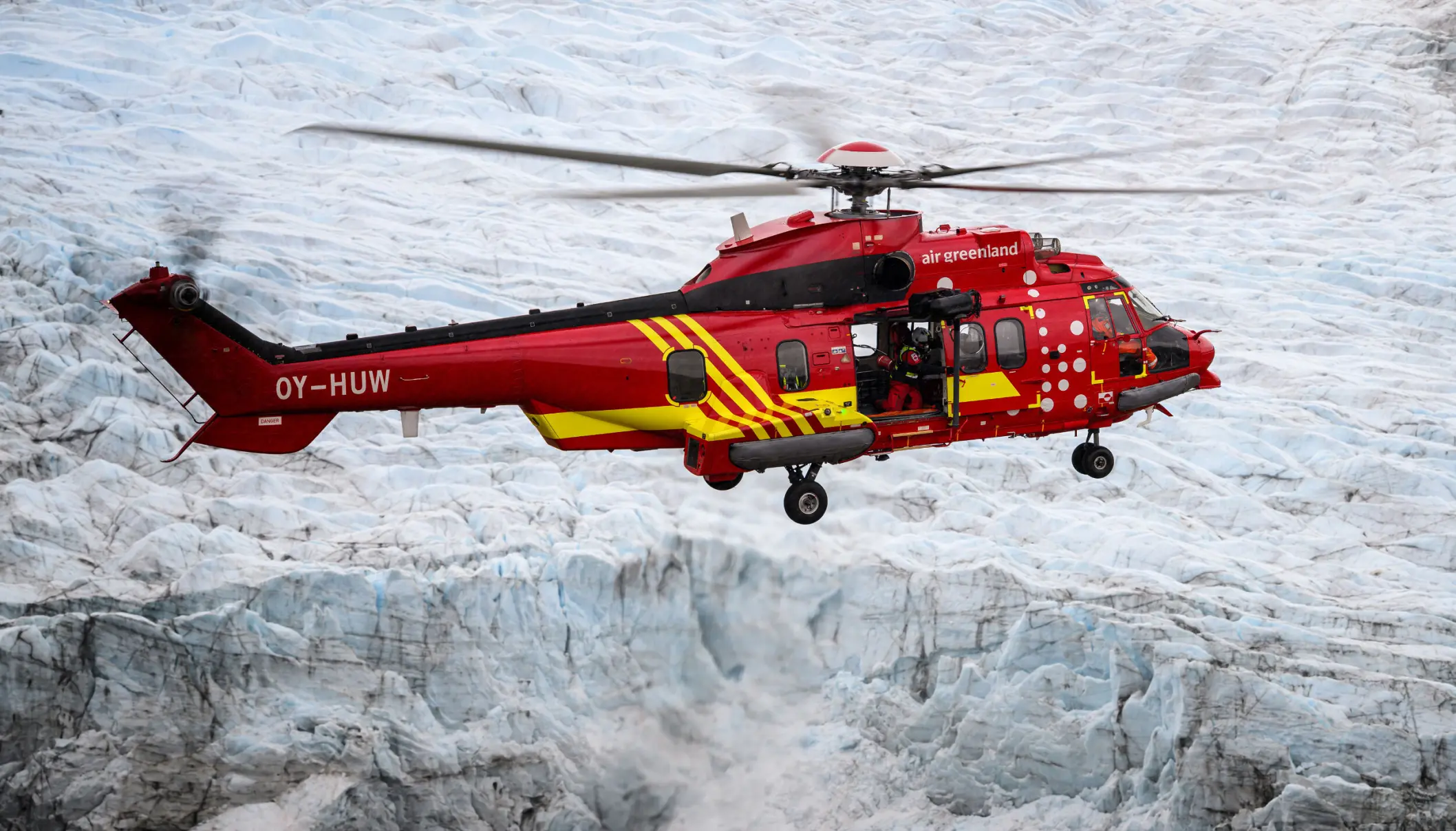
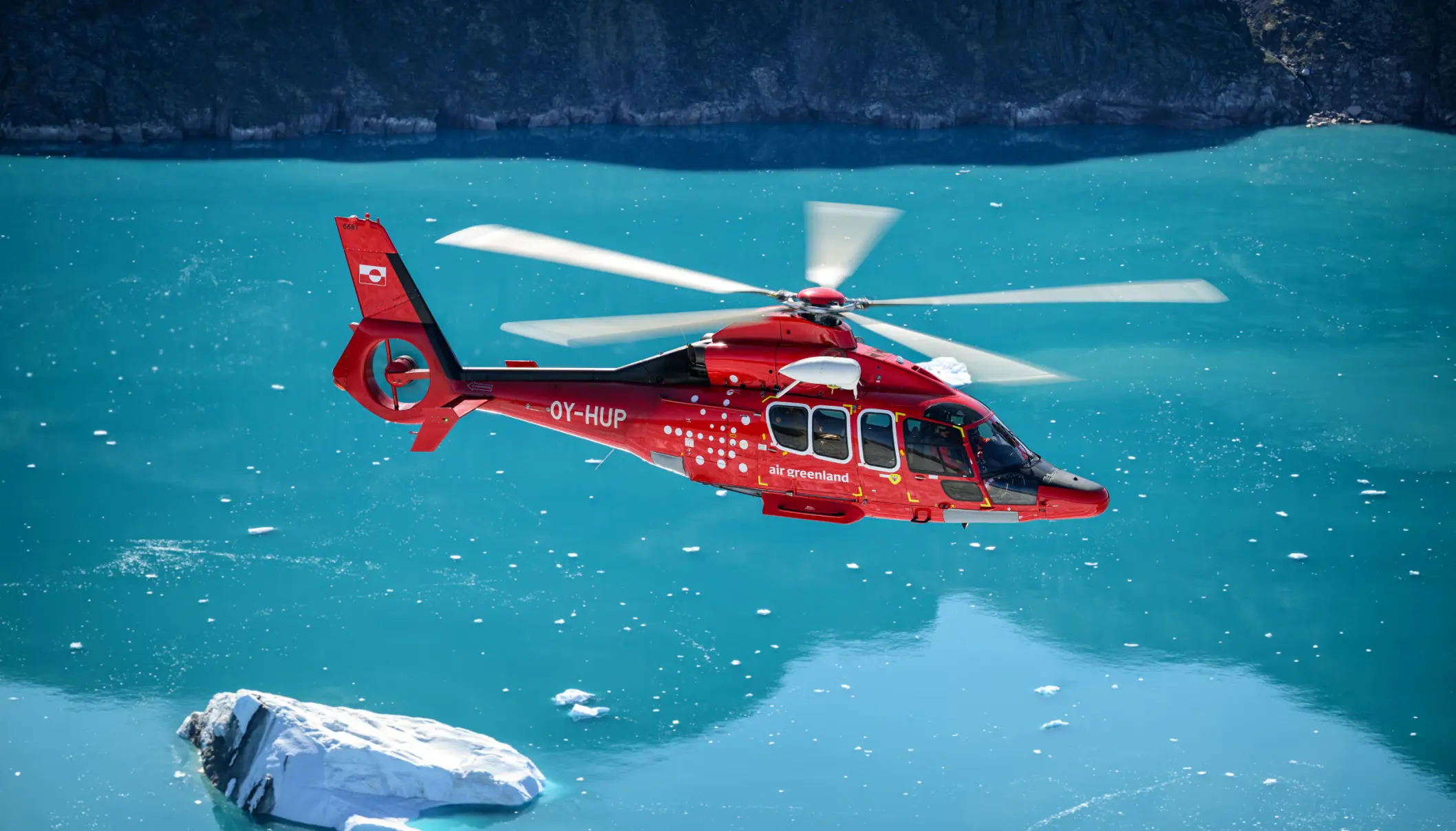
Air Greenland has de-icing equipment on its two largest helicopters – the SAR helicopters of the H225 type, whereas there is no similar equipment on the H125 and H155, which are used on scheduled flights in North, East and South Greenland.
Perspectives in Greenland
Air Greenland is looking forward to seeing what comes out of the Norwegian research project.
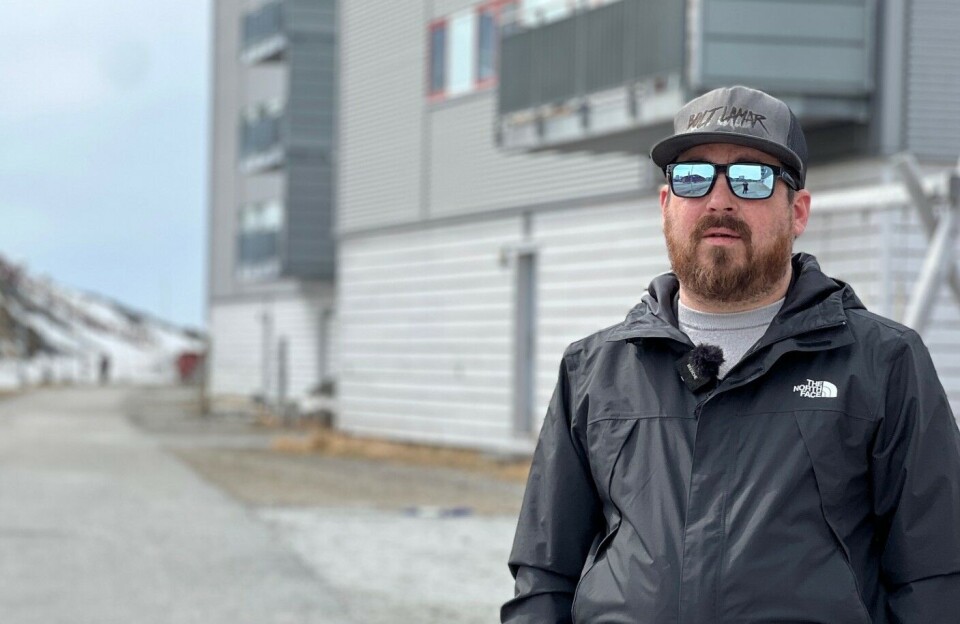
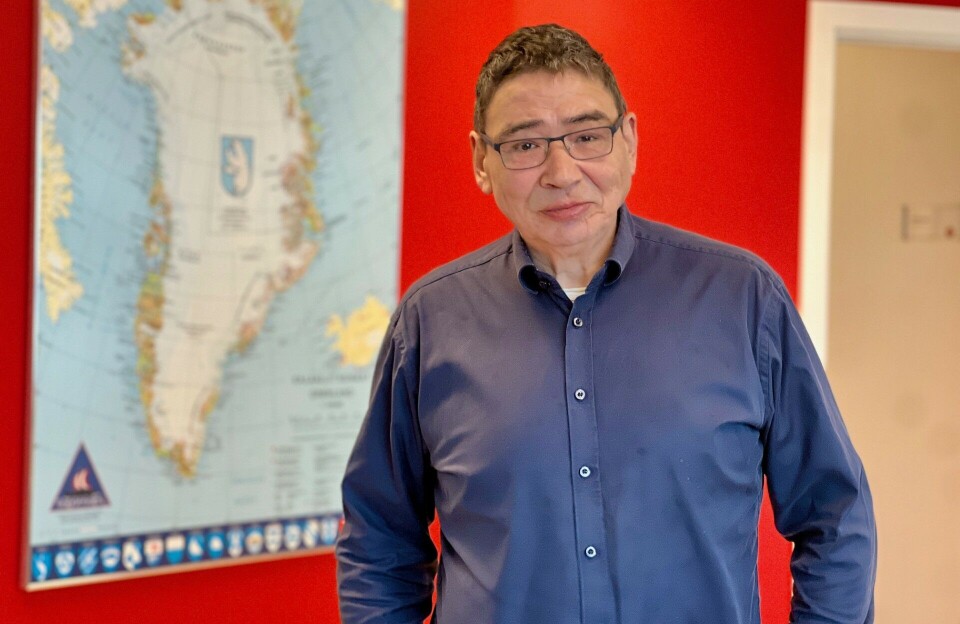
- It is an interesting project that the Norwegians are working on. If it succeeds, we will gain knowledge that can also be used in Greenland – even if the conditions in Norway are not always directly comparable to Greenland, explains Carsten Madsen, who, with the title of Chief Pilot Rotorwing, is the head of Air Greenland's helicopter operations.
- There are some crucial differences between Northern Norway and Greenland, which means that we cannot translate the experiences one by one in relation to scheduled traffic.
- First of all, there are two different sets of rules for SAR operations and regular scheduled flights. In addition, the GPS coverage in Greenland is not as good as, for example, in the Tromsø area – and finally, there are only a few Greenlandic airports where we can land in the dark under instrument flight rules. So, even if we get better at predicting the risk of icing, I can't promise that there will be fewer cancellations in the future.
There are very strict rules for scheduled helicopter flights – and these rules make helicopter flights in North Greenland particularly difficult.
- We basically always have to follow the rules for visual flight, because in North Greenland it is only in Ilulissat that we can land under the rules for instrument flight. So when it is dark 24/7 in North Greenland, it becomes really difficult to fly scheduled flights. Then there must be both clear weather and a full moon if it is to be realistic.
Challenges with fuel
- Another challenge is fuel. We always have to carry enough fuel to go to an alternative airport – and in North Greenland that would effectively be the take-off airport. So the longer the route, the more difficult it becomes, explains Carsten Madsen.
Helicopter passengers may occasionally experience that their scheduled helicopter is cancelled while the SAR helicopter is flying.
- There are completely different rules for unscheduled flights with non-paying passengers, so when lives are at stake, we can afford a little more. I think that most people can understand that, says Carsten Madsen.
- But all flying is subject to strict regulations – and if we fly with the SAR helicopter in conditions where we are not allowed to fly with paying passengers, it must be reported to the Danish Transport Authority.
Abonnementer
Sermitsiaq.gl - web artikler
- Adgang til alle artikler på Sermitsiaq.gl
- Pr. måned kr. 59.00
- Pr. år kr. 650.00
Sermitsiaq - E-avis
- Adgang til Sermitsiaq e-avis som udkommer hver fredag
- Adgang til alle artikler på Sermitsiaq.gl
- Pris pr. måned kr. 191
- Pris pr. år kr. 1.677
AG - Atuagagdliutit E-avis
- Adgang til AG - Atuagagdliutit e-avis som udkommer hver onsdag
- Adgang til alle artikler på Sermitsiaq.gl
- Pris pr. måned kr. 191
- Pris pr. år kr. 1.677
Sermitsiaq.AG+
- Adgang til AG - Atuagagdliutit e-avis som udkommer hver onsdag
- Adgang til Sermitsiaq e-avis som udkommer hver fredag
- Adgang til alle artikler på Sermitsiaq.gl
- Adgang til Arnanut e-magasin
- Adgang til Nutserisoq.gl
- Ved interesse send en mail til abonnement@sermitsiaq.gl
Kære Læser, Velkommen til Sermitsiaq.gl – din kilde til nyheder og kritisk journalistik fra Grønland. For at kunne fortsætte vores vigtige arbejde med at fremme den frie presse og levere dybdegående, kritisk journalistik, har vi indført betaling for udvalgte artikler. Dette tiltag hjælper os med at sikre kvaliteten af vores indhold og støtte vores dygtige journalister i deres arbejde med at bringe de vigtigste historier frem i lyset. Du kan få adgang til betalingsartiklerne fra kun kr. 59,- pr. måned. Det er nemt og enkelt at købe adgang – klik nedenfor for at komme i gang og få fuld adgang til vores eksklusive indhold. Tak for din forståelse og støtte. Dit bidrag hjælper os med at fortsætte vores mission om at levere uafhængig og kritisk journalistik til Grønland.