The new dataset, created by researchers from GEUS, is based on satellite images with a resolution of 10 meters, and the new map can help track changes in melting over time and support assessments of future sea level rise, according to the GEUS website.
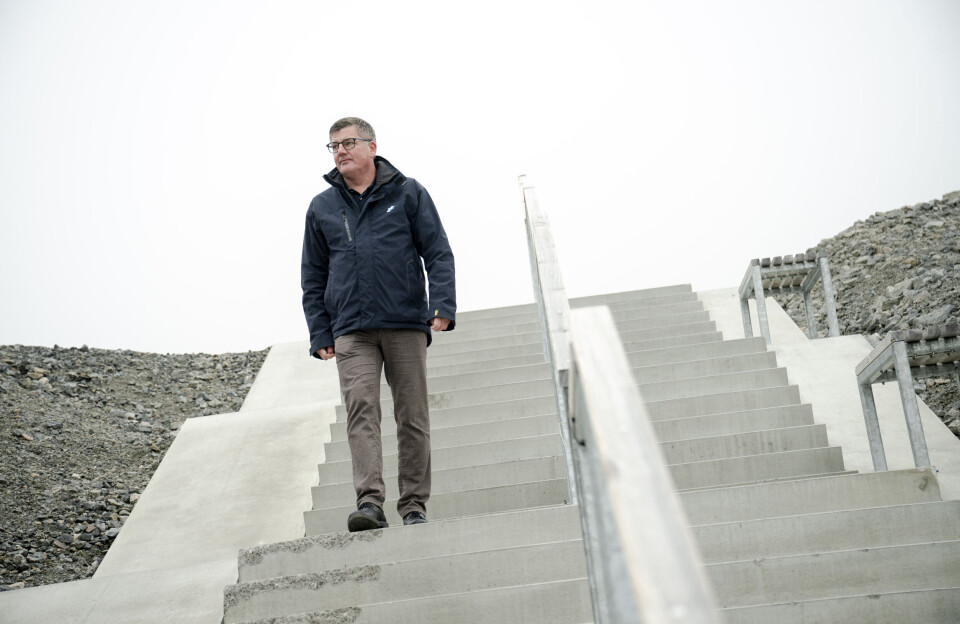
- Automated methods have become much better, but they still have problems in difficult areas, says lead author and postdoc Gregor Luetzenburg from GEUS.
"A real human assessment is still crucial if you want a consistent and reliable delineation," he states. There are areas with complex terrain, dirty ice, seasonal snow and cliffs jutting out through the ice that manual work can uncover more precisely."
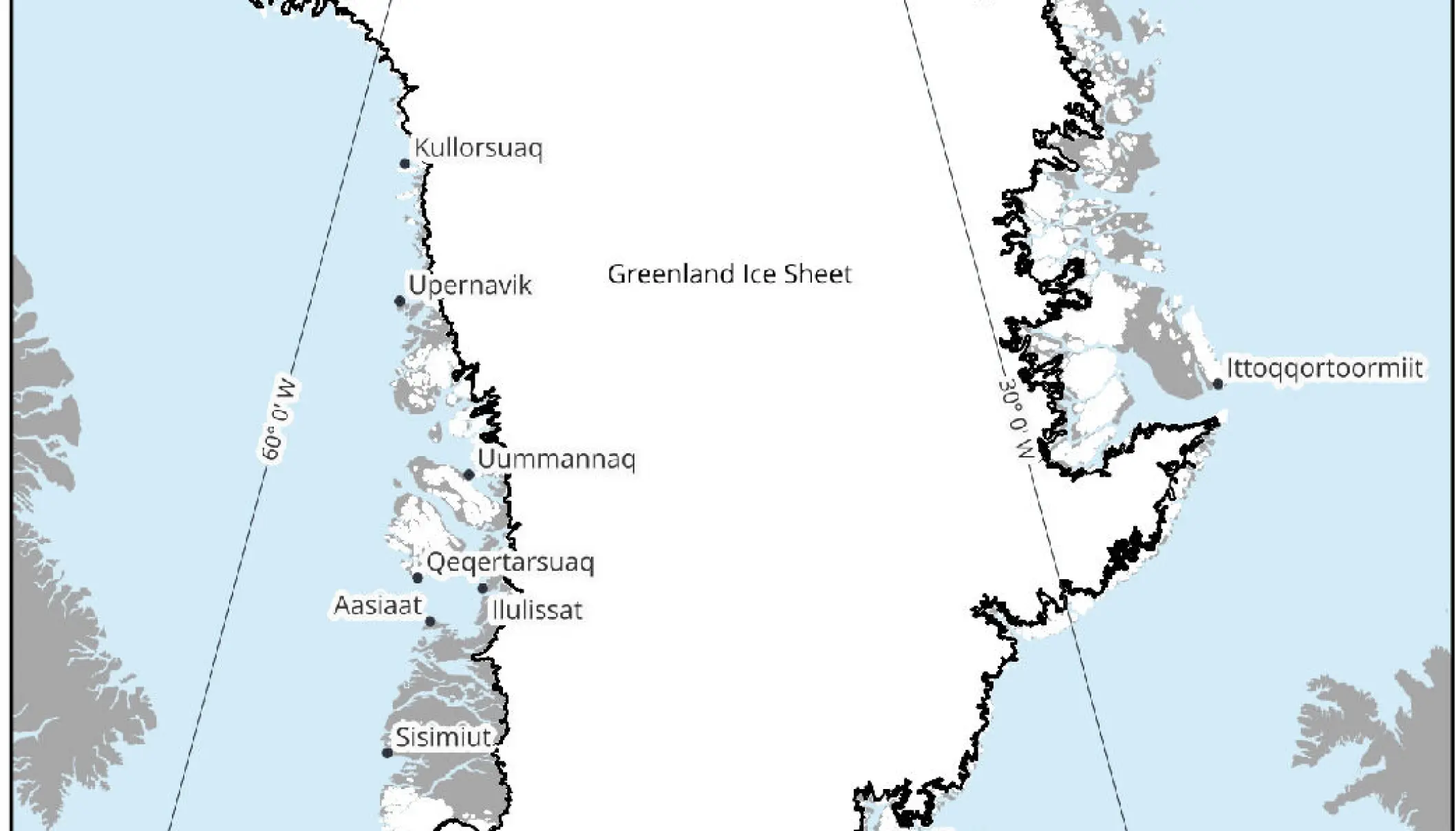
According to the new mapping, the Greenland Ice Sheet covered an area of approximately 1.73 million square kilometers in 2022, which is approximately five times the area of Germany. The total length of the ice sheet is approximately 53,000 kilometers, which is longer than the circumference of the Earth, and more than 19,000 nunataks (rock peaks, ed.) have been mapped within the Ice Sheet area, it is reported.
The ice mask also distinguishes between ice edges that end on land and those that end directly in the ocean – an important distinction for understanding ice dynamics and the contribution to sea level rise, states GEUS.
Until now, researchers have relied on ice caps for Greenland via satellite images back in the 1990s or early 2000s, which is increasingly problematic as the ice sheet has retreated significantly since then.
- When new measurements are combined with outdated iscants, you risk introducing hidden biases into your analyses, explains Gregor Luetzenburg and adds:
- This new dataset is designed to avoid just that.
Freely available data
The extensive data underlying the new map is freely available and is thus suitable for future satellite analyses and large ice sheet and climate models.
- This is not a finished product, but a new reference point. If we want to follow how the Greenland ice sheet develops in a warmer climate, we need to keep our basic data up to date, says the GEUS researcher.
The researchers' work has just been published in the journal Earth System Science Data.