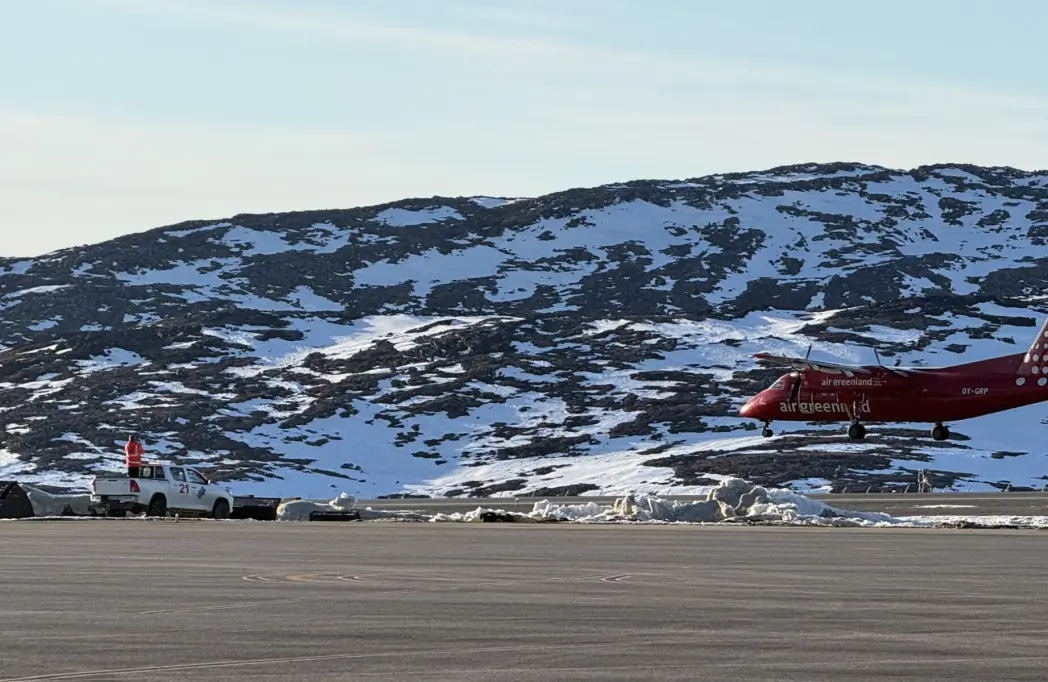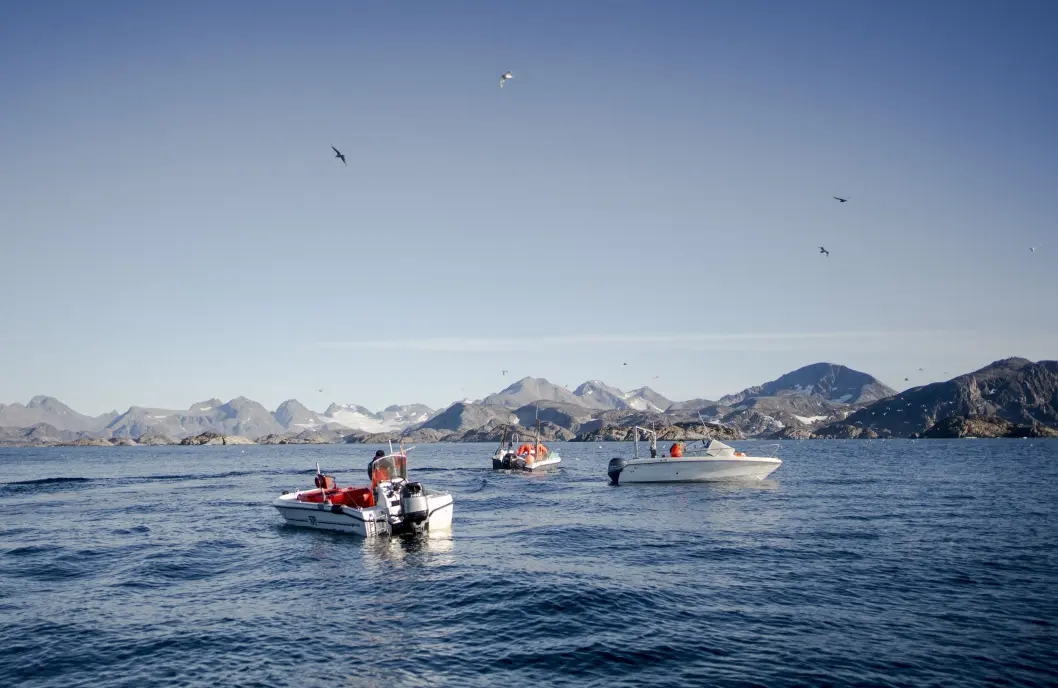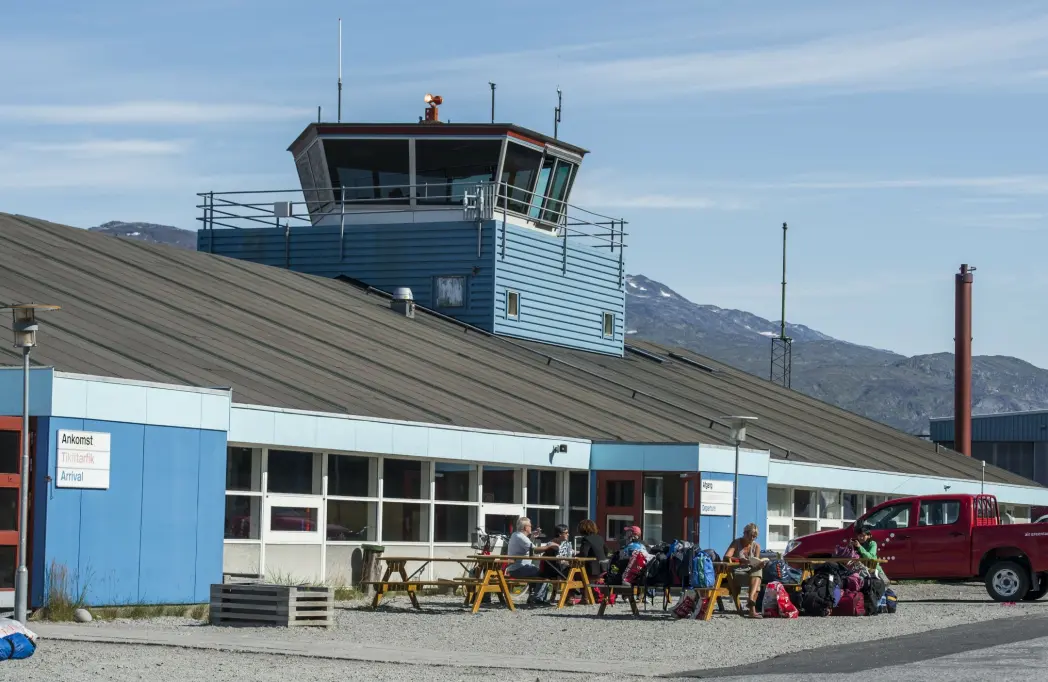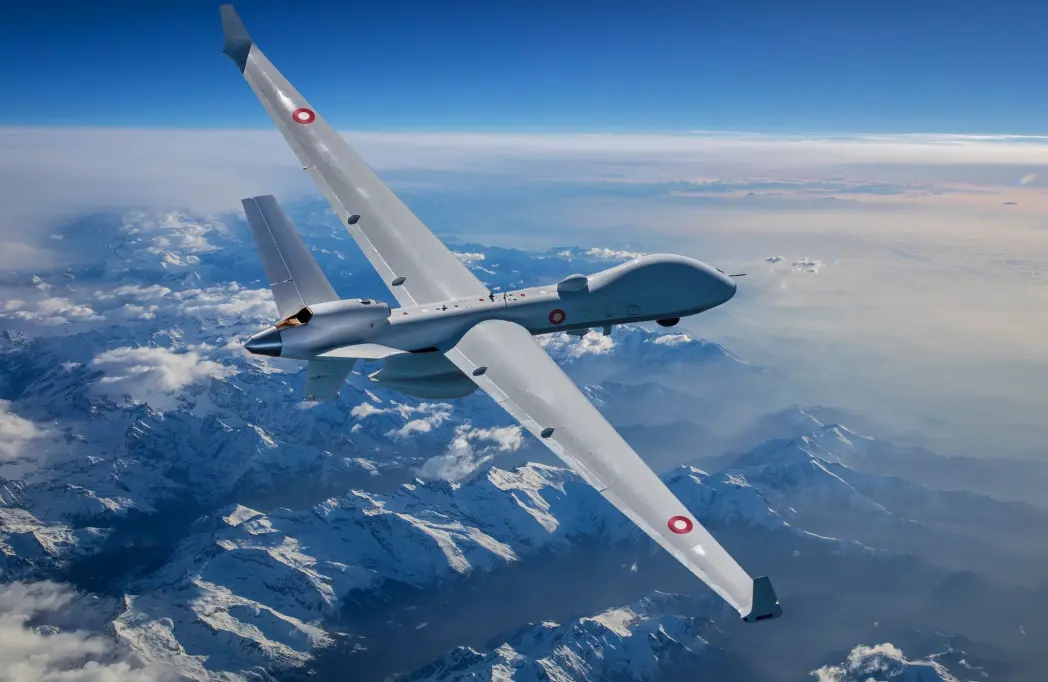
On Monday, the Air Force marked the establishment of a new squadron 729 at Aalborg Air Station. It will be home to the four remotely piloted, long-range aircraft that the Armed Forces recently signed an agreement to purchase – and which will, among other things, be used to monitor the Arctic and Greenland.
- It has long been desired that the Armed Forces be given better opportunities to monitor and reconnoiter in the Arctic and Greenland. Squadron 729 and the new long-range aircraft are part of the answer, Forsvaret.dk reports.
The new aircraft are American MQ-9B SeaGuardian and can fly for up to 24 hours at a time.
Requires a large crew
The Danish Defence Ministry states that it requires two teams of crews to take turns, changing seats in the cockpit approximately every two hours over a period of 10-12 hours, after which they are replaced by a new set of crews who take over the vessel while it is still in the air.
- Just like the Danish Defence Ministry's other aircraft, the new capabilities require pilots, but in return the cockpit of these vessels will remain on the ground. So when we talk about unmanned vessels, it is only about the fact that no people will be on board in the air. Conversely, the aircraft cannot fly autonomously - in other words, they are highly dependent on human input. They must be controlled by pilots who sit in a traditional cockpit, which in this case is located on the ground, the Danish Defence Ministry statement states.
- The signals from the pilot's input are sent via radio technology to the craft, so that it responds to the pilot's control. For the pilot, flying the new long-range drones will be in practice much the same as flying a modern manned aircraft with advanced autopilot and mission systems.
Operates together with regular aircraft
- The craft will have to fly in the same airspace as other aircraft, and therefore one of the pilots' tasks will also be to communicate with air traffic control and other craft in the same way as if they were on board.
The new super drones will be delivered to Denmark from 2028. The time until then will be spent training pilots, technicians and other personnel to carry out the task.
The new squadron will be based at Aalborg Air Base at the Air Transport Wing, which already has the Air Force's Challenger and Hercules aircraft.
- The Air Transport Wing has extensive experience in operating in the North Atlantic and the Arctic. It is not just 'business as usual'. It is connected to a great deal of expertise and a wide range of specialties, and we can draw on that here at Aalborg Air Base, Jan Dam, head of the Air Command, tells TV2-Nord.
The new squadron will have a staff of around 100 employees - pilots, technicians and other personnel - who are now starting to be recruited and trained until 2028.