
"Thin ice: could the Greenland clash kill NATO?"
"Climate change in Greenland - Catastrophe or Chance?"
These are a selection of the headlines from the past month's journalistic coverage of Greenland.
A small sample, mind you.
Because by now there is no media or language that has not in one way or another turned, twisted and analyzed the foreign and security crisis that Greenland found itself in at the beginning of the year.
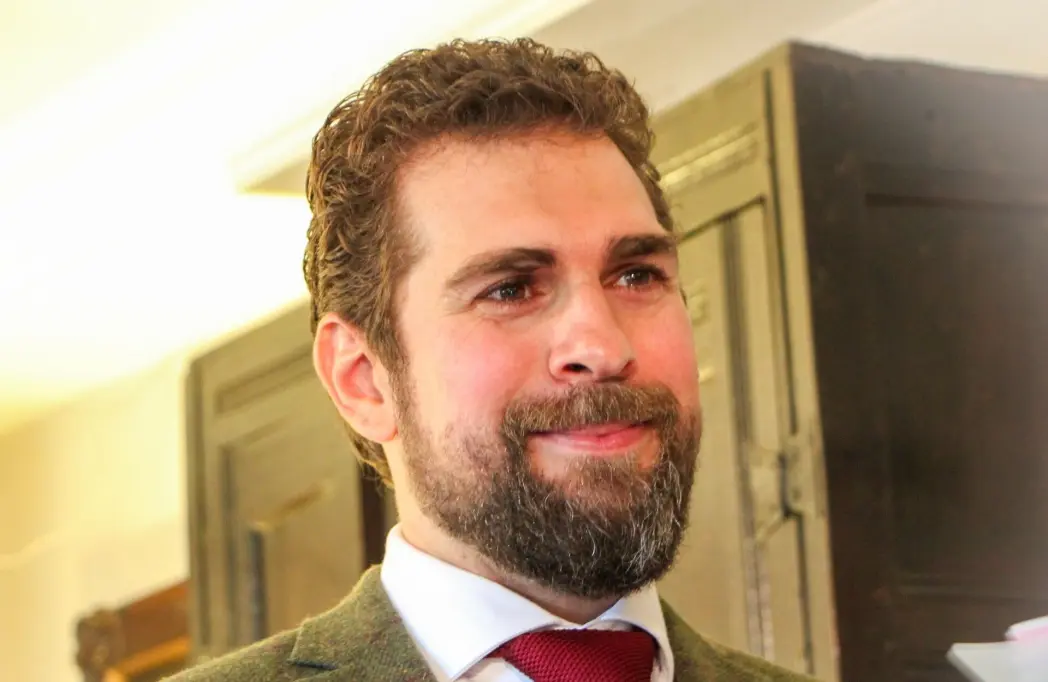
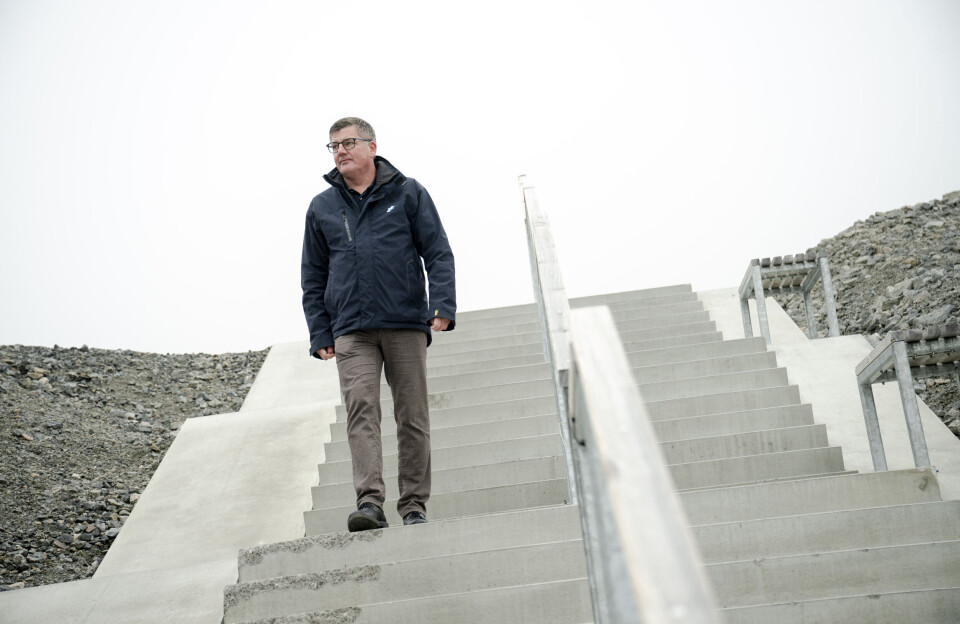
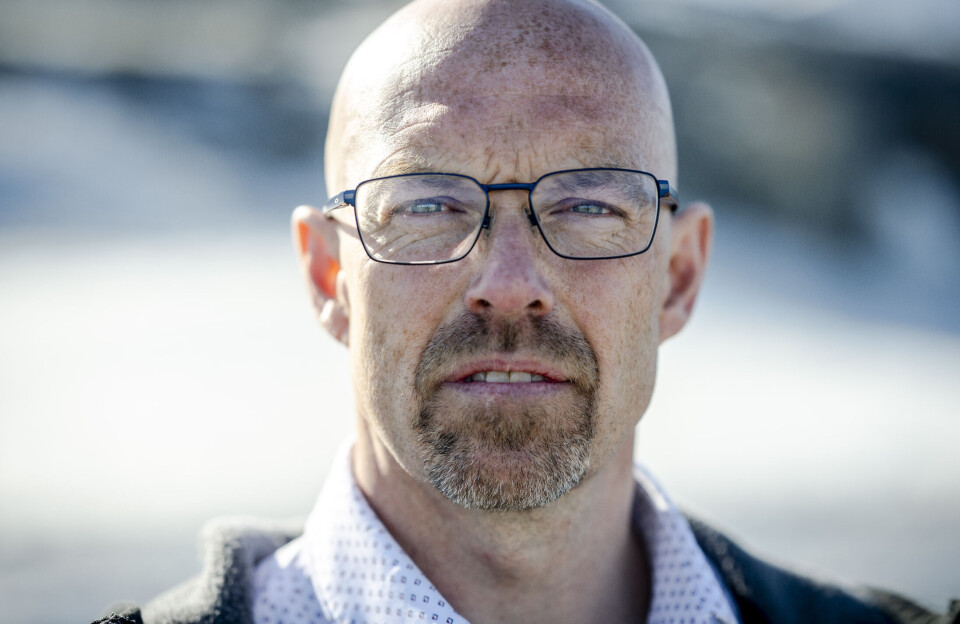
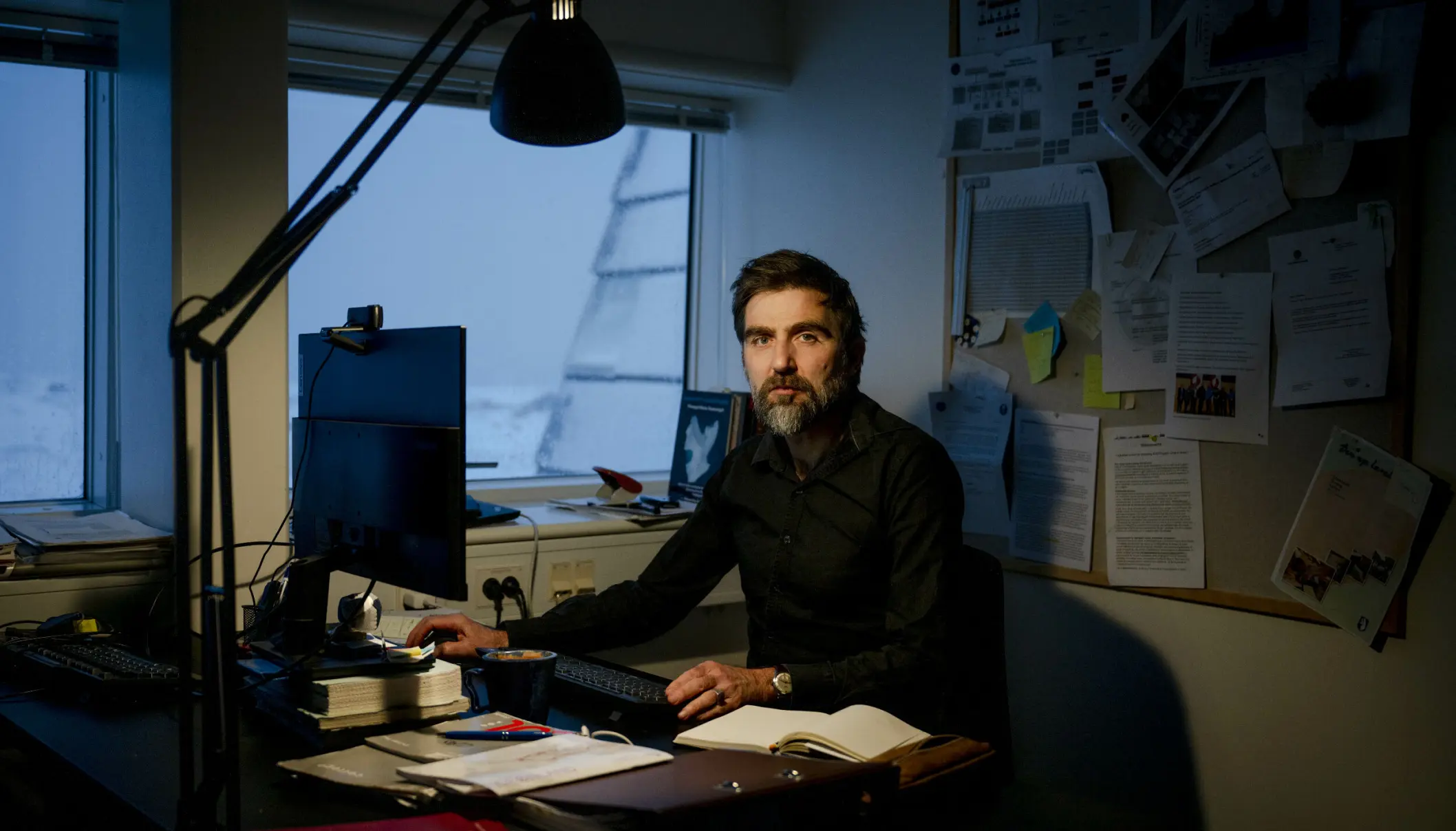
Jeppe Strandsbjerg is one of the experts who has helped to make the world press and the world's population more knowledgeable about security policy in the Arctic and Greenland's relationship with the USA and Denmark.
- There is a bit of a sense of emergency. Right now, many things are being pushed away and people have to wait a bit for something because this is more important, he says.
Jeppe Strandsbjerg, who is an associate professor and researcher – and employed at both the Danish Defence Academy and Nasiffik at Ilisimatusarfik – could easily spend all of his waking hours talking to journalists if he said yes to everything.
For a period of time, he received between ten and fifteen inquiries from media outlets and journalists per day.
"It's a bit overwhelming. If we had talked to them all, we would have been very busy," he says.
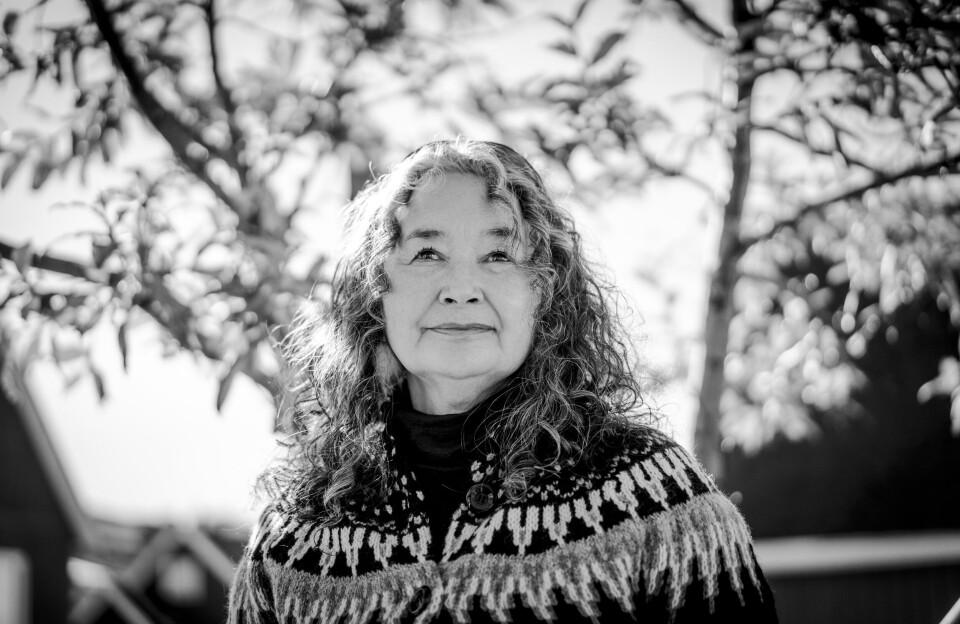
My research colleague, political scientist Maria Ackrén, has also received many inquiries. But while she offered interviews last year, she has chosen a different approach this year and mostly refuses to answer questions.
- It turns out that it's a bit the same strategy that some of the other researchers from here have had. That way, not many from here speak out, she says.
- You are affected by it.
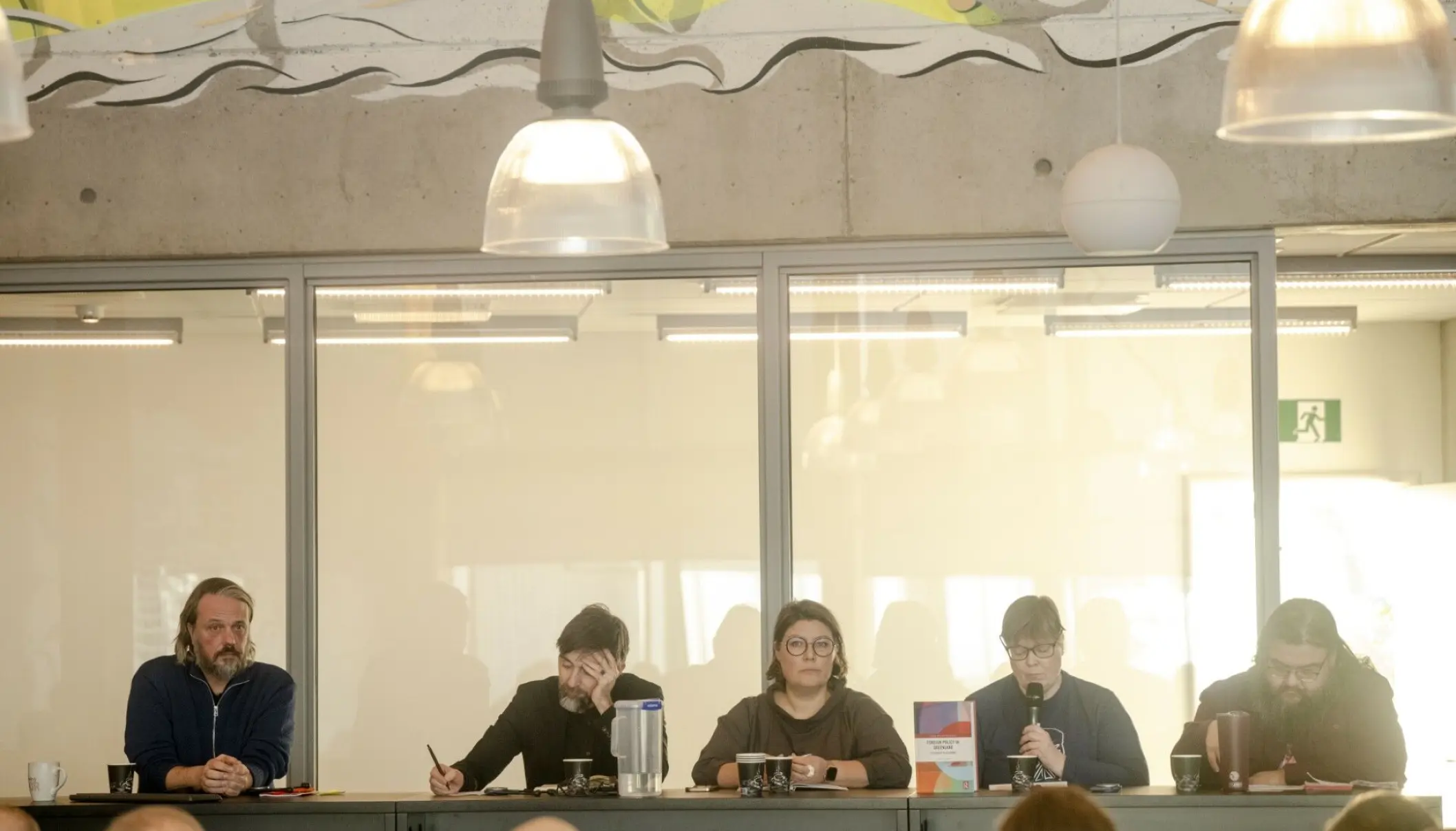
Sermitsiaq meets both researchers in the canteen at Ilimmarfik. Here, at the end of January, they participated in a panel on the geopolitical situation.
The panel included several researchers from Nasiffik, the Center for Foreign and Security Policy, who gave presentations on everything from missile defense to foreign policy and answered questions from the audience.
The geopolitical situation is changing rapidly and the development is causing concern, the event description said.
When the American president began to turn his attention back to Greenland in December, it had been about a year since Jeppe Strandsbjerg had moved to Denmark with his family.
However, he still spends a lot of time on the campus in Nuuk, and this year he had planned to fly to Greenland at the end of January. But then it was January 5th.
- And then it all started again, he says.
With the Trump train roaring out of there, he decided to bring his trip forward.
Because in addition to a professional interest in current developments in the Arctic and Greenland through their work as researchers and educators, the events of the past few weeks have also affected both Jeppe Strandsbjerg and Maria Ackrén on a personal level.
- It is unpleasant, and you are a bit affected by it. At the same time, there are some discussions that go in all sorts of directions, says Jeppe Strandsbjerg.
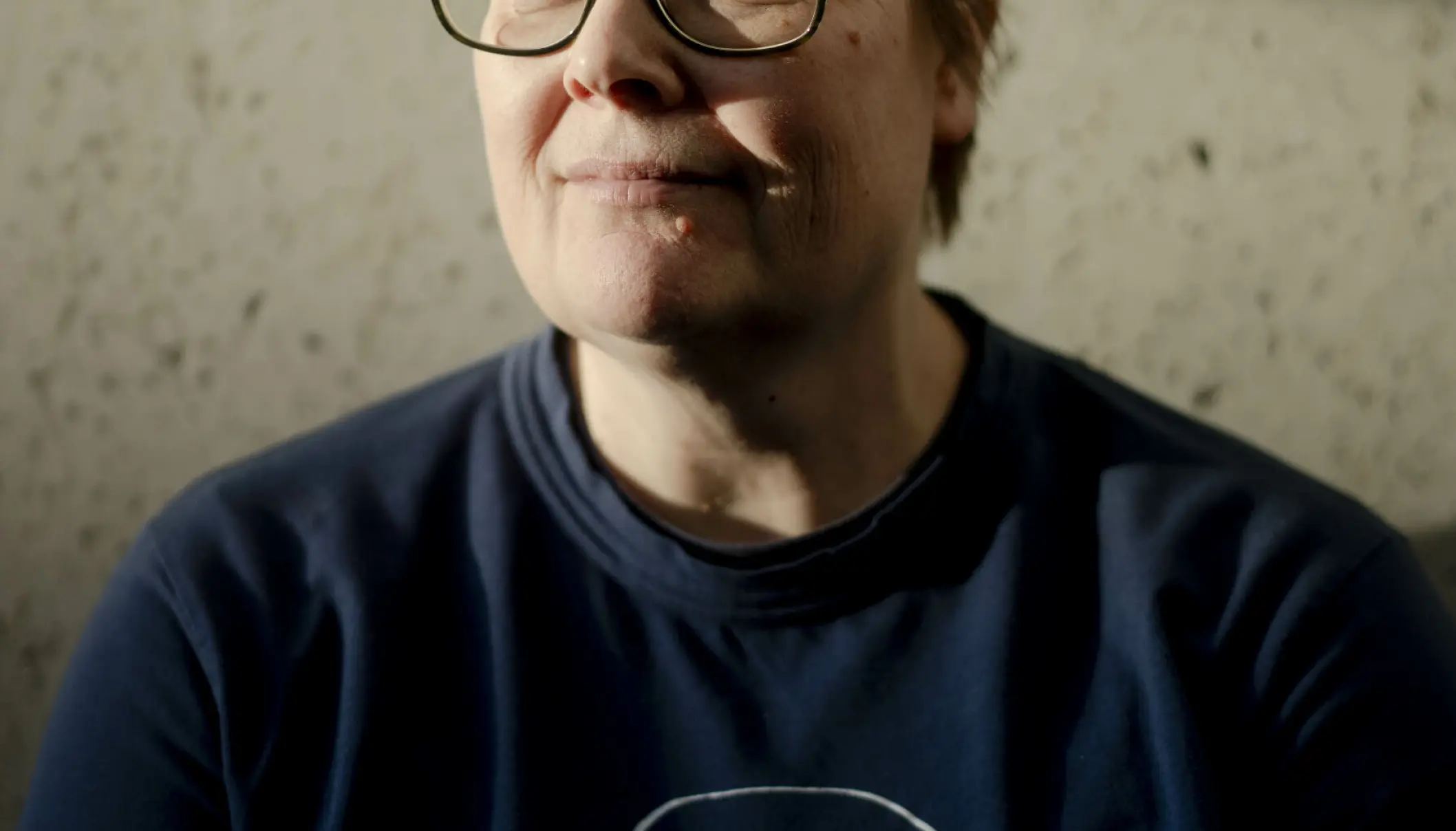
Maria Ackrén had just returned from Christmas vacation when all hell broke loose, and for her it was almost impossible to imagine having to go through “the same round as last year,” as she puts it.
- I haven't really bothered to follow the news. Yeah, even though I'm a researcher and I'd rather follow it. But when it comes to those long debates and the 'fight for Greenland' and all that - it makes you a bit tired.
- That's also why this time I've taken the approach of not bothering to answer questions, she says.
Jeppe Strandsbjerg's strategy when it comes to the time he spends talking to journalists has been about strict prioritization.
- You spend a lot of time on it, and at the moment you can sometimes have the feeling that you don't get anything else done, he says.
- At the same time, I also think it's important to explain the story. So I've prioritized major media and international media – or people I know.
If you turn it around, isn't that the whole point of your research: to get it out as widely as possible?
- Yes, you could say that, replies Jeppe Strandsbjerg.
- But if the journalist is not well prepared, or I just have to fill in some blank, it makes no sense for me to participate.
The Arctic has become 'hype'
The interest from TV stations around the world and major international newspapers has been something that Arctic researchers have had to get used to.
At least that's how Jeppe Strandsbjerg feels.
- When the interest is as massive as it is now, I think you have to get used to it, he says, adding:
- Also the major international press.
Maria Ackrén nods.
"I don't think you ever get used to it," she says.
Although it can be difficult to see the bright spots amidst the hustle and bustle and seriousness of the foreign policy situation, there are positive aspects to all the attention that has been paid to Greenland and the Arctic.
- There is starting to be a great demand for research in the Arctic to varying degrees and scope, says Maria Ackrén.
She emphasizes that the Independent Research Foundation of Denmark, which annually distributes billions of kroner to various research projects, has in recent years specifically requested projects with a focus on the Arctic.
- So it's getting a bit 'hype' in the sense that it's easier to apply for funding now if you have some good ideas or projects underway, she says.
In addition, Jeppe Strandsbjerg has the experience that many journalists and media, as a result of last year's focus on Greenland, now know much more.
- Last year it was all new and the international press didn't know much about Greenland and they didn't know much about Trump either, he says and continues:
- I think everyone who deals with the Arctic had a feeling that they should educate or inform the journalist.
He hasn't had the same feeling this year – at all, he says.
- Now, especially the Danish media knows a lot more. It's not always that the angle makes everyone happy, but you have a much better understanding of what Greenland is.
Abonnementer
Sermitsiaq.gl - web artikler
- Adgang til alle artikler på Sermitsiaq.gl
- Pr. måned kr. 59.00
- Pr. år kr. 650.00
Sermitsiaq - E-avis
- Adgang til Sermitsiaq e-avis som udkommer hver fredag
- Adgang til alle artikler på Sermitsiaq.gl
- Pris pr. måned kr. 191
- Pris pr. år kr. 1.677
AG - Atuagagdliutit E-avis
- Adgang til AG - Atuagagdliutit e-avis som udkommer hver onsdag
- Adgang til alle artikler på Sermitsiaq.gl
- Pris pr. måned kr. 191
- Pris pr. år kr. 1.677
Sermitsiaq.AG+
- Adgang til AG - Atuagagdliutit e-avis som udkommer hver onsdag
- Adgang til Sermitsiaq e-avis som udkommer hver fredag
- Adgang til alle artikler på Sermitsiaq.gl
- Adgang til Arnanut e-magasin
- Adgang til Nutserisoq.gl
- Ved interesse send en mail til abonnement@sermitsiaq.gl
Kære Læser, Velkommen til Sermitsiaq.gl – din kilde til nyheder og kritisk journalistik fra Grønland. For at kunne fortsætte vores vigtige arbejde med at fremme den frie presse og levere dybdegående, kritisk journalistik, har vi indført betaling for udvalgte artikler. Dette tiltag hjælper os med at sikre kvaliteten af vores indhold og støtte vores dygtige journalister i deres arbejde med at bringe de vigtigste historier frem i lyset. Du kan få adgang til betalingsartiklerne fra kun kr. 59,- pr. måned. Det er nemt og enkelt at købe adgang – klik nedenfor for at komme i gang og få fuld adgang til vores eksklusive indhold. Tak for din forståelse og støtte. Dit bidrag hjælper os med at fortsætte vores mission om at levere uafhængig og kritisk journalistik til Grønland.