
On Wednesday, a bill that will change the primary school will be discussed in Inatsisartut, and this has led a group of researchers and the children's rights organization MIO to call for caution. They have significant reservations about key elements of the bill.
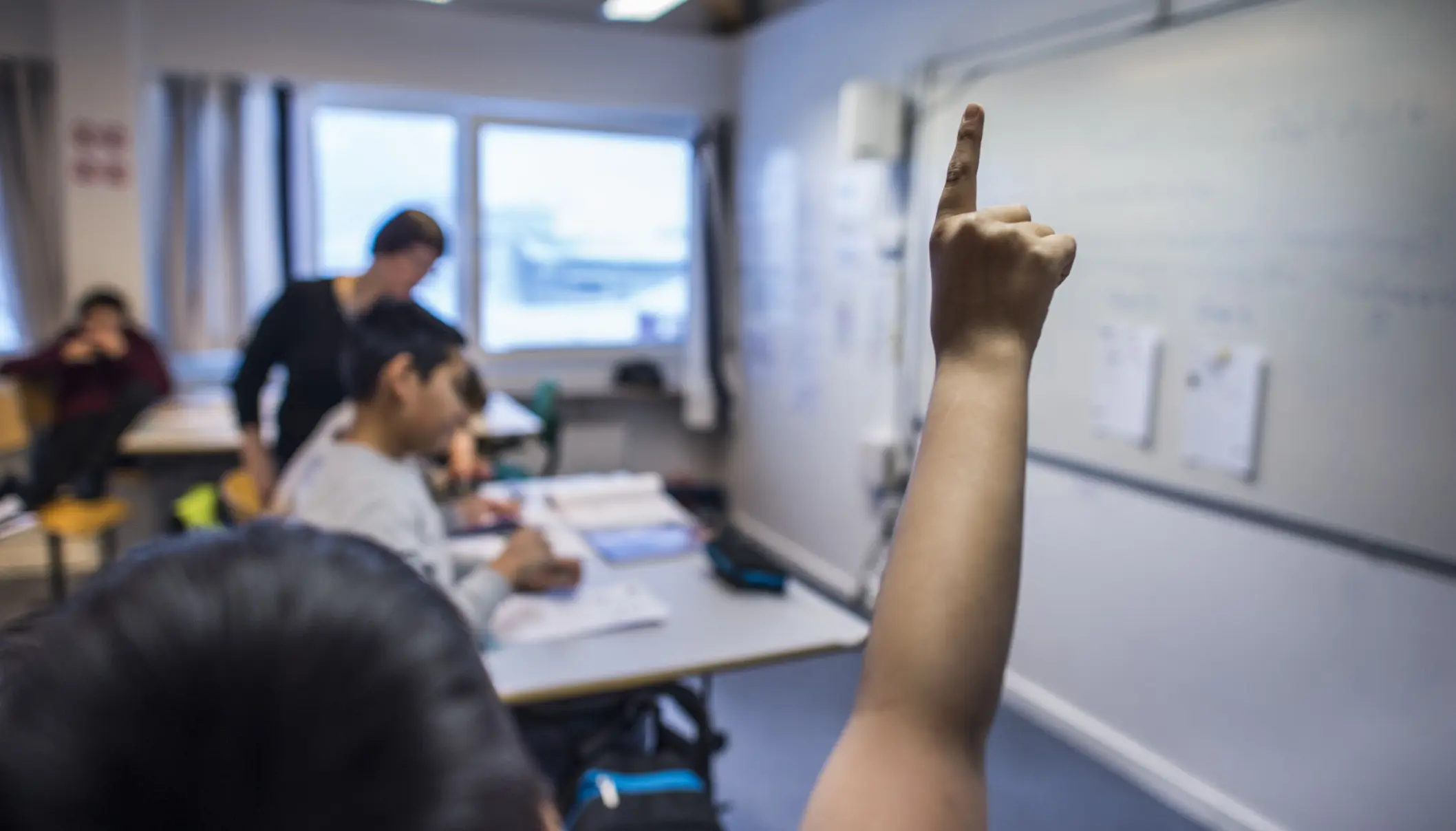
Among other things, the bill will mean that the youngest grade (1st to 3rd grade) will have far fewer teaching hours and school days in the future. As a consequence of this, the number of subjects will also be reduced. Greenlandic language teaching will be strengthened in the youngest grade, while Danish and English will only become real teaching subjects from the 4th grade.
MIO is critical of several elements in the bill and the process, among other things, according to MIO, there should have been closer cooperation with Ilisimatusarfik, who both involves children in research and has extensive knowledge of the primary school, in working on the bill.
Shorter school years will affect the children with the greatest need
The legal institution also strongly disagrees with the proposal that children in the youngest grades should be able to have a school year of 180 days rather than 200:
- For many children, school is a place with structure, community, learning and stable adult relationships. Shorter school years can affect children very differently and risk particularly affecting those who are most in need of a safe environment in everyday life, writes MIO in an open letter to the Government of Greenland about the bill.
MIO also fears that the proposal does not address fundamental problems such as teacher shortages and a lack of good teaching materials:
- Recent research from Ilisimatusarfik points to teacher shortages and challenges with the quality of education in several places in this country. Therefore, MIO is concerned that the reform will get to the root of the problems: How do we ensure enough qualified teachers? How do we strengthen teaching? How do we ensure good materials in all schools, asks the rights institution.
Researchers point to a number of issues
Researchers have already expressed criticism of the proposal during the consultation process earlier this year. Some of their objections have been listened to, but they still have major reservations, they write in a post sent to Sermitsiaq.
The research group consists of Associate Professor Lars Demant-Poort, Assistant Professor Louise Pindstrup Scavenius, Professor Rikke Ørngreen, Head of Department Britta Lohmann, Assistant Professor Ivalo Mathiassen and PhD student Kirsten Føns. They point to the following issues, among others:
Have submitted an alternative proposal
The researchers emphasize that their concerns are based on the research conducted at the Department of Learning through the Greenland Research Center for Learning and Education, as well as internationally recognized research.
The researchers also provide concrete input on how politicians can instead utilize the existing law to establish a simpler school day for the youngest grades. This involves, among other things, grouping the subjects into five subject areas, and then limiting teaching to a maximum of two subject areas during the course of a week.
The proposal was sent to the Greenland Government earlier this year, the researchers say.