
A few months ago, a post circulated on Facebook from a very angry father who had become aware that his minor child was being groomed.
The father had taken screenshots of the messages, and it was very clear that the child was being exposed to highly sexual language that a child of that age should absolutely not know or hear from anyone. It gave a sad insight into the mindset of a deranged person.
In the comments, several people urged the father to report it to the police. Whether he actually did so, AG has no documentation.
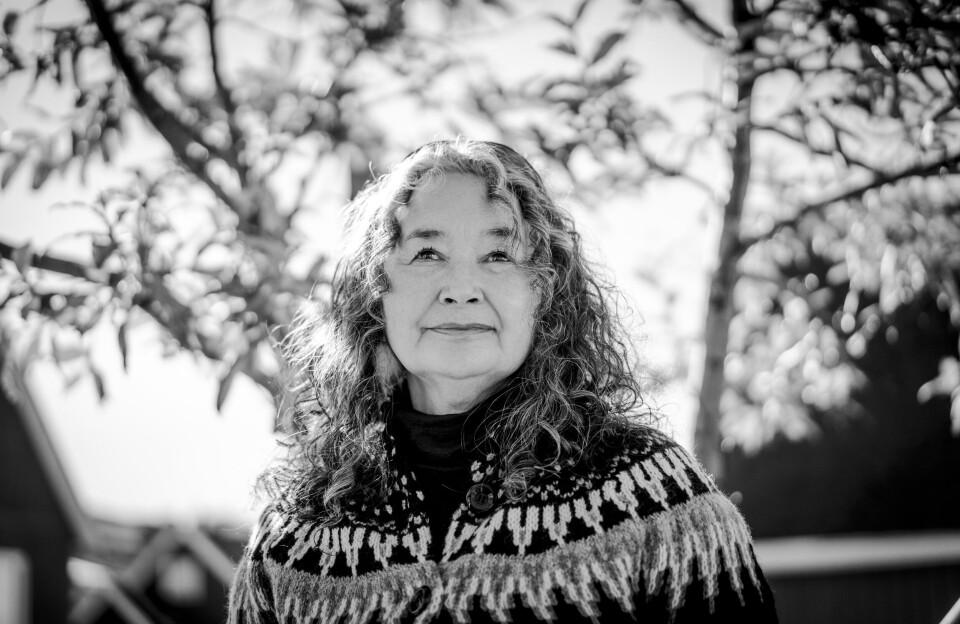
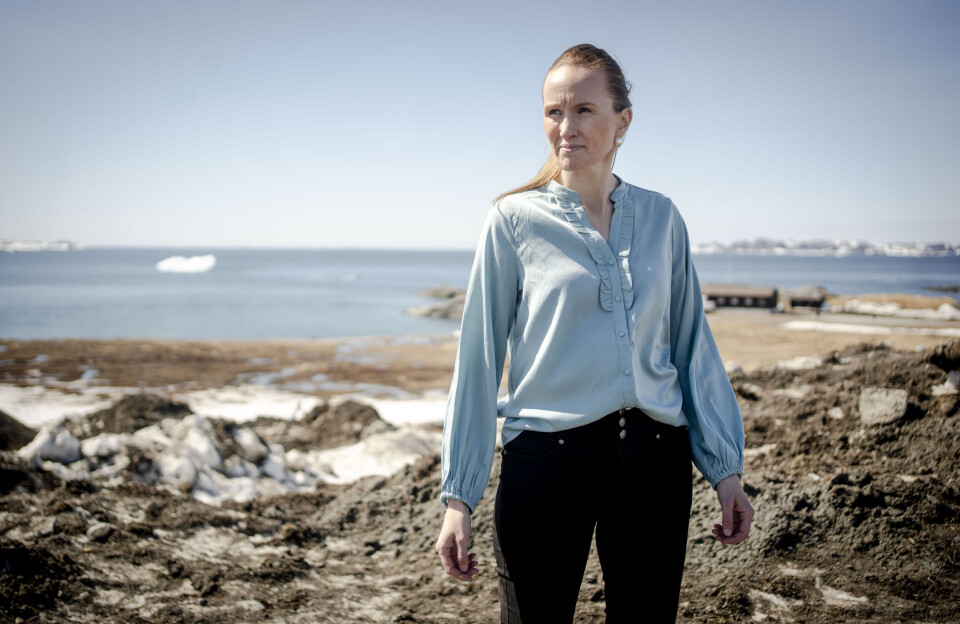
What we do know, however, is that the chairwoman of the anti-bullying association Tamattaasa, Erla Vinther, reported it to the police. And she did so because “Tamattaasa actually has an important responsibility and a major role in preventing, detecting and supporting children who are exposed to grooming, digital bullying and manipulation,” as she explains to AG.
- An anti-bullying association can be a strong player in the fight against grooming. They can prevent, inform, support and create security, while also helping to hold municipalities and institutions responsible for children's safety, both physically and digitally. Unfortunately, we do not have the funds - but we are working hard on it, explains Erla Vinther.
The post further made her think about vulnerable children in, for example, residential institutions and foster families, who may not have resourceful parents by their side to fight for their cause.
- Municipalities have the legal and professional responsibility for children placed in institutions, foster families or orphanages, she tells AG and elaborates:
- This means that municipalities must ensure that the child is cared for, protected and supported, supervise the institution and take action if anything happens that threatens the child's well-being, whether it be grooming, sexual exploitation, violence or neglect. They must supervise children's online behaviour in a pedagogical and respectful manner and notify the municipality immediately if they suspect grooming and cooperate with the police if the matter is serious.
Duty to notify and Killiliisa
AG has asked a number of questions to naalakkersuisoq for children, youth and families about what the Government is doing to prevent grooming or sexual exploitation online for children in public care.
The Facebook profile that triggered a report from Erla Vinther had 78 girls as “friends.” Very problematic, she says.
- We have 78 girls on this profile - I hope that in cooperation with the police, we will find out whether there are any institutional children among them.
The Greenland Government responds that the case has been transferred to the police and therefore cannot comment on the case itself.
- If the police assess that there is a need for social work interventions, the relevant authorities will be involved according to applicable procedures, reads the written response from the department.
- What specific requirements does the Government of Greenland place on institutions and foster families to detect and respond to online grooming?
- Employees at daycare institutions and foster families have a stricter reporting obligation according to Section 16 of the Inatsisartut Act on Child Support and must immediately notify the municipality if there is suspicion that a child is being exposed to online grooming, the very clear answer is.
This means that residential institutions and foster families have a responsibility to support children and young people in their digital lives and to respond when concerns about grooming or other digital exploitation arise.
- There is a focus on preventive and educational work by talking to children and young people about their online behavior, creating a safe environment for dialogue and responding when signs of risk arise. If the institution becomes aware of harmful contacts or digital abuse, they must respond by reporting the matter to the police and informing the municipality and the National Board of Health and Welfare.
- Serious incidents must be reported, and the Danish National Board of Health and Welfare systematically follows up on these.
If it is assessed that a child needs to be protected from certain people or digital contacts, the institution can apply to the municipal council for letter and visit control in accordance with the Inatsisartut Act on the Use of Force. This is an intrusive, but in some cases necessary, tool, the response further states, which also touches on the Killiliisa work, where cooperation between municipalities, police and civil society in cases of digital child abuse is a focus area.
- As part of this, Save the Children's Delete-It material has been translated into Greenlandic and adapted as "SoMe - social media guides". The material has been distributed to all municipalities, schools and police stations and has been very positive.
Received, which reflects a strong local commitment to digital protection of children and young people.
- In addition, the information material “Killiliisa – for citizens” has been widely distributed. The material provides easily accessible knowledge about legislation on grooming and sextortion and supports both citizens and professionals in preventing, identifying and responding to digital abuse.
POP is coming to Greenland
In December, the Greenland Police had a visit from the organization's Danish branch, Politiets Online Patrulje, also known as POP in everyday speech. This resulted in a job posting where they were looking for a Greenlandic-speaking officer. The deadline has just expired, so I wonder if a Greenlandic counterpart will soon be available in Nuuk.

POP is for the portion of the population that is on the various social platforms like TikTok, Instagram, Twitch and Facebook, to name just a few.
Here, anyone can come into contact with a digital police officer – just like you can meet an officer on the street, the Facebook post says.
For example, the officers are happy to participate in conversations, answer questions about everything from illegal image sharing to hacking, and share preventive advice about online crime so that children and young people can stay safe online. The digital officers will also be helpful in providing guidance on how to report if you have been exposed to something unpleasant online, and also receive tips from citizens who have experienced something suspicious online.
Abonnementer
Sermitsiaq.gl - web artikler
- Adgang til alle artikler på Sermitsiaq.gl
- Pr. måned kr. 59.00
- Pr. år kr. 650.00
Sermitsiaq - E-avis
- Adgang til Sermitsiaq e-avis som udkommer hver fredag
- Adgang til alle artikler på Sermitsiaq.gl
- Pris pr. måned kr. 191
- Pris pr. år kr. 1.677
AG - Atuagagdliutit E-avis
- Adgang til AG - Atuagagdliutit e-avis som udkommer hver onsdag
- Adgang til alle artikler på Sermitsiaq.gl
- Pris pr. måned kr. 191
- Pris pr. år kr. 1.677
Sermitsiaq.AG+
- Adgang til AG - Atuagagdliutit e-avis som udkommer hver onsdag
- Adgang til Sermitsiaq e-avis som udkommer hver fredag
- Adgang til alle artikler på Sermitsiaq.gl
- Adgang til Arnanut e-magasin
- Adgang til Nutserisoq.gl
- Ved interesse send en mail til abonnement@sermitsiaq.gl
Kære Læser, Velkommen til Sermitsiaq.gl – din kilde til nyheder og kritisk journalistik fra Grønland. For at kunne fortsætte vores vigtige arbejde med at fremme den frie presse og levere dybdegående, kritisk journalistik, har vi indført betaling for udvalgte artikler. Dette tiltag hjælper os med at sikre kvaliteten af vores indhold og støtte vores dygtige journalister i deres arbejde med at bringe de vigtigste historier frem i lyset. Du kan få adgang til betalingsartiklerne fra kun kr. 59,- pr. måned. Det er nemt og enkelt at købe adgang – klik nedenfor for at komme i gang og få fuld adgang til vores eksklusive indhold. Tak for din forståelse og støtte. Dit bidrag hjælper os med at fortsætte vores mission om at levere uafhængig og kritisk journalistik til Grønland.