Botox injections, facial treatments with harsh acids, various types of surgery and laser treatments, which are performed by private individuals, will in future be regulated by the National Medical Board.
The lack of regulation of the cosmetic area entails a significant patient safety risk, it is explained in the presentation of the new bill that has been sent for consultation.
Supervision of private practitioners
- The proposal provides authority to expand the National Board of Medical Examiners' supervisory obligation and the National Board of Medical Examiners' competence to make decisions in cases concerning cosmetic practitioners, according to the comments to the bill, which have been sent for consultation until 6 March.
It appears that the National Board of Medical Examiners will be responsible for handling the issuance of permits and the office will also supervise the area.
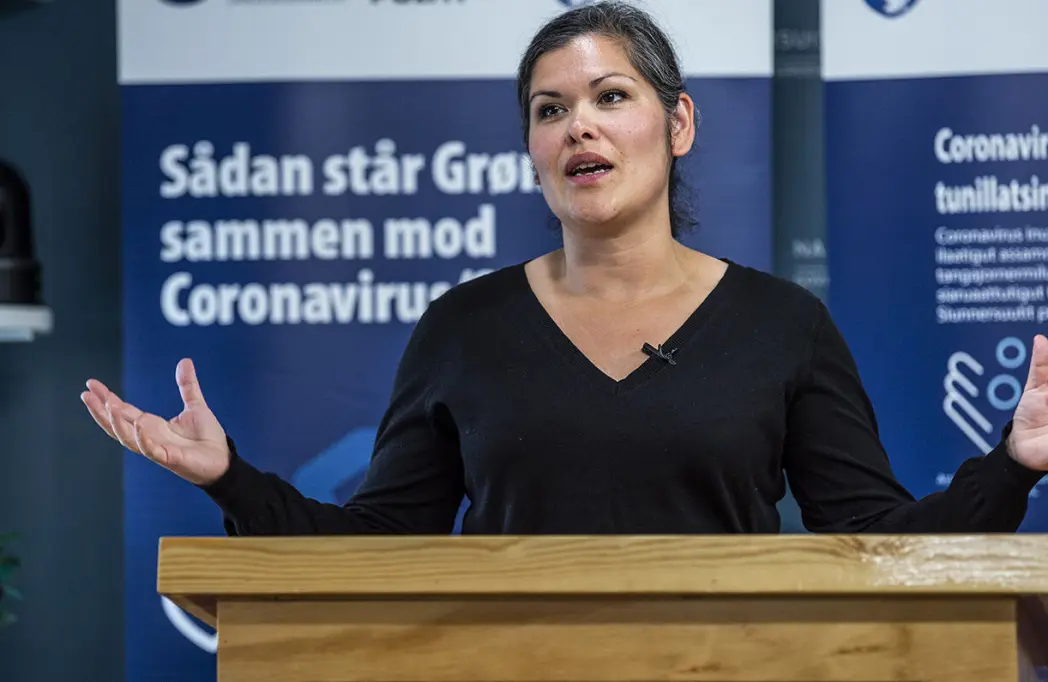
General Physician Paneeraq Noahsen explains to Sermitsiaq that the bill applies to cosmetic treatments "whose main purpose is to change or improve appearance".
Fines may be issued
- In Danish legislation, cosmetic treatment is further defined as surgical interventions or other treatments where the cosmetic consideration constitutes the decisive indication, and the main purpose is to change or improve appearance. An operative procedure is understood to mean a procedure that pierces the skin or mucous membranes, or a procedure involving the introduction of equipment into the natural body orifices, the Chief Medical Officer informs.
The new law will make it possible to issue fines if the rules in this area are not complied with.
- Since the rules may involve requirements for record keeping, etc., and since failure to comply with the rules may result in the imposition of fines, the proposal could entail minor administrative and financial consequences for the business community (private practitioners, ed.), the consultation material states.
The Chief Medical Officer will increase the standard
With the new bill, the Chief Medical Officer will have an additional task, which is expected to amount to approximately 600,000 kroner annually, equivalent to one full-time employee. The office will, for example, process applications for permits and supervise private practitioners.
However, it is stated that “the expenditure is expected to be offset to a certain limited extent by a corresponding fee income”.