
He doesn't remember it as images, but as sounds.
Crying that continues. Voices that break. Then the church bells. Heavy and irrevocable. Finally, the silence over a cemetery.
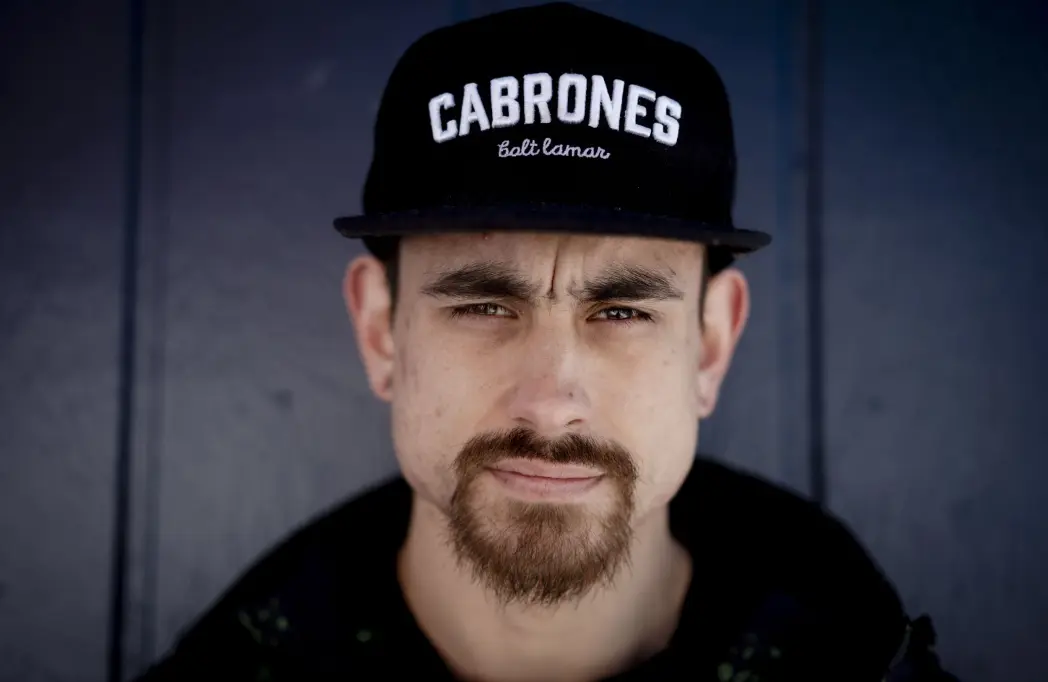
Steffen Knulst is only three years old when his mother dies. It is his first memory – and it will be the beginning of a darkness that will cast a shadow over the rest of his life.
Today he doesn't go to funerals. Not because he doesn't grieve, but because grief becomes too heavy in the rooms where it is shared. Instead, he says goodbye alone. As something that shouldn't be seen – only carried.
Shadow child
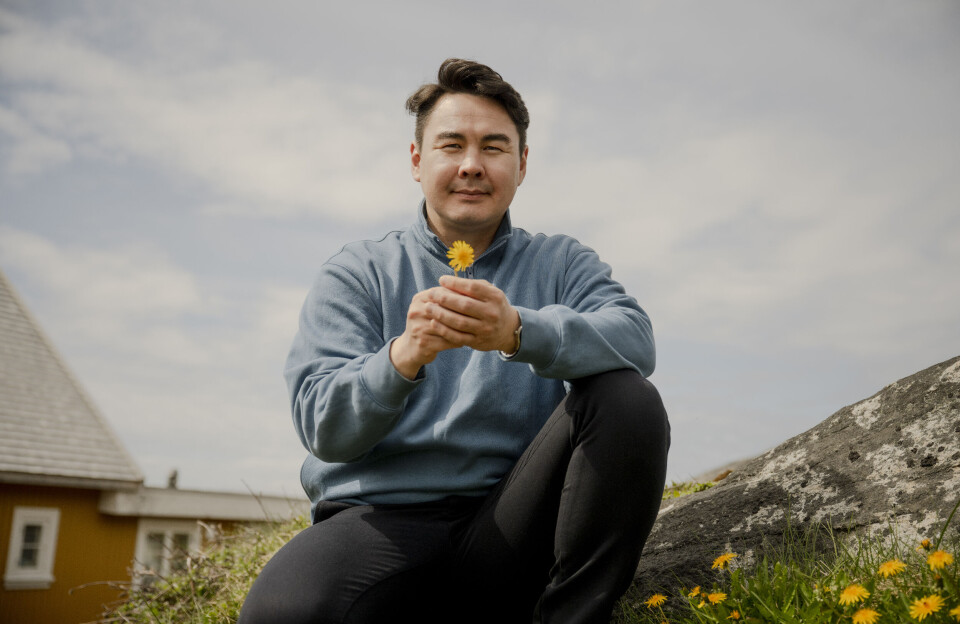
Steffen Knulst is now almost 31 years old. He grows up in Nuuk in a home that is far from what most people would call normal. After his mother's death, he lives with his father, who struggles with alcohol abuse. Yet this is not where the violence is found.
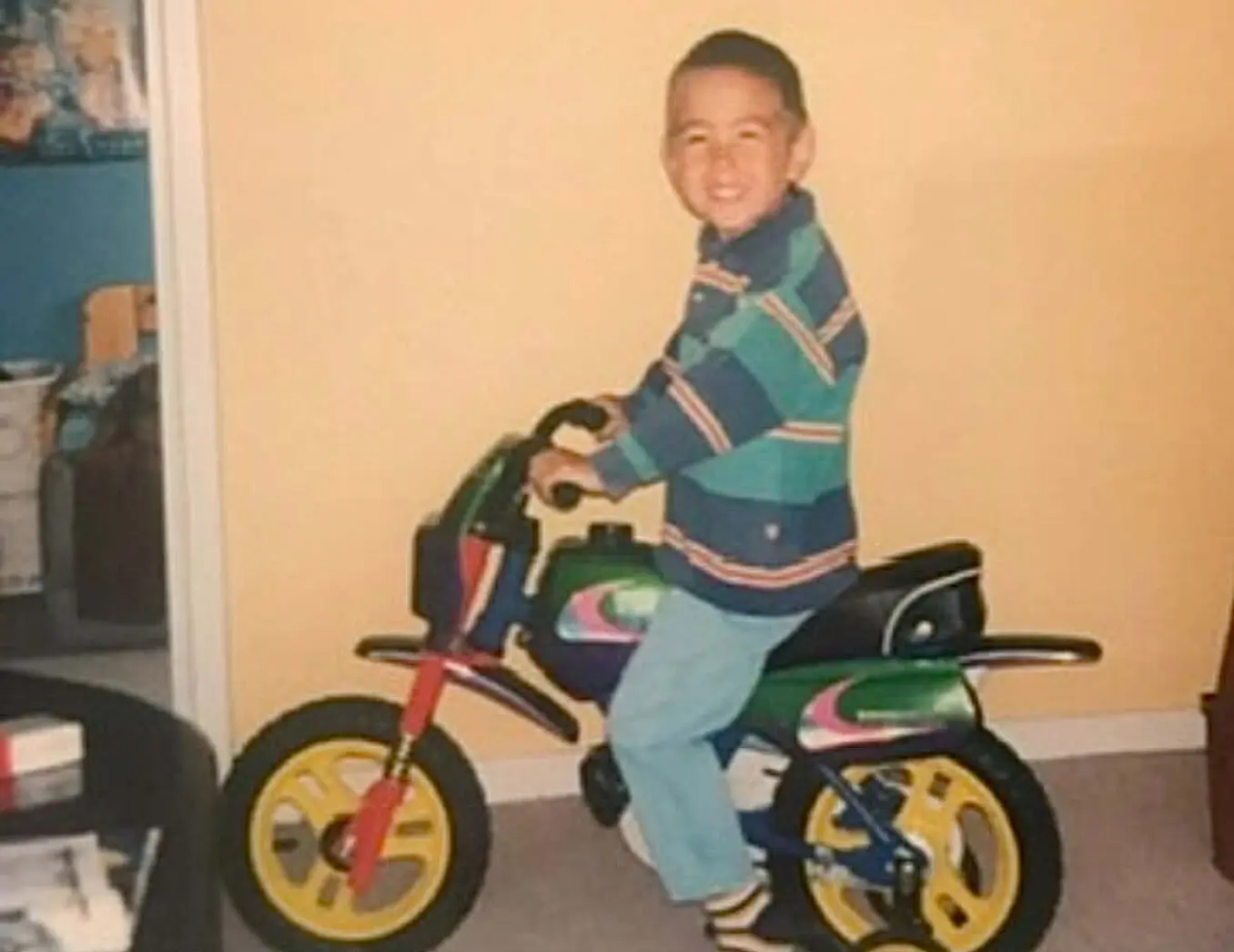
“My father never did anything to me. So even though he drank, he was actually nice all the time,” says Steffen Knulst.
But around him, abuse is omnipresent. Alcohol and hashish bind large parts of the family together – and at the same time pull everything apart. On the weekends, when his father is at work, Steffen is sent to his grandmother and grandfather. What should have been a free space turns into the opposite.
– I was raped by my cousin on weekends at my grandparents’, he says.
The voice is calm. Almost detached from the weight of the words.
The abuse went on for four years, from the age of six to nine. He is too young to resist and too afraid to say it out loud. The threats keep him in silence. Until one day.
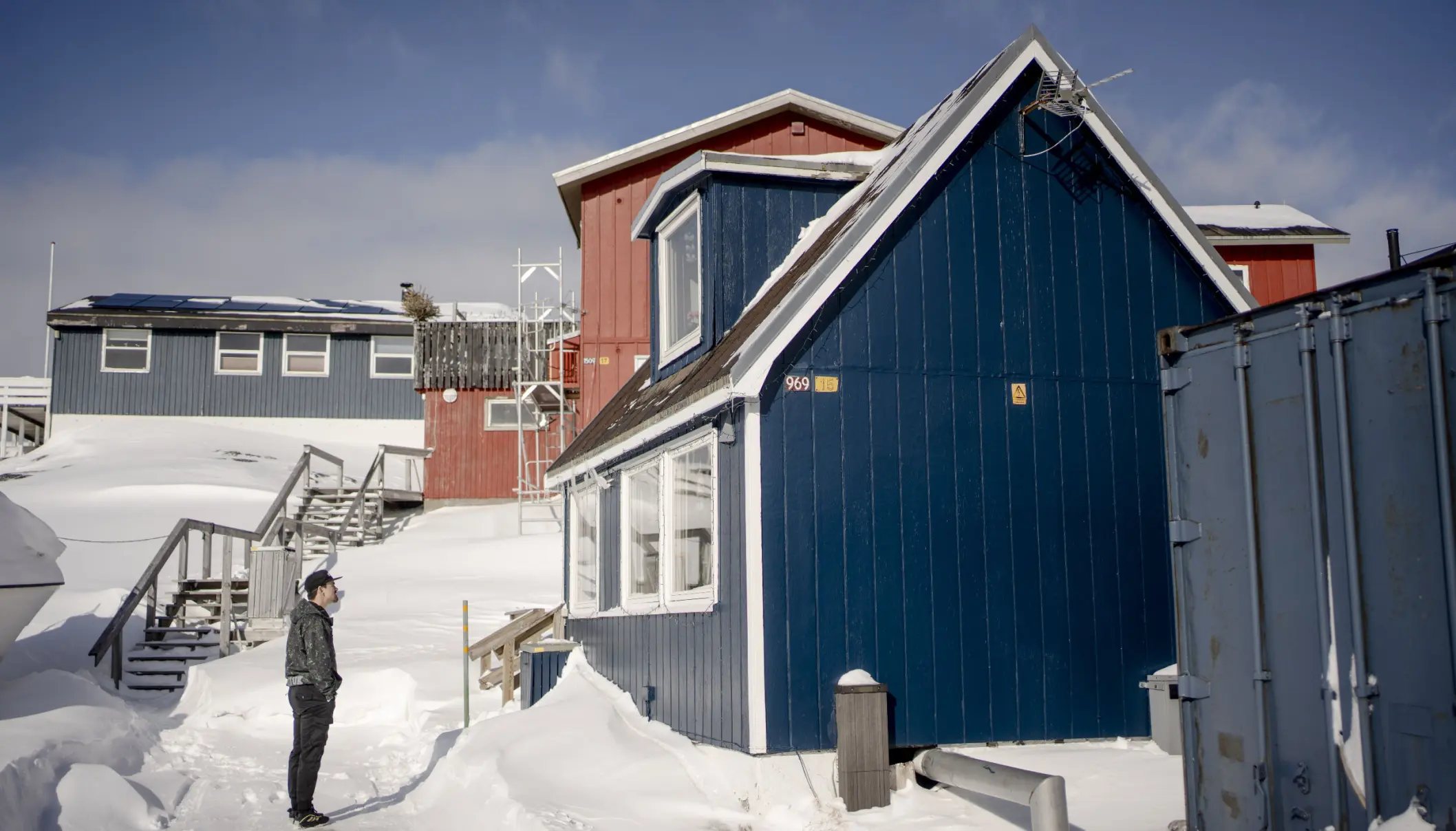
– My support worker from the municipality suddenly asked me what we did in the evening when I was there. I froze completely. I panicked. At first I lied about who raped me because I was so afraid that my cousin would kill me. He had threatened me with that so many times, says Steffen Knulst.
You would think that the revelation would be a turning point. That things would get easier from there. It doesn’t. Instead, a new kind of insecurity begins. Steffen is sent around the system, from home to home. In one year, he lives in nine different foster families. Nowhere long enough to settle in. Nowhere long enough to feel at home. And in several of the places, the insecurity becomes tangible – with both physical and psychological violence.
– Although my last foster mother was loving, her husband was not. One day, when I was a teenager and had been down at the cemetery crying by my mother's grave, he shouted for me to stop. That he was tired of seeing me pretending to miss her. It completely destroyed me, he says quietly.
Yet it is as if the connection to his mother never disappears. On the contrary, it grows in the absence and is allowed to fill the void that no one else can fill. Where relationships around him break down or hurt, the idea of her remains as something untouched. Something that does not fail.
– I miss her every day. It may sound strange, but I feel her. And I know she was good to me, he says.
It is a bond without memories. Without shared experiences. Only borne by a feeling and a longing. And perhaps that is precisely the most telling thing about his childhood: that the closest form of security is found in the relationship with a mother he lost when he was three. That what should have been the foundation instead became an absence. The rest was something he had to survive.
A light in the darkness
At the age of 21, Steffen Knulst moves out of his foster family. He moves in with a girlfriend. The relationship is neither healthy nor stable, but it is a place to be. Together they travel to Denmark, where he gets a job collecting garbage for the municipality in Horsens.
He has never received an education. There was no one to hold him back at school, no one to hold him back when things got tough. With ADHD and an upbringing marked by unrest and failure, school was almost impossible to sit in. So he takes whatever work he can get.
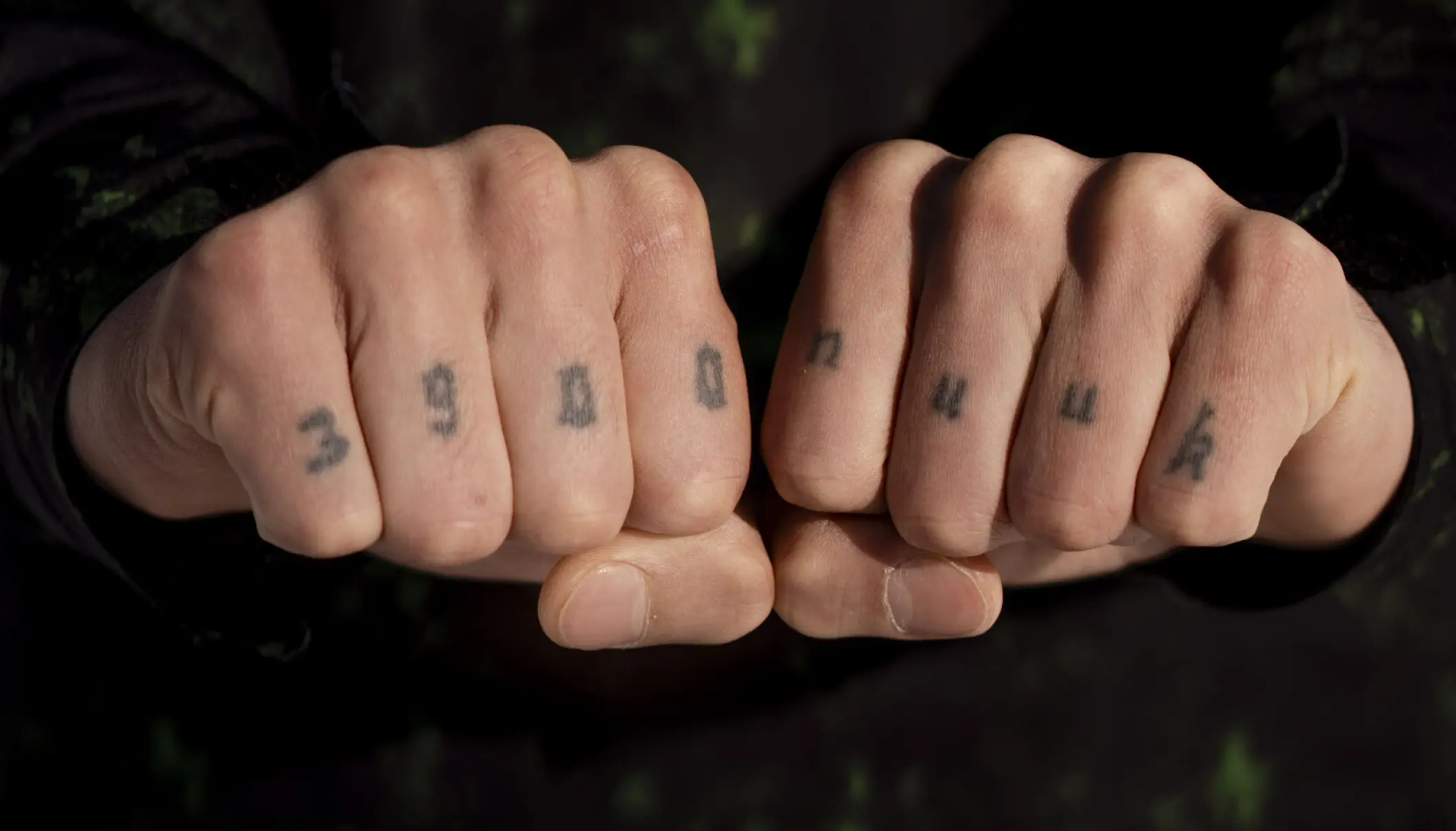
But his stay in Denmark is short. Back home in Nuuk, his grandmother and grandfather are struck by cancer. Steffen travels back. A week later, his grandfather dies. This is the beginning of another difficult period, when death once again looms close.
– Another nightmare begins. I lose four family members in two months, and several of my friends commit suicide, Steffen Knulst says melancholy.
The grief piles up. The losses are in a queue. And somewhere it has to settle.
– I escaped into hashish. I just started smoking all the time. Every day. Constantly, he says without hesitation.
He stays away from alcohol. He has seen what it does. Seen how it can dissolve people and families from the inside. But hashish becomes a way of blurring the edges. A way of being in what is otherwise unbearable.
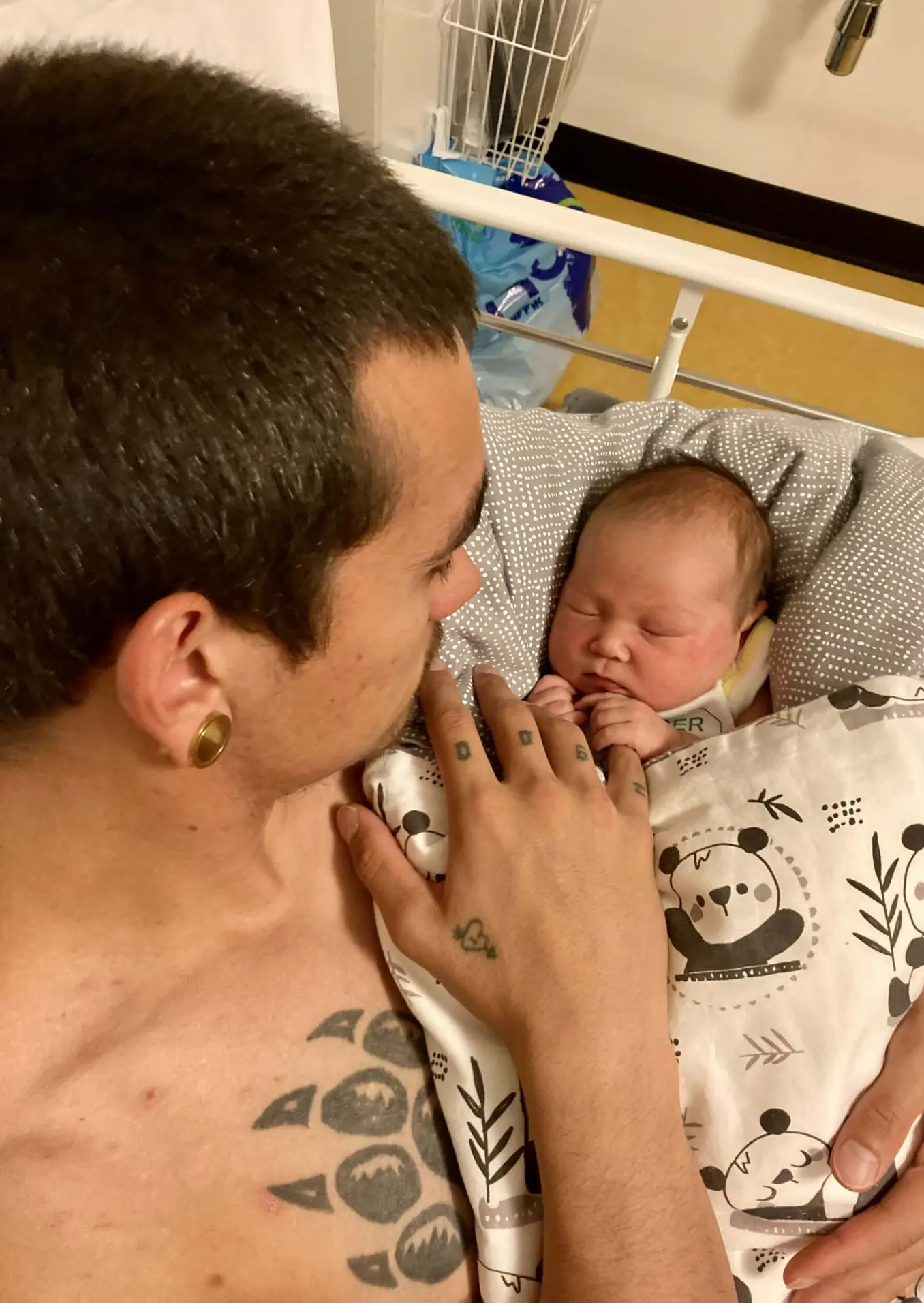
Life has long been characterized by unrest. By changing relationships that don't last. By an everyday life that slips. And then – in the middle of it all – a light comes.
His daughter. Rena is born on a beautiful September day, and although she now lives with her mother in Qasigiannguit, she becomes a permanent fixture in his life. Today she is four years old, and the conversations over FaceTime are something he does not skip.
– She means everything. When I see her on FaceTime, it releases dopamine throughout my body. It is bigger than any fix. It is the best, says Steffen and smiles.
For the first time in a long time, there is something that is not about survival. Something that pulls in a different direction.
Sport as a refuge
Steffen Knulst is very aware of his addiction. Ritalin reduces ADHD symptoms, hash makes life bearable and opens up space for laughter, but sometimes he has periods when he stops both completely.
– I have some periods when I stop taking both pills and hash. Just to feel myself and see how addicted I am. I don't want to be too addicted. Nothing good will ever come of that, Steffen Knulst says in a responsible tone, as if he knows he can't manage without it - but he won't be able to manage with it either.
During the periods without pills and smoke, his temper can be difficult to control. But fortunately, there is something that works for him. Sport. Inuit Games - the traditional Arctic sport - gives him both strength and peace. It gives him something to hold on to, something that trains his body and brain, and something that lets him feel himself in a way that no drug can.
– It was one of my best friends, who unfortunately committed suicide last year, who took me to training for the first time. That was in 2010, but it wasn't until 2014 that I got good at it, he says.
As the training gets more serious, the competitive opportunities present themselves. He performs at the Greenland Championships – he succeeds. But the national team has clear rules: you can't be under the influence.
– I tried to keep it a secret, but in the end it wasn't a secret anymore, so I was kicked out of the national team by my then coach, Kim Rosing, who was the closest thing I've ever come to a father figure, Steffen Knulst says calmly.
In 2019 he's trying again. He is taking a break from hashish and is approaching the Greenlandic records in the One-foot and Two-foot High Kick until he sets them himself in 2021.
– I started dreaming about something. I dreamed of sports results, of achieving. It was completely new to me, says Steffen Knulst.
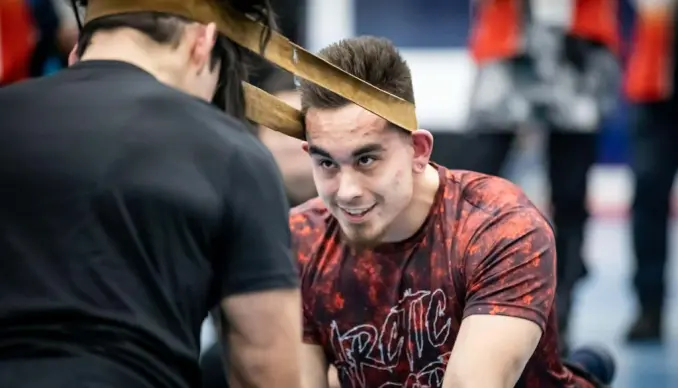
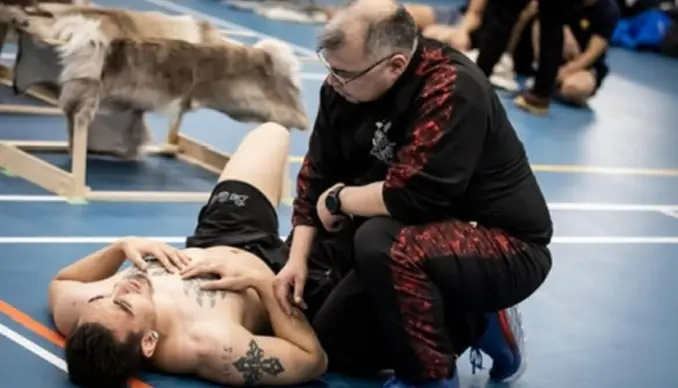
He will participate in the Arctic Winter Games twice, in 2018 and in 2023. His first AWG is a hazy experience: he smokes hashish 45 minutes before the plane takes off, and on board, coach Kim Rosing, who is also a reserve officer, sits next to him.
– I was disappointed with myself. I won bronze that year, but I wasn't proud, says Steffen Knulst.
In 2023, the story is completely different. Steffen has abstained from smoking, trained seriously, and the effort bears fruit: he wins gold for Greenland in the discipline Head Pull.
His addiction and sports career fluctuate up and down, but in the midst of the chaos, Kim Rosing is a quiet, constant point. Both as a coach and a reserve officer, he can see Steffen – all that he struggles with, and all that he can become. Perhaps that is precisely why Kim has taken a place as a kind of father figure in a life where security and stability are otherwise foreign dimensions.

Balance in life
This year, Steffen has not participated in the Arctic Winter Games. On the other hand, he has not smoked hashish in the whole of 2026. Not yet. He says it without any big gestures, almost as a statement. He doesn't think he will ever stop completely. But the breaks do something to him. They give him space. He trains more seriously now. Finds his body back, his rhythm. And although life still moves between darkness and light, he is no longer where the darkness is all-consuming.
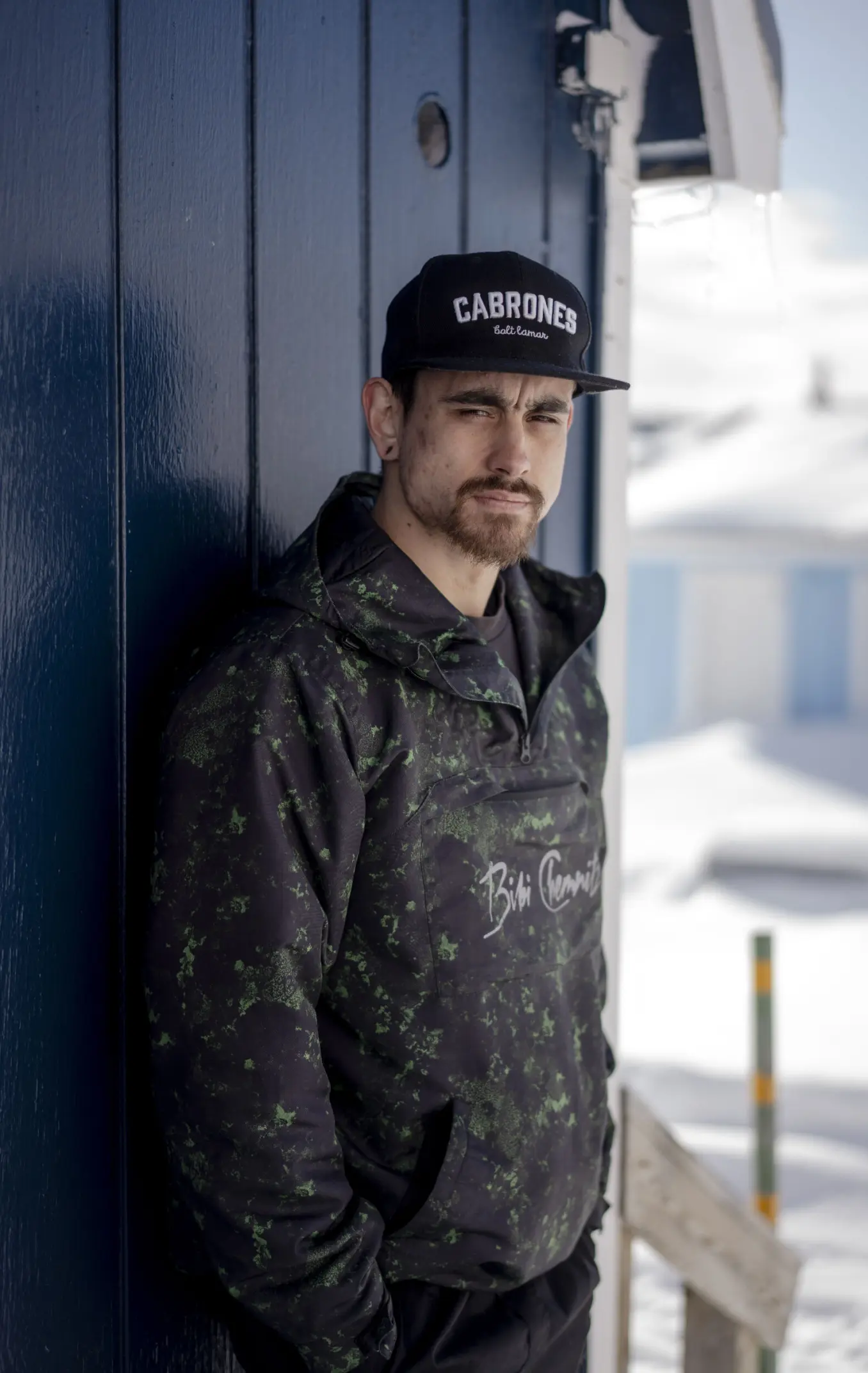
– I have tried to commit suicide seven times. Three times I have almost succeeded, but never quite. Steffen says it without drama. As part of the story, and continues:
– It's been twelve years since the last time. I don't want to have thoughts like that anymore. I have a daughter, and I have a girlfriend who I feel good with. And I know that I am loved – in one way or another. That must be enough, he says.
There is no big answer in it. No redemption that brings it all together. Just a realization.
– Life is a bit of a balance. I must not be too happy, but not too sad either. It can be difficult, he says with a weight in his voice.
Maybe that is exactly where he stands now. Not free from what has been. Not finished with the fight. But somewhere in between.
Abonnementer
Sermitsiaq.gl - web artikler
- Adgang til alle artikler på Sermitsiaq.gl
- Pr. måned kr. 59.00
- Pr. år kr. 650.00
Sermitsiaq - E-avis
- Adgang til Sermitsiaq e-avis som udkommer hver fredag
- Adgang til alle artikler på Sermitsiaq.gl
- Pris pr. måned kr. 191
- Pris pr. år kr. 1.677
AG - Atuagagdliutit E-avis
- Adgang til AG - Atuagagdliutit e-avis som udkommer hver onsdag
- Adgang til alle artikler på Sermitsiaq.gl
- Pris pr. måned kr. 191
- Pris pr. år kr. 1.677
Sermitsiaq.AG+
- Adgang til AG - Atuagagdliutit e-avis som udkommer hver onsdag
- Adgang til Sermitsiaq e-avis som udkommer hver fredag
- Adgang til alle artikler på Sermitsiaq.gl
- Adgang til Arnanut e-magasin
- Adgang til Nutserisoq.gl
- Ved interesse send en mail til abonnement@sermitsiaq.gl
Kære Læser, Velkommen til Sermitsiaq.gl – din kilde til nyheder og kritisk journalistik fra Grønland. For at kunne fortsætte vores vigtige arbejde med at fremme den frie presse og levere dybdegående, kritisk journalistik, har vi indført betaling for udvalgte artikler. Dette tiltag hjælper os med at sikre kvaliteten af vores indhold og støtte vores dygtige journalister i deres arbejde med at bringe de vigtigste historier frem i lyset. Du kan få adgang til betalingsartiklerne fra kun kr. 59,- pr. måned. Det er nemt og enkelt at købe adgang – klik nedenfor for at komme i gang og få fuld adgang til vores eksklusive indhold. Tak for din forståelse og støtte. Dit bidrag hjælper os med at fortsætte vores mission om at levere uafhængig og kritisk journalistik til Grønland.