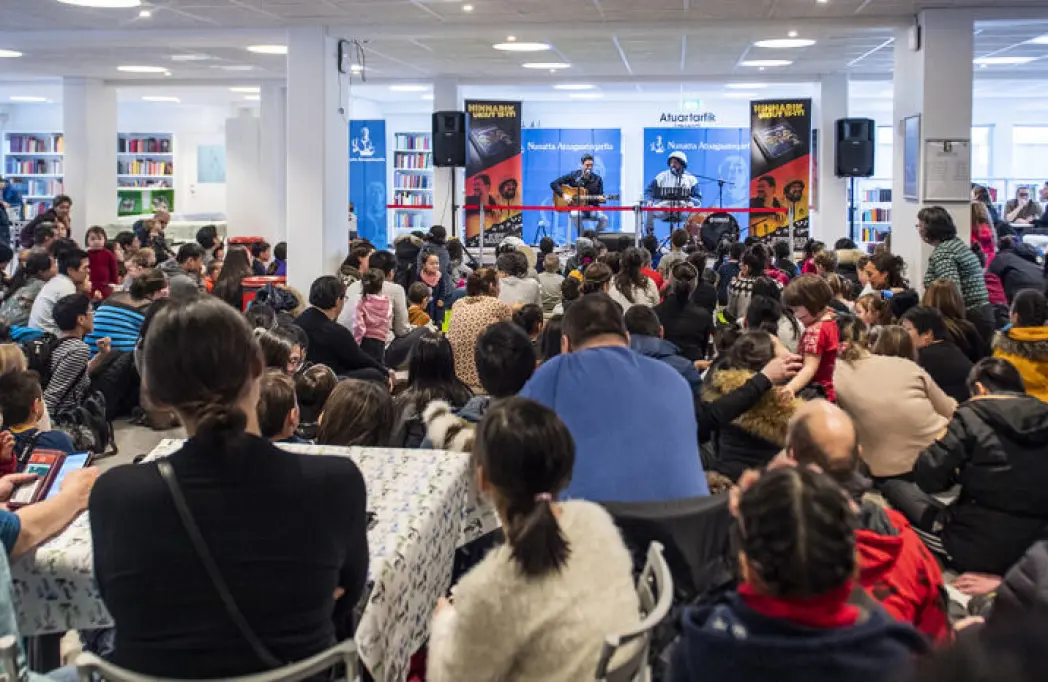
When the snow crunches under your boots and darkness falls over Nuuk, something special begins to awaken. Doors open, light pours out – and the Culture Night is underway.
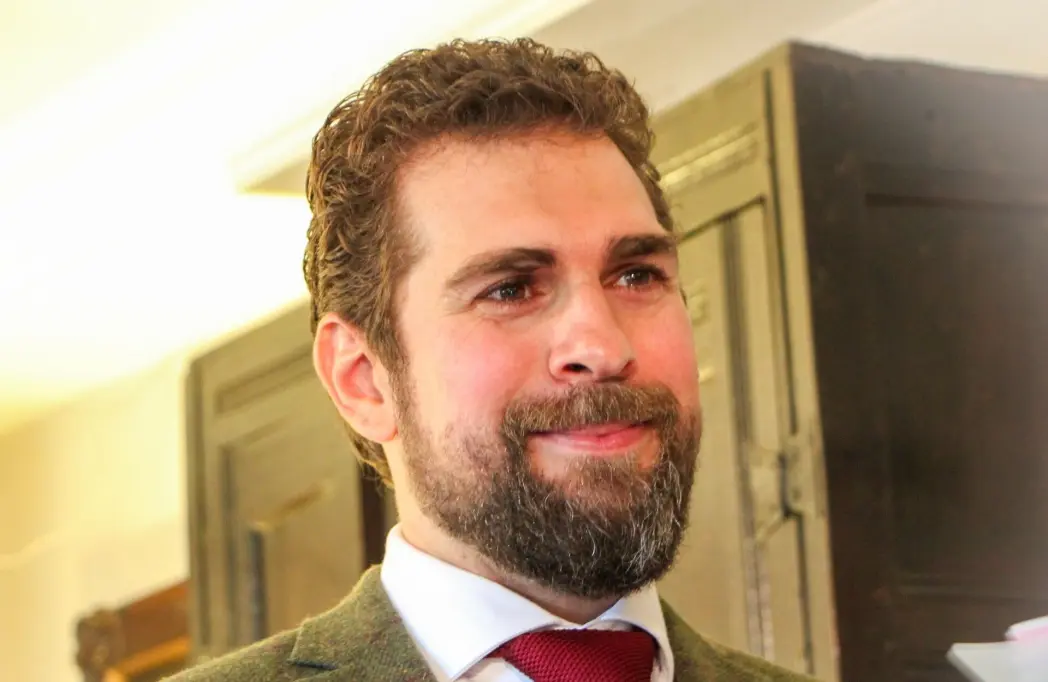
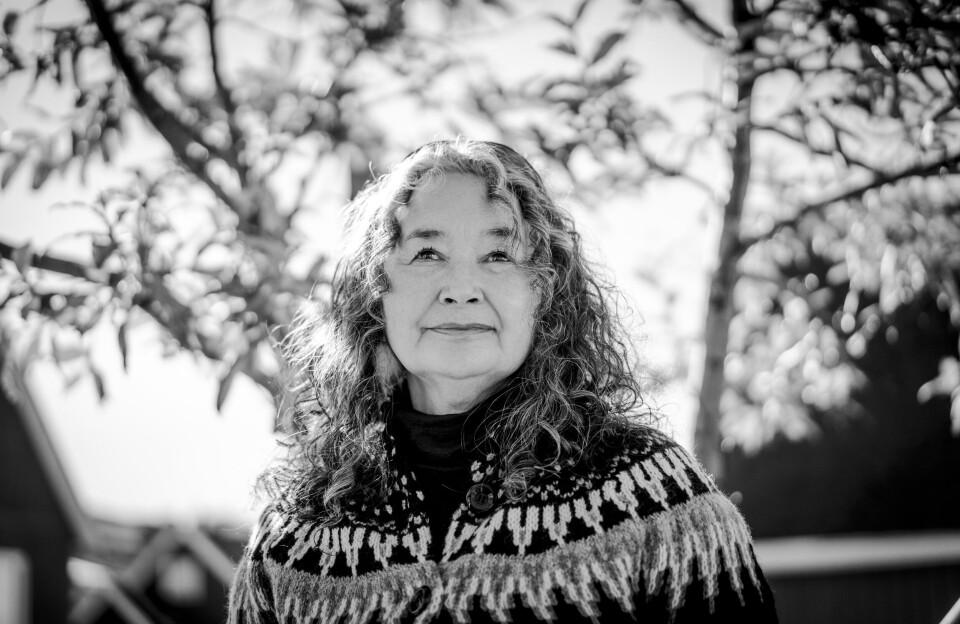
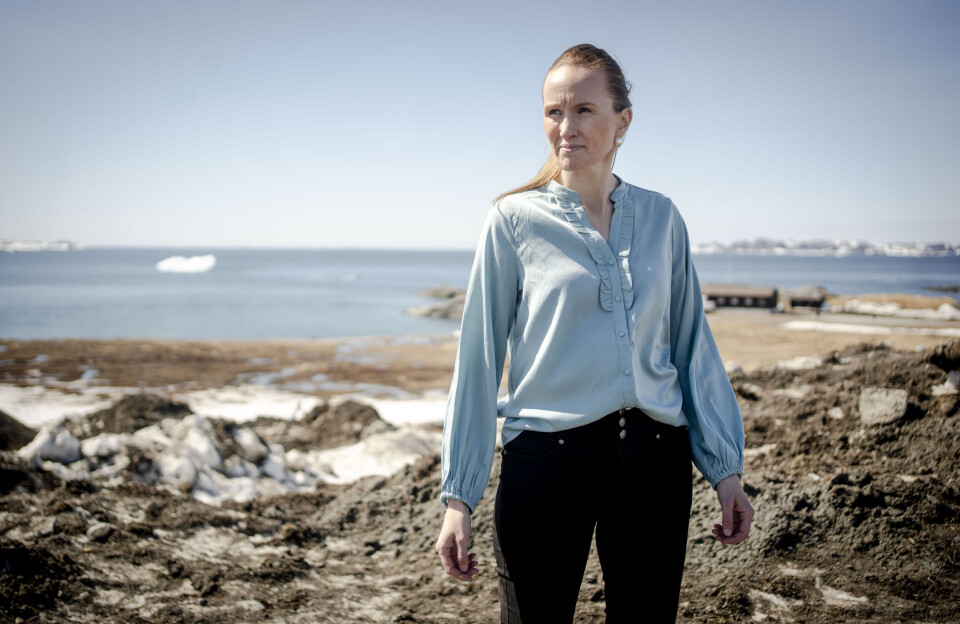
“It all actually started as a conversation over a table at Nunatta Atuagaateqarfia/the national library,” says library director Elisa Petersen, who has been the head of coordination since the start of the Culture Night. She continues:
“There was curiosity and a desire to try something that brought the whole city together. No one had any idea how big it would become.”
The Culture Night began as an experiment in 2001, inspired by discussions – but it quickly developed into a celebration of the Culture Night in the long month of January, where culture, community and warmth contrast with the long darkness of the season.

From Nuuk to the whole country
Since the first Culture Night, some of the cities and settlements have already participated, with more and more participants over the years.
"It really means a lot that cities and towns are embracing it. It shows that cultural understanding and community don't just exist in one place, but all over the country."
Nunatta Atuagaateqarfia/the National Library has been the driving force behind the coordination throughout the years, and for many citizens the library is still the natural place to get information. Here, layer cakes, buns, sausage rolls and flowers are offered on the tables – a small sign of hospitality that has become a tradition in itself.
Shared experiences
Since the beginning, Culture Night has been characterized by its ability to create visibility in the streets.
In the early years, the library handed out torches to the organizers – a bright sign that something special was happening here. In 2004, a torchlight procession was organized for the first time from Hans Egede Church to Inussivik, where the remains of the fireworks from the Arctic Winter Games were set off as a festive finale.
“It gave the feeling that the whole city was moving together,” says library director Elisa Petersen. “It was magical.”
Digital development – and growing support
In 2002, Kulturnatten received its first website as a gift from Tele Greenland, and in 2014, both a new website and app were added. Digitalization gave the event a boost and made it easier for citizens and institutions to find each other. Now the website kulturnat.gl is available for everyone in Greenland to use. This year, Nunatta Atuagaateqarfia changed the creation of a program to kulturnat.gl, where information must be sent as an email to Kulturnat@katak.gl.
Praised by politicians – supported by citizens
Over the years, the Culture Night has had solid political support. Former mayors such as Agnetha Davidsen and Nikolaj Heinrich – and later Asii Chemnitz Narup – have regularly given speeches and supported the event. In 2015, Elisa Jerimiassen received the Kommuneqarfik Sermersooq initiative award for her efforts as one of the central driving forces behind the Culture Night.
But according to Elisa Petersen, the real strength of the cultural night is not political, but popular:
"It is the citizens, the associations and the public and private companies who carry the Culture Night. It is the families, the children, the elderly – those who go from place to place and discover something new every year. That is where the magic lies."
Even after many years of development, the basic idea remains the same:
“The Culture Night is about opening the doors,” says Elisa Petersen. “It’s about showing who we are as cultural institutions – but also about meeting across borders.”
She smiles: “When I see children with red cheeks running around with teddy bears who have been to the doctor and the dentist, or when a family discovers a new place they have never visited before… then I know why we do it.”