Nerisassat suliareqqissaakkat sorpiaanersut pillugit anersaanissimaartumik oqallittoqarpoq.
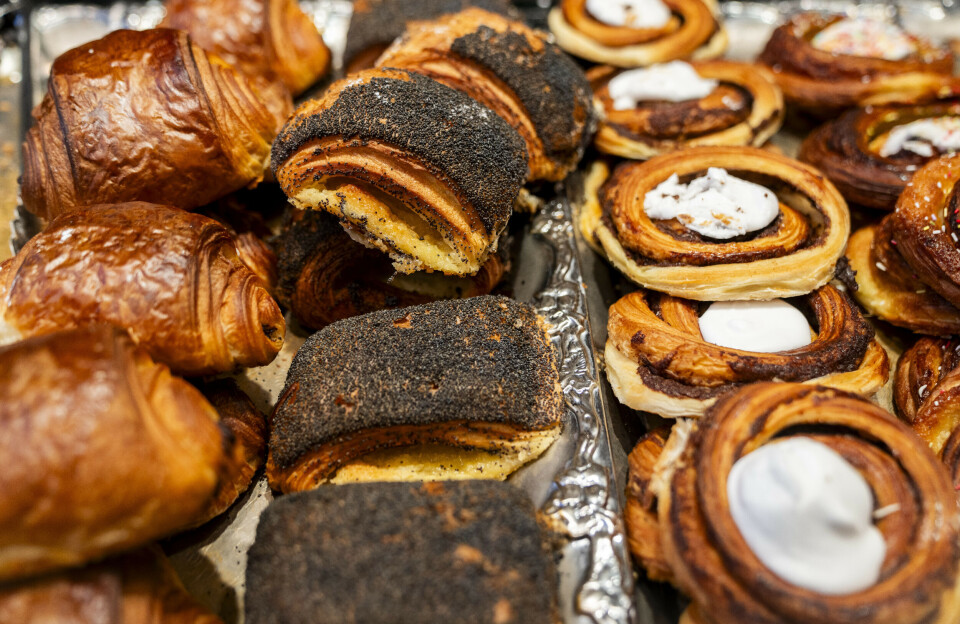
Nerisassat suliareqqissaakkat inuussutissanik sequtseqqissaakkanik akuutissarpassuarnillu soorlu kinersaatinik, sukkunik aanaveersaatinillu ulikkaarput. Timiusiarli aserorterneqanngitsunik karrertalik niuertarfimmi pisiaq jogurtilu tungusunnittoq imaluunniit puulukip neqaa aanaveersaaserlugu uutaq? Tamakku ilumut peqqinnanngillat?
Nerisassalli suliareqqissaakkat aamma allatut isigineqarsinnaapput: Suliareqqissaarnerannut siunertaq.
Inuussutissanik tunisassiortut akuutissat suliareqqissaarinerlu siunertarpassuarnut atorsinnaavaat, soorlu nerisassat isumannaatsuutinniarlugit, nerisassanik eqqaaneq annikillisarniarlugu imaluunniit inuussutissanik pilersuineq qulakkeerniarlugu. Allami aamma isiginiarneqartarpoq: Iluanaarutissat.
Niuertarfinni ikinngeqisuni nerisassat ikigisassaanngitsut inuussutissanik tunisassiornermi suliffeqarfissuarnit – arlalitsigut nunanit tamalaaneersunit - tunisassiarineqartarput, iluanaarnissaq peqqinnassutsimit salliutinneqarluni, Tuluit Nunaanni sapaatit akunnikkaartumik nakorsat ilisimatuussutsikkut atuagassiaani The Lancetimi ungasinngitsukkut saqqummersinneqaqqammersumi allaaserisami pingaartitami allassimasoq naapertorlugu.
Suliffeqarfiit nerisassanik tuniniaruminarnerpaasunik tunisassiorusupput. Tamanna tunisassianik immikkuullarilluinnartunik piorsaanermi siunertaasimavoq:
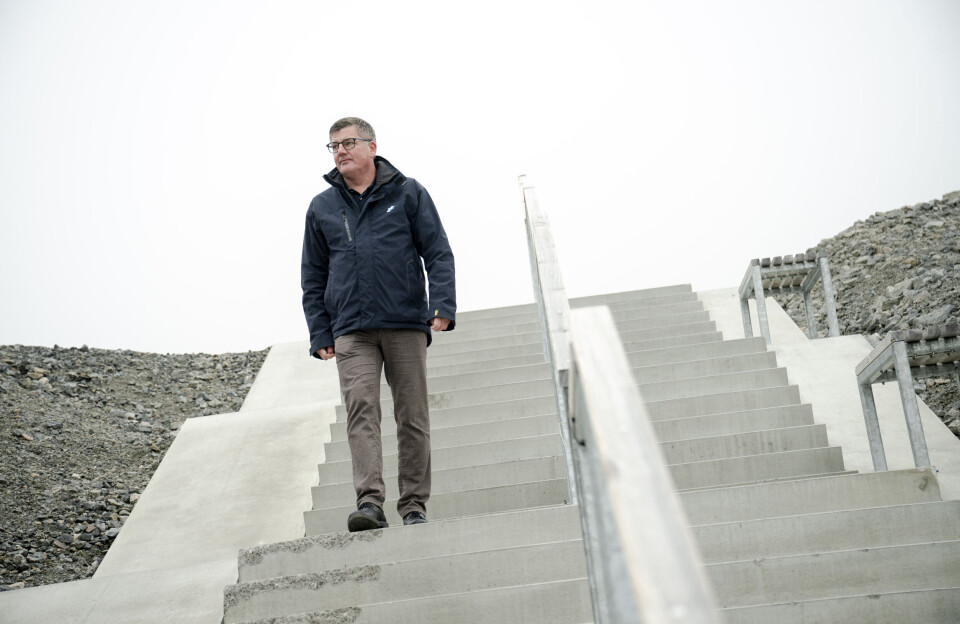
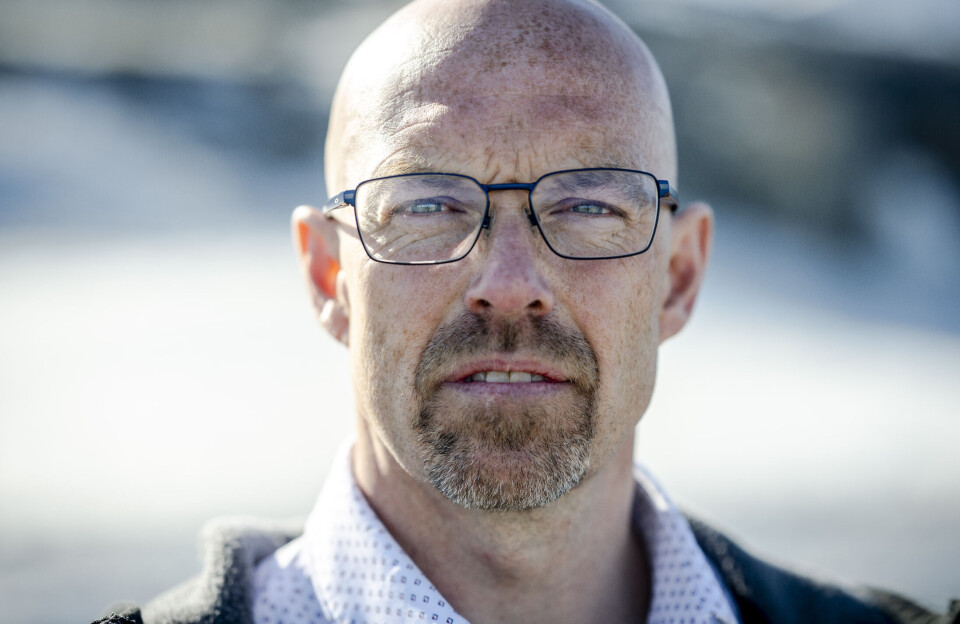
- Inuussutissat tunisassiassanit akikitsuneersut – soorlu qajuusat sequtseqqissaakkat, majsit, sukkut uulialu – akuutissarpassuarnik akullugit, mamarluarnissaat qanorlu ittuunissaat siunertaralugu, Bergenip ilisimatusarfiani ilisimatusartoq Simon Dankel oqarpoq.
Tunisassianik suliareqqissaakkanik neriunnaaruminaatsunik illinnartunik tunaartaqarluni piorsaasoqarlunilu ussassaarisoqartarpoq.
Nerisassat ingasaallugit nerineqartussasut pilersitat
Nerisassat taamaattut arlalitsigut tamuajuminarlutillu arrortikkuminartarput, nerisassiaaqqaartup qanoq sananeqaateqarnera tamakkiisumik sequminneqarsimasarmat. Nalinginnaasumik tunisassiat annikitsumik imertaqartarput aanaveersaaserneqarlutillu, sivisuumik assartorneqareerlutik niuertarfiit ilisiviinut annginnissaminnut atasinnaaqqullugit.
- Tamanna suliffeqarfinnut iluanaarnartupilussuuvoq, Simon Dankel oqarpoq.
Ajornartorsiutaavoq iluanaarnartua atuinerunissatsinnik tunngaveqarmat, atorfissaqartinngikkaluarlugu.
- Suliarinninnerat aningaasannanniutitut atorneqalersimavoq, atuisulerngusaannermilu ajugaanissamut, kinguneraali inuit nukissanik nerinerujussuat timillu inuussutissanik pisariaqartitsineranut annikippallaartumik, Simon Dankel oqarpoq.
Qarasaq malinnaanngitsoq
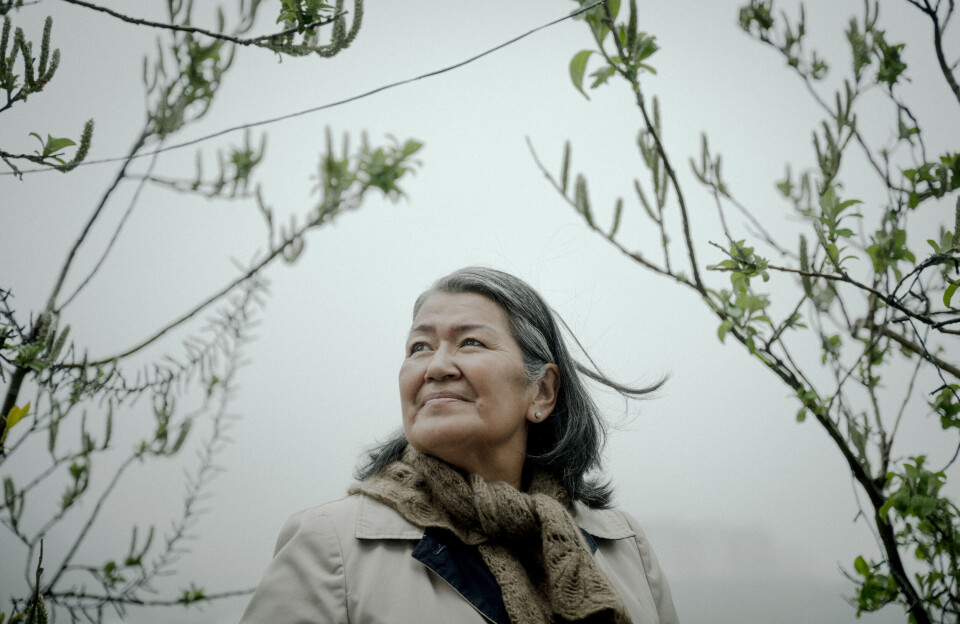
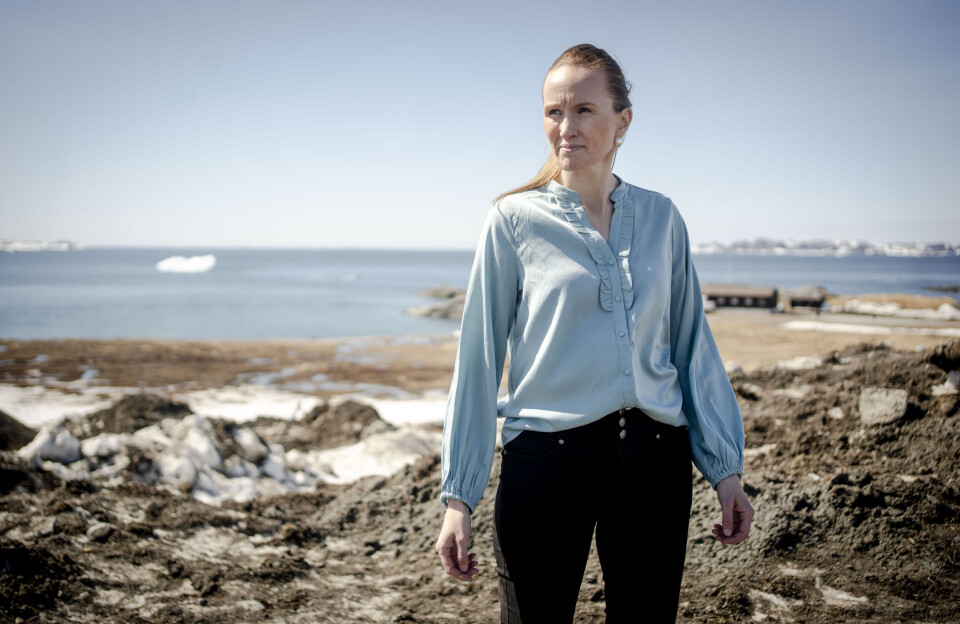
Tine Sundfør inuussutissalerinermi inuussutissanut p.hd-isoq isumaqarpoq, tamanna ajornartorsiut annertuallaalersimasoq.
- Niuerfimmi kapitalisme ataasiinnarmik anguniagaqarpoq: nioqqutissanik amerlanerusunik tunisaqarnissaq tunisassiortullu nammineq tunisassiaanik amerlanerusunik.
Tamanna atuivallaarnissamut nukiuvoq annertooq, oqarpoq.
Inuussutissanik tunisassiortut nukippassuarnik atuillutik tunisassianik illinnarnerujartuinnartunik piorsaallutillu ussassaaripput. Tamattalu pisaritinnaveersaartussaavugut – sananeqaatitsinnut akerliusumik.
- Qarasaq malinnaasimanngilaq, Tine Sundfør oqarpoq.
Inuit ineriartorneranni nerisassanik annertuumik nukissartalinnik nassaarneq iluaqutaavoq. Sananeqaatitsinni kulhydratinik pissarsipallannissarput nukittuupilussuuvoq, ingammik aamma orsortaqartillugu. Nerisassarlu taanna nerigaangatsigu, qarasarput akissarsitinneqartarpoq iluarusunnartoqarneratigut.
- Taamaaliornikkut qarasaq attaveqarfigiuminartarpoq ussernartorsiortillugulu, Tine Sundfør oqarpoq.
- Naak quliugaangatta arfineq marluk oqartaraluartut peqqinnarnerusunik nererusulluta, taamaattoq niuertarfiliartarpugut nerisassanillu peqqinnanngitsunik pisilluta.
Tassaniipporlu tunisinerunissamut periarfissarujussuaq.
- Peqqinnartunik inuit pisivallaarneq ajorput. Iipilit amerlinissaannik ussernartorsiorneq ajorpugut, Tine Sundfør oqarpoq.
Timip aqutsinera tusaanngitsuusaarneqarsinnaavoq
Tamatuma saniatigut periarfissaqarpoq nerisassat nutaat atorlugit timip aqutsinerata paatsuungatinnissaannut, Simon Dankel oqarpoq. Timi inuussutissanik nerinissamut imaannaanngitsumik aqutseriaaseqarpoq. Tamuanermiit sukkasuumik iisilluta, nerisassap qanoq arrortinnissaanut timimillu anngutsillugu, tassaapput qaratsap kaannermik qaarsillannermillu misigisimanermut aqutsinera.
- Nerisassalli tamakkiisut suliarinissaannut ilusilerneqarsimavugut, Simon Dankel oqarpoq.
- Ullumikkut nerisassat suliarineqariaasaat uunga killissimavoq timip aqutseriaasia illuartissinnaallutigu.

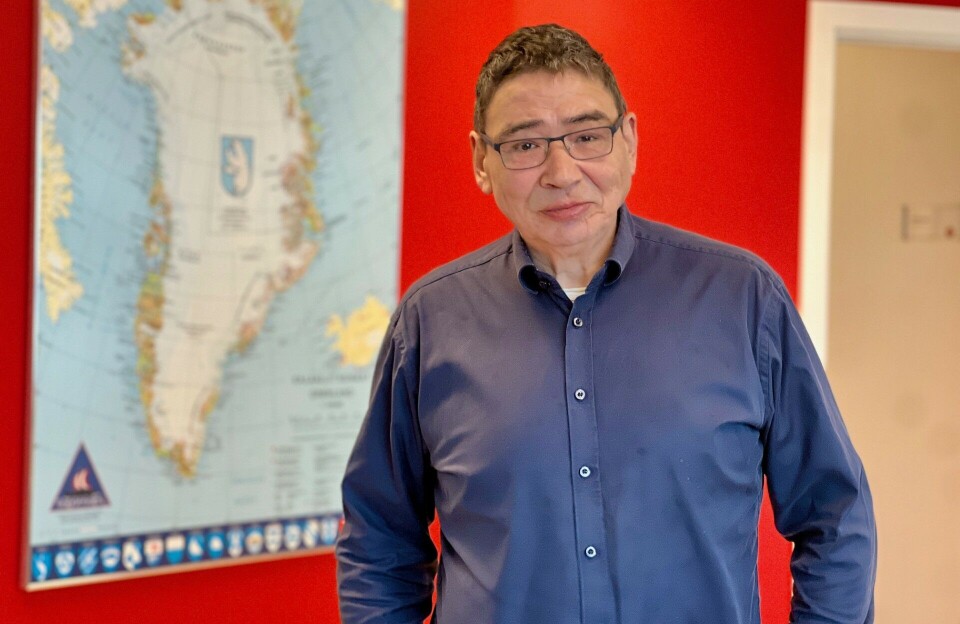
Nunarsuarmi inuiaqatigiippassuarni suliffissuarnit nerisassat suliareqqissaarneqarsimasut maanna aamma ileqquusunik nerisassat soorlu paarnat, naatitat, karrit iluitsut, neqi aalisakkat imminnit tunisassiat tunngaviusut ingiarneqarsimalerput. Tamanna NOVA-mut aaqqissuussinermi ilisimatuunit Brasiliamiunit piorsarneqarsimasumi aallaaviuvoq. Misissorusussimavaat inuussutissat suliffissuarni tunisassiat salliutinneqaleraangata susoqartarnersoq. Nalorninarporli periuseq taamaattoq inuussutissanik suliffissuarni tunisassianik ajornartorsiutaasunik paasiniaanermi atussallugu pitsaanerpaajunersoq, Paula Varela-Tomasco Norgemi ilisimatusarfimmi naalagaaffimmit pigineqartumi Nofimami nammineq nerisassanik suliareqqissaakkanik misissuisoq isumaqarpoq.
Immaqa periutsimik nutaamik atorfissaqartitsisoqarpoq
- Inuussutissat suliareqqissaakkat tamarmik peqqinnanngitsuunngillat, tunisassialli peqqinnanngitsut amerlanerpaat tunisassiaapput suliareqqissaakkat, Paula Varela-Tomasco allappoq.
Periuseq suliareqqissaarinermik inuussutissanillu imaqarnermut tunngasoq immaqa pitsaanerusinnaavoq tunisassiat taamaattut immikkoortinniarneranni, isumaqarpoq.
- Inuussutissat suliareqqissaakkat (UPF) tamarmik peqqigunnaarnermut assigiimmik attuumassuteqanngillat.
- Ilisimatusarnerusariaqarpugut iternga tikillugu assigiinngissutaat paasiniarlugu, peqqutaasut paasillugit, qanoq pissuseqarnersut tunisassiallu pingaarnerpaat suunersut – ingammik Norgemi nereriaatsimut atatillugu, allappoq.
Naak ilisimasanik amigaateqartoqaraluartoq Simon Dankel Tine Sundførilu isumaqarput, naammattumik ilisimatusartoqarsimasoq oqassalluni inuussutissat annertuumik suliareqqissaakkat peqqissutsimut pitsaasuunngitsut.
- Soorunami qanoq pisoqartarnera tamaat paasisaqarfigisariaqarparput, Simon Dankel oqarpoq.
Assersuutigalugu ilisimatusaatigineqarsimasut assersuunneqarsinnaapput paasiniarlugu tunisassiat ataasiakkat assigiinngitsumik suliareqqissaakkat qanoq peqqissuseq arrortitsinerlu sunnertarneraat qanorlu sukkatigisumik kiisalu qanoq annertutigisumik nerigaangatta. Nalorninanili ilisimasaqarneq imaassinnaavoq periarfissaanngitsoq, Simon Dankel isumaqarpoq.
Inuussutissanik misissuinermi ilisimatusarnissamut nukissat killeqaqaat, maannakkullu atortussat, suleriaatsit tunisassiallu annertussusaat nammineq oqaluttuarpoq piffissaq qanoq sivisutigisoq atorneqassanersoq tulleriiaarnertaqanngitsumik nakkutigineqartumillu suut tamaasa misilerarnissaannut.
Taamatut ilsimatusarnermi imaanngilaq ilumut inuussutissat tamakkiisut sunniutaannut pitsaasunik akissutisisoqassasoq, Simon Dankel oqarpoq.
- Imaassinnaavoq tunisassianik ataasiakkaanik misissuisoqarsinnaasoq inuussutissat suliareqqissaakkat kiisalu inuussutissat annikitsuaqqamik suliarineqartut akornanni annikitsuararsuarmik assigiinngitsoqartoq. Piffissamili sivisuumi tunisassiat suliareqqissaakkat arlalissuit sunniutaasut katikkaanni sunniutaat annertuupiluusinnaavoq.
Akullersuarmi nerisassat aamma kipiluttunarsinnaasut
Simon Dankelip paasisinnaavaa oqaaseq inuussutissat suliareqqissaakkat apeqquserneqarsimassappat.
- Nerisassat suliareqqissaakkat isumaat pingaartoq imaanngilaq inuussutissartaannut tunngatinneqartoq, suliareqqissaarnerannili siunertaq. Isumaqarpunga tamanna ilisimatusartorpassuit akueriumanngikkaat, mikisualuttai misissorumanerugamikkit.
Isumaqarporli inuussutissat suliareqqissaakkat sorpiaanersut pillugit paatsuunganeq arlaatigut immikkuullarissuunngitsoq.
- Peqqissutsimut oqartussaasut assersuutigalugu inassutigaat neqimik aapasumik nerineq killilersimaarneqassasoq, piniagassanilli neqip tinguaqqallu peqqissutsimut sunniutaat ilisimatusaatigineqarsimanngillat, Simon Dankel oqarpoq.
Innersuukkumasarpaat akullersuarmi inuusut nerisaat, naak iluamik nassuiarneqarsimanngikkaluartoq inuussutissat taamaattut suunersut suunnginnersullu.
Imaluunniit ilisimasat nerisassani akuutissat assigiinngitsorpassuit qanoq timimut sunniuteqarnersut. Amerlanerimmi isumaqatigaat ataatsimut isiginninneq apeqqutaasoq, taamatullu nereriaaseqarneq peqqissutsimut iluaqutaasoq.
Norgemi peqqissutsimut isumaginninnermullu ministereqarfimmi allattaanerup Usman Ahmad Mushtaqip inuussutissanik suliareqqissaakkanik ilisimatusarneruniarneq ilassilluarpaa.
- Ullumikkut inuiaqatigiiuvugut inuppassuarnut puallarnerunissamut sunniuteqartut. Ilungersunartunut taamaattunut qanoq iliuuseqarsinnaanermut ilisimasaqarnerusariaqarpugut, mikisualuttaannaannik ilisimatusarnermiit, allappoq.
Isumaqarportaaq ataatsikkut arlalinnik isumaliuteqarsinnaasariaqartugut. Inuussutissat suliareqqissaakkat tamarmik peqqinnanngitsuunngillat.
- Nunarsuarmi peqqissutsimut suliniaqatigiiffik sulilereersimavoq paasiniarlugu inuussutissat suliareqqissaakkat sorpiaanersut. WHO ataatsimeeqatigisimavarput, Peqqissutsimullu aqutsisoqarfiup suliaq taanna malinnaavigeqqissaarpaa.
Ilisimasat naammattut
- Isumaqarpunga iliuuseqarnissatsinnut naammattunik ilisimasaqartugut, Simon Dankel oqarpoq.
Tine Sundførituulli isumaqarpoq susassaqartut isumaqatigiinnerujussuusut kissatsissimaartumik oqallinnermi takusaniit.
- Uagut inuussutissanut tunngasunik suliaqartuusugut kakkannerusariaqarpugut isumaqatigiissutigisavut tunngavigalugit suleqatigiinnissatsinnut, Tine Sundfør oqarpoq.
- Tassalu mamakujuit, tamulugassat, sodavandit allallu imeruersaatit sukkoqartut, kaagit kaageeqqallu niuertarfimmeersut killilersimaarnissaat, kiisalu neqimik tunisassiat suliareqqitat soorlu pølsit, burgerit baconilu.
- Nioqqutissat taakku tamarmik nerisassanut innersuussinerni annikillinissaat kaammattuutaareerpoq, taamaattumik nerineqartussatut innersuussat isiginiarneqartariaqarput, Tine Sundfør oqarpoq.
Ilisimatuut marluk isumaqarput iliuuseqarnissamut piffissanngortoq.
- Nerisassat toqqaannartumik peqqissutsitsinnut sunniuteqartarput, taamaattumillu tunisassiortunut piumasaqaatit sukannernerusariaqarput, Simon Dankel naggasiivoq.
Abonnementer
Sermitsiaq.gl – Nittartagaq
- Sermitsiaq.gl-imi allaaserisat tamakkiisumik atuarsinnaalissavatit
- Qaammammut kr. 59.00
- Ukiumut kr. 650.00
Sermitsiaq - E-aviisi
- Sermitsiaq e-aviisitut tallimanngornerit tamaasa saqqummersartoq atuarsinnaalissavat
- Sermitsiaq.gl-imi allaaserisat tamakkiisumik atuarsinnaanngussavatit
- Qaammammut kr. 191
- Ukiumut kr. 1.677
AG - Atuagagdliutit E-aviisi
- Aviisi AG - Atuagagdliutit e-aviisitut pingasunngornerit tamaasa saqqummersartoq atuarsinnaalissavat
- Sermitsiaq.gl-mi allaaserisat tamakkiisumik atuarsinnaanngussavatit
- Qaammammut kr. 191
- Ukiumut kr. 1.677
Sermitsiaq.AG+
- Aviisi AG - Atuagagdliutit e-aviisitut pingasunngornerit tamaasa saqqummersartoq atuarsinnaalissavat
- Sermitsiaq e-aviisitut tallimanngornerit tamaasa saqqummersartoq atuarsinnaalissavat
- Sermitsiaq.gl-imi allaaserisat tamakkiisumik iserfigisinnaalissavatit
- Arnanut e-magasinatut atuarsinnaalissavat
- Nutserisoq.gl atorsinnaanngussavat
- Soqutiginnikkuit abonnement@sermitsiaq.gl-imut allagaqarsinnaavutit
Asasarput atuartartoq, Sermitsiaq.gl-imut – Kalaallit Nunaanni nutaarsiassanik isornartorsiuisumillu tusagassiornermik saqqummiussiffimmut – tikilluarit. Kiffaanngissuseqarluni tusagassiornerup siuarsarneqarneranik suliniuteqartuarsinnaajumalluta, itisiliillutalu isornartorsiuilluta tusagassiortuarsinnaajumalluta, allaaserisat aalajangersimasut akeqalersippavut. Tamanna iluaqutigalugu allaaserisat pitsaassusaat qulakkeersinnaavarput, tusagassiortuttalu pikkorissut oqaluttuanik pingaarnerpaanik saqqummiussinissaannut tapersersorsinnaavavut. Allaaserisat akillit qaammammut taamaallaat 59 koruuninit akeqarput. Pisineq ajornanngitsuararsuuvoq – ataaniittoq toorlugu saqqummiussavut tamakkiisumik iserfigisalersinnaavatit. Paasinninnerit tapersersuinerillu qujamasuutigaavut. Pituttorsimanngitsumik isornartorsiuisumillu Kalaallit Nunaannut tusagassiortarnissamik suliniuteqartuarnissamut akiliutivit ikiorpaatigut.