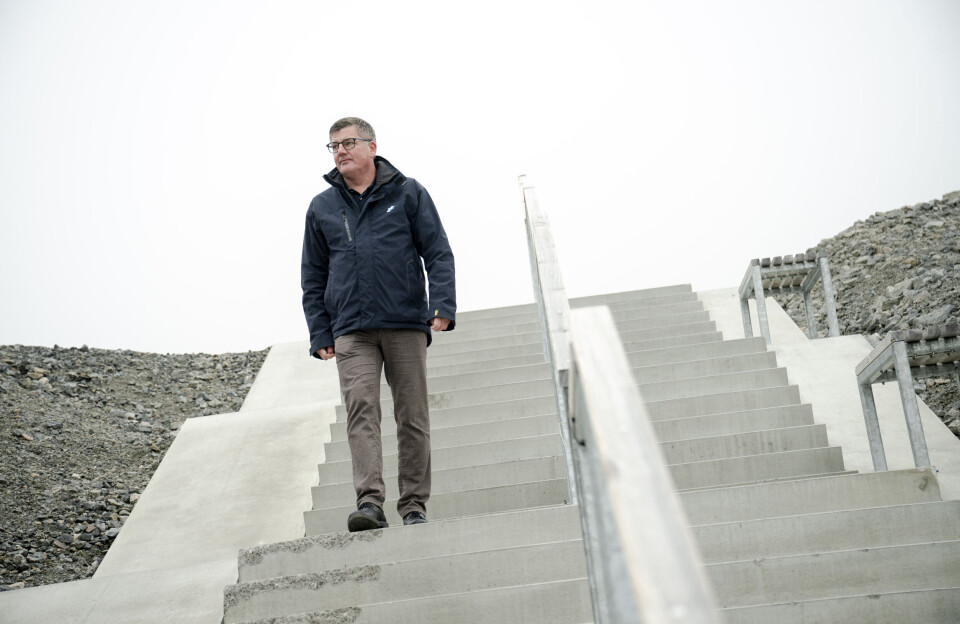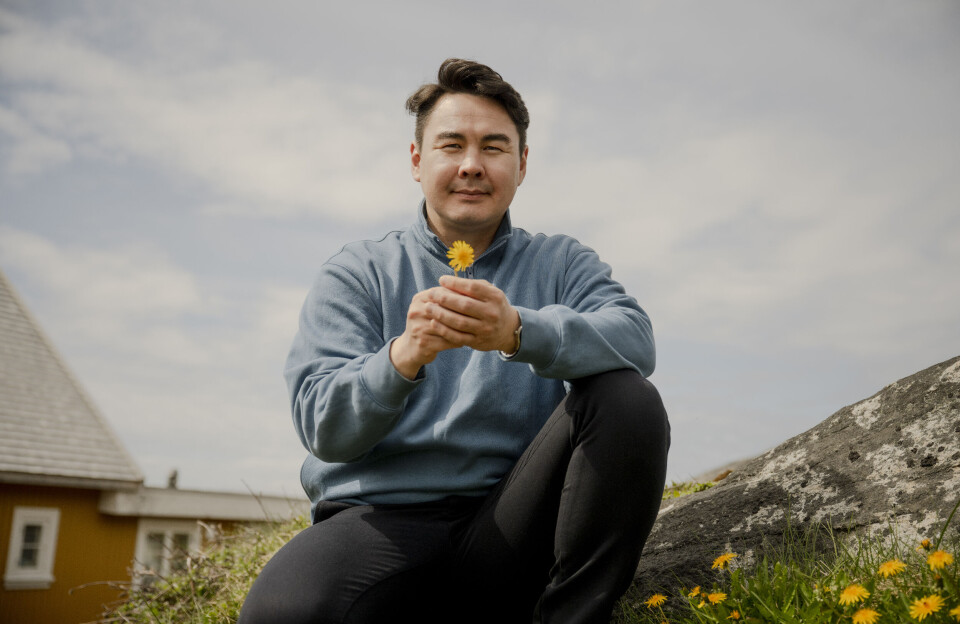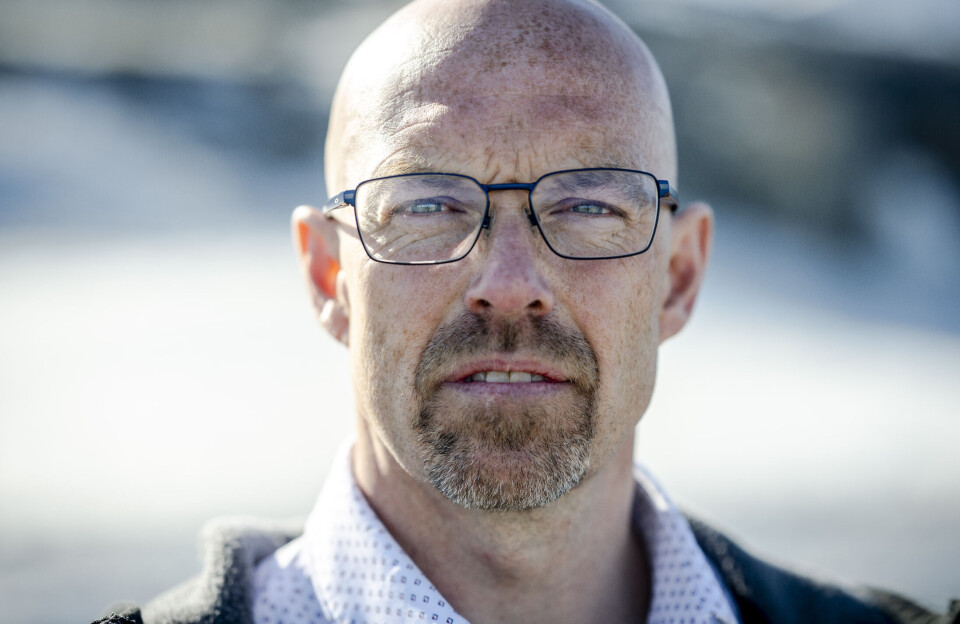
Ilulissani inissiarsuarni qaqortuni, Kunuunnguaq Ejnar Hammond Iversenip meeraanermini najugaqarfiani, fiistattoqakkajuttarpoq. 80-ikkut taamaapput.
- 80-ikkut pissusaat attanneqarput, nuannaarneqartarluni, pikkunartunik nujaqartoqartarluni misigissutsillu annertuut imigassamik sakkortusarneqartarfianni. Taamaariarluni uivernersuaqartoqartarpoq.
Kunuunnguaq Iversen oqaluttuarnermini qungujuppoq. Ullumikkut 42-nik ukioqarpoq.
Meeraanermini angerlarsimaffini uivertut avatangiisimi qeqqanni ”toqqissisimaffittut” eqqaamavaa.
Angajoqqaavi asannittuullutillu tukkortuupput, ulluinnarni ilungersorlutik sulisarput. Sapaatit akunnerisa naaneranni angajoqqaavisa matu ikinngutiminnut ilisarisimasaminnullu, fiisternissamut, nipilersornissamut inuunerminnillu nuannaarutiginnikkusuttunut, nalaasaarfimmilluunniit siniffissamik pisariaqartitsisunut ammartarpaat.
Tallimanngornerullu unnuani inissiarsuit pissanganarlutillu fiisterfiusarneranni, qaatunnermi fiistillu qaangiunnerani nipaallutillu illoqarfimmisullu nipaarutsigisarput.
- Sapaatit-akunnerisa naaneranni kikkut tamarmik sinileraangata inuit aalakoortut qanoq iliorsinnaajunnaarlutik aqqusinerni illorsuit akornanni nillerpallattarnerisa akisuasarnerat immikkuullarissutut tusagassaasarpoq. Qanittoq tikillugu nuannaaraluarput, taanna oqarpoq.

Kunuunnguaq Iversenimut fiistip isumatsassimaarnerullu assigiinngissutaat ernumanartutut misiginarsinnaasarput – taamanikkullu sooq inuit taamatut pissusilersortarnerat paasisimanngilaa.
- Inuit eqqissiviitsuupput, inuillu toqqammaveqanngillat. Kulturi tassa taamaappoq.
Inissiarsuit najugaqarfigisami eqqaani inuit pisiniarfiup silataani erngullutillu nilliasarnerat eqqaamavaa.
- Ajunngitsumik pisassagikka ataatama oqarfigiuaannarpaanga. Taamanikkullu sooq taamatut oqarnera paasisanngilara.
80-kkunni pisoqarfioqisuni pissusilersorneq meeraanerminni isigisani, kingorna Savalimmiuni katsorsaavimmi psykologitut sulinermini ilinniarlugulu paasivaa. Tassanilu inuppassuit imigassamik misigisaminnillu sakkortuunik annertuunik sorsuuteqartut naapittarpai.
- Tamannami inuuinnarusuppugut. Inuit suut sakkussatut tigullugit inuuinnarnissamut atortarneraat assigiinngissinnaasarput. Taakku ilaat naleqquttuunngissinnaasarput, taanna oqarpoq.
Angerlarsimaffik asanniffiusoq sakkortuunik avatangiisilik
Kunuunnguaq Iversenip anaanaa 23-nik ukioqartoq Kunuunnguaq inuuvoq. Taamanikkut ulloq 10. oktober 1983-mi. Ulloq taanna assut apisoq oqaluttuunneqarpoq.
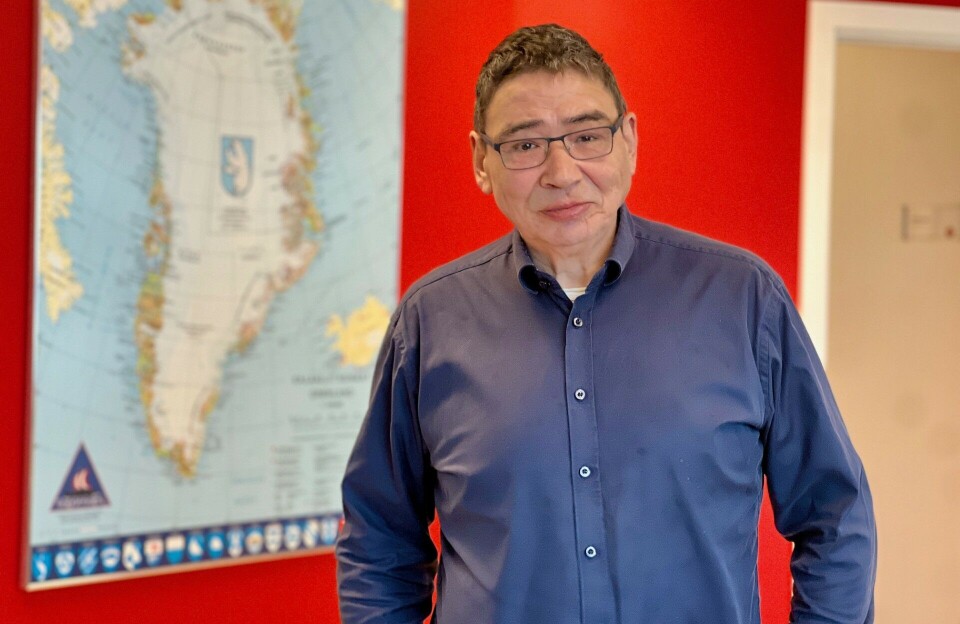
Angajoqqaavi tamarmik avannaamiuupput. Arnaa Uummannami inunngorlunilu peroriartorpoq, ataataalu illoqarfimmit aamarsuarsiorfimmit Qullissaninngaanneerpoq. Ataata suli mikisuulluni Ilulissani meeravissianngorpoq.
Kunuunnguaq Iversenip kina aatagineraa isertugaavoq.
- Ataatama angajoqqaarsiai suli inuusuttuusoq siusippallaamik toqupput. Ataataa nipilersortartuuvoq inunnullu inussiarnersuulluni, immaqa tamanna nammineq maqaasisarsimagamiuk, taanna oqarpoq.
Arnaata Uummannami inuunera angutaata politiit angallataanni ilungersunartorujussuarmik, sunik assigiinngitsunik takusaqarfigisartagaani suliffeqarneranik nalaataqarfiuvoq.

- Ataatalu naapikkamiuk Ilulissanullu nuulluni nipaarsaartariaaruppoq, misigissusaalumi aamma inissaqalerput – ilanngullugulu inuusuttutut inuuneq misiginiaqqaartussaavaa. Taamaalillunilu ataatap inuuneranut malinnaarusaarpoq, taanna oqaluttuarpoq.
Kunuunnguaq Iversenili – najaalu aqqanilinnik ukioqartoq inuusoq – asanninnermik angerlarsimaffimmilu isumattorneqarneramik amigaateqanngillat.
Ikinnguterpassuanilu assiginagit Kunuunnguaq Iversenip arnaa ataataalu inuusuttuunerup ukiui pikkunartut qaangiunneranni aappariiginnarput.
- Angajoqqaamma najuinnarnerat inuusuttuunermilu uivernerup sinnerinik misiginnginnera – aammali ilimanaateqanngikkaluartoq imminnut tapersersoqatigiinnerat qujamasuutigeqaara.
Avatangiisaanili allat taamatut atugaqanngillat.
- Aangajaarniutinik atornerluisunik ikinnguteqarlungalu ilisarisimasaqarpunga. Taamattaarlu ikinnguteqarpunga atornerluisunik angajoqqaalinnik, taanna oqarpoq.
Ilulissani 90-ikkunni inuussuttuaraanerminni inuusuttut imminnut toqussimatillugit imaaruttuusinermik malittaasartumut isiginnaartuuvoq.
- Aliortukkatullusooq pineqartarput – oqaluuserineqarnermi ajorput, ernumaginartarpulli, taanna oqarpoq.
Naak Kunuunnguaq Iversen arnaamminik qanittumilluunniit ikinngutiminik annaasaqanngikkaluarluni, inuit toqusut ilisarisimasarai.
- Tamanna misigissutsinik matusilaarallartarnermut peqataaqataasoq isumaqarpunga, taanna oqarpoq.
Oqaluuserineqarnermi ajorput – angajoqqaanik, ilinniartitsisunik ikinngutinulluunniit oqaloqatigiissutigineqarneq ajorput. Psykologinilli oqaloqateqarsinnaanermut periarfissaqannguatsiartoq eqqaamavaa – naak taamanikkut isumalluutissat annikikkaluaqisut.

- Pisariaqartitsisutut misigisimanngilanga. Fitnessertarpunga, puigorniarlugit arpattarlunga eqqumiitsuliornermulluunniit atortarlugit, taanna oqaluttuarpoq.
Ilaatigut nipilersornikkut. Ilinniarnertuunngornermi kingorna nipilersoqatigiit Thornstone aqqutigalugit nipilersorneq taalliornerlu aallutaraa. Taallat fiisternermut perulluliornermullu tunnganeq ajorput, aliasunnermulli, ernumanermut sumiginnaanermullu tunngasarput.
- oqaluttuamik misigissutsit ilunniittunik aniguiffigisinnaasannik immaqa oqaluttuarusuttarpunga. Immaqa imminut ikiornertut, taamanikkummi sakkussaqanngilanga.
Daisy pinnersoq Savalimmiullu
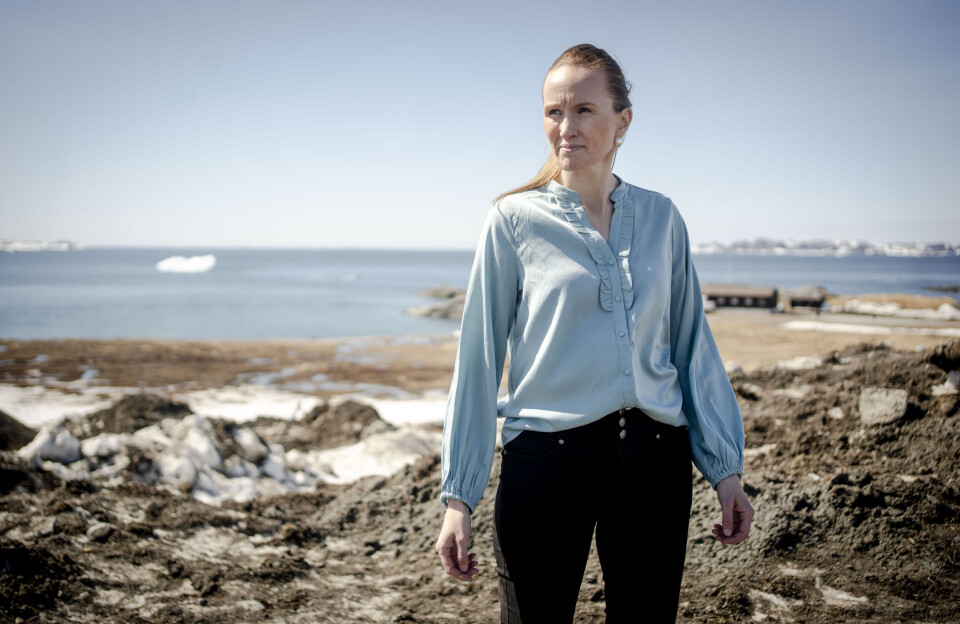
2009-mi unnuit ilaanni taamanikkut Murphysimik atilimmi Kunuunnguaq Iversenip arnaq avalaappaa. Arnaq Daisymik ateqarpoq, Savalimmiormiuulluni, Hotel Arcticimilu igasuulluni. Taamanikkut 25-nik ukioqarpoq, Aarhusimilu psykologitut ilinniarnissamut tiguteqqammerluni.
- Pinnersorujussuuvoq, Kunuunnguaq Iversen oqaluttuarpoq.
Tamatumalu saniatigut inuunermini amigaatigisaanik pigisaqarpoq; avammut ammaneq iliuuseqarluarsinnaanerlu nunarsuarmiinnerminilu sunniisinnaassuseqarluni.
- Eqqarsarpallaarnera imminullu matuniartarnera ilungersunartorsiortippai, taanna oqarpoq imalu nangilluni:
- Sapiisernera nuannaarutigaara.

Illoqarfimmi naapinnerannit qaammatit marluk qaangiummata marluullutik Aarhusimut nuupput. Ukiup tulliani meerartaaqqaarput. Ullumikkullu pingasunik meeraqarput: Andrias, Arnaq Viggalu.
2016-mi ilaqutariit Savalimmiunut nuunniarlutik aalajangerput. Kunuunnguaq Iversenip psykologinngorlaatut suliffittaarsinnaanera pissutigalugu, aammali Daisyp meeqqami nunamini peroriartornissaannik takorluugaqarnera pissutigalugu. Illoqarfeeqqamut Nesimut Thorshavnip avannaanniittumut nuupput. Ukiuni tallimani najugaqarsinnarlutik nunatsinni avannaanut nuunnissartik pilersaarutigisimagaluarpaat.
- Piffissap ingerlanerani meeqqat qanoq toqqissisimatigalutillu inuuneritsiginerat paasivarput. Aamma meeqqanut periarfissarpassuarnut tunngatillugu; eqaarsaarneq, nalunneq, ukioq kaajallallugu arsamik unammisinnaaneq – aalaakkaasuuneq qiimmassarneqarnerlu meeqqaat pisariaqartitaat, taanna oqaluttuarpoq.
Kunuunnguaq Iversen illoqarfimmi najugarisaminni katsorsaavimmi psykologitut sulivoq. Inuit imigassamik ikiaroornartumillu ajornartorsiuteqartut tassunngarlutik katsorsarneqartarput, kingornalu misigisanik sakkortuunik atornerluinerannut patsisaakkajuttunut katsorsarneqartarlutik.

- Sakkortuunik misigisaqarsimasunik katsorsaasarnissara eqqarsaatigisimanngisaannarpara, ullumikkulli tamanna nuannareqaara, taanna oqarpoq.
Psykologilumi inuusuttuunermini inuunini tamaat pilerigisimagamiuk qinnuteqarfigisimanngilaa. Meeraanermini filmiliornermi ilitsersuisunngorusussimavoq.
- Manna aalaakkaasumik isertitaqarnissamik isumannaatsumillu suliffeqarnissamut piviusorsiornerulaarsimagunarpoq, taanna oqarpoq.
Tamatuma saniatigut pikkoriffigalugu paasivaa. Psykologip sakkortuumillu misigisaqarsimasunik katsorsaanerup uumassusilerinermut, ineriartornermut neurologimullu soqutigisaanik katersivoq – inuit piumassuseqarnerinut patsisaasunut.
Peroriartornerni inunnik naapitaannik tamanna paasinnitsitsilluarnerua?
- Aap, taamaappoq. Meeraallunga arnaq utoqqaq inissiarsuatsinni najugaqartoq imigassartornerminillu ilungersunartorsiortoq eqqaamavara. Malunnaarsaarluni matukkut kasuttorluni angajoqqaakka atorsinnaasaminik aningaasaateqarnersut aperisarpai, taanna oqaluttuarpoq.
Angajoqqaavisa nalinginnaasumik matup saavani utaqqeqqusarpaat, ujarlernerminni, Kunuunnguaq Iversenillu ima isussualuttoq tusaasarpaa, ‘toqulerlunga misigivunga’.
Taamanikkut sooq taama isussualuttarnera tupigisarpaa.
- Immerillunili kingunerlutsitsineruvoq. Inuit ima ernumatigilersarput allaat toqulerlutik misigisarlugu, taanna oqarpoq.
- Inunni ullumikkut katsorsakkanni inuit iliuuserisartagaannik ilisarinnikkiartulerama eqqaamasat tamakku saqqummerarput.
Nunamik inunngorfimmik allannguinissamik takorluugaqarneq
Naak Savalimmiuni illoqarluni, suliffeqarluni sunngiffimmilu ulluinnarni sammisaqarluni ilaqutariittut inuuneq toqqissisimanaraluartoq, taamaattoq avannaa suli Kunuunnguaq Iversenimik nutsuivoq.
Savap niaqua uutaq puisip neqaatulli, saarulliup aqajaruatulli puisillu tinguatulli mamaqanngilaq, illarluni oqaluttuarpoq.
Ilinniariartorluni aallarnermi kingorna 2024-mi siullermeerluni piffissami sivisunerusumi Ilulissaniippoq. Qaammatini pingasuni anngajaarniutinik aningaasanoorajunnermillu katsorsaavimmi Allorfimmi sulivoq.

Tassungalu suli ullumikkut attuumassuteqarpoq, katsorsaavimmilu sulisunik ilitsersuinermik ilisimasanillu paarlaateqatigiinnermik ikiuuttarluni.
- Ikiorsinnaaneri qujamasuutigisorujussuuara. Nunamimi asasanni piginnaaninnik atuinnginnera pillugu kanngusunneq imminullu pisuutinneq misigisimallugulu suli misigisarpara, taanna oqarpoq imalu nangilluni:
- Taamaammat – Kalaallit Nunaannut nuullunga suli annertunerusumik sulilinnginninni - supervisoriusinnaanera pitsaasuuvoq.
Namminermi nuliatalu ullut ilaanni Kalaallit Nunaannut nuunnissartik takorluugaraat. Suliartuinnarnatik, aammali kinguaariit misigisaannik sakkortuunik, ilaqutariippassuit atugarliuutaannik saliinermut peqataallutik allanngueqataarusullutik.
- Inuit aangajaarniutinik ajornartorsiutillit amerlanersaat patsisinik allanik soorlu ADHD-mik, eqqarsaqqaarnani iliuuseqartarnermik, inuuneq tamaat ularussinermik misigisanillu sakkortuunik annertuunik tunuliaqutaqarput – tamannalu assersuutigalugu meeqqanut tussinnaasarpoq, taanna oqarpoq.
- Pisut ajornerpaaffiini aamma tamanna kinaassutsimut akornusiisuusinnaavoq, inuimmi misigisatik sakkortuut kiinnappaap issussuup iluanut toqqortortarpaat, nalusarpaallu taakku kiinnaminnut nippuguttut.
Taamaammallu suliffini Kalaallit Nunaannut nuussaguniuk ilaqutariinnik misissuinernillu suliaqarnissamik kissaateqarpoq.
- Tassanilu psykiatri aamma ilaassaaq, Kunuunnguaq Iversen oqarpoq.
Tamannali akeqarpoq. Isumalluuterpassuarnik akeqarpoq. Isumalluutit kommunit missingersuutini ilungersunartorsiorfimminni pingaarnersiortariaqagaat, taamaattoqarneralu Kunuunnguaq Iversenip nalunngilaa. Allannguisoqarsinnaasorli isumaqarpoq.
- Katsorsaariaatsit atukkakka sunniuteqartut nalunngilara, taanna oqarpoq.
- Inuillu misigisanut sakkortuunut tunngatillugu qanoq akiuussinnaatiginerat tamakkiisumik paasinngikkipput isumaqarpunga. Katsorsartinneq taamaattoq ingerlallugu sakkortuvoq annernarlunilu. Pissarsiassarli angeqaaq.
Abonnementer
Sermitsiaq.gl – Nittartagaq
- Sermitsiaq.gl-imi allaaserisat tamakkiisumik atuarsinnaalissavatit
- Qaammammut kr. 59.00
- Ukiumut kr. 650.00
Sermitsiaq - E-aviisi
- Sermitsiaq e-aviisitut tallimanngornerit tamaasa saqqummersartoq atuarsinnaalissavat
- Sermitsiaq.gl-imi allaaserisat tamakkiisumik atuarsinnaanngussavatit
- Qaammammut kr. 191
- Ukiumut kr. 1.677
AG - Atuagagdliutit E-aviisi
- Aviisi AG - Atuagagdliutit e-aviisitut pingasunngornerit tamaasa saqqummersartoq atuarsinnaalissavat
- Sermitsiaq.gl-mi allaaserisat tamakkiisumik atuarsinnaanngussavatit
- Qaammammut kr. 191
- Ukiumut kr. 1.677
Sermitsiaq.AG+
- Aviisi AG - Atuagagdliutit e-aviisitut pingasunngornerit tamaasa saqqummersartoq atuarsinnaalissavat
- Sermitsiaq e-aviisitut tallimanngornerit tamaasa saqqummersartoq atuarsinnaalissavat
- Sermitsiaq.gl-imi allaaserisat tamakkiisumik iserfigisinnaalissavatit
- Arnanut e-magasinatut atuarsinnaalissavat
- Nutserisoq.gl atorsinnaanngussavat
- Soqutiginnikkuit abonnement@sermitsiaq.gl-imut allagaqarsinnaavutit
Asasarput atuartartoq, Sermitsiaq.gl-imut – Kalaallit Nunaanni nutaarsiassanik isornartorsiuisumillu tusagassiornermik saqqummiussiffimmut – tikilluarit. Kiffaanngissuseqarluni tusagassiornerup siuarsarneqarneranik suliniuteqartuarsinnaajumalluta, itisiliillutalu isornartorsiuilluta tusagassiortuarsinnaajumalluta, allaaserisat aalajangersimasut akeqalersippavut. Tamanna iluaqutigalugu allaaserisat pitsaassusaat qulakkeersinnaavarput, tusagassiortuttalu pikkorissut oqaluttuanik pingaarnerpaanik saqqummiussinissaannut tapersersorsinnaavavut. Allaaserisat akillit qaammammut taamaallaat 59 koruuninit akeqarput. Pisineq ajornanngitsuararsuuvoq – ataaniittoq toorlugu saqqummiussavut tamakkiisumik iserfigisalersinnaavatit. Paasinninnerit tapersersuinerillu qujamasuutigaavut. Pituttorsimanngitsumik isornartorsiuisumillu Kalaallit Nunaannut tusagassiortarnissamik suliniuteqartuarnissamut akiliutivit ikiorpaatigut.