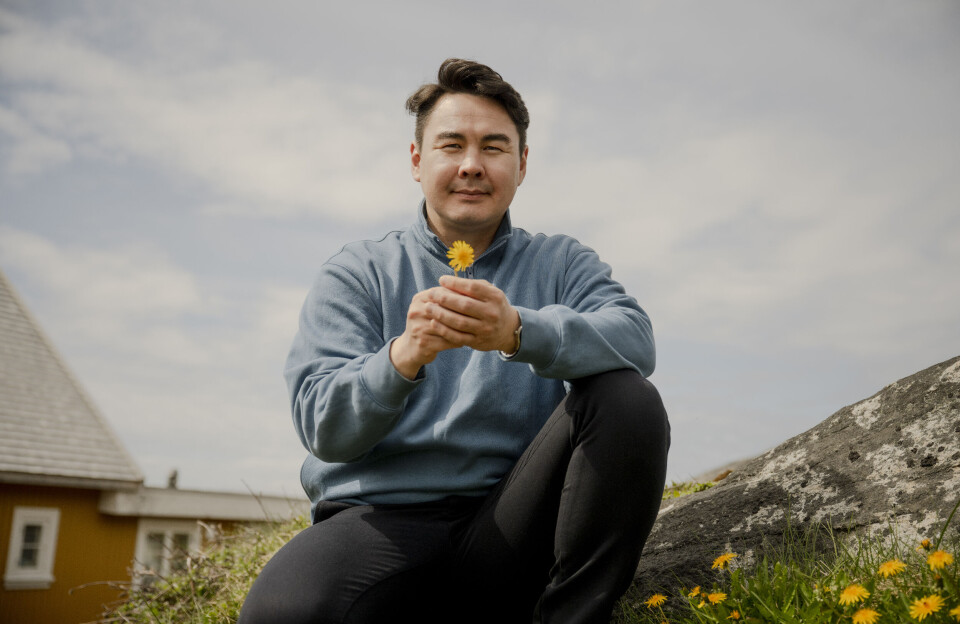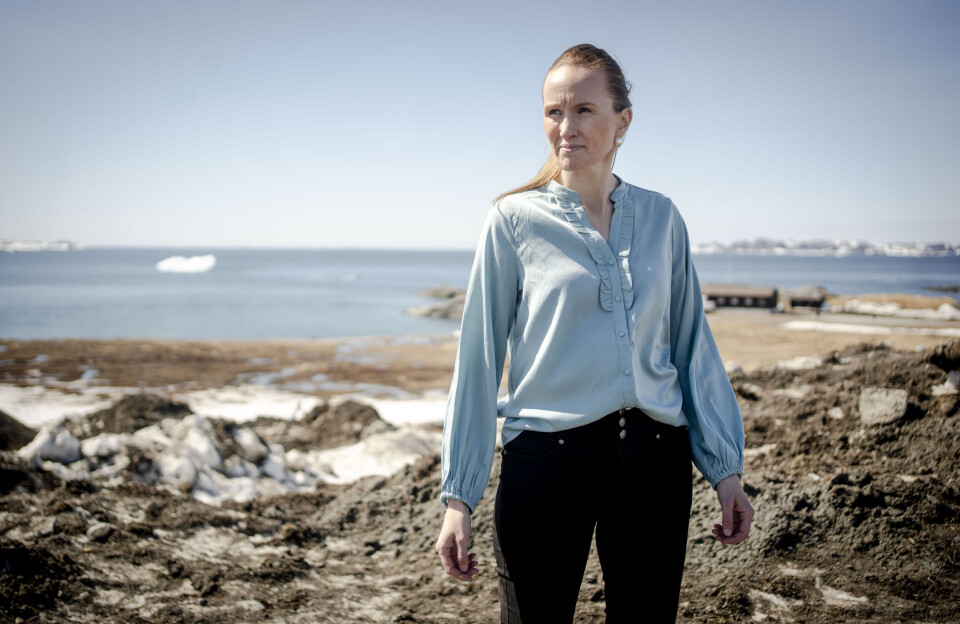

Kalaallit Nunaanni meeqqat angerlarsimaffiup avataanut inissinneqarsimasut pillugit atuakkiaq nutaaq saqqummerpoq. ´Barndomshjem eller børnehjem – Grønlandske børn anbragt uden for hjemmet´-imi Ilisimatusarfimmi lektori Bonnie Jensenip meeqqat sammivai, meeqqallu angerlarsimaffii immikkut sammillugit.
Bonnie Jensen ima oqaluttuarpoq:
Bonnie Jensen ima oqaluttuarpoq:
- Ph.d-nngorniarlunga suliara tunngavigalugu atuakkiorpunga, tassani meeqqat inuusuttullu 38-t oqaloqatigaakka. Atuakkiorninnut tunngatillugu ukiut arlallit qaangiummata apersorsimasakka taakkua ilaat apersoqqippakka paasiniarlugu qanoq ingerlasimanersut.
Sulininni meeqqat namminneq tusaaneqarnissaat ukkatarivat, assersuutigalugu angajoqqaajusut perorsartullu tusaanissaat pinnagu. Sooq taama aalajangersimavit?
– Meeqqat tusarnaarnissaat pisariaqarluinnarpoq, taakkuami inuunerat pineqarpoq. Aap, uaguttaaq meeraanikuuvugut inuusuttuaraanikuullutalu, taamanikkulli silarsuaq allaalluinnarpoq. Meeqqat qanoq misiginersut paasiniartariaqarparput, taamaalillutalu qanoq ikiorsinnaavavut paasisinnaaniassagatsigit – aamma FN-ip meeqqat pillugit isumaqatigiissutaanut tunngatillugu.
- Meeqqat inuunerminni qanoq pisoqarneranik paasinninnginnerat aamma tusaaneqartutut takuneqartutullu misiginnginerat oqaluttuarpassuit takutippaat, Bonnie Jensen oqarpoq.
Assersuutigalugu Aputsiaq 14-inik ukiullit Cedrikilu ilisimanngilaat sooq paaqqinnittarfimmut inissinneqarsimanertik, taamatuttaaq 6-inik ukiulik Ejnerip isumakuluutigaa qaqagu allamut nuunneqaqqinnissani (meeqqat atii allanngortinneqarput)
Oqaluttuat nuannersut nassaassaapput
Ilisimaneqarluarpoq meeqqat paaqqinnittarfinniittut meeraanerminni kingusinnerusukkullu inersimasunngoraangamik ajornartorsiuteqarnerulertartut.
Bonnie Jensenip oqaloqatigiinnerit ilungersunartut arlallit misigisimavai, allaallu oqaluttuarsiat ilai annikitsualuit ajornerpaat oqaatigineq ajorsimallugit. Taamaattumik pingaaruteqarpoq eqqaamassallugu suut tamarmik ajortuunngimmata, oqarpoq.
- Oqaluttuat nuannersut ilaat aamma allaatiginissaat pitsaallunilu pingaaruteqarpoq, eqqaamasariaqarparpummi sumiiffinni aalajangersimasuni tamanna iluatsittartoq, Bonnie Jensen oqarpoq.
Oqaluttuat pitsaasut suusinnaappat?
– Assersuutigalugu Huldap oqaluttuaa tamatumunnga uppernarsaataavoq, aamma atuakkami apersorneqareersut ilagaat. Hulda takorluugaqarlunilu angniagaqarpoq, tamakkualu piviusunngortinnissaat angusimallugit.
Hulda arfineq-pingasunik ukioqarluni angerlarsimaffiup avataanut inissinneqarpoq ilaqutariinni imigassamik ajornartorsiuteqarneq pissutigalugu. 17-inik ukioqarluni Bonnie Jensenimit apersorneqarami Hulda ilaatigut ima oqaluttuarpoq:
– Soorunami imaannaanngilaq, malittarisassaqarpoq saliisariaqarlutalu, ilaannikkullu tamanna nuannerpallaarneq ajorpoq. Inuunerli taamaa ippoq. Eqqarsaatigikulasarpara meeqqat angerlarsimaffianni peroriartoqarsimanngitsuuguma qanoq pisoqarsimassagaluarnersoq.

Ukiut tallimat qaangiuttut Hulda ingerlallualersoq Bonnie Jensen oqarpoq, ilaatigut inersimasunngornissamut piareersaatitut ikiorneqarnermik aaqqissuussaq iluaqutigalugu.
Hulda nammineq isumaqarpoq iluatsitsisimalluni, taamalu isummernera ilumoorpoq, Bonnie Jensen nangippoq.
- Hulda atuarfimmi angerlarsimaffiup avataanut inissinneqartussanut ilaavoq, tassanilu kissaatigisaminut apuunnissaminut ikiorneqarsimavoq, lektori oqarpoq.
Maanna Bonnie Jensenip meeqqat pillugit meeqqallu peqatigalugit atuakkiani naammassigamiuk neriuutigaa inersimasut akornanni oqallinnissamut iluaqutaassasoq, ingammik inersimasut tamatumunnga tunngasunik pingaarutilinnik ajornakusoortunillu aalajagiisartunut.
- Neriuppunga takusinnaalersissallungu angerlarsimaffiup avataanut inissiisarnerput annertuallaartoq, inissiisarnerullu annikillisissinnaaneranut sunniuteqarsinnaassasoq, Bonnie Jensen oqarpoq.
Ilaqutariit isumagineqarluarpata meeqqanik avataanut inissiisarneq pinngitsoortinneqarsinnaavoq, oqarpoq.
- Meeqqat ilaat angerlarsimaffeqarunnaarnertik aningaasaqarniarnikkut ajornartorsiuteqarnertillu pissutigalugu angerlarsimaffimmut inissinneqartarput. Tamannalu angajoqqaat ikiorneqarnissamik pisariaqartitsitinerulernerannik kinguneqarsinnaavoq.
Sumiiffiit ilaat pitsaanerusut
Atuakkiortup aamma oqaatigaa meeqqat angerlarsimaffiup avataanut inissinneqarsimasut ilaasa ilaqutariinniiginnarnissaat anguniarlugu iliuuseqarnerunissaq pisariaqartoq. Soorunami siunissami meeqqat angerlarsimaffii suli atuutissapput, taakkulu pitsaanerpaamik ingerlatinneqassapput.
- Meeqqat oqaluttuarnerisa takutippaat paaqqinnittarfiit pitsaassusaat assigiinngilluinnartoq. ’Oqaluttuat ajunngitsut’ amerlanerit sumiiffinnit assigiinngitsuneersuupput, aammali pitsaannginnerusut, Bonnie Jensen oqarpoq.
Paaqqinnittarfiit mikinerusut pitsaanerusumik ingerlasartut, tuakkiortup inerniliutigaa
- Meeqqanut angerlarsimaffiit assigiinngissutaat taakkualu pitsaanerpaat suut eqqortuliornerunersut pillugit paasisaqarnerunissaq soqutiginartorujussuussaaq, oqarpoq
Atuagaq “Barndomshjem eller børnehjem – Grønlandske børn anbragt uden for hjemmet” Ilisimatusarfimmit tapiiffigineqarluni Aarhus Universitetsforlag-imit saqqummersinneqarpoq.
Abonnementer
Sermitsiaq.gl – Nittartagaq
- Sermitsiaq.gl-imi allaaserisat tamakkiisumik atuarsinnaalissavatit
- Qaammammut kr. 59.00
- Ukiumut kr. 650.00
Sermitsiaq - E-aviisi
- Sermitsiaq e-aviisitut tallimanngornerit tamaasa saqqummersartoq atuarsinnaalissavat
- Sermitsiaq.gl-imi allaaserisat tamakkiisumik atuarsinnaanngussavatit
- Qaammammut kr. 191
- Ukiumut kr. 1.677
AG - Atuagagdliutit E-aviisi
- Aviisi AG - Atuagagdliutit e-aviisitut pingasunngornerit tamaasa saqqummersartoq atuarsinnaalissavat
- Sermitsiaq.gl-mi allaaserisat tamakkiisumik atuarsinnaanngussavatit
- Qaammammut kr. 191
- Ukiumut kr. 1.677
Sermitsiaq.AG+
- Aviisi AG - Atuagagdliutit e-aviisitut pingasunngornerit tamaasa saqqummersartoq atuarsinnaalissavat
- Sermitsiaq e-aviisitut tallimanngornerit tamaasa saqqummersartoq atuarsinnaalissavat
- Sermitsiaq.gl-imi allaaserisat tamakkiisumik iserfigisinnaalissavatit
- Arnanut e-magasinatut atuarsinnaalissavat
- Nutserisoq.gl atorsinnaanngussavat
- Soqutiginnikkuit abonnement@sermitsiaq.gl-imut allagaqarsinnaavutit
Asasarput atuartartoq, Sermitsiaq.gl-imut – Kalaallit Nunaanni nutaarsiassanik isornartorsiuisumillu tusagassiornermik saqqummiussiffimmut – tikilluarit. Kiffaanngissuseqarluni tusagassiornerup siuarsarneqarneranik suliniuteqartuarsinnaajumalluta, itisiliillutalu isornartorsiuilluta tusagassiortuarsinnaajumalluta, allaaserisat aalajangersimasut akeqalersippavut. Tamanna iluaqutigalugu allaaserisat pitsaassusaat qulakkeersinnaavarput, tusagassiortuttalu pikkorissut oqaluttuanik pingaarnerpaanik saqqummiussinissaannut tapersersorsinnaavavut. Allaaserisat akillit qaammammut taamaallaat 59 koruuninit akeqarput. Pisineq ajornanngitsuararsuuvoq – ataaniittoq toorlugu saqqummiussavut tamakkiisumik iserfigisalersinnaavatit. Paasinninnerit tapersersuinerillu qujamasuutigaavut. Pituttorsimanngitsumik isornartorsiuisumillu Kalaallit Nunaannut tusagassiortarnissamik suliniuteqartuarnissamut akiliutivit ikiorpaatigut.