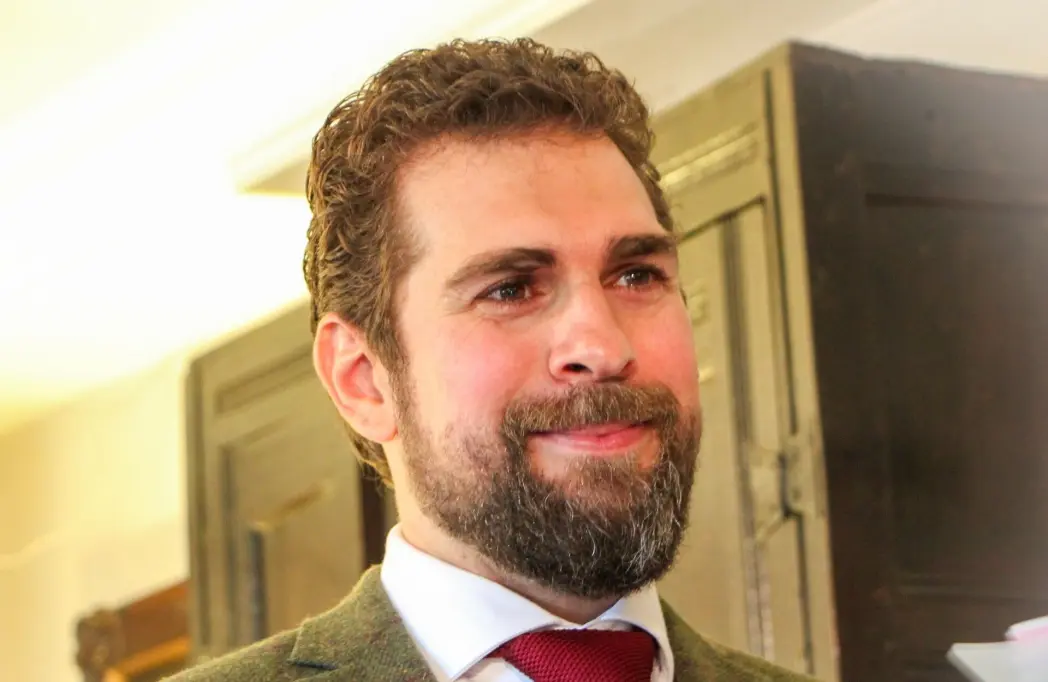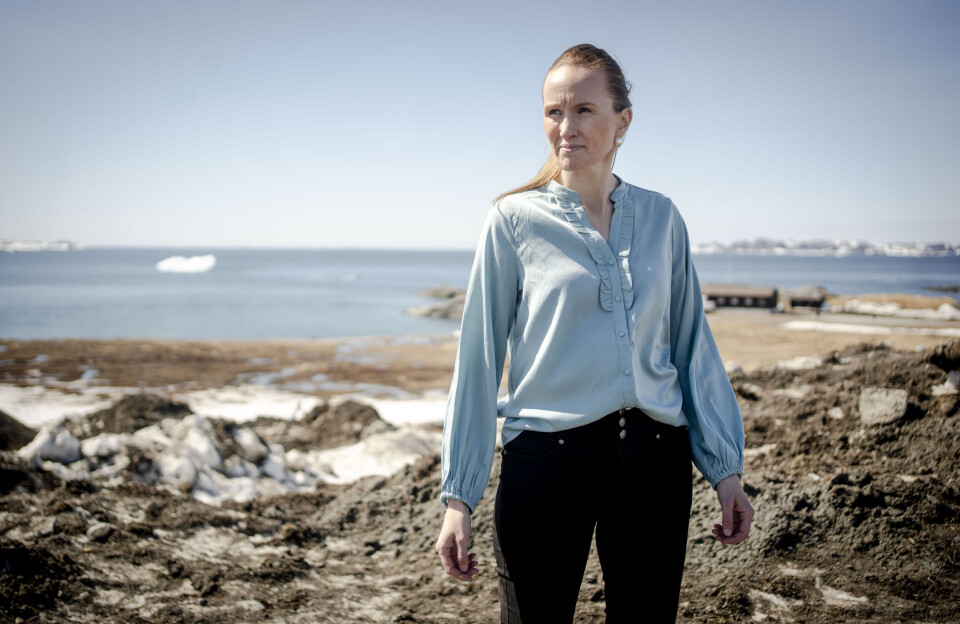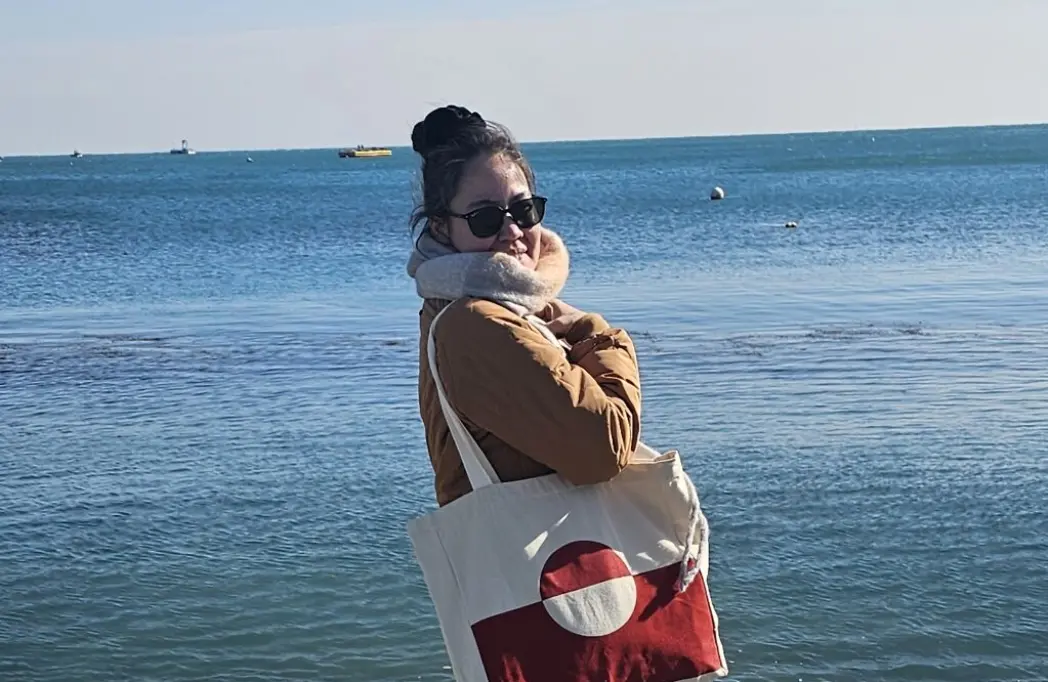

– It’s going really well. Quietly and steadily forward, but it’s also challenging to juggle four different languages at the same time, says Ane Joelsen Siegstad, who has gone to a language school in South Korea to learn Korean.
Ane Joelsen Siegstad left Aasiaat at the end of October, and has now been in Seoul for over three months. The Korean language is just as quietly opening up, and Ane Joelsen Siegstad has just passed level 3, and can now understand and speak some Korean. The written language is more difficult.
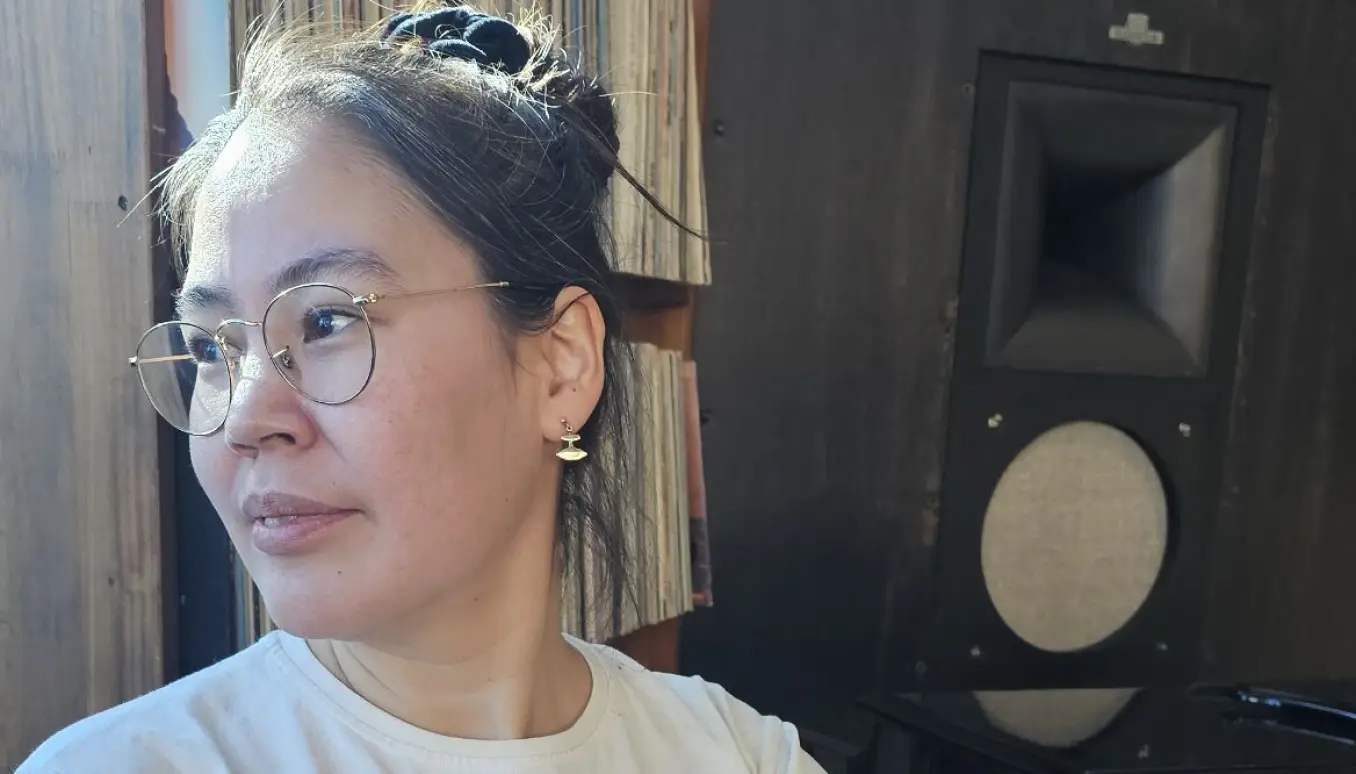
– I can understand when they speak, but I have a little more difficulty speaking Korean - maybe because I'm a little cautious, but if I'm out somewhere, I can ask for directions and find my way around. But it's very difficult to write Korean. The grammar is completely different. For example, there are two number systems; Sino-Korean, which is used for dates, prices and phone numbers, and native Korean, which is used for age, number of objects, etc.
Four languages
Ane Joelsen Siegstad speaks both Greenlandic, Danish and English, but usually uses English as a starting point when she translates into Korean.
But in fact, maybe she should use Greenlandic - because even though Korean is an isolated language with no relationship to other languages - the language shares a sentence structure with Greenlandic, which is also built with subject-object-verb, which is the opposite of Germanic languages such as English and Danish, which are built with subject-verb-object.
– I haven’t actually thought about that before, but it’s true, exclaims Ane Joelsen Siegstad.
Intensive language course
For Ane Joelsen Siegstad, the stay in Seoul is about acquiring a new culture, a new language and challenging herself.
It’s an intensive course at the EF School’s campus in the Gangnam district. There are classes every day with subsequent activities for the students.
– I’m at school a lot, and when I get home, I have homework to do. Every Friday we have tests, and it’s all going fast with new chapters every week, so I’m pretty tired in the evenings. But I’ve made some Korean friends and it’s nice to get to know new people.
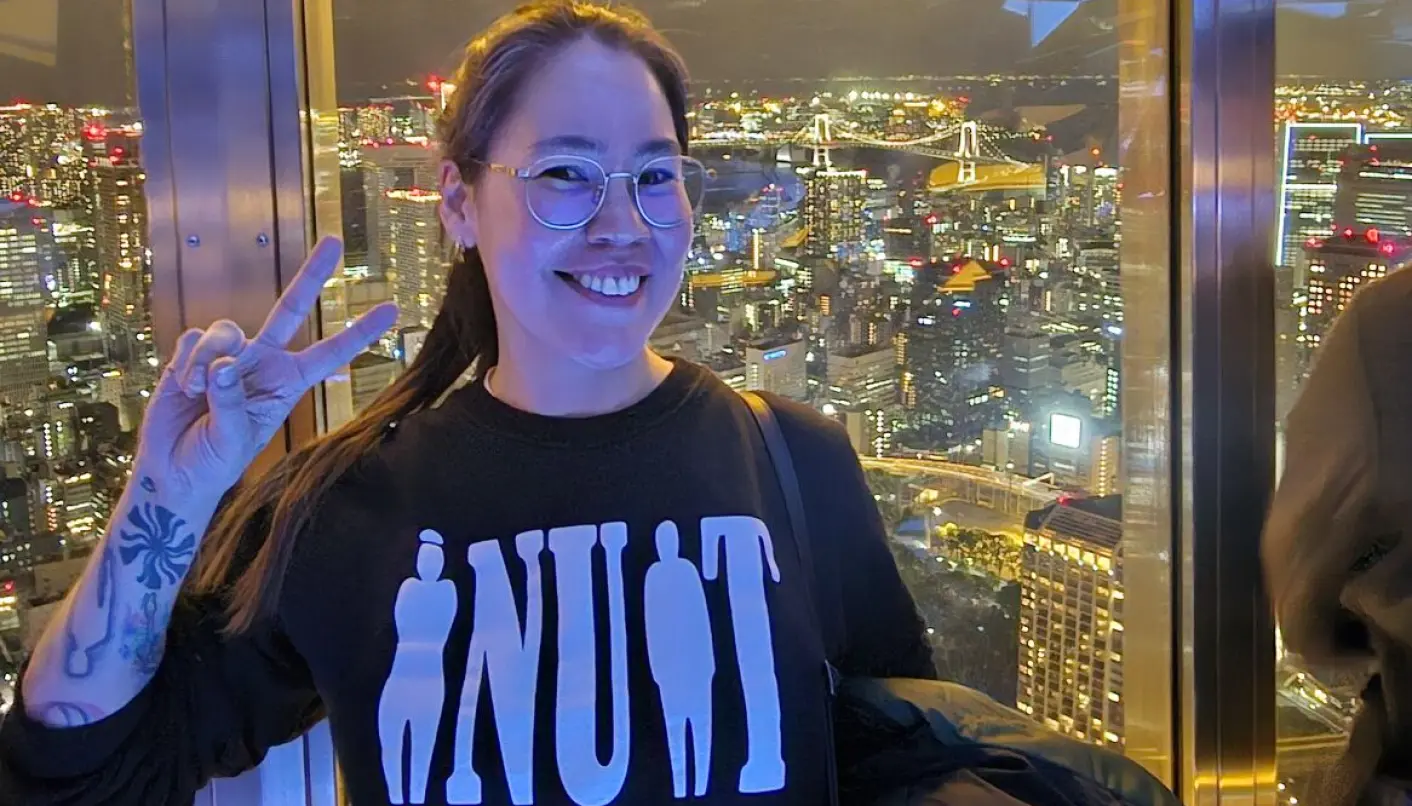
– I’m doing this mostly for fun. I like to challenge myself, and I needed to throw myself into something completely different. It's clear that things have been up and down, and it's been challenging to be a Greenlander here in Korea, where I haven't met anyone who speaks Greenlandic at all.
Korean culture
Ane Joelsen Siegstad likes to walk around the streets of Seoul and observe the habits and culture of Koreans.
– They are incredibly good at standing in line. They are very patient and also accept standing very close together like in the subway. And they are very respectful towards the elderly. They even have a language they use when talking to older people, which is more formal than regular Korean. And then there is the food. Wow – it is delicious. I have tried so many different new dishes. The strangest thing was probably the octopus that was still moving on the plate. But I try to throw myself into it all with an open mind and take on the challenges.
– So even though it can be hard and lonely at times, I love it here. I see the world and experience new things. It is still surreal to me that I have now been in South Korea for three months and have started to feel at home here, says Ane Joelsen Siegstad, who is returning to Greenland in April.
You can follow Ane Joelsen Siegstad's experiences on Tik Tok and Instagram under the name: SapagaqInSeoul