It has caused concern and criticism that Naalakkersuisut will, among other things, remove Danish as a subject in the junior grades, as several believe that this will reduce the students' opportunities to continue studying in upper secondary school and in higher education, where teaching takes place in Danish.
The challenge therefore lies in how learning in the Greenlandic language is reinforced, while at the same time ensuring that young people do not have reduced opportunities to succeed in their further education.
Healthy engagement
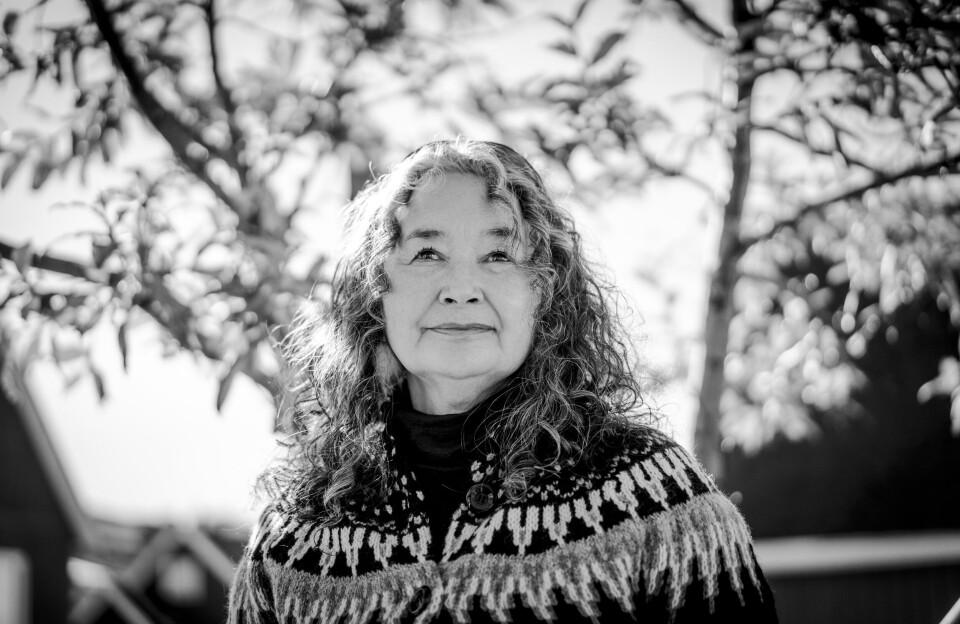
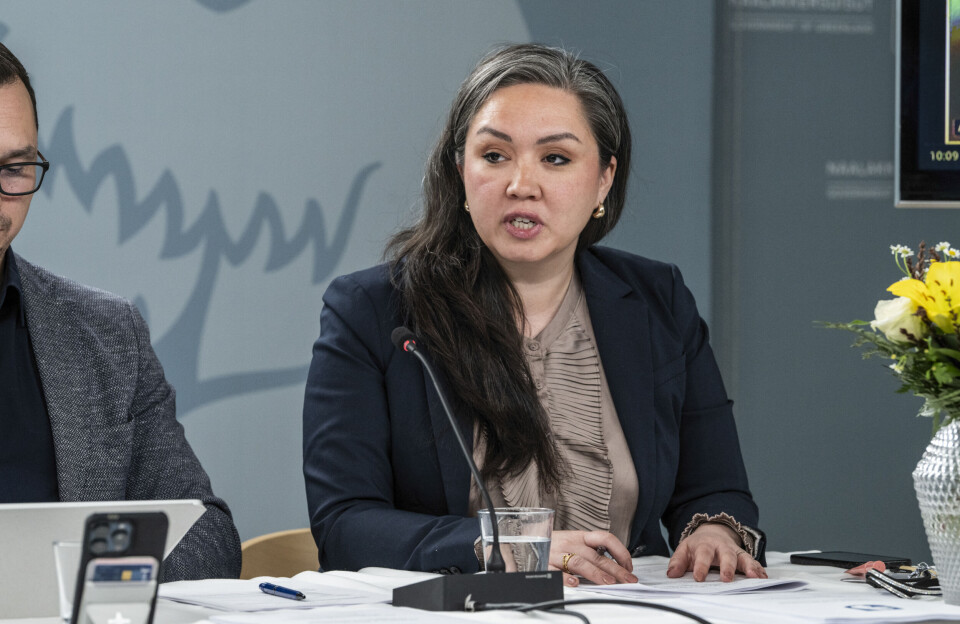
- I fully understand that the proposal for the extensive changes in teaching for the youngest students in primary school has given rise to many reactions. I consider it a good and healthy democratic commitment that both organizations and individuals actively participate in the debate about our primary school and express both frustrations and opinions, as well as bring constructive input into the debate – and I would like to thank everyone for the good debate, states Naalakkersuisoq for Education, Nivi Olsen in a press release.
She states that the bill proposes a simpler and more coherent school day for the youngest with fewer subjects, so that more time is given for immersion, “without compromising the ultimate goals of primary school”.
- Greenlandic, which is our country’s language and the mother tongue of the vast majority of pupils in primary school, is prioritized because it is our country’s knowledge- and culture-bearing language, in which it is important that pupils are well-founded - this is considered within various research to be a supporting foundation in relation to pupils’ further learning in different languages and other subjects. If we are to be able to master other languages optimally, it is fundamental that we know our own mother tongue, as it provides the basis for learning other languages, says Nivi Olsen.
Mother tongue teaching
She emphasizes, “that Danish and Danish teaching or teaching in other mother tongues can continue to be included in the youngest grades, where there is a need for it”.
Nivi Olsen also points out that the changes aim to increase well-being, ensure stronger basic skills and give the children a better coherent schooling.
A research group from the Department of Learning and Education at Ilisimatusarfik points out, among other things, with reference to known knowledge, that learning in several languages increases the chances of being able to do better in later education.
Will listen
In an interview with KNR, Nivi Olsen acknowledges the research, and she is “open to listening to criticism”.
Now work is underway to review the many consultation responses before the bill is to be considered in Inatsisartut during the spring session.