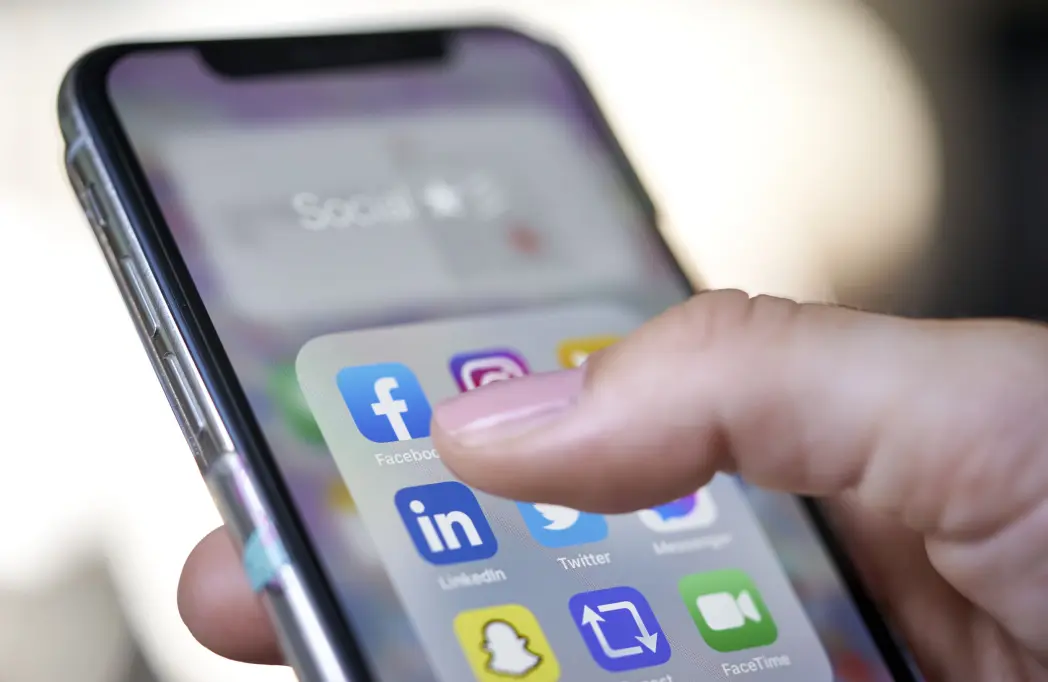
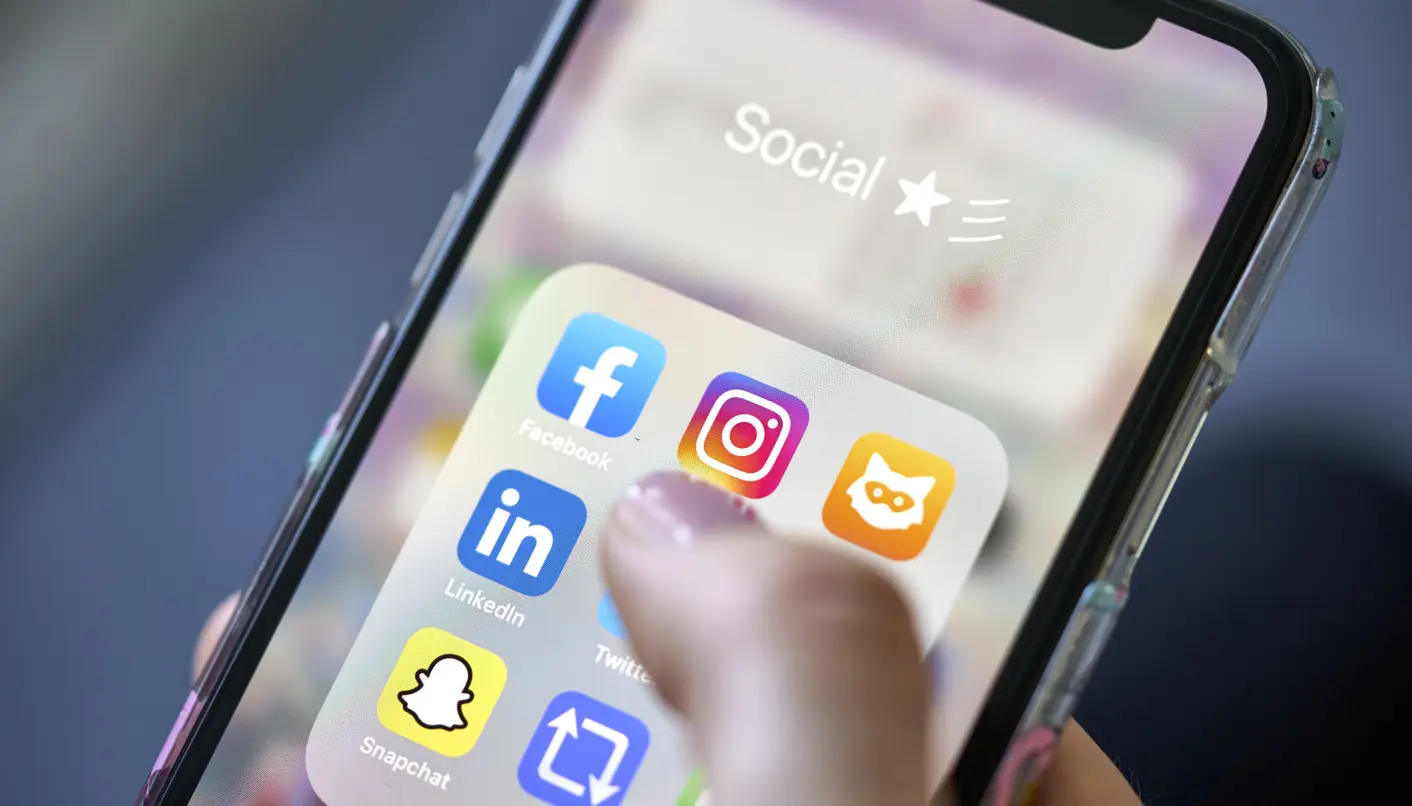
- These companies built machines designed to addict children's brains, and they did it on purpose.
That was the accusation made by lawyer Mark Lanier in a recent and historic lawsuit in Los Angeles, according to The Conversation.
Here, a 20-year-old woman and her mother sued tech giants Google and Meta, which own Instagram and Facebook, alleging that the companies' apps addicted her as a child and destroyed her mental health.
The jury found in the woman's favor, ruling that the platforms' design has 'defects' that make them addictive.
But what does the science actually say - can social media be addictive?
Addiction or 'high engagement'?
Although tech companies like Meta have historically defended themselves by saying that their platforms are simply communication tools and that the term ‘addiction’ is a misunderstanding of what they call ‘high engagement’, more and more research points to something else.
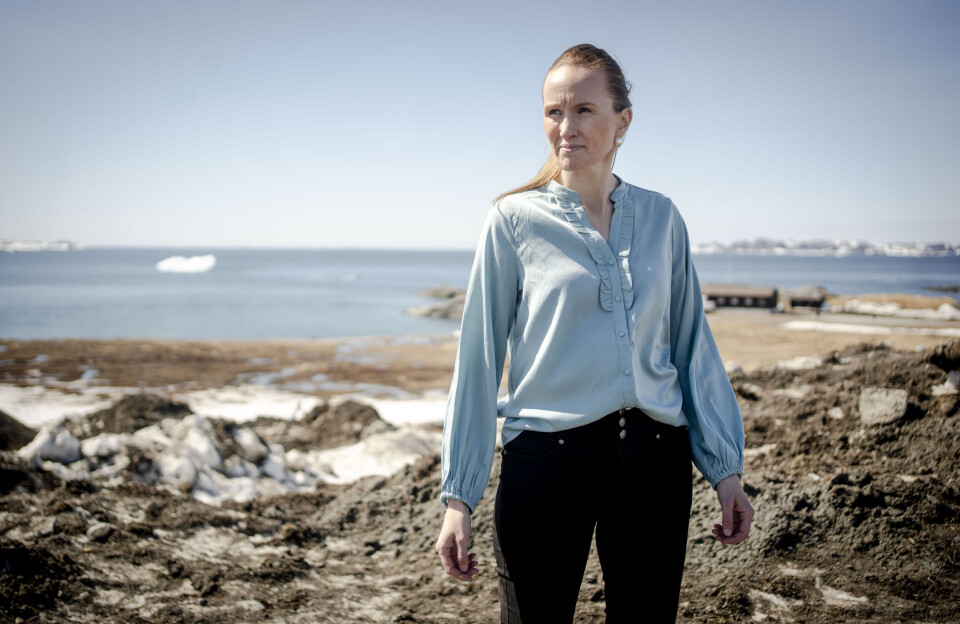
Susan Andersen is research director for Health Promotion and Interventions at the National Institute of Public Health at the University of Southern Denmark and co-author of a large Danish study on social media addiction.
Although it is still debated whether addiction should be an official clinical diagnosis, she has no doubt about its seriousness:
- Social media addiction is similar to addiction in other areas, with loss of control and significant impact on everyday functioning, she says, emphasizing that there is a massive need for prevention and help for those with problematic use, regardless of whether it is formally diagnosed or not.
The thumb reflex
Researchers often use psychological tests - for example, the Bergen Social Media Addiction Scale (BSMAS) - to assess whether a person is addicted to social media.
The BSMAS looks at six typical signs:
1. Dominance: Media takes up all of your thoughts.
2. Mood swings: Using it to get a high or escape from problems.
3. Tolerance: Needing to spend more and more time online to get the same effect.
4. Withdrawal: Feeling uneasy and restless when not online.
5. Conflict: It affects work, studies, and relationships.
6. Relapse: Failing when trying to cut back.
For some, the habit becomes so ingrained that it almost runs on autopilot. You can pick up your phone and open an app without having really decided to do so.
According to Quynh Hoang, who researches digital consumption at the University of Leicester in the UK, this is not just due to a lack of self-control, but the way the platforms are designed.
- The automatic thumb reflex is more than just a bad habit - it is a response to a digital environment that we simply cannot escape, she explains to Videnskab.dk.
Social media rewards us with dopamine
In the US lawsuit, plaintiff's lawyer Mark Lanier drew parallels with the tobacco industry and argued that the tech companies were well aware that their platforms were harming young people.
But one must be careful not to equate chemicals with screens. As Susan Andersen points out, social media is "something different from the physiological addictions seen in, for example, drug and nicotine addiction".
Although it is a behavioral addiction, users' experience often resembles classic addictive behavior, says Quynh Hoang:
- People describe an inability to stop, which they themselves find deeply frustrating and inexplicable - it is not a conscious choice to keep scrolling, but a compulsive action that they cannot explain.
In an article from Videnskab.dk, Professor Morten Overgaard argues that social media algorithms can create an addiction that resembles drug addiction.
This is partly due to how the brain works. When we experience something pleasant, for example social contact, the brain releases dopamine. This is the same neurotransmitter that is also activated when we consume food and drugs, and which makes us repeat what feels good.

- Social contact can also trigger dopamine. I am not saying that dopamine is the whole explanation, but it seems as if the experience of reward is related to our use of social media, he says.
86,000 Danes are addicted
Susan Andersen and her colleagues have investigated how many Danes are addicted to social media.
To investigate this, the researchers used the aforementioned psychological test Bergen Social Media Addiction Scale (BSMAS). The test asks participants to rate their own use based on the six signs of abuse on a scale from 1 (‘very rarely’) to 5 (‘very often’).
Their study shows that around 2.3 percent of the population - corresponding to approximately 86,000 Danes - score so high that they can be described as addicted.
The consequences can be serious. The study shows that addicts have a 2.7 times higher risk of depression. At the same time, the risk of loneliness increases, and many experience that their social networks actually become smaller.
According to Quynh Hoang, users can become caught in what she describes as a ‘feedback loop of doom and despair’ - a term that originated from one of the participants in her research.
- Users often turn to social media as a quick survival mechanism to escape daily stress or anxiety. But the overwhelming, frenetic stream of content doesn’t actually calm them down—it leaves them more saturated, more isolated, and more disconnected from their real lives, she explains.
Users can’t ‘just log off’
According to researcher Quynh Hoang, it’s not the technology itself that makes us log on to social media.
Citing a Chinese study from The University of Hong Kong, she explains that most apps are designed in a way that deliberately overwhelms our self-control and keeps us on the platforms.
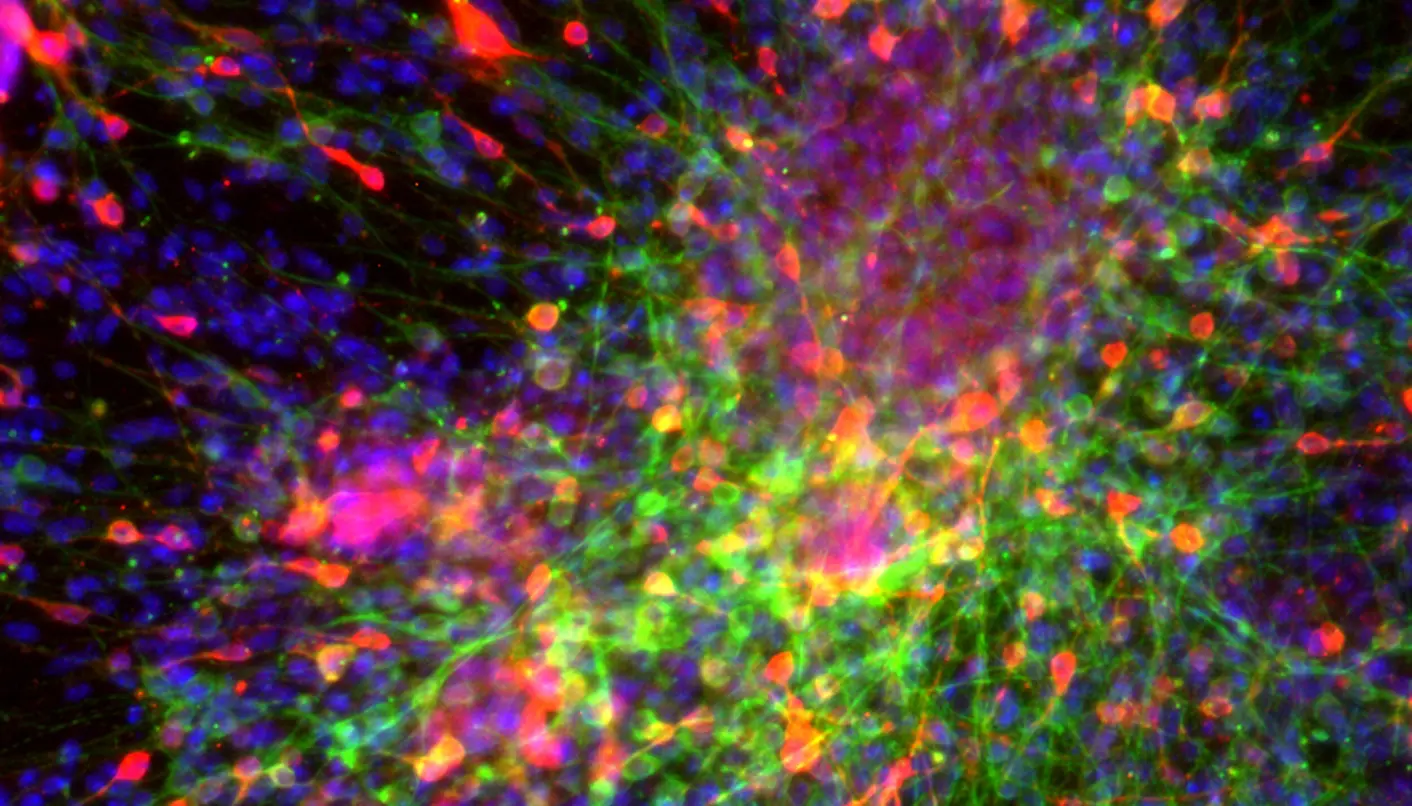
She points to three specific strategies that the tech giants are using:
1. Removing obstacles: Features like infinite scrolling and autoplay remove the natural pauses that would otherwise tell the brain it’s time to stop.
2. Variable rewards: Like a slot machine, you never know when a like or an exciting video will come. This unpredictability activates the dopamine system and creates a need to constantly refresh.
3. Social pressure: Push notifications and time-limited ‘stories’ exploit FOMO and create a feeling of guilt if you try to unwind.
We often tend to blame users for a lack of willpower when screen time runs out, but according to Quynh Hoang, this is a myth that absolves tech giants of responsibility:
- Infinite scrolling removes the natural blocks that any other medium has - the end of a page, the scrolling credits, a new chapter. Variable reward systems exploit the same psychological mechanisms as a slot machine, she explains.
- Asking users to 'just log off' is a bit like asking someone to resist a casino built inside their own home.
Abonnementer
Sermitsiaq.gl - web artikler
- Adgang til alle artikler på Sermitsiaq.gl
- Pr. måned kr. 59.00
- Pr. år kr. 650.00
Sermitsiaq - E-avis
- Adgang til Sermitsiaq e-avis som udkommer hver fredag
- Adgang til alle artikler på Sermitsiaq.gl
- Pris pr. måned kr. 191
- Pris pr. år kr. 1.677
AG - Atuagagdliutit E-avis
- Adgang til AG - Atuagagdliutit e-avis som udkommer hver fredag
- Adgang til alle artikler på Sermitsiaq.gl
- Pris pr. måned kr. 191
- Pris pr. år kr. 1.677
Sermitsiaq.AG+
- Adgang til AG - Atuagagdliutit e-avis som udkommer hver fredag
- Adgang til Sermitsiaq e-avis som udkommer hver fredag
- Adgang til alle artikler på Sermitsiaq.gl
- Adgang til Arnanut e-magasin
- Adgang til Nutserisoq.gl
- Ved interesse send en mail til abonnement@sermitsiaq.gl
Kære Læser, Velkommen til Sermitsiaq.gl – din kilde til nyheder og kritisk journalistik fra Grønland. For at kunne fortsætte vores vigtige arbejde med at fremme den frie presse og levere dybdegående, kritisk journalistik, har vi indført betaling for udvalgte artikler. Dette tiltag hjælper os med at sikre kvaliteten af vores indhold og støtte vores dygtige journalister i deres arbejde med at bringe de vigtigste historier frem i lyset. Du kan få adgang til betalingsartiklerne fra kun kr. 59,- pr. måned. Det er nemt og enkelt at købe adgang – klik nedenfor for at komme i gang og få fuld adgang til vores eksklusive indhold. Tak for din forståelse og støtte. Dit bidrag hjælper os med at fortsætte vores mission om at levere uafhængig og kritisk journalistik til Grønland.