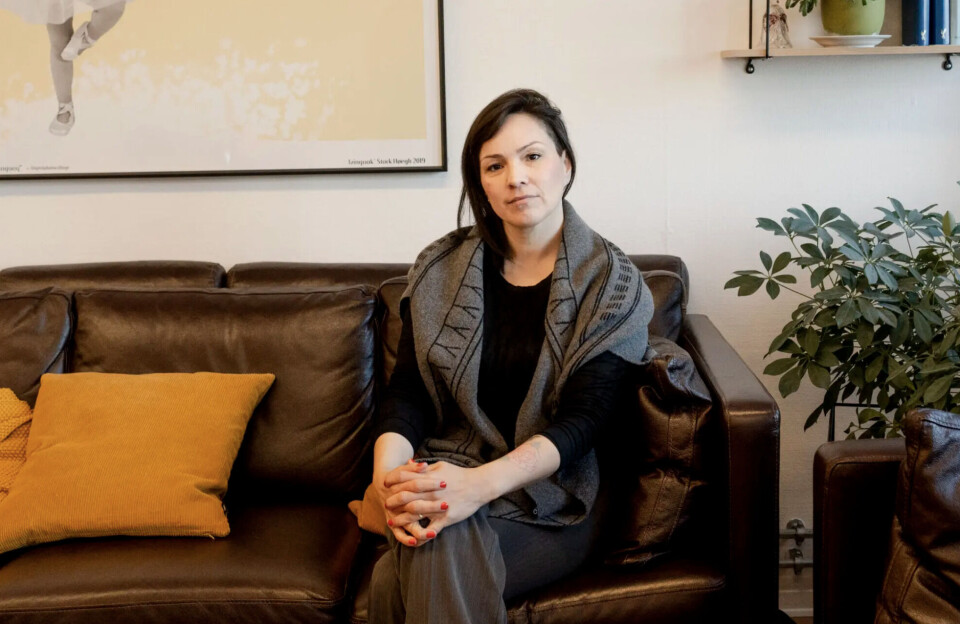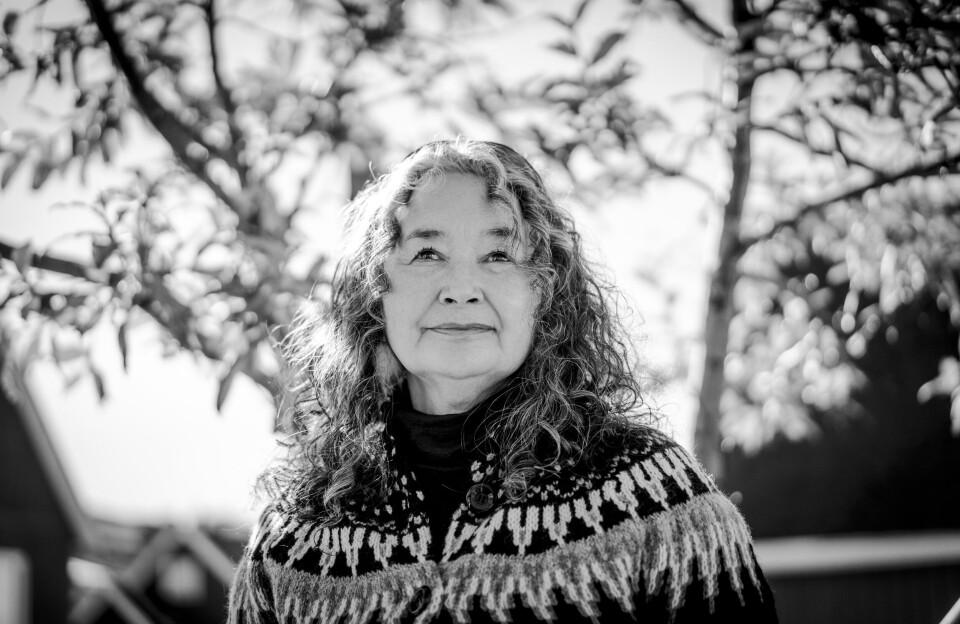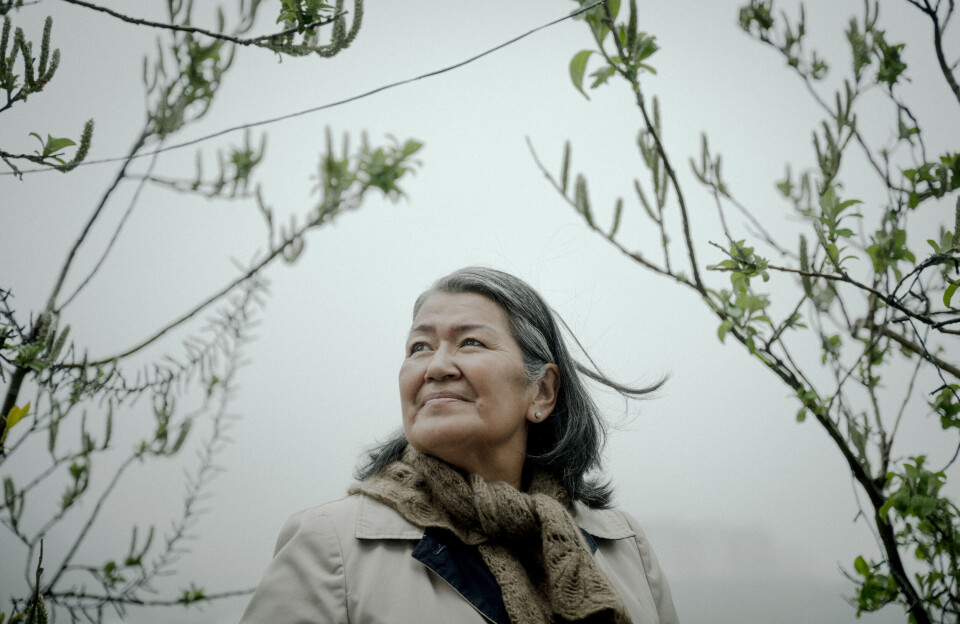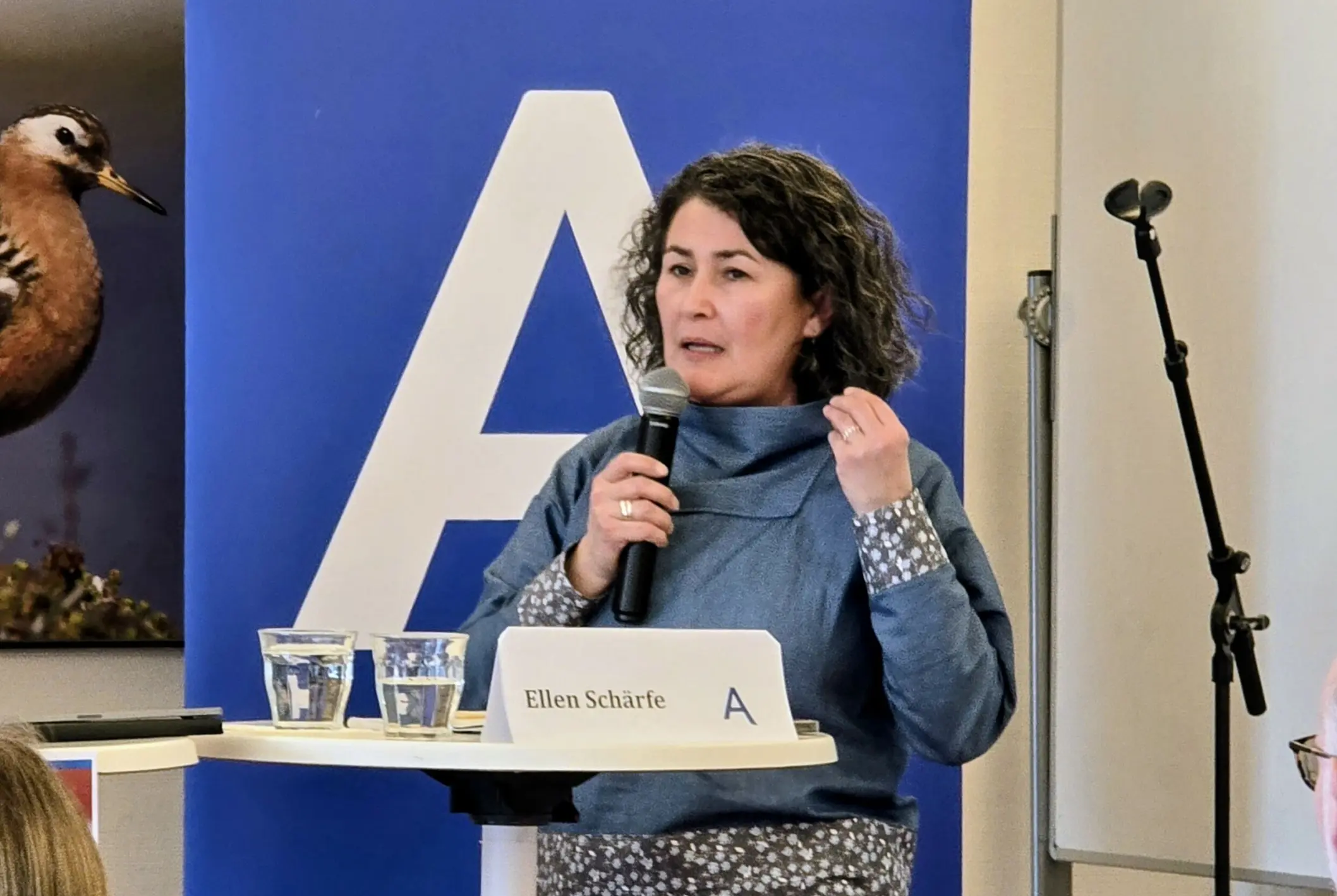

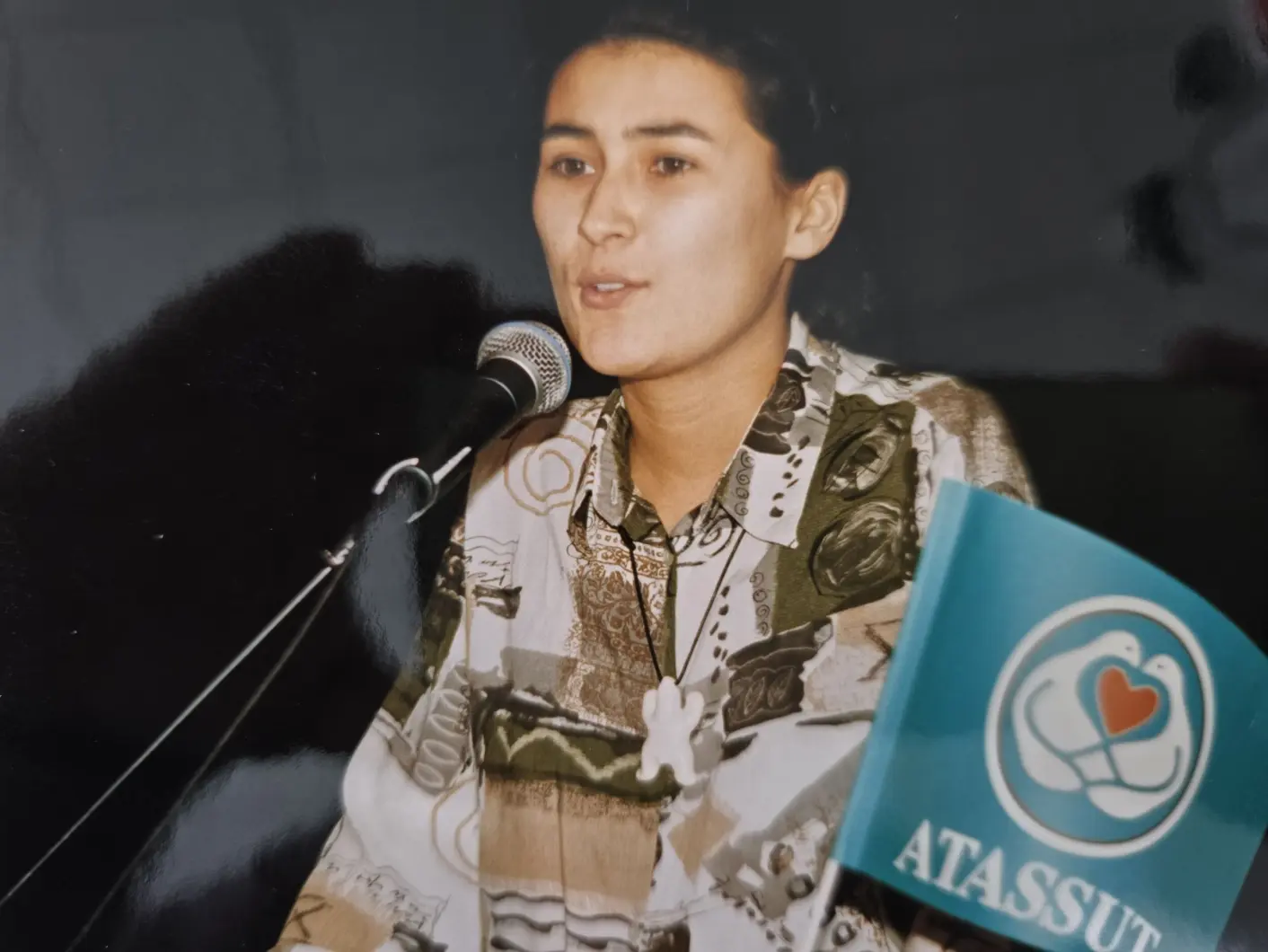
Ellen Schärfe was one of the most surprising lists in the Danish Parliament election on Tuesday, March 24.
In 1998, she was elected to the Danish Parliament under the name Ellen Kristensen and served a single term until 2001. Later, she was also called Christoffersen. While the names have changed, the party has remained the same:
- It will always be Atassut, assures Ellen Schärfe.
Why have you returned to active politics now?
- I believe that the entire Greenlandic population has been strongly influenced by Donald Trump's desire to annex Greenland and all his sudden whims.
- I am back because I do not want to be afraid. I want to have influence and work to ensure that we have a clear voice in the Folketing, and that we create a safe environment for the Greenlandic people. Of course, this also applies to problems other than geopolitical ones, says Ellen Schärfe.
Many other politicians would say something similar. So why should people vote for you in Atassut?
- It should be Atassut, because we are the ones who stand for the Commonwealth. That was the very basis for our founding as a party. We stand for cohesion and at the same time fight for the rights of the individual citizen.
Sermitsiaq meets the Atassut candidate right after a voter meeting in Nuuk, where she said something along the lines of that independence was also for the individual. We ask her to elaborate on that thought.
- Building independence for the individual is about knowing oneself. What kind of historical background do you have, what is your national identity? And then it is about feeling safe and maintaining one's integrity. That is where it all starts.
- It is no use talking about Greenland being independent before we are mature enough to take on the tasks here in our own country, adds Ellen Schärfe.
Time for conscription?
As I said, Ellen Schärfe's comeback is motivated by the state of the world and Greenland's vulnerable position, so we will make sure to turn the security policy theme around.
- We need to be involved in the decisions as much as possible on foreign policy and defense. It is incredibly important to keep the focus on right now, she emphasizes.
Atassut's election program mentions several possible measures, including conscription:
- We have a generation of young people here in Greenland who have not received an education and are perhaps left a bit too to their own devices. A lot of them are lost very early. Conscription could help create a foundation, teach some discipline and create interest in taking on social responsibility, explains Ellen Schärfe.
Are you turning the defense into a social institution now?
- No, because that is not the only reason. It is just as much because we do not want to just demand and demand. We must also give back. Of course, we must take some responsibility when it comes to the defense's presence here in Greenland and for NATO, of which we are a part through Denmark.
At the same time, Atassut understands those who have felt unsafe by seeing significantly more military in Nuuk and other inhabited places lately.
- You must remember that in Greenland we have not been used to the presence of the military. If people are unsafe by soldiers or the Arctic Command being located here in Nuuk, then let's look at how we can place them in a more wise, strategic place.
But it could also be that the young people felt unsafe by becoming conscripted?
- Yes, that could be true... but then, should they just sit on their haunches and expect others to carry them through life? No, as a human being, you will also have to take responsibility for your own life and society, says Ellen Schärfe.
For legal certainty and cultural heritage
Another central point for Ellen Schärfe is about legal certainty throughout the kingdom. She elaborates:
- Many Danish politicians over time have what I would call a fear of contact when it comes to Greenland and Greenlandic domestic affairs.
- But as parliamentarians, we have a responsibility to ensure the legal certainty of individual citizens and businesses throughout the kingdom - we are Danish citizens, after all. Therefore, it is imperative that the Danish Act on Legal Certainty be brought up for discussion in the Folketing as one of the first things first, says Ellen Schärfe.
The Legal Security Act is a law that stipulates citizens' rights and demands in their encounters with the public system such as the state or municipality. The thing is that it is still a Danish law that does not apply to Greenland.
We will continue to talk about who has the political responsibility for what in the increasingly complicated relationship between Denmark and Greenland. Atassut would like to have state support for traditional knowledge such as drum dancing and professions such as building sleds and kayaks.
I completely agree that it is important to maintain cultural heritage, but shouldn't the political responsibility for it lie with Greenland itself?
- Of course, Greenland must take its share of responsibility for that. But remember history again, says Ellen Schärfe and tells a story herself:
- My father came to East Greenland in the 60s as a schoolteacher and was interested in musical culture. He made an agreement with a local drum dancer for his lessons. Until some authority in Denmark found out what was going on and asked him to stop.
- The point is that many of these traditions have been threatened and pressured historically. Therefore, it makes good sense that the Kingdom of Denmark now protects these things – precisely as a community, says Ellen Schärfe.