
Duddulut-dulut!
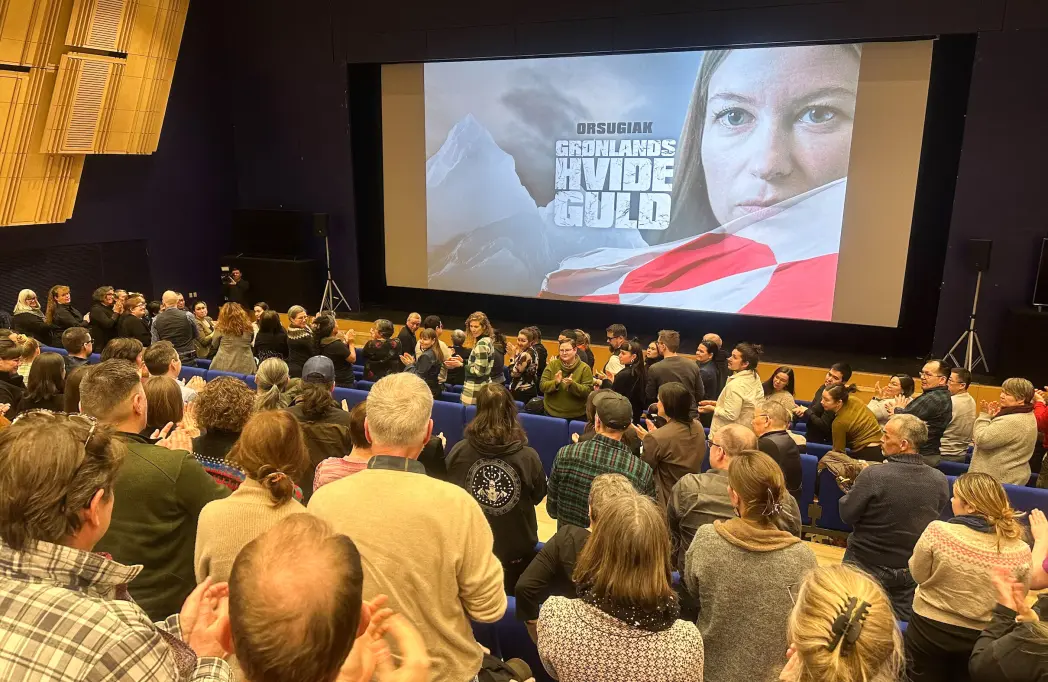
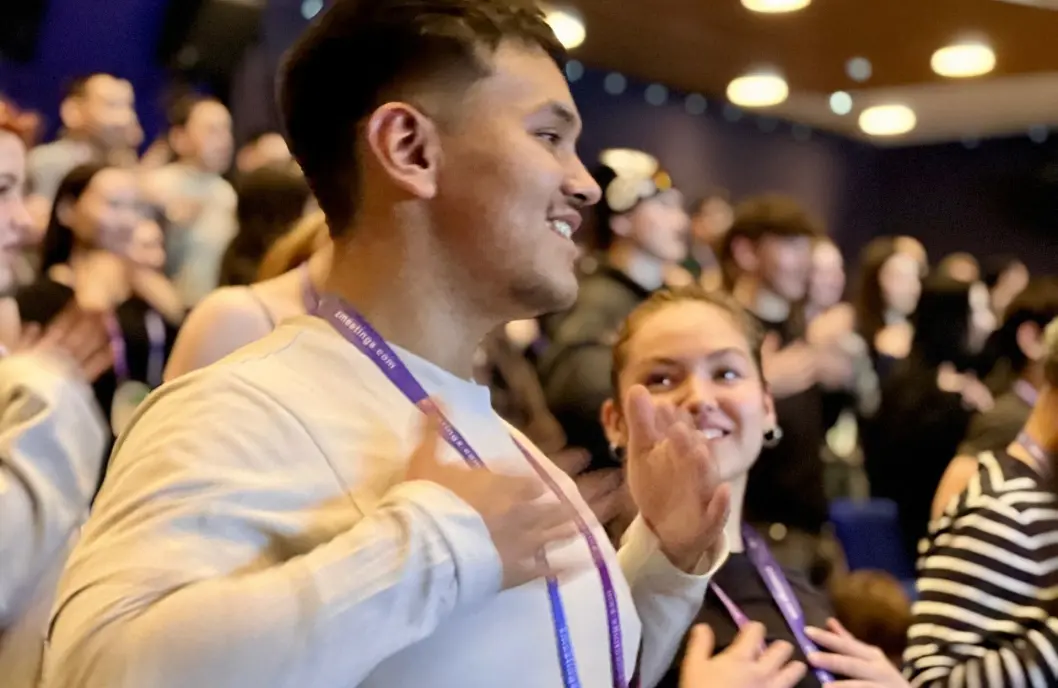
Safri Duo's famous song Played-A-Live blasts out at full volume, making Katuaq's large hall feel more like a nightclub than a conference hall. The young people dance a little between the seats, and the atmosphere is anything but quiet and formal.
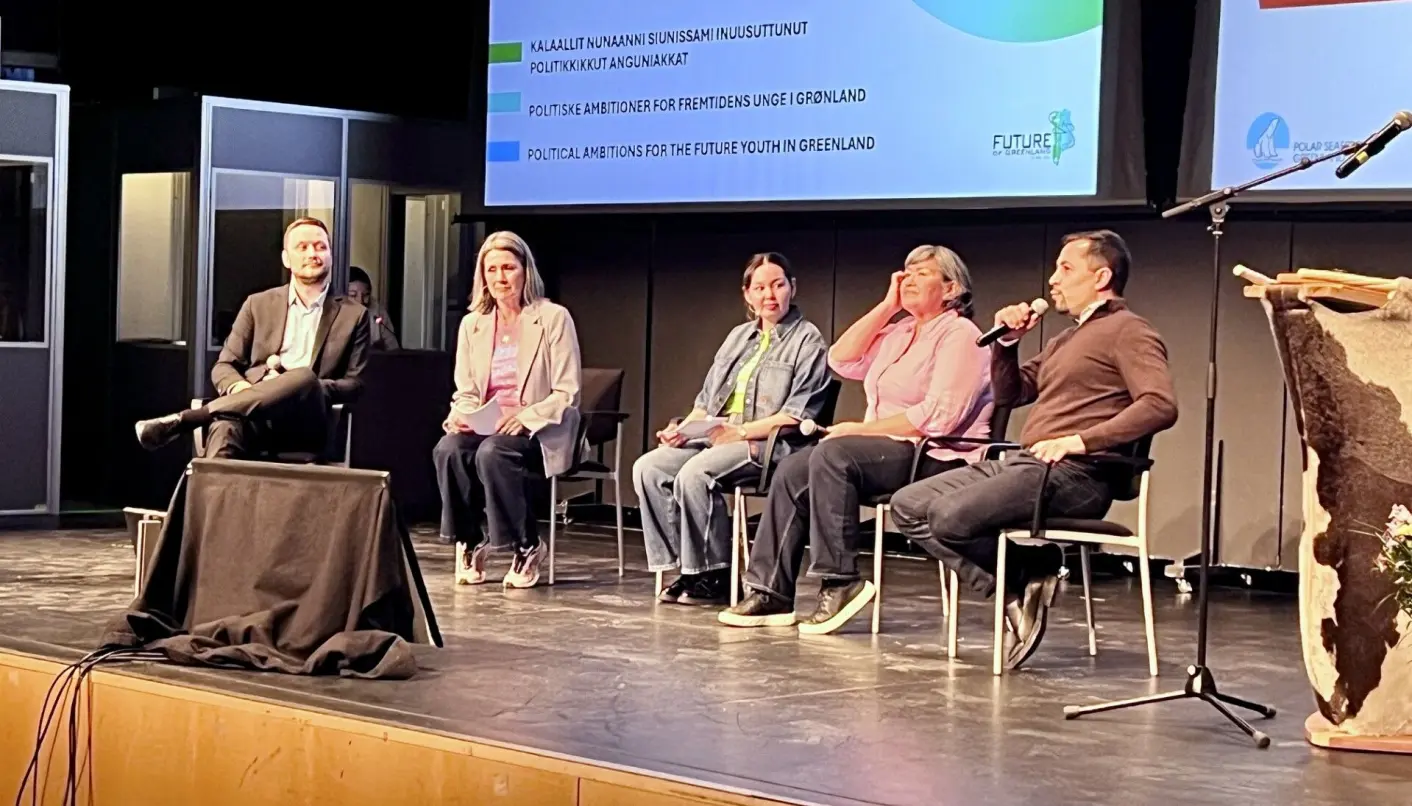
The music is turned down, but the energy lingers in the room. The presenters take the stage and welcome the top politicians with an almost rock star-like introduction.
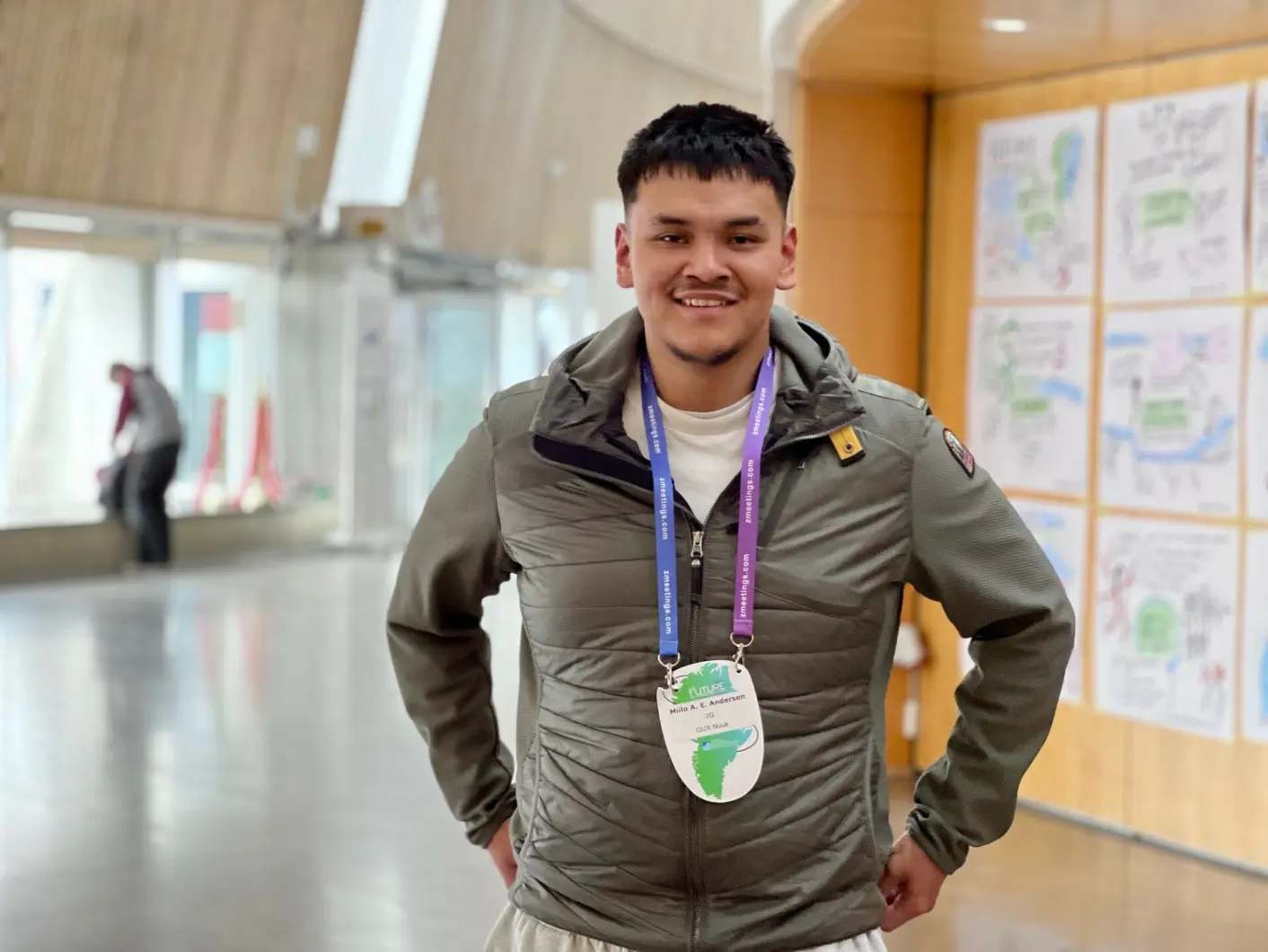
19-year-old Miilo Andersen is sitting in the hall, following along.
“I think it's full of energy. It's quite fun,” he says.
A little further away is 15-year-old Ragna Sander Granlien, who is in the 9th grade at Nuuk International Free School.
– It was really cool to see them come in, and it's great that they want to participate in conferences like this, she says.
– They are very nice to each other, which is nice to see.
Politics shapes our society
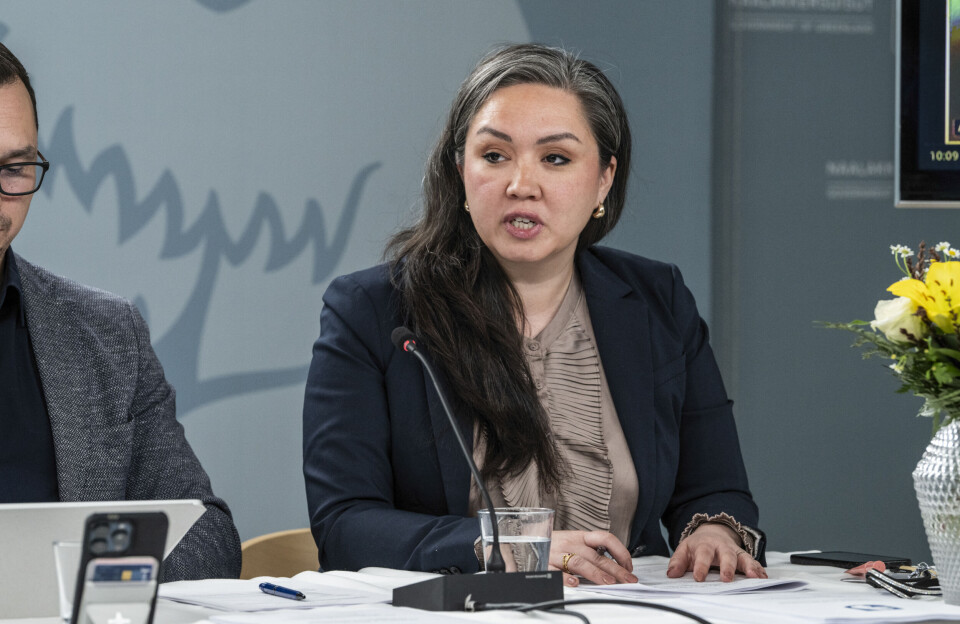
Sulisitsisut is behind the Future of Greenland conference, which in short is about bringing together young people, politicians and business in the same room to talk about Greenland's future - seen through the eyes of the young. Today, Aleqa Hammond, Múte B. Egede and Jens-Frederik Nielsen, among others, will take the stage.
The atmosphere slowly changes from party to politics. But it all still takes place in a young and informal tone.
Ragna Sander Granlien only follows politics a little on a daily basis, but she notices one thing in particular.
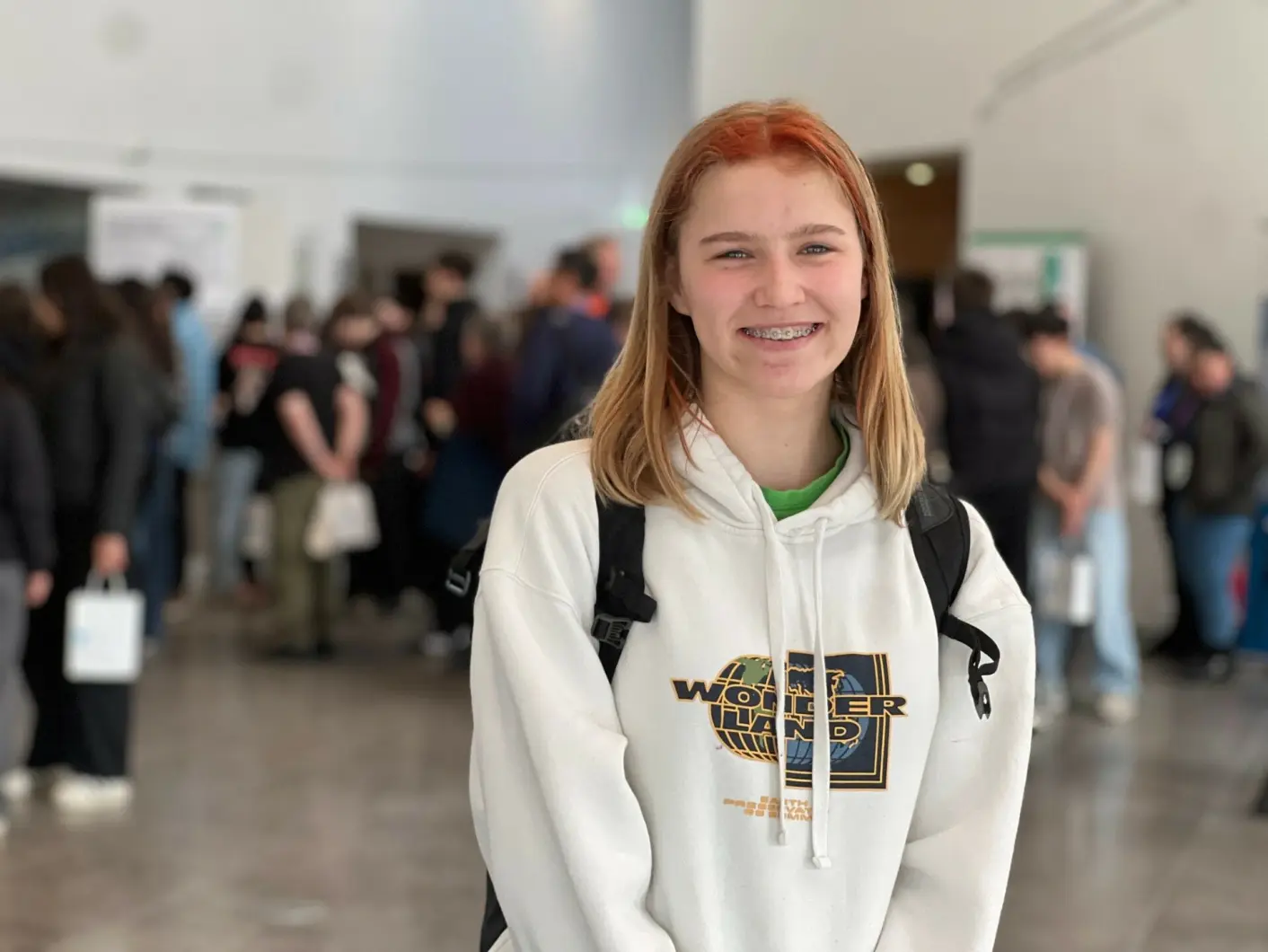
– They talk to each other very nicely and agree a lot with each other, she says.
Miilo Andersen studied social studies in high school, and he has no doubt that politics matters in everyday life.
– I think it's very exciting. Super exciting. It's what shapes our society. It's what makes it possible to go to school for free, go to the hospital and things like that. So it's very important, he says.
This is how politics can become more interesting for young people
During the debate, politicians try to make politics more present to young people. They agree on a few things: the tone of the debate should be better, disagreements don't have to become personal, and young people should dare to ask questions and get involved.
But what do young people think themselves?
– I think it's just that there's more about it in school. Also more contact with politicians, says Ragna Sander Granlien and continues.
– Everyone knows that you can go on a tour there, but maybe it could be a mandatory thing in school. And that politicians come to schools and give presentations, she says.
Miilo Andersen agrees.
– I think it's wise to have conferences like this. Not all young people watch and read the news. We could probably have more about it in school too, says Miilo Andersen.