If the Primary School Act is to be changed, it must be done on a well-considered basis, and where a large number of actors with a connection to primary school have been involved in advance, believe IA politicians in Inatsisartut, who thereby help undermine Naalakkersuisut for Education Nivi Olsen's (S) proposal, which has raised a heated debate among the population.
The IA politicians in Inatsisartut state after a group meeting that they agree that the subject Greenlandic should be strengthened, "but this must not mean that teaching in other languages is impaired", it is stated in a press release.
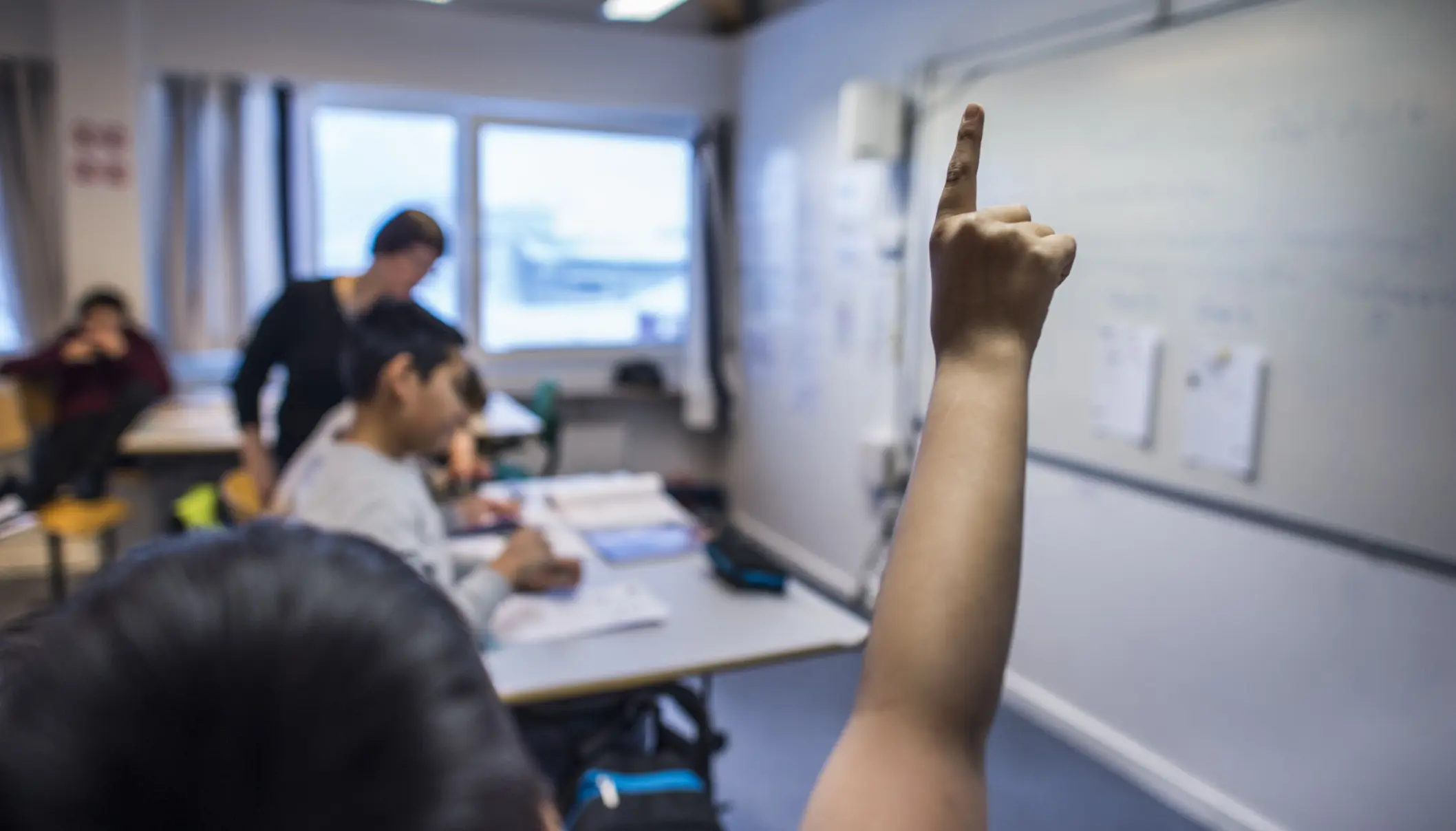
The bill proposes that the youngest grade should have fewer hours and school days, and as a consequence a large number of subjects – including Danish and English – should be eliminated as independent subjects. The central argument was that the purpose was to strengthen Greenlandic and mathematics and ensure that there were fewer school changes during a teaching day, so that the youngest students could have time for more immersion.
Heated debate
The proposal, which Sermitsiaq has discussed in detail, has raised a large and heated debate among the population. Researchers from the University of Greenland and the Greenland Business Association have expressed concern, as it is believed that the bill will reduce young people's opportunities to further their education to upper secondary school and higher education.
In the press release from the IA group, the party also expresses concern about what young students will have to do when the number of school days is reduced.
Meaningful leisure activities
- If it (the bill, ed.) is implemented, meaningful leisure activities and learning for the children after school hours must be ensured while the parents are at work. This applies throughout the country and not just in the cities, states the IA.
- There are many parties that must cooperate in connection with the changes, and who should be more deeply involved in the work. For example: The municipalities must be prepared for the youngest children to have more free time, the teaching material must be adapted, the purpose must be clear to everyone, and this requires that more stakeholders be involved, this also includes that children, parents, school boards and professionals are consulted, according to the IA politicians.
The seven-member IA group also sends a strong appeal to the Government of Greenland not to present the bill at the spring session.
Involve the Greenland Education Council
IA believes that the Greenland Education Council must be involved in the preparation of the amendments to the bill on the primary school, as the council can advise on a “knowledge-based” basis.
- We have also noted that several organizations have raised criticism in the hearing. Therefore, we believe that it is important to involve society and relevant stakeholders in the work on legislative amendments and to let them participate in the design of the amendment proposal, according to the press release that education spokesperson Nivi Heilmann Efraimsen has issued on behalf of the entire group.
The party states that it is prepared to participate in work for "a long-term sustainable organization of the education sector".
- It is about taking our children's learning seriously and understanding that primary school has a major influence on society and on the everyday lives of families, this is emphasized by the seven-member IA group.