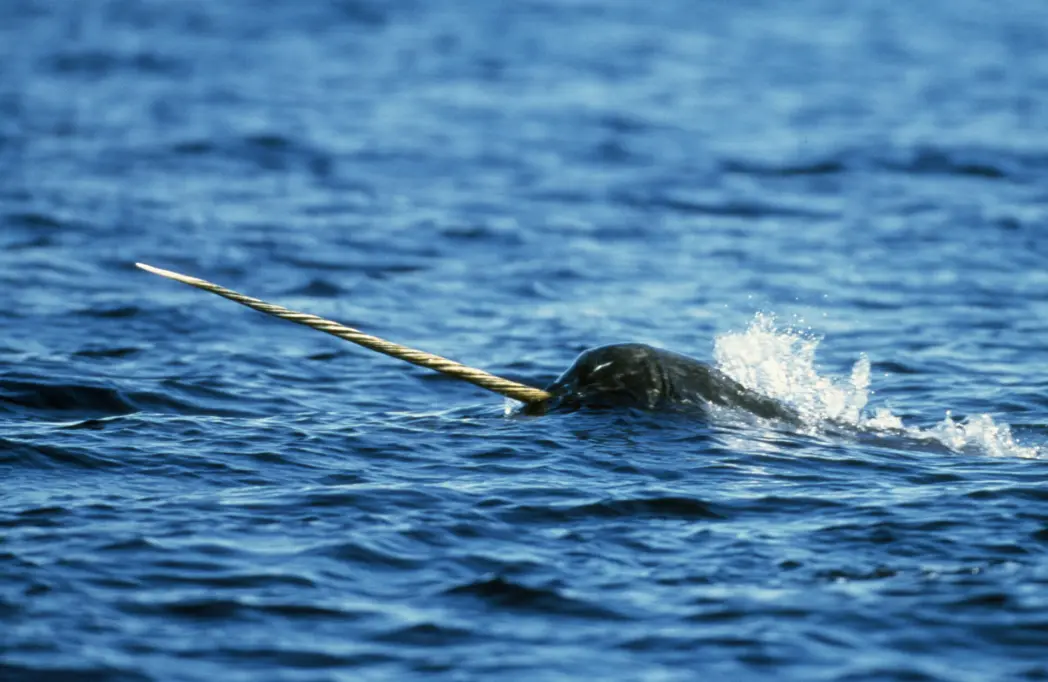

NAMMCO recommends zero-harvest of narwhals and belugas in East Greenland in order to restore the populations so that they are also available for future generations.
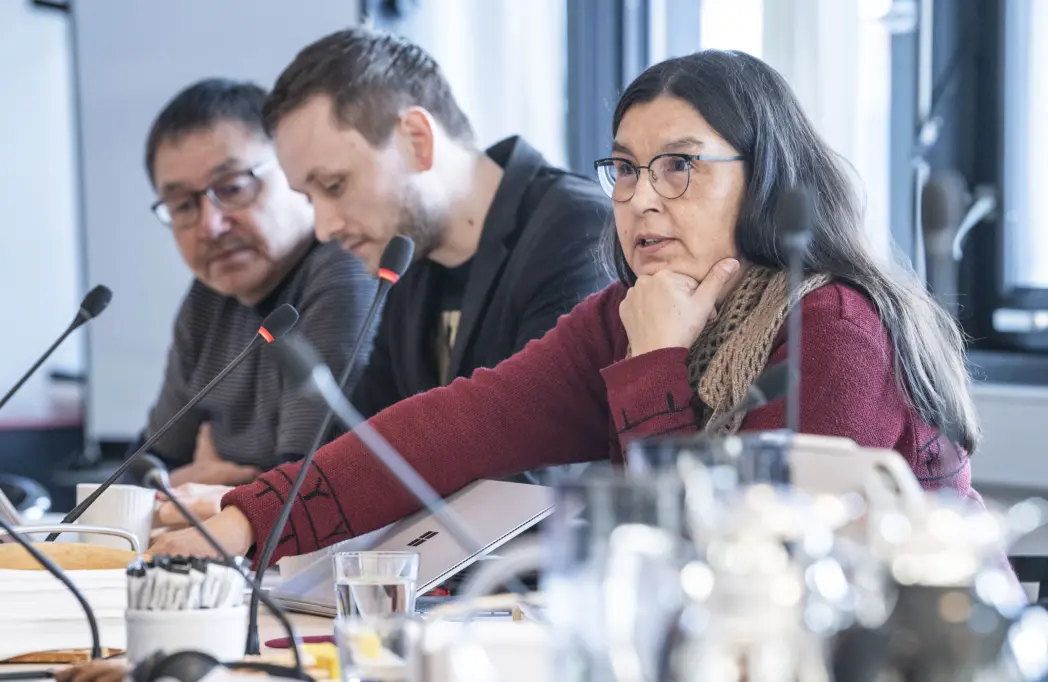
NAMMCo states this in a press release after the organization held a meeting in Nuuk from March 24 to 26.
For the coastal communities in East Greenland, this is not pleasant reading, as the harvest has a profound cultural and socio-economic significance.
The Greenland Institute of Natural Resources' advice for narwhals in East Greenland is based on NAMMCO's recommendations and also zero-harvest.
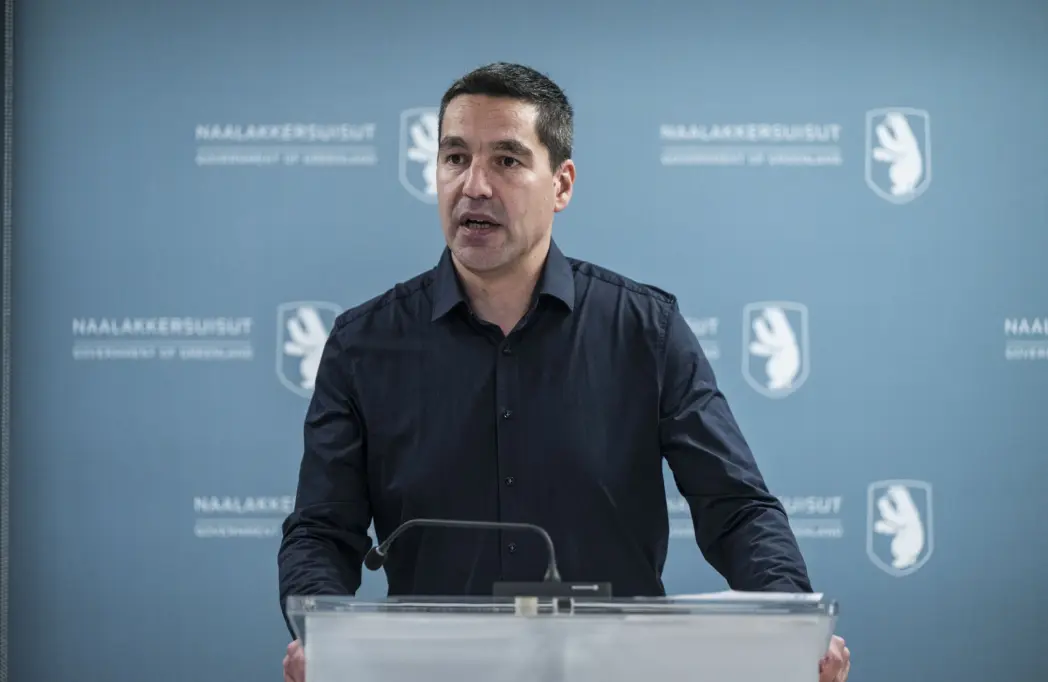
Ultimately, however, it is the Greenlandic Government that sets the quotas for narwhals and belugas, and in recent years there has been a quota for the sake of meat supply.
Thus, the quota is 41 narwhals in 2026 in East Greenland. There is also a residual quota of seven belugas, which applies until 2027.
Large number of pilot whales
In sharp contrast to the situation for narwhals and belugas in East Greenland, the latest counts of pilot whales from the large 2024 census, the North Atlantic Sightings Survey (NASS). The figures show that the population of long-finned pilot whales in the North Atlantic is now estimated to be approximately 320,000 individuals.
The scientific analysis establishes that the catch of pilot whales in both Greenland and the Faroe Islands is fully sustainable. In fact, it is estimated that the population can withstand an annual harvest of up to 1,570 animals without harming the survival of the population.
During the meeting in Nuuk, the focus was on how climate change is changing access to living resources in recent years. It was emphasized that hunting is not the only pressure factor; the Council expresses concern about the increased human activities in East Greenland, including pollution, cruise tourism, military presence and increasing shipping.
Monitoring
As part of modern management, the MINTAG project – a collaboration between the NAMMCO countries and Japan – is now developing smaller satellite transmitters for fin, sei and minke whales, among others.
Experiences from 2025 have already revealed new migratory routes for fin whales and pilot whales from the Norwegian coast towards the UK and Ireland, giving scientists a much better understanding of the whales' migration and school structures.
North Atlantic Marine Mammal Commission
NAMMCO (North Atlantic Marine Mammal Commission) has served as a central cooperation body between Greenland, the Faroe Islands, Iceland and Norway since 1992 regarding marine mammals.
The organization fights for scientifically based and sustainable management of marine mammals, which directly supports the UN's global goals on both life in the ocean and combating hunger.