
Greenland has the highest proportion of young people in the Nordic region who are outside the labour market and education sector.
In 2021, approximately 30 percent of Greenlandic young people between the ages of 16 and 25 were neither in education nor employment. And over half of those aged 25-64 have no education other than primary school.
The Nordic Network for Lifelong Learning is a network organisation under the Nordic Council of Ministers that works across the five Nordic countries Denmark, Finland, Iceland, Norway and Sweden and the three autonomous areas in the Nordic region Åland, the Faroe Islands and Greenland.
Exchange of experiences
One of the network's new initiatives is a joint project with a focus on ensuring competence development and inclusion for the countries' youth target groups who are not in education or on the labour market.
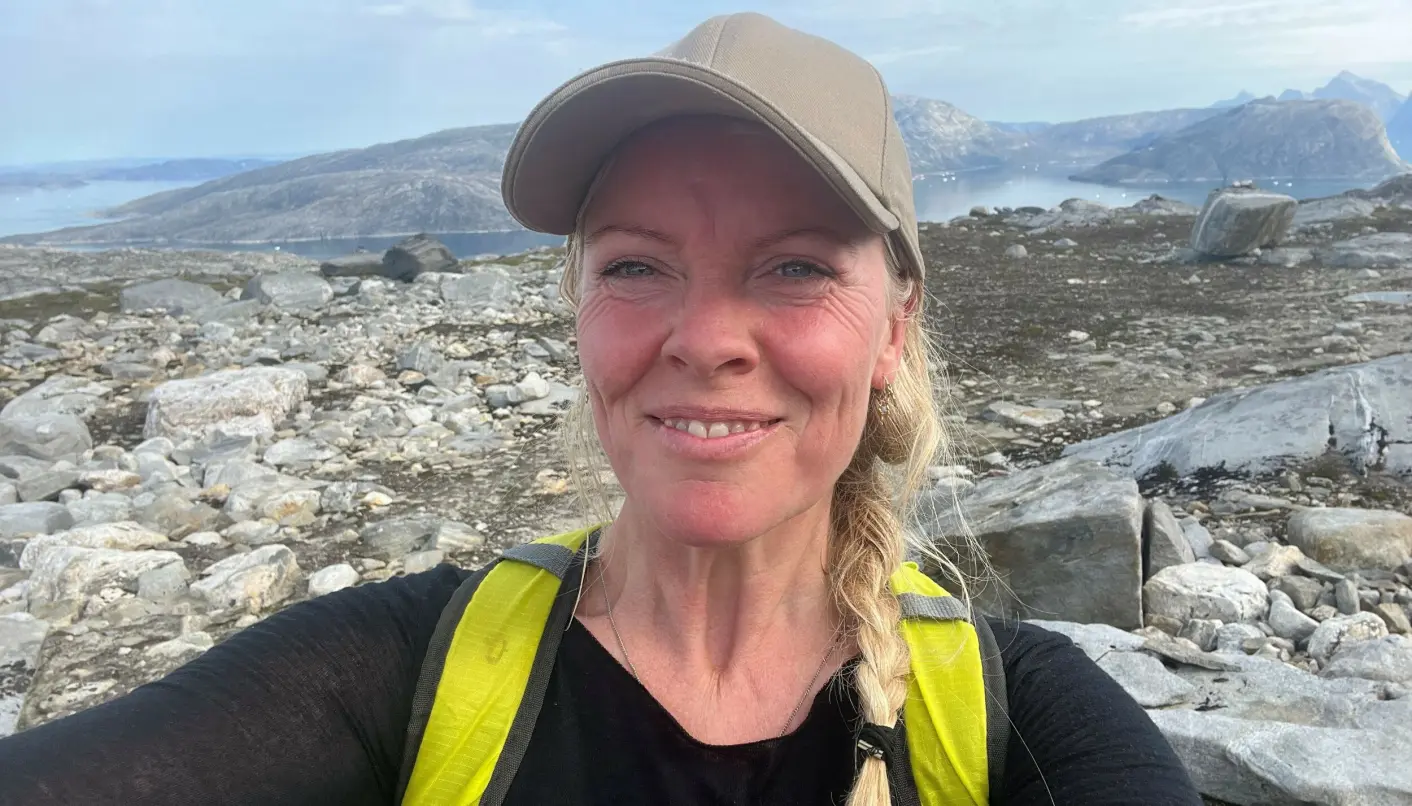
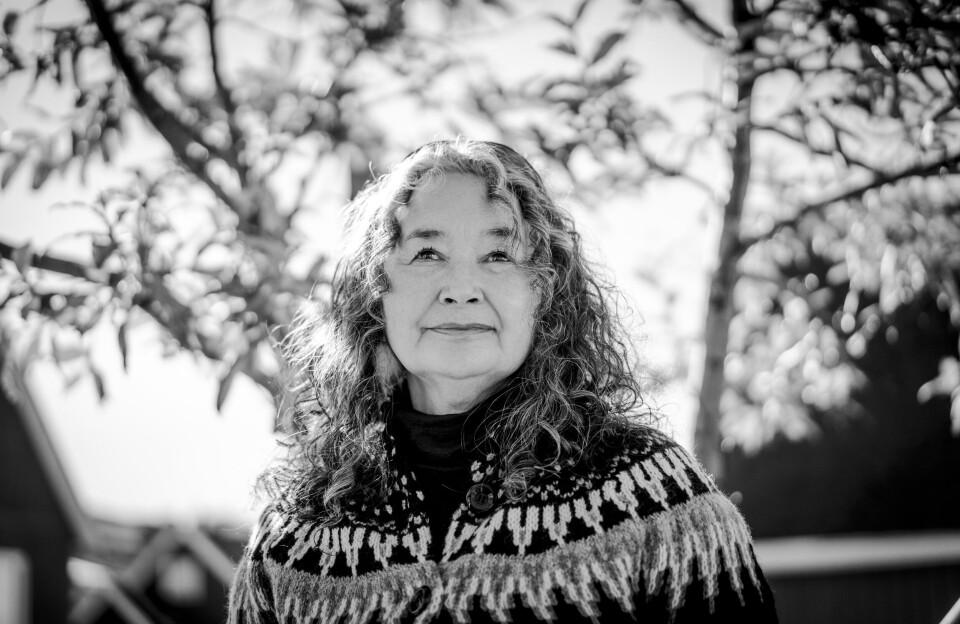
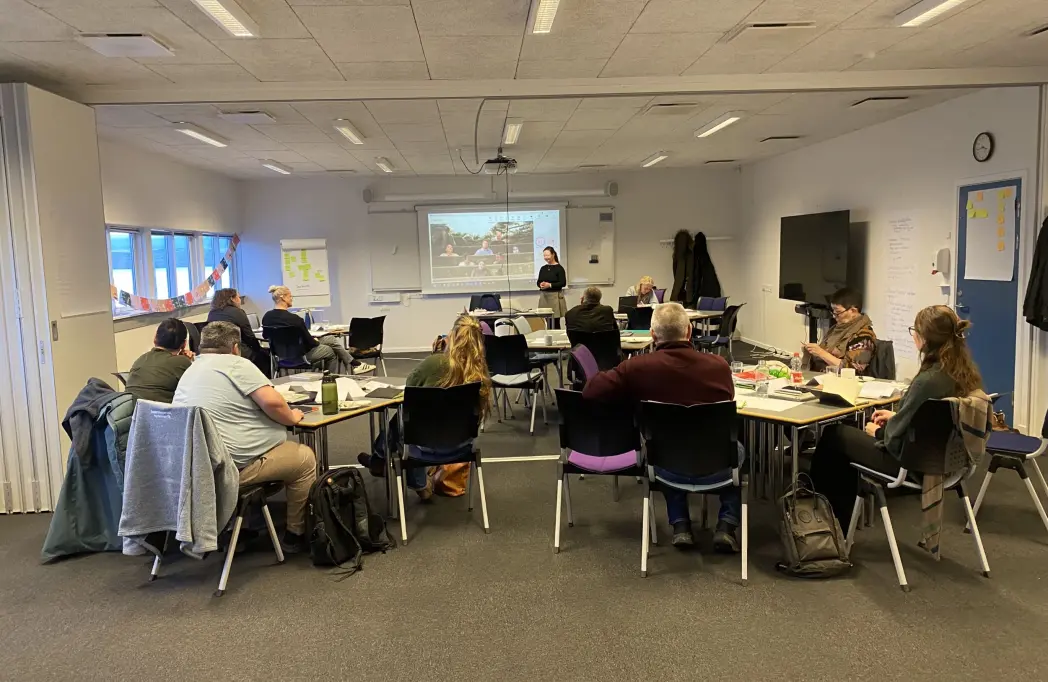
Lene Andersen, who is a special consultant at Greenland's guidance unit AQQUT with responsibility as national coordinator for the network in Greenland, facilitates the meetings and has put together a project group that will contribute knowledge and experiences to the project, which runs until 2027. During the project period, the affiliates from each country will meet in each other's countries and exchange experiences.
– The overall goal is that fewer young people will become part of the group of young people who are outside the labour market and youth education, both for the well-being of the individual young person and for the sake of Greenlandic society. In the project group, we focus on guidance in the transitions between primary school and education or work, retention and outreach guidance. We also focus on the fact that small communities require specially adapted solutions that must be "settlement-proof" - i.e. adapted to their own local conditions. The project may result in some political recommendations, or that a pilot project is launched or teaching materials are developed, but it is still too early to say. We have spent the first few meetings finding out what initiatives are taking place around the country, and what challenges the counselors are experiencing in terms of reaching the youth target group.
Many initiatives underway
Kofoeds Skole's youth project, the Entrepreneurship Foundation, Mind Your Own Business, Timi Asimi, Siu-Tsiu, the NUIKI project and Majoriaq's Pilersitsivik course are just some of the projects and actors working to get young people into work or further in the education system.
– There are an incredible number of exciting activities happening in Greenland, and there are many who are trying to take care of the young people. It is important that we know what is going on, so that we can also tackle the challenges, and finally there can also be good energy for the actors in meeting across sectors and talking about experiences and possible collaborations, says Lene Andersen, adding that it is not certain that the young people will go into a job or education right away, but an individual course may be offered:
– It could be guidance interviews in a course or perhaps a project adapted to the individual. I think we need to look more at transition guidance and career learning throughout the entire elementary school. What are the possibilities? The solution could be a combination of different offers for the young people, and close contact with the counselors around the country who follow up on the young people and see them in everyday life.