The warming of the Arctic is happening on average four times as fast as the rest of the globe.
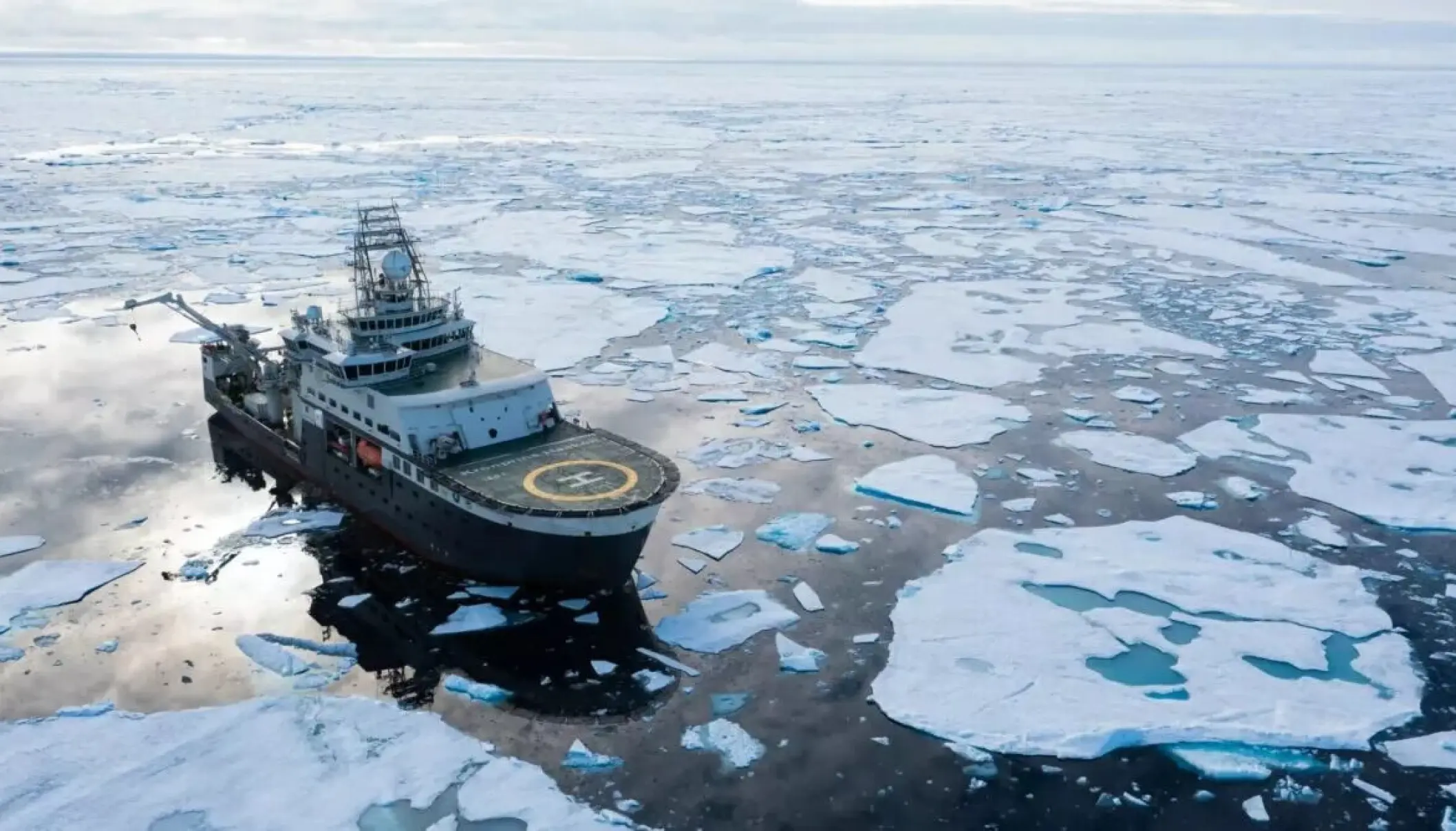
And it is something that can be felt in the Arctic Ocean, also known as the Arctic Ocean.
It is expected to be ice-free in the summer within 25 years. This will have extensive consequences for biodiversity, global climate change, business, trade and security. But according to researchers, we still know far too little about the Arctic Ocean to be able to predict and anticipate the changes. The Norwegians now want to change that.
That is why the Norwegian government has chosen to invest one billion Norwegian kroner in the research project Arctic Ocean 2050, where 18 Norwegian research institutions with different focus areas will examine the ocean and the changes from a wide range of angles.
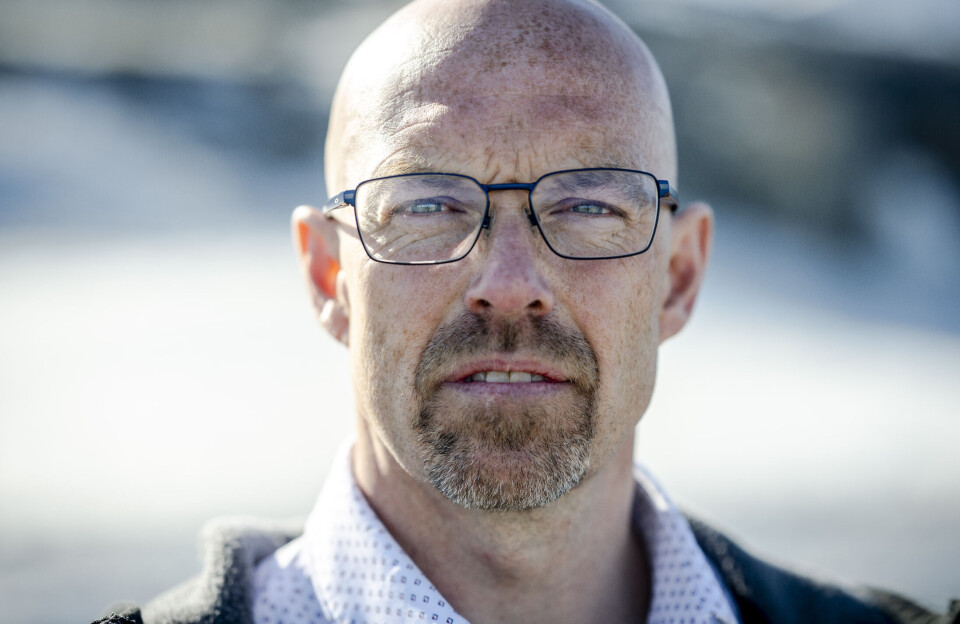
- This is possibly the biggest climate change that modern humans have witnessed, said Jørgen Berge, chairman of the board of directors for Arctic Ocean 2050, during a kick-off event in Tromsø.
- Data and information must now be collected so that we can better understand what will happen when the ocean changes from white to blue.
Gaps in our knowledge
Arctic Ocean 2050 will touch on a wide range of different research topics over the next ten years, with 18 Norwegian research institutions making different contributions. Several of them were presented at the Arctic Conference in the Norwegian city of Tromsø, about 350 kilometers north of the Arctic Circle.
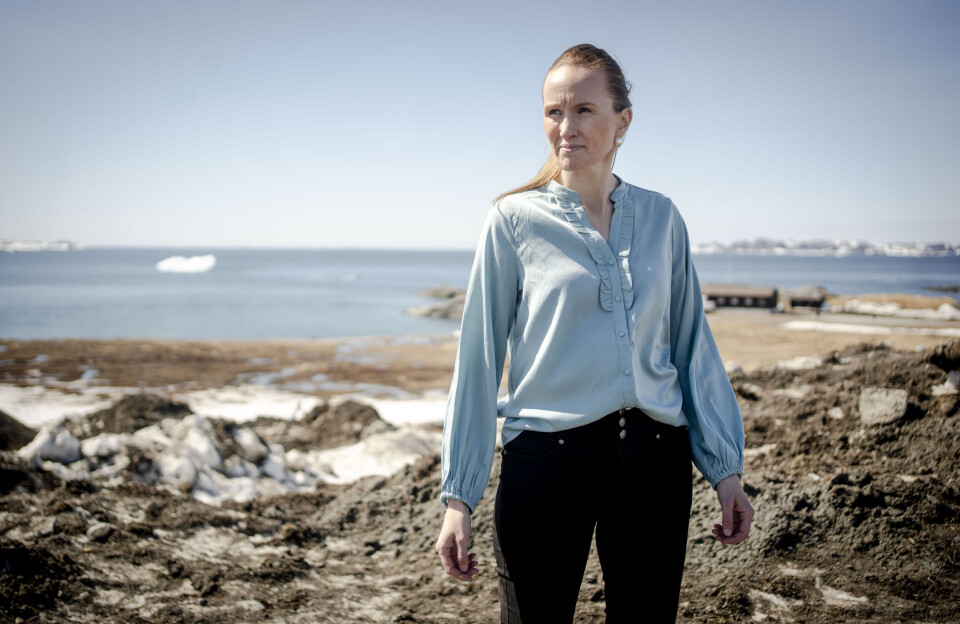
- Unfortunately, we live in a time when truth and facts are constantly being challenged, says Morven Muilwijk of the Norwegian Polar Institute.
- We therefore need credible science more than ever.
He points out that many of the models used to calculate the ocean circulation – which affects temperatures and weather around the globe – are “based on very geographically limited and outdated data.”
- The observation work planned in Arctic Ocean 2050 will hopefully help fill in some of the gaps.
The flora and fauna of the Arctic will also change drastically after adapting to the ice. And it starts low in the food chain.
- Sea ice algae are an important base in the Arctic food chain, but we actually know very little about the organism, explains Zoe Koenig, postdoc at UiT The Arctic University of Norway in Tromsø.
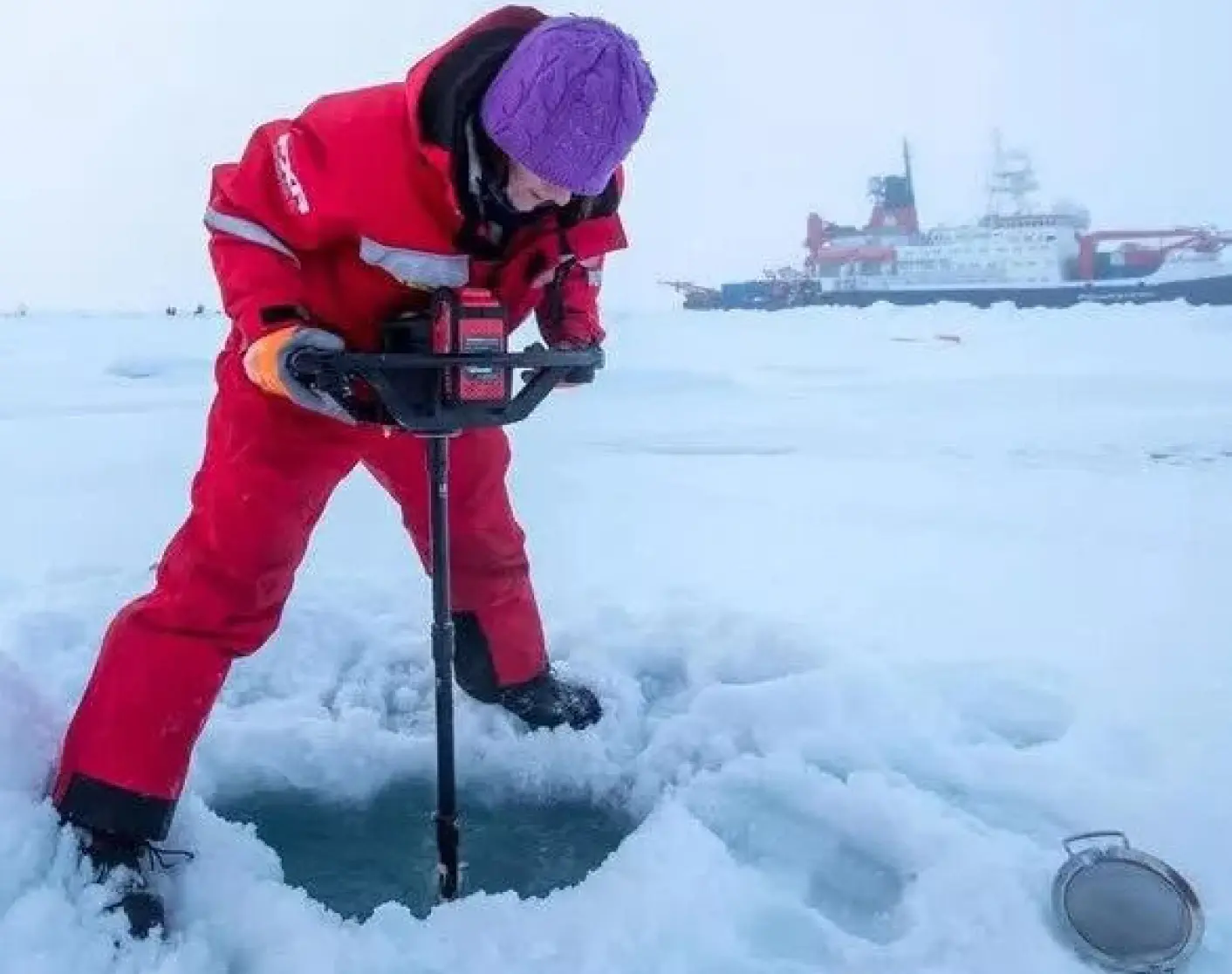
Sea ice algae, which are smaller than grains of sand, live off sunlight and nutrients on the underside of the ice at the poles. They are eaten, among other things, by small crustaceans, which are eaten by fish, which are eaten by seals, and so on.
- Research into Arctic organisms has previously been difficult. We still lack an understanding of where the algae's food comes from and how they develop in different environments. So what does it mean that the ice is disappearing and new species are emerging? That's something we'd like to find out.
The canary in the coal mine
Arctic Ocean 2050 doesn't just look at climate change, business and geopolitics. The researchers will also examine what happens in the ocean when people release more and more pollution into nature.
- Pollution is a problem as big as climate change. It's much more than just plastic in nature, says Clare Andvik, a PhD student at the University of Oslo.
- We emit thousands of invisible chemicals that can cause cancer, weaken the immune system, affect hormones and even poison our brains. And it is all around us, even in a place as pristine as the Arctic.
She compares the Arctic to a canary in a coal mine: an early warning system where many of the effects of pollution can be detected early.
- One example is the killer whale, which currently has a thousand times higher level of chemical pollution in its body than humans, she says.
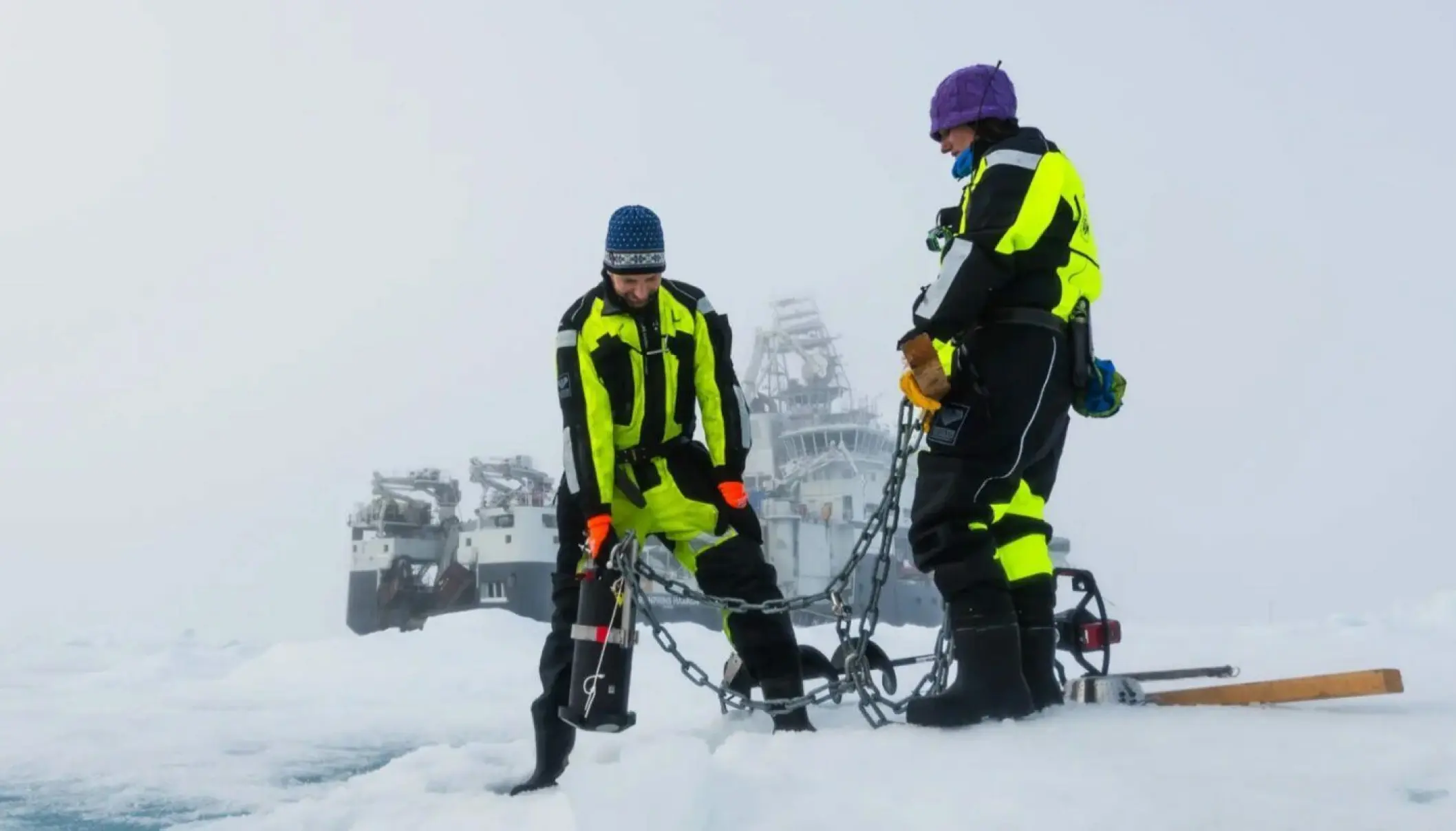
- Research shows that half of killer whale calves die due to pollution that they get directly from their mothers. Top predators like the killer whale are the first indicator of pollution in the ecosystem.
Arctic Ocean 2050 is planned to run for ten years until 2036.
Abonnementer
Sermitsiaq.gl - web artikler
- Adgang til alle artikler på Sermitsiaq.gl
- Pr. måned kr. 59.00
- Pr. år kr. 650.00
Sermitsiaq - E-avis
- Adgang til Sermitsiaq e-avis som udkommer hver fredag
- Adgang til alle artikler på Sermitsiaq.gl
- Pris pr. måned kr. 191
- Pris pr. år kr. 1.677
AG - Atuagagdliutit E-avis
- Adgang til AG - Atuagagdliutit e-avis som udkommer hver onsdag
- Adgang til alle artikler på Sermitsiaq.gl
- Pris pr. måned kr. 191
- Pris pr. år kr. 1.677
Sermitsiaq.AG+
- Adgang til AG - Atuagagdliutit e-avis som udkommer hver onsdag
- Adgang til Sermitsiaq e-avis som udkommer hver fredag
- Adgang til alle artikler på Sermitsiaq.gl
- Adgang til Arnanut e-magasin
- Adgang til Nutserisoq.gl
- Ved interesse send en mail til abonnement@sermitsiaq.gl
Kære Læser, Velkommen til Sermitsiaq.gl – din kilde til nyheder og kritisk journalistik fra Grønland. For at kunne fortsætte vores vigtige arbejde med at fremme den frie presse og levere dybdegående, kritisk journalistik, har vi indført betaling for udvalgte artikler. Dette tiltag hjælper os med at sikre kvaliteten af vores indhold og støtte vores dygtige journalister i deres arbejde med at bringe de vigtigste historier frem i lyset. Du kan få adgang til betalingsartiklerne fra kun kr. 59,- pr. måned. Det er nemt og enkelt at købe adgang – klik nedenfor for at komme i gang og få fuld adgang til vores eksklusive indhold. Tak for din forståelse og støtte. Dit bidrag hjælper os med at fortsætte vores mission om at levere uafhængig og kritisk journalistik til Grønland.