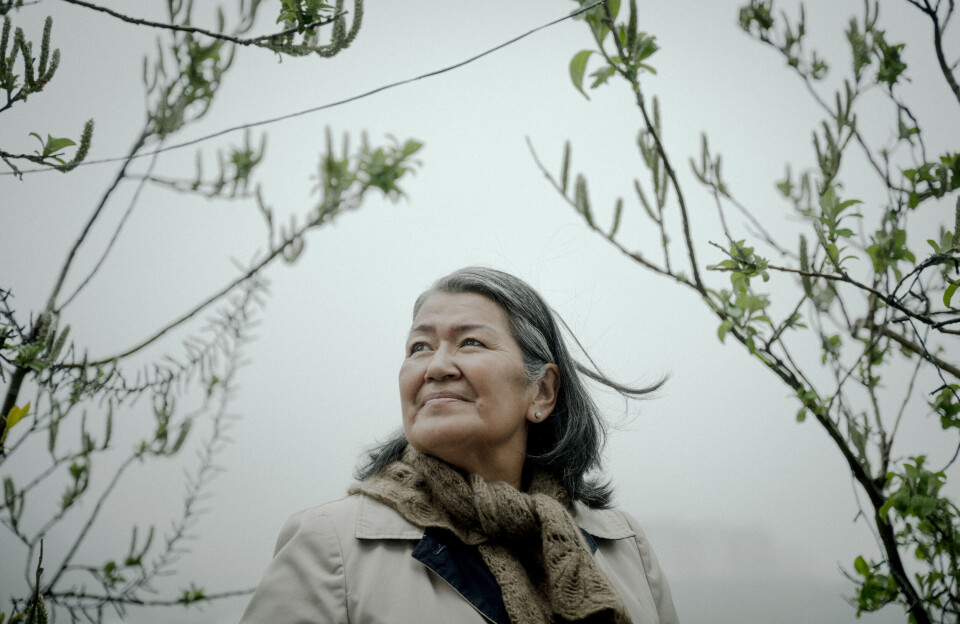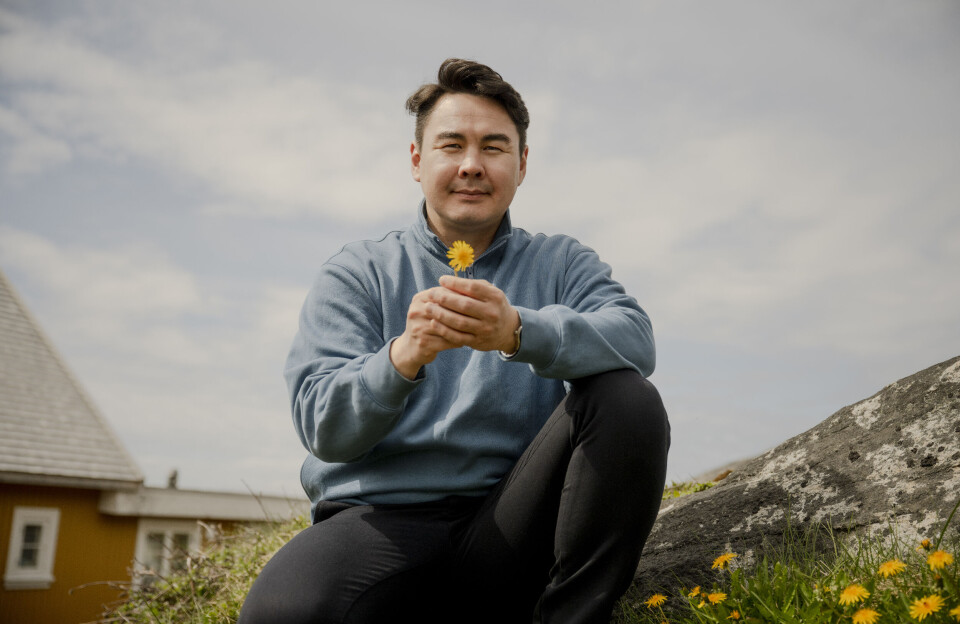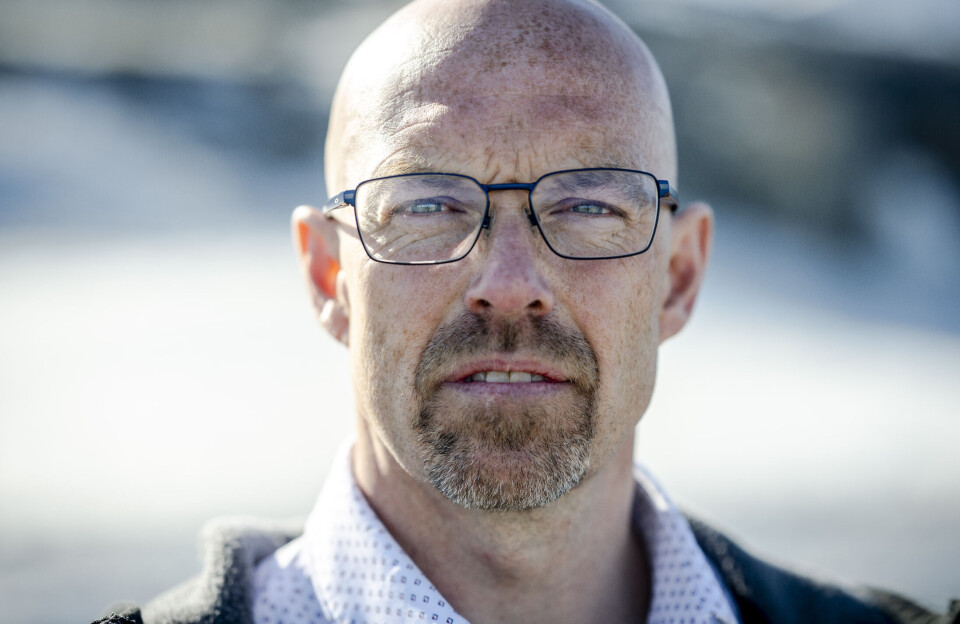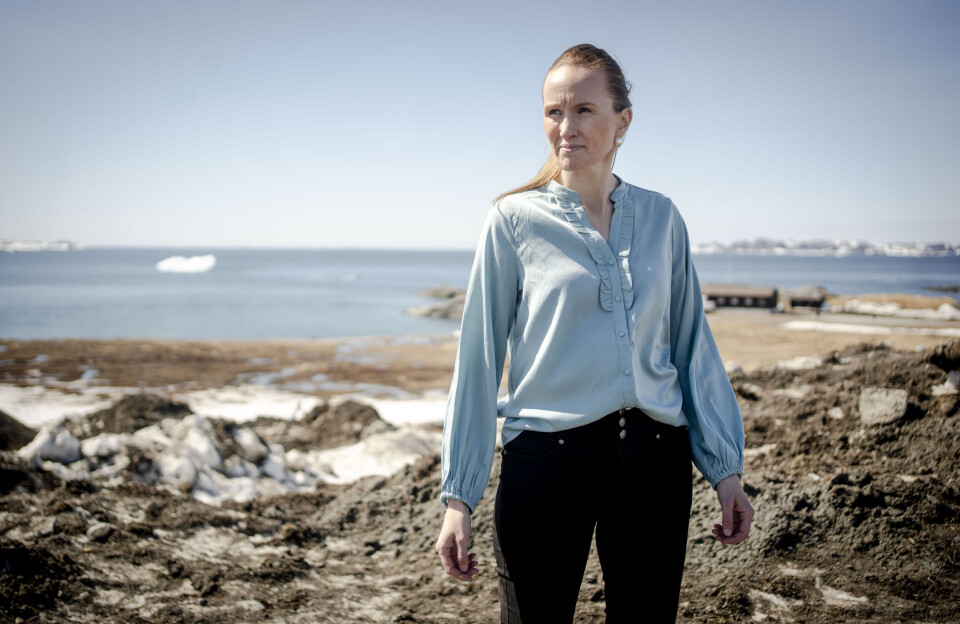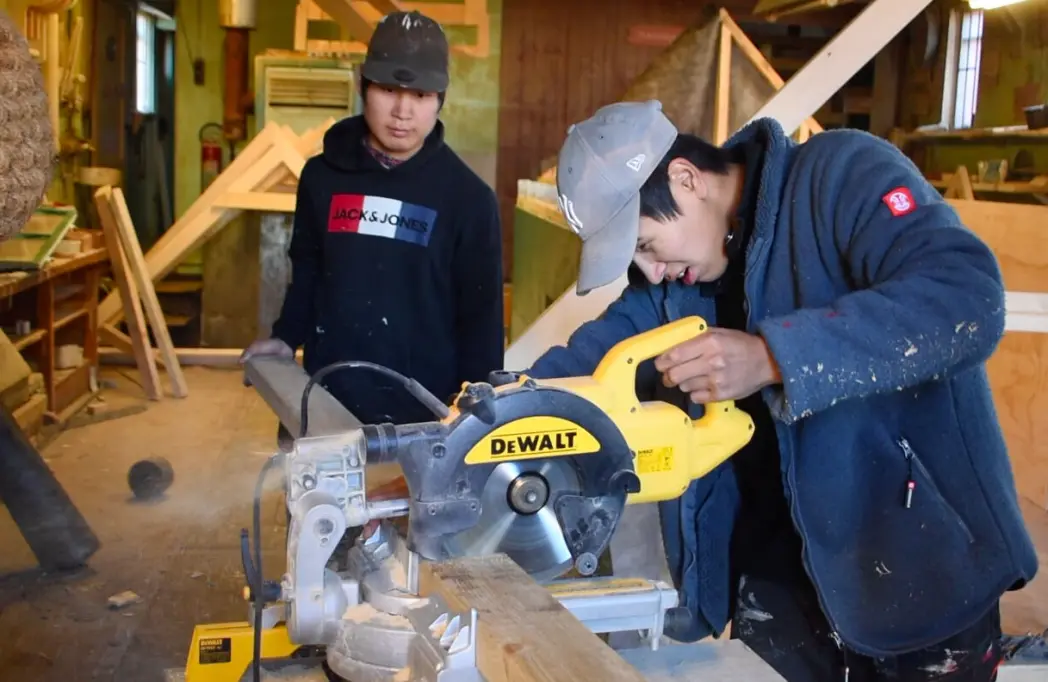

They paint houses, clear snow, build dog houses and benches, grow vegetables and keep chickens.
The social economy enterprise Siu-Tsiu, which takes young people on training courses, has since 2021 solved a wide range of practical tasks locally in both Tasiilaq and Qaqortoq in close collaboration with the municipalities, Majoriaq and the business community.
– For example, we have a collaboration with Royal Greenland, which both uses the labor of young people and is now also helping to develop courses for young people. The same with KJ Greenland. It is about the training course taking place in the working world every day - not just as short internships, but in everyday life with colleagues in the real business world, says Director of Siu-Tsiu, Hanne Danielsen.
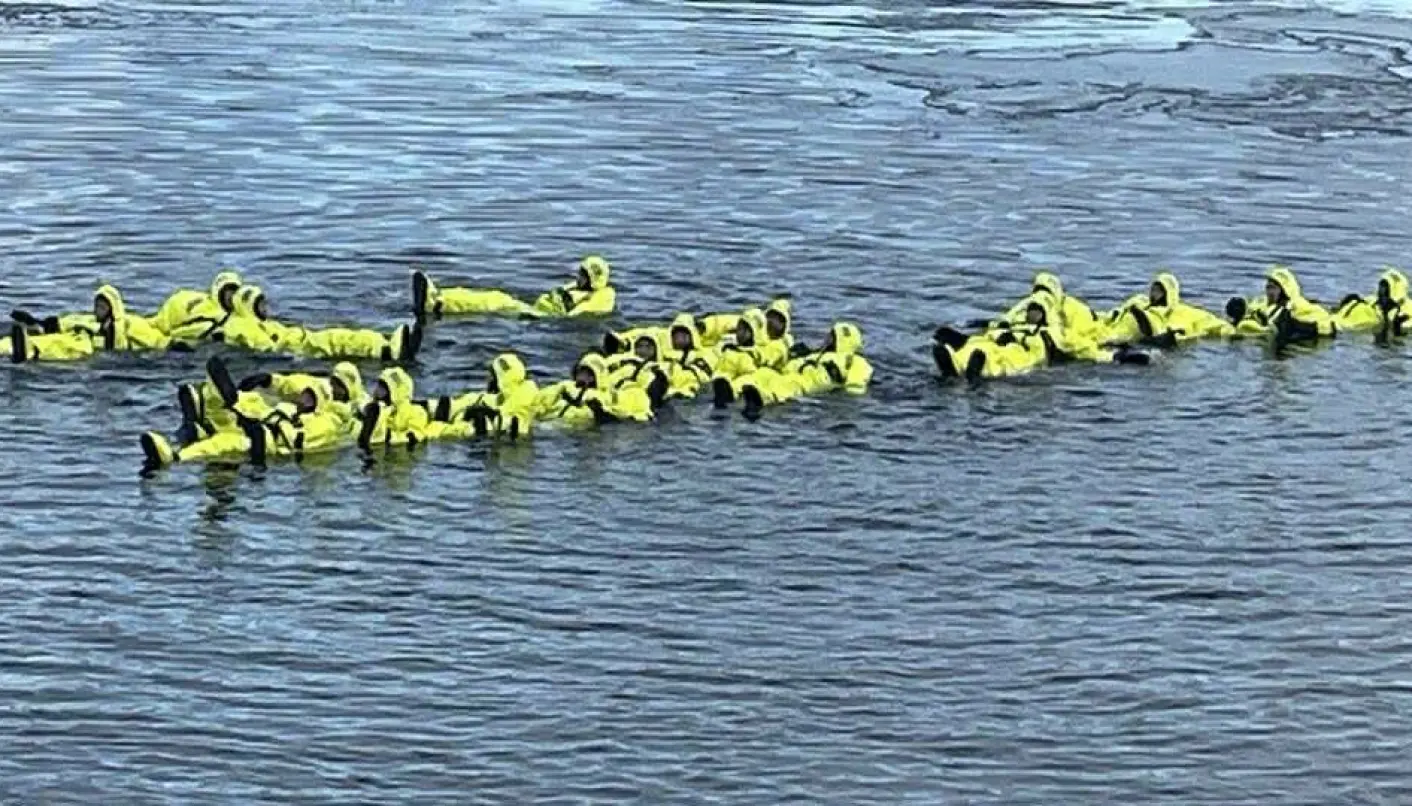
During the Siu-Tsiu course, young people are offered various skills-building courses that can strengthen their job opportunities later.
– For example, it could be a course in maritime safety and first aid, which gives young people access to work on a trawler, for example. Or a driving license, which gives them the opportunity to become a driver. At the same time, young people learn basic skills such as repairing their own house, catching their own food, feeding dogs and being able to work with tourist companies, says Hanne Danielsen.
Inquiry in Inatsisartut
But despite Siu-Tsiu's success in both solving practical tasks locally and getting young people further in education or jobs, the ground has not yet been created for other social economy enterprises in Greenland.
In November, this prompted Margrethe Thårup Andersen, a member of Inatsisartut for Demokraatit, to take the initiative for a debate on how to promote the role of social economy enterprises in the work to minimize youth unemployment from a political perspective. According to Margrethe Thårup Andersen, social economy enterprises can “play an important role in realizing our common political ambitions to reduce youth unemployment. By offering meaningful employment and a safe learning environment, such enterprises can contribute to young people becoming more qualified, gaining a better network and undergoing important personal development. It is essentially about giving young people a new start and the belief that there is a way forward,” she wrote as a presentation for the debate.
Unused tool against youth unemployment
During the debate, it was clear that all parties support social economy as an untapped tool in the fight against youth unemployment. But there was also a recognition that there is a need to remove barriers and make it more attractive to establish a social economy enterprise in Greenland.
Barriers must be investigated
The Government of Greenland stated in connection with the debate that they have initiated an internal process to shed light on the barriers experienced today.
The Government of Greenland also believes that it is obvious to investigate the possibilities for cooperation projects with Canada, the Faroe Islands and Iceland. And they will also look more closely at our current business promotion schemes and what support options they can contribute to promote social economy enterprises.
Finally, the Government of Greenland stated that they will investigate whether different incentive structures should be included if young people are involved, e.g. via mentoring schemes. And then, any future EU contributions can also be considered in the development of the area, just as there is a need to strengthen knowledge about the concrete benefits of registering under the social economy scheme with the Danish Consumer and Competition Authority.

Belongs to the municipalities' finances
One of the experiences from Siu-Tsiu is that it is difficult to run a social economy enterprise without support from foundations. And even then it is expensive for the municipalities. Because unlike the training course in Majoriaq, where the self-government pays half of the municipalities' expenses, Siu-Tsiu's training course falls under the municipalities' finances.
Fortunately, the 4 Danish foundations, Oak Foundation Denmark, ØStifterne, Bikubenfonden and Hempelfonden, are still responsive to the municipalities' wishes.
According to Director of Siu-Tsiu Hanne Danielsen, there would probably be more social economy training and workplaces if they were included in the same scheme as Majoriaq's training course.
– Another challenge for not only Siu-Tsiu, but also other training courses is that a number of young people drop out and instead register as unemployed, as this gives them more money in the bank, says Hanne Danielsen.
The Government of Greenland expects that new measures aimed at social economy enterprises will be translated into concrete initiatives over the coming years.