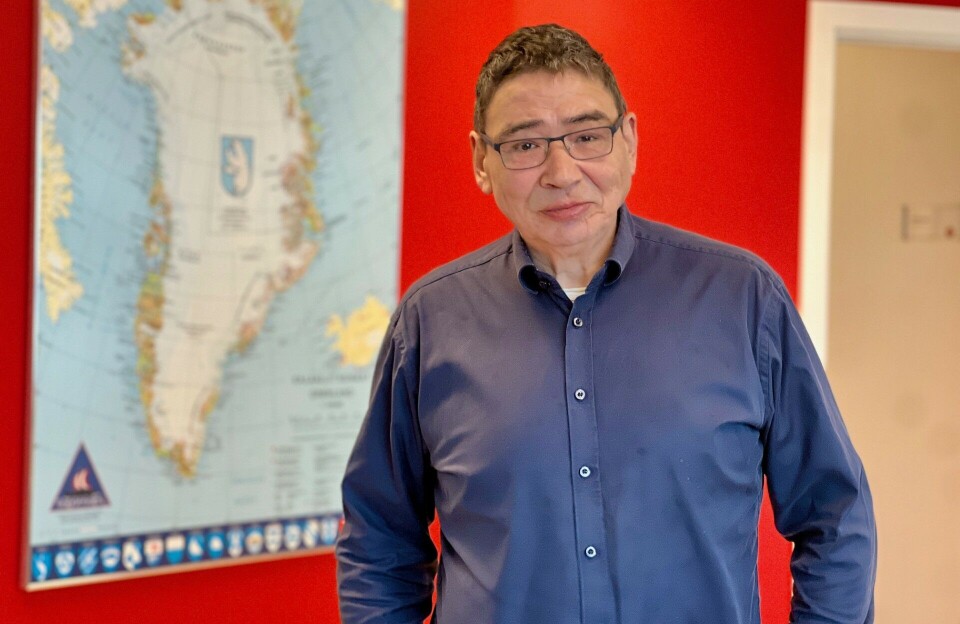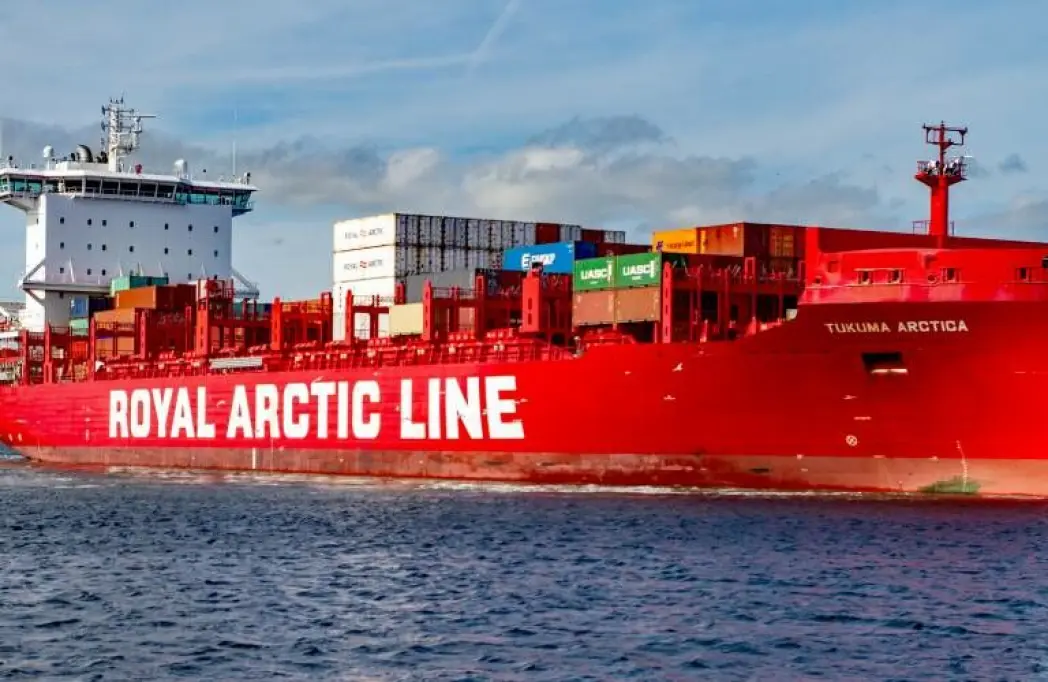
RAL's CEO Niels Clemensen considers it inevitable that the shipping company will have to adjust the oil and currency surcharge (BAF/CAF, ed.) upwards in the near future.
- With the development in international oil prices that we have seen in the past 14 days since the USA and Israel started the war against Iran, it will certainly have an impact on our BAF/CAF surcharge in the long term and thus on Greenlandic society, Niels Clemensen states to Sermitsiaq.
He explains that the BAF/CAF surcharge is adjusted retrospectively in relation to oil consumption and the price at which the shipping company purchases bunkers in the previous month.
Fully effective in May
- This means that the consequences of the price increases on oil, which we are experiencing right now, will only fully affect our surcharge when the adjustment is made on 1 May, the director explains.
He does not know how high an adjustment the shipping company is forced to make and which will affect all customers who need freight in or out of Greenland, which could ultimately result in price increases on, for example, food.
- But in the last 14 days, we have experienced that the price of a barrel of crude oil has increased by 50% on the international market, and all other things being equal, this increase must also be reflected in the price we will pay for bunker oil in the future, until the supply situation from the Middle East via the Strait of Hormuz is secured and has stabilized again, says Niels Clemensen.
Latest adjustment
The last time the oil and currency surcharge was adjusted was March 1, so it now amounts to 13 percent. Exactly one year ago, the oil and currency surcharge was two percentage points lower.
When RAL issues an invoice, you can see the BAF/FAC surcharge, which is a percentage of the sum of sea freight, handling in the port of shipment and handling in the port of destination.
Royal Arctic Line does not profit from these surcharges, which are only used to insure the company against large fluctuations in oil and currency prices.