Climate change and urbanization are putting pressure on the traditional dog sled culture, but the dog is still an active partner in hunting and cultural communication. Although dog sledding is in decline in some places, Manumina Lund Jensen emphasizes that the tradition survives by changing and adapting.
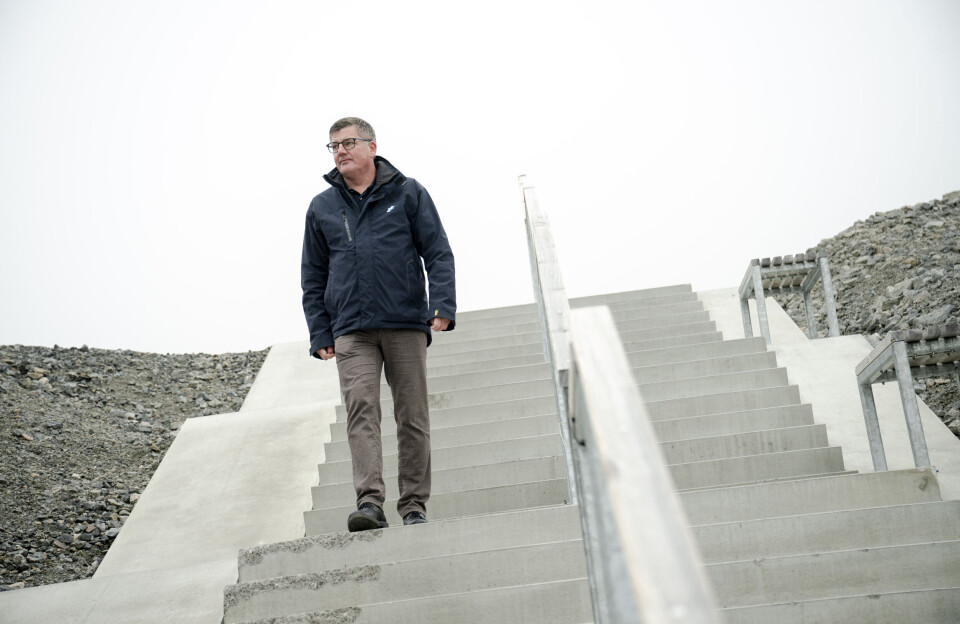
Manumina Lund Jensen is an assistant professor at Ilisimatusarfik and she believes that we must do away with the notion that cultural heritage is a static "box" from the past.
- If you start freezing it, that's where culture begins to die, says Manumina Lund Jensen, criticizing the notion that culture is best preserved through resistance to change.
Manumina Lund Jensen is currently conducting new research on the role of sled dogs in Greenlandic culture and survival.
The dog as a co-actor
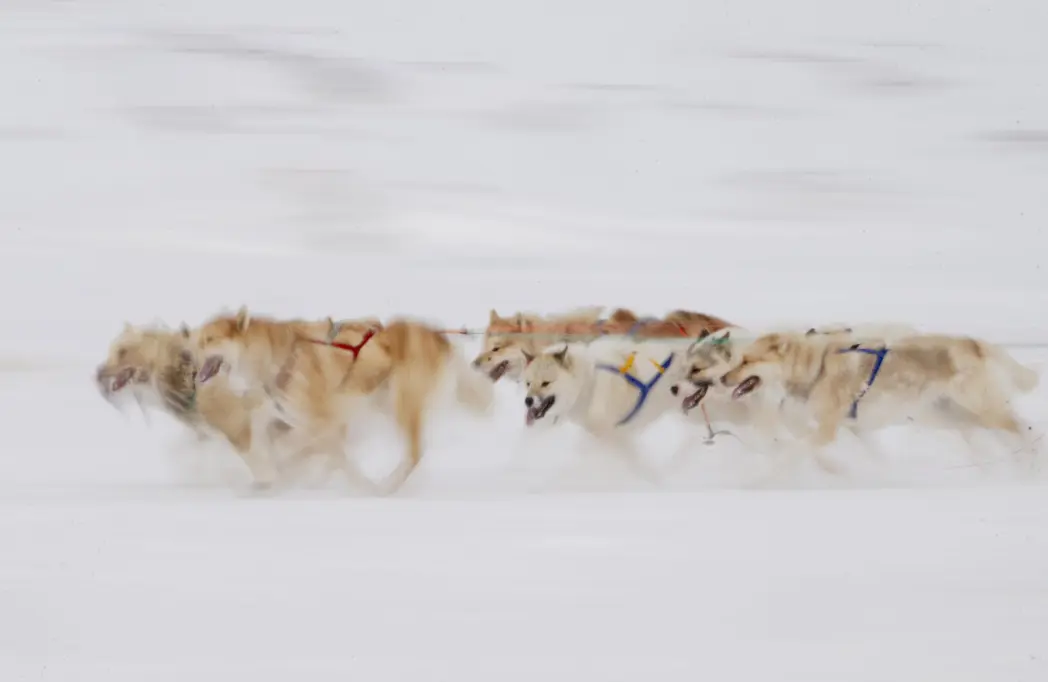
Although technology is gaining ground, the researcher emphasizes that sled dogs are still active co-actors in hunting and travel. This relationship is not only about transport, but about a unique, bodily knowledge and the ability to read nature, which has been inherited through generations.
In North Greenland, this specialized knowledge is still absolutely central to the cultural identity and the very basis of life. The relationship between the trapper and his dogs is therefore far more than a working relationship; it is a deep, mutual dependence.
- It is a coexistence based on survival together. Because as many trappers themselves say, a trapper cannot be a trapper without his sled dog, without his qimmit, says Manumina.
Urbanization brings challenges
Although the sled dog is a cultural cornerstone, modern urban planning and veterinary regulations create growing barriers for the drivers.
As cities grow, dogs are often prioritized lower than housing, forcing owners to move their livestock away from the comfort of their homes.
This separation not only makes it more difficult to supervise the dogs' well-being on a daily basis, but also places a burden on the drivers for transportation.
- In Sisimiut they have established dog areas and have removed the sled dogs from the inner city - this makes it expensive for the drivers.
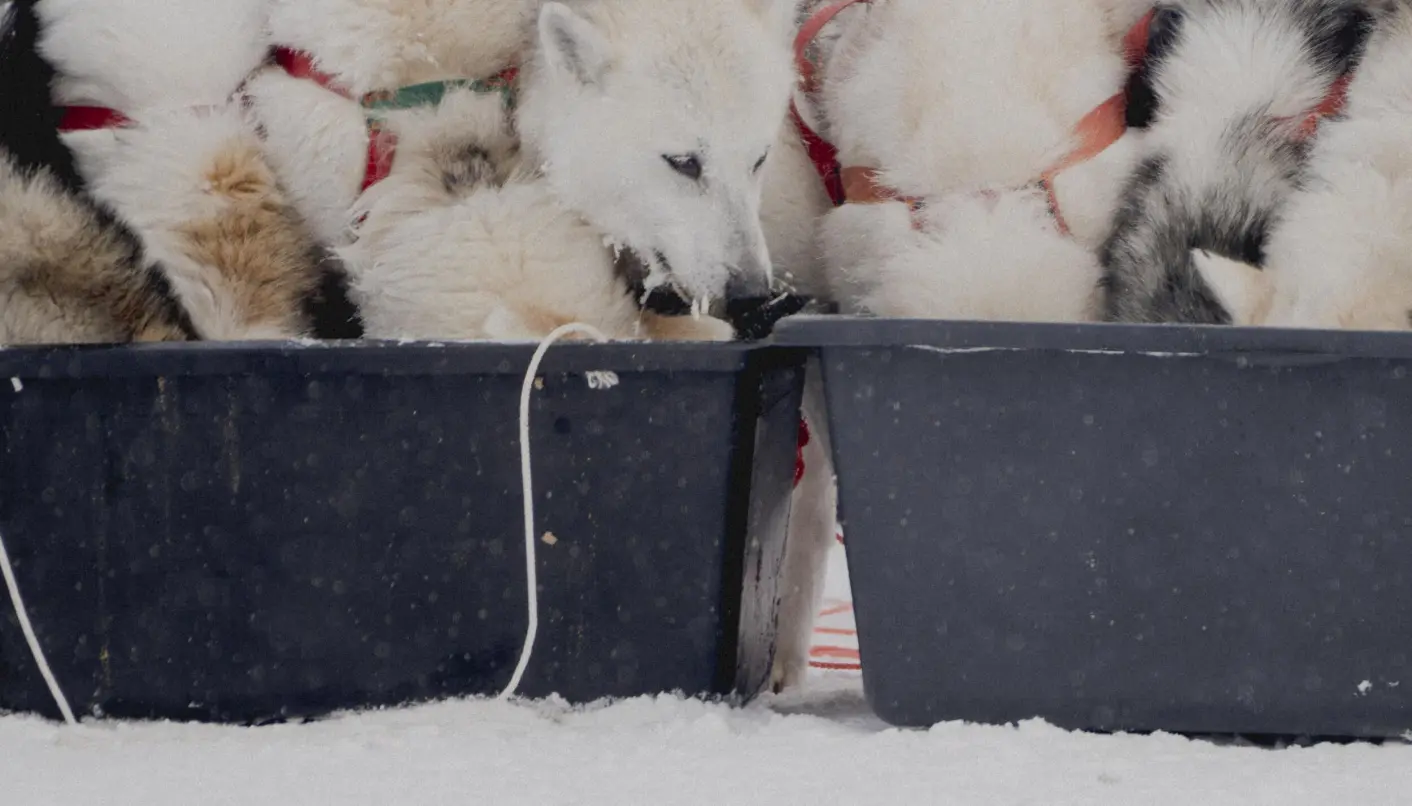
Rumors about wolf blood
The dog sled culture is not just a modern tradition, but a thousand-year-old story of survival, that traces its roots all the way back to Siberia and Alaska.
Archaeological finds and Inuit tales testify to a time when wild wolves roamed the West Greenland fjords and crossed the sea ice from Canada. This past still lives on in the dogs' genes, as hunters have deliberately infused wolf blood to create a more robust and enduring breed.
- Some sled drivers who have wanted to have wolf blood in their dogs have crossed the dogs with wolves. Lund Jensen confirms this when she is asked about the rumors about wolf blood in the sled dogs.
Nanorriutit - Polar Bear Dogs
Among the Greenland sled dogs there is a special elite known as nanorriutit - polar bear dogs. These dogs are not genetically different from other sled dogs, but they are selected and trained by trappers for a deadly task.
A polar bear dog must have special courage, as it is not natural for all dogs to confront a bear. During the hunt, the dogs are released to catch up and hold the polar bear at bay until the trapper arrives.
- This knowledge of selecting and training the right dogs is a form of bodily experience that you can't read about in a book, Manumina elaborates.

Inatsisartut must listen to the drivers to preserve the sled dog culture
To ensure that the sled tracks do not disappear for future generations, Manumina Lund Jensen points out that the politicians in Inatsisartut must first and foremost listen to the drivers and understand the local challenges.
It's about everything from the high cost of feed to the frustration over urban planning, where dog areas are often abandoned in favor of construction projects.
But even for those in South Greenland or the big cities who have never been on a sled, the loss of dog culture is a loss of shared identity.
The Thule culture people immigrated to the entire country with both qajaq and sled dogs, and the dog has historically provided everything from transportation to warm inner socks and fur trim on kamikazes. As Jensen emphasizes, the sled dog is a part of everyone's history.
- Culture changes all the time. But at some point, their ancestors have had sled dogs... they have it in their history, at least, concludes the researcher, Manumina Lund Jensen.
Abonnementer
Sermitsiaq.gl - web artikler
- Adgang til alle artikler på Sermitsiaq.gl
- Pr. måned kr. 59.00
- Pr. år kr. 650.00
Sermitsiaq - E-avis
- Adgang til Sermitsiaq e-avis som udkommer hver fredag
- Adgang til alle artikler på Sermitsiaq.gl
- Pris pr. måned kr. 191
- Pris pr. år kr. 1.677
AG - Atuagagdliutit E-avis
- Adgang til AG - Atuagagdliutit e-avis som udkommer hver onsdag
- Adgang til alle artikler på Sermitsiaq.gl
- Pris pr. måned kr. 191
- Pris pr. år kr. 1.677
Sermitsiaq.AG+
- Adgang til AG - Atuagagdliutit e-avis som udkommer hver onsdag
- Adgang til Sermitsiaq e-avis som udkommer hver fredag
- Adgang til alle artikler på Sermitsiaq.gl
- Adgang til Arnanut e-magasin
- Adgang til Nutserisoq.gl
- Ved interesse send en mail til abonnement@sermitsiaq.gl
Kære Læser, Velkommen til Sermitsiaq.gl – din kilde til nyheder og kritisk journalistik fra Grønland. For at kunne fortsætte vores vigtige arbejde med at fremme den frie presse og levere dybdegående, kritisk journalistik, har vi indført betaling for udvalgte artikler. Dette tiltag hjælper os med at sikre kvaliteten af vores indhold og støtte vores dygtige journalister i deres arbejde med at bringe de vigtigste historier frem i lyset. Du kan få adgang til betalingsartiklerne fra kun kr. 59,- pr. måned. Det er nemt og enkelt at købe adgang – klik nedenfor for at komme i gang og få fuld adgang til vores eksklusive indhold. Tak for din forståelse og støtte. Dit bidrag hjælper os med at fortsætte vores mission om at levere uafhængig og kritisk journalistik til Grønland.