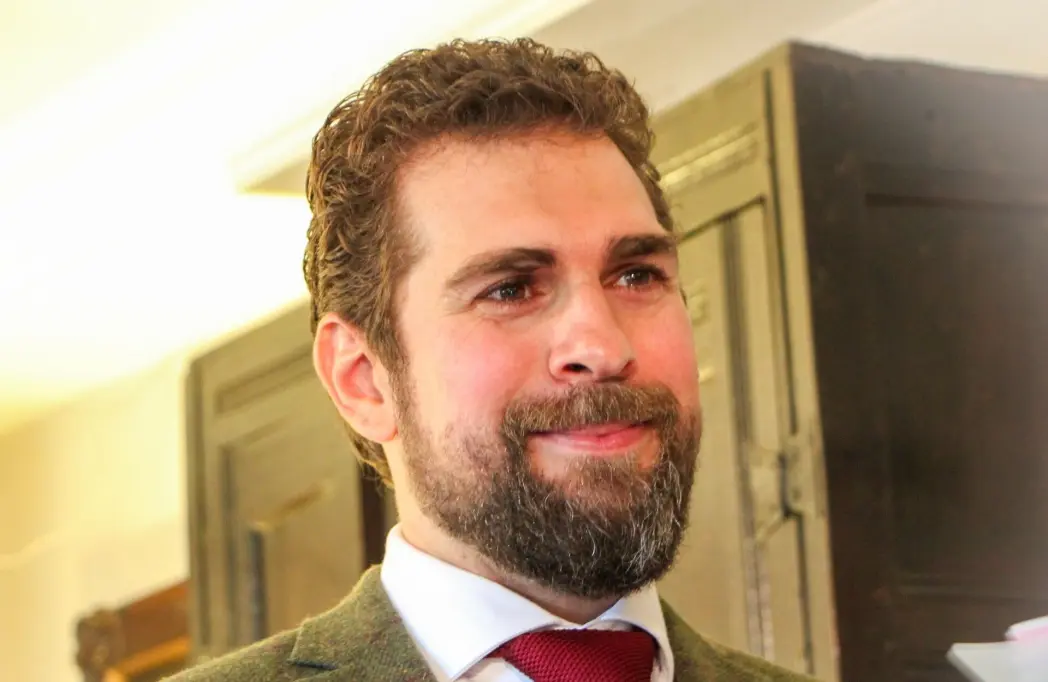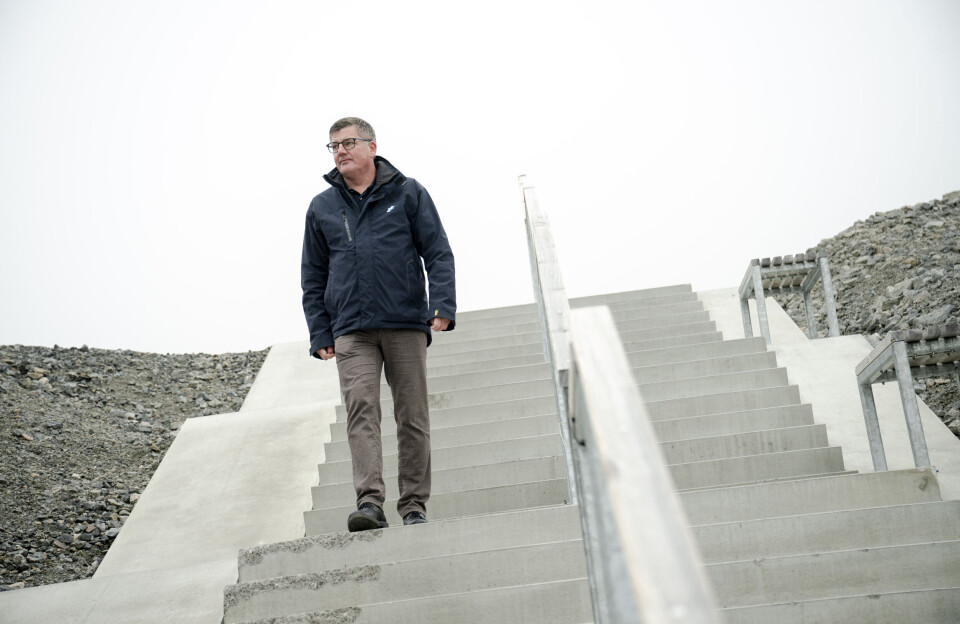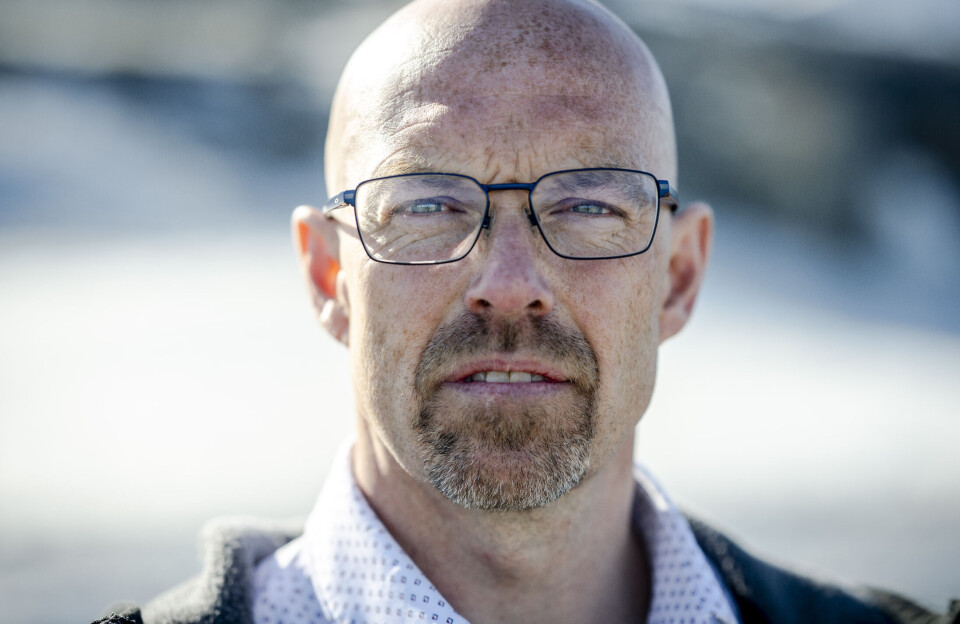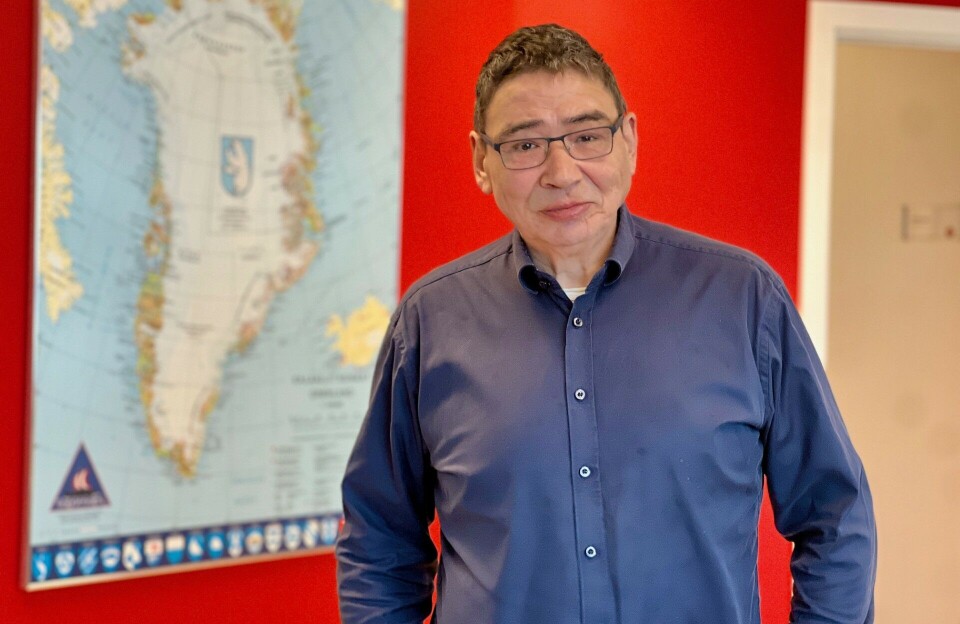

Hans Peder Kirkegaard points out that the preparations are already giving cause for concern, also in the media. Naalakkersuisoq appears conciliatory, while Danish Prime Minister Mette Frederiksen is taking a more confrontational line. According to Kirkegaard, this raises the question of why the parties do not speak with one voice.
"Normally, officials coordinate their messages and agreements, who says what, and how it is handled. But if you are going to meet next week, it is crucial that you can go into the meeting with a common Danish-Greenlandic position," he says.
He emphasizes that it requires honesty from the Danish side and a sincere respect for Greenland. There should be a real common understanding and a clear agreement on what is said before the meeting, during the meeting and afterwards.
According to Kirkegaard, the problem is precisely that there currently does not seem to be a consensus. He refers, among other things, to the fact that Greenlandic representatives did not participate in a recent meeting in the Folketing, where security policy was discussed. Here, it was only the members of the Folketing who discussed the situation based on an overall goal of protecting the cohesion of the Realm.
He points out that Greenland's desire for increased independence in this context can be perceived as a security risk from the Danish side. When there is international talk – including from the USA – of either increased Greenlandic independence or a closer connection to the USA, it is perceived in Denmark as a threat to the Commonwealth and Denmark's position.
“No matter how you twist it, it will be seen as a weakening of the Kingdom of Denmark,” he says.
That is precisely why Kirkegaard believes that Denmark must be honest, and that Greenland and Denmark must stand together. If the parties go into the meeting next week without knowing what they want to say – and without a common line afterwards – it could have serious and negative consequences.