The University of Southern Denmark (SDU) has tested rescue drones in the Arctic. The pilot project, Arcsar, was carried out in collaboration with the Alexandra Institute and Arctic Command.
This is according to a press release from SDU.
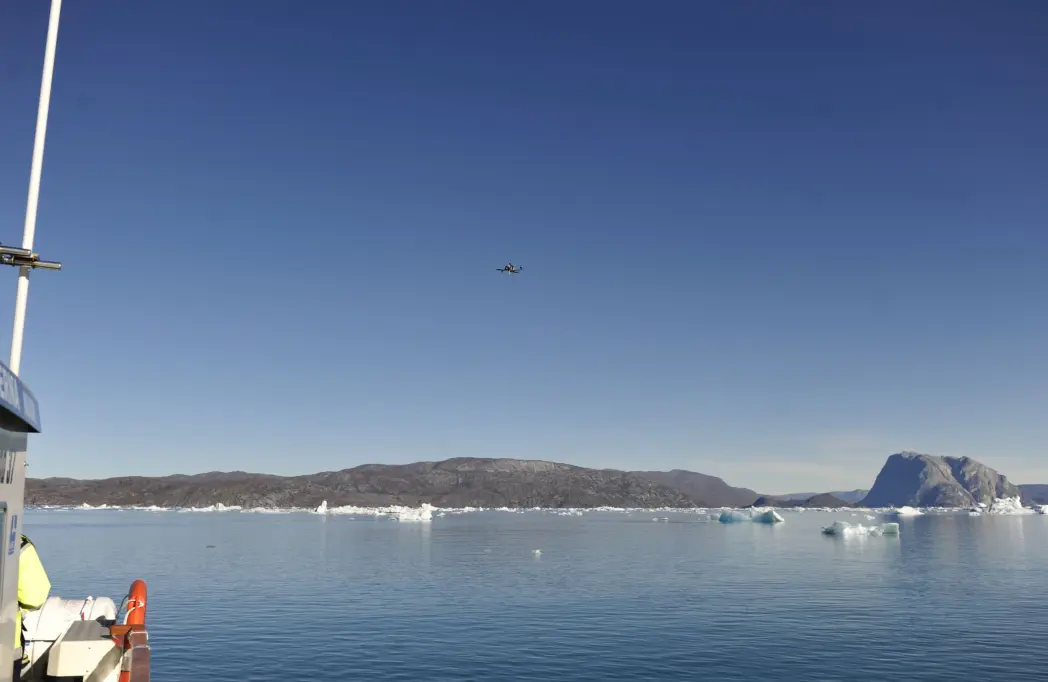
In September 2025, 32 drone flights were carried out to test the use of drones for rescue operations in Greenland and collect data for models based on artificial intelligence (AI).
The project hopes to make rescue operations in the Arctic more efficient. The drones will be able to be controlled partially automatically and send images to a helicopter pilot and a drone operator in real time.
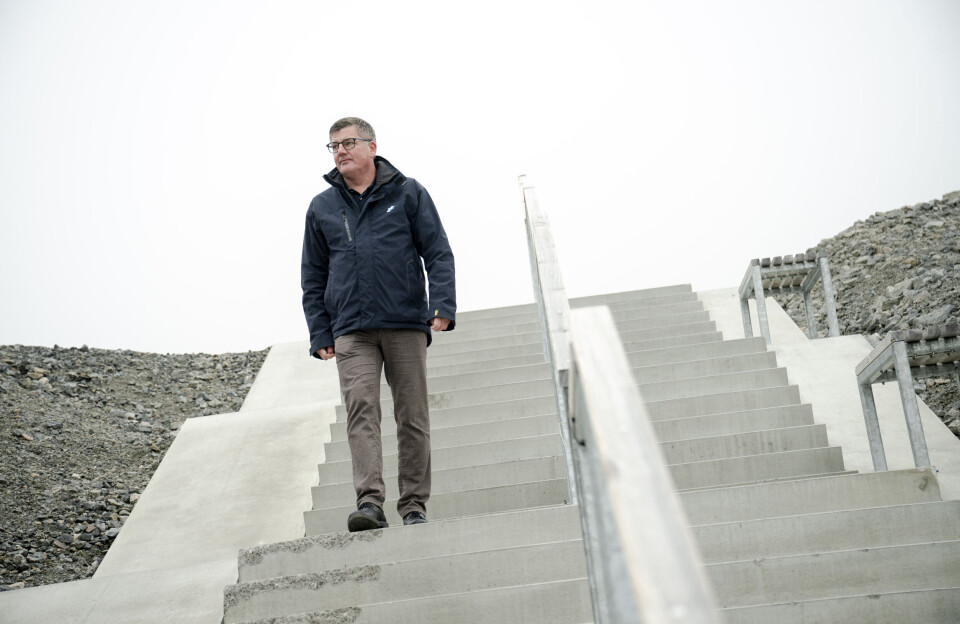
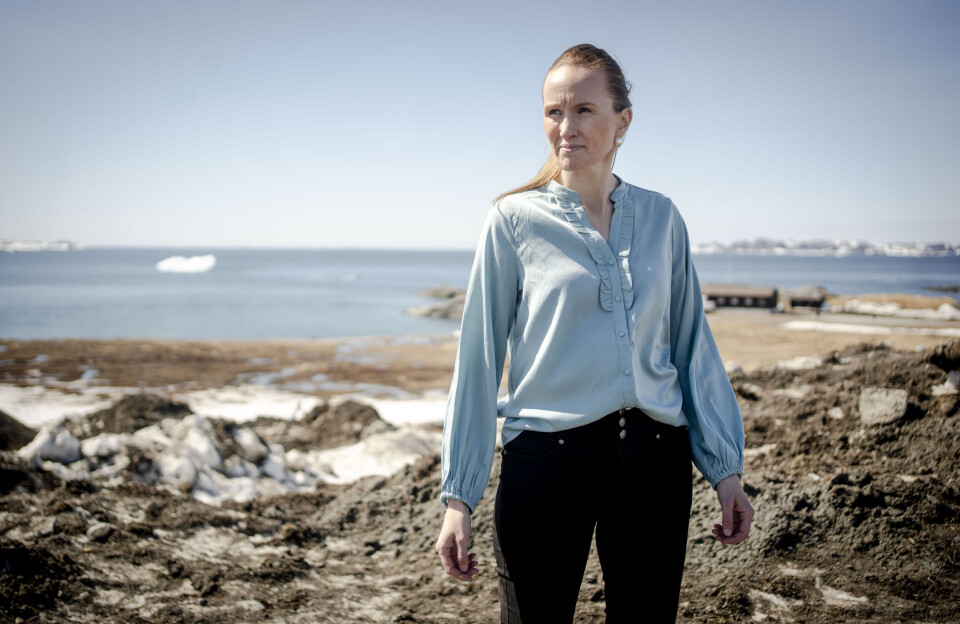
The project was led by Jussi Hermansen, a senior specialist in SDU's drone center.
Jussi Hermansen says that the project was carried out with commercial drones, where they wanted to investigate how these drones could be used in rescue missions under Arctic conditions.
- We have tested commercial drones in Arctic conditions, primarily to find out where a thermal camera can and cannot be used in rescue missions, says Jussi Hermansen.
- It is primarily about solar reflections and the temperature of the surroundings, because thermal cameras see infrared light.
Although the Arcsar project was carried out in the Arctic cold, it is believed that several of the test results can be transferred to other climates.
/ritzau/