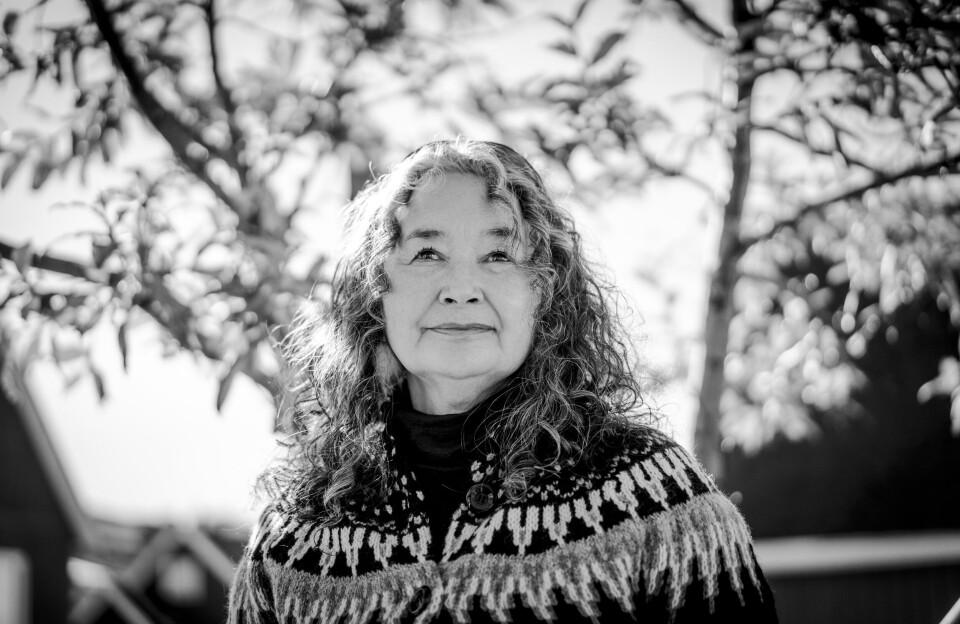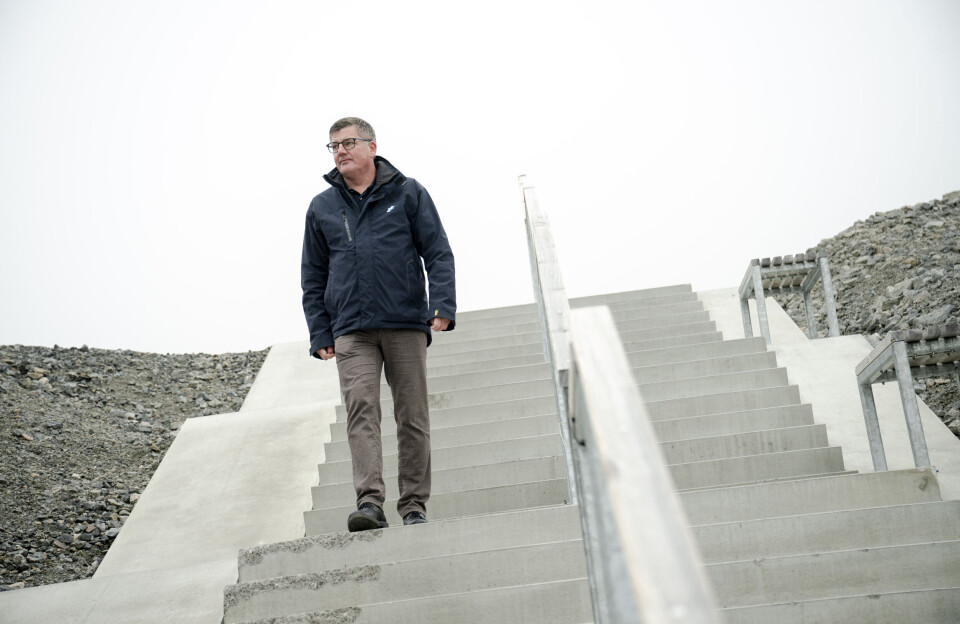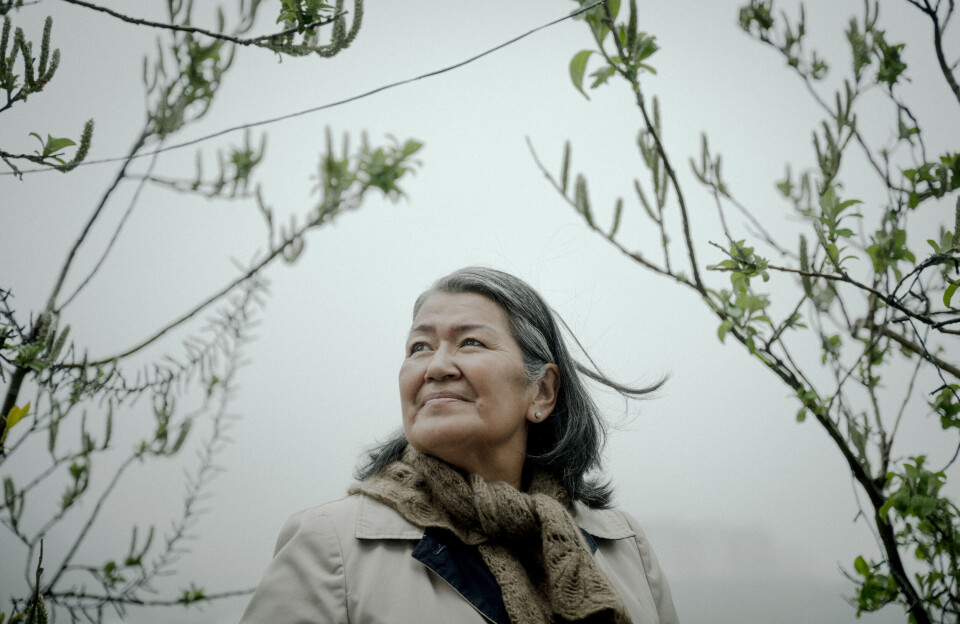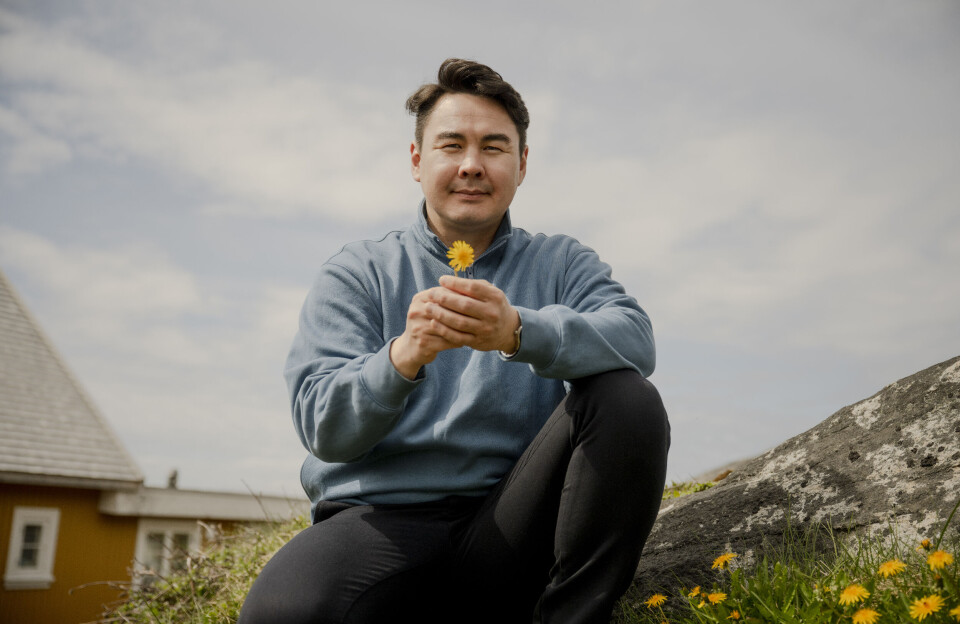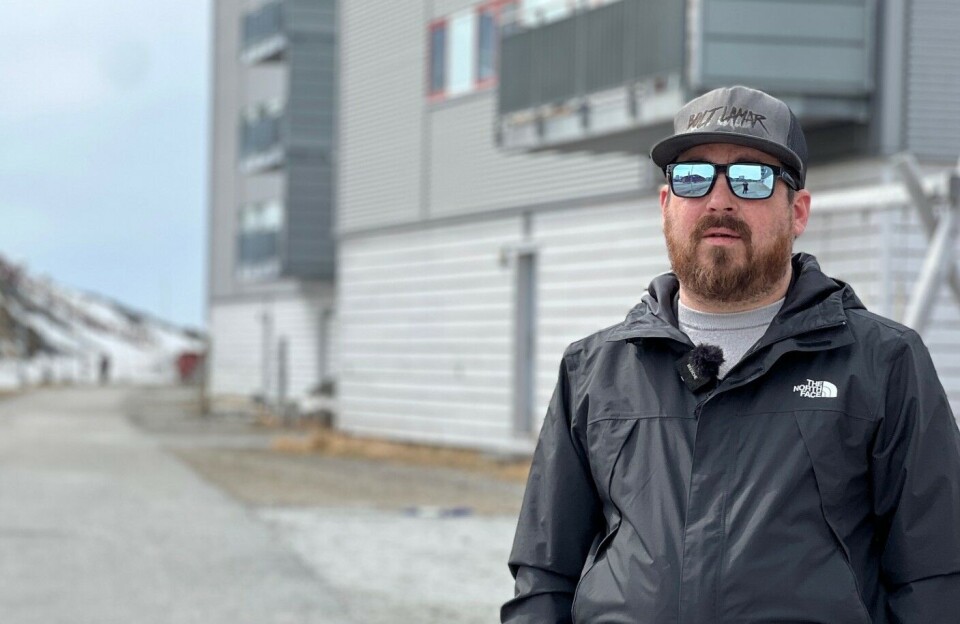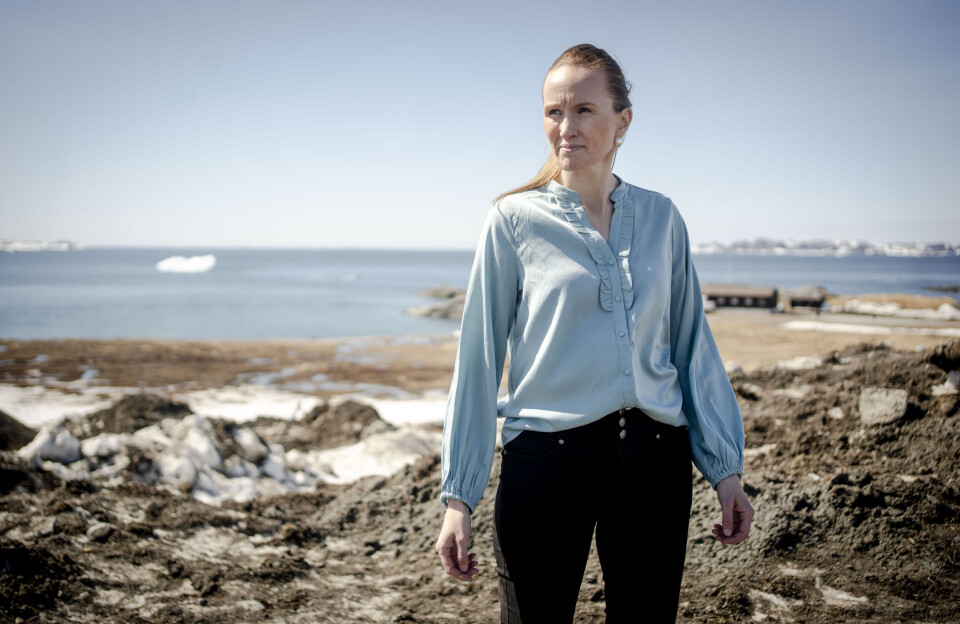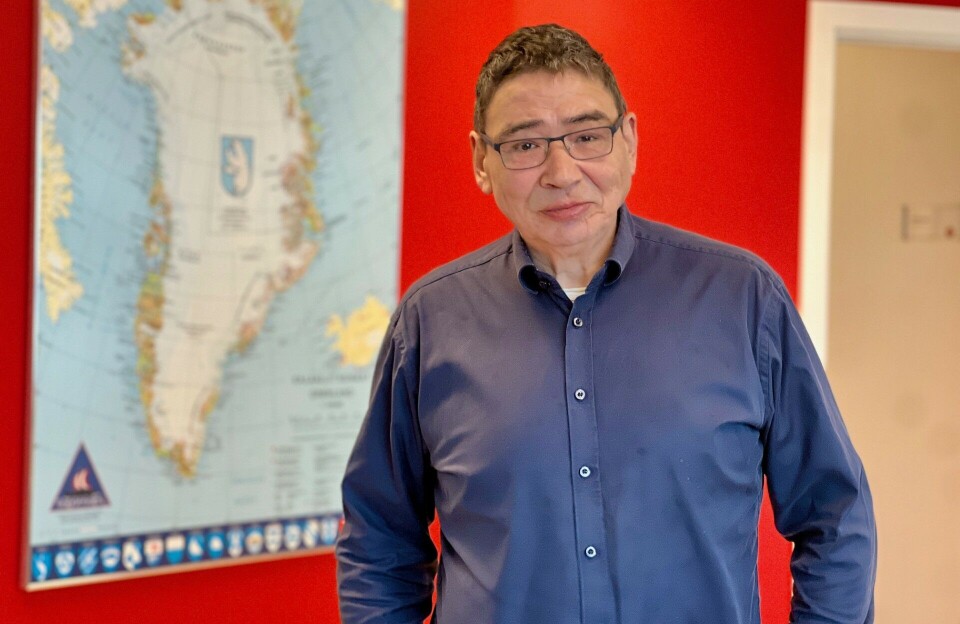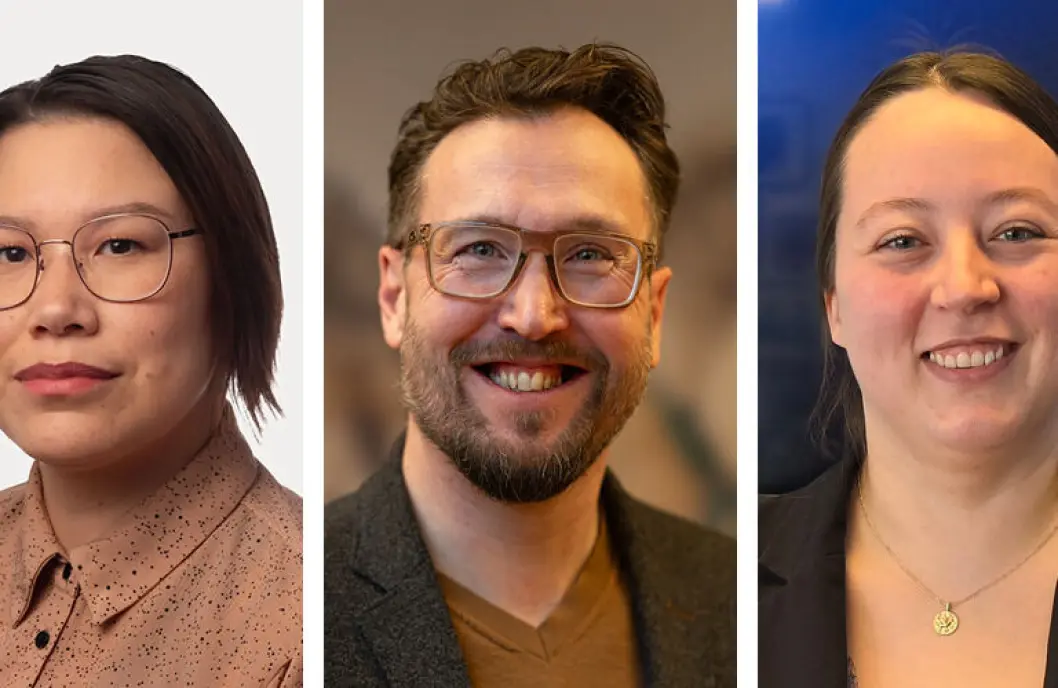

Karina Zeeb (N), Patrick Abrahamsen (D) and Malu Ostermann (A) are parliamentary candidates from three different parties. But they also have something important in common.
All three of them have personal experience from a part of the legal field in Greenland, which still belongs to the Danish state. They also promise that changing and improving the system will be high on their agenda if they one day get the chance in the Folketing.
What would they do if they had the influence? You can read more about that here.
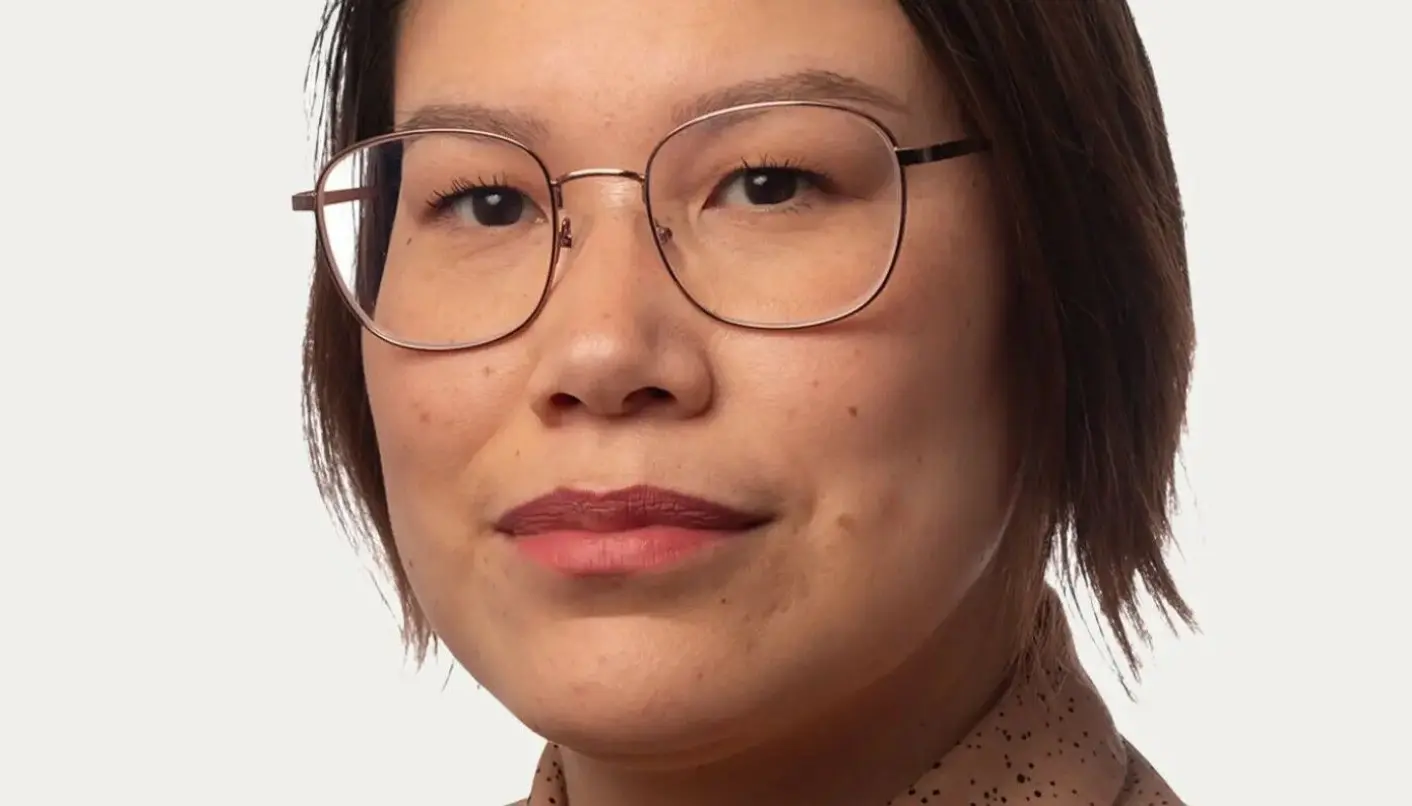
Karina Zeeb is a lawyer and parliamentary candidate for Naleraq. She knows the legal system from working in the prosecution service, and she states that there is a lack of funds in the legal field.
– I will ensure that the funding is brought to the table in the Folketing to ensure equal legal security that meets international standards, says Karina Zeeb.
– The inequality in the legal system between Denmark and Nunarput is unacceptable, she believes.
Last year, the Danish Minister of Justice sent 850 million kroner spread over four years. That means something, but does not solve all problems, points out Naleraq's candidate.
– It is true that more money will come for four years. What will happen then in 2030? The increased support must be made permanent until the time when we are ready to build our own legal system.
– I would like to see a reform of the legal system. We must have a criminal law and a code of conduct that meet international standards, says Karina Zeeb.
She emphasizes that new legislation must also be built on Kalaallit values.
What do you want more specifically?
– We must still have a principle of resocialization of perpetrators. But if we look at the international standard, it is a principle that is mainly used for young people or first-time offenders, not for all criminals.
– This also means that we must have some clear framework for what measures certain crimes should result in, just as we have elsewhere.
Zeeb also believes that Greenlanders lack legal certainty in Denmark. This applies to both social cases and criminal cases, she says.
– An interpreter does not come every time a Greenlander is charged. It is not only a problem in Denmark, but also here. We must always have professional interpreters ready for the citizens who need them, emphasizes Karina Zeeb.
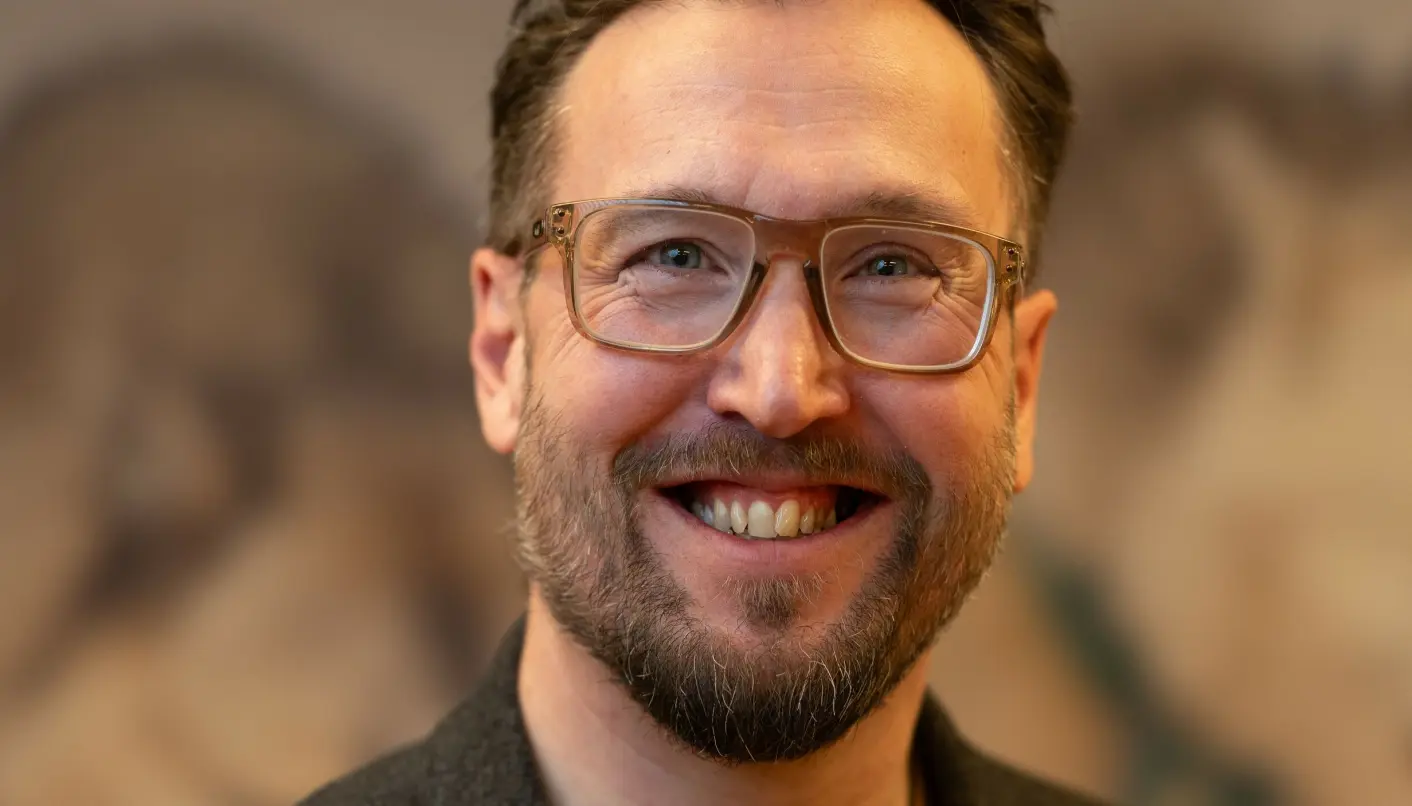
Patrick Abrahamsen is a former police officer, now a hoist operator and a candidate for Demokraatit. He emphasizes that improvements must be made in several parts of the system.
– We can start with the officer on the street. Right now, the Greenland Police has a big problem recruiting and retaining officers. This applies first and foremost to the local, bilingual officers.
– A new and improved salary package has been introduced, and it is good work by the previous members of the Folketing. But there is still a long way to go to ensure security and close contact with citizens.
Patrick Abrahamsen notes that there is a very long processing time for some criminal cases in the legal system.
– Among other things, this leads to a number of sentences that take into account the long waiting time, and this has a consequence for the sense of justice of the injured party, he points out.
Do you think that people are generally given too lenient sentences for violent crimes and the like?
– No, in this context it is not about the sentencing range. But if we can process the cases quickly and efficiently, people can get the right sentences, rather than being given a discount after many years of waiting.
In addition, it is also a significant problem if it takes too long for a convicted person to be put in prison, points out Abrahamsen.
This must be solved by increasing the capacity of Greenland's prisons, so that people can quickly pay off their debt to society.
“We must do this out of consideration for the victim and the families – but also because it is right for the convicted person. Perhaps the person has built a new life after a sentence, and it is not fair for society to step in and undermine it much later.
“Now we must ensure that the state is held to the improvements and that new funds are used in the best possible way. Hopefully with two mandates from Greenland, who work closely together and not against each other as has been seen before,” says Patrick Abrahamsen.
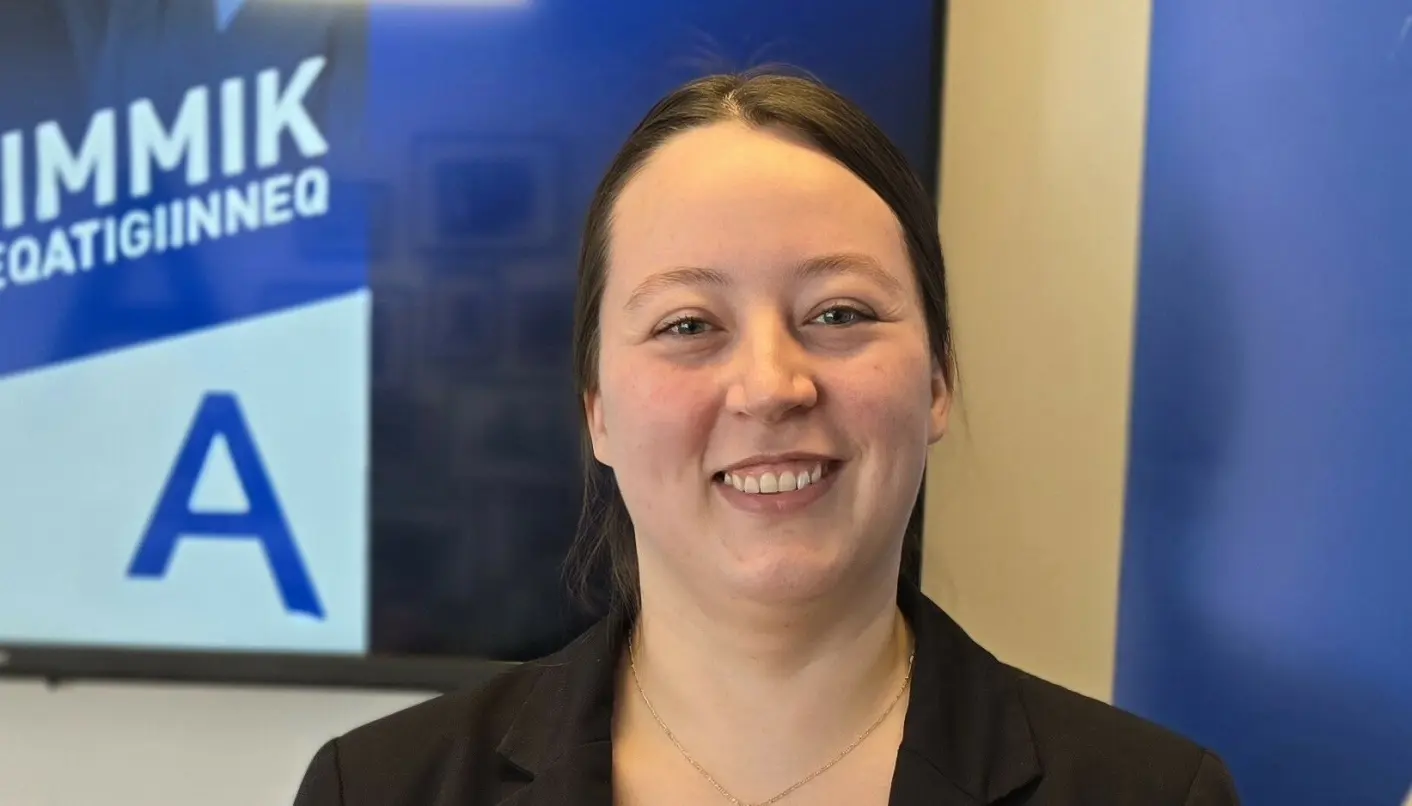
Malu Ostermann is a human resources consultant in the self-government and is running for Atassut. Unlike the other two, she has not worked professionally with the judiciary.
However, as a judge in the Qeqqa District Court, she has helped to ensure that ordinary citizens participate when sentences are handed down in criminal cases.
This has also helped to shape her attitude towards the legal system:
– I want to work for better legal certainty and a sense of justice. This means, among other things, stricter legislation. Ideally, we should change our criminal law to a penal code where criminals are punished more severely, says Malu Ostermann.
Why should they be punished more severely?
– We know that there are repeat offenders who just keep committing crimes. We need to stop that. I would especially like to see sex offenders punished more severely than they are now.
But what good does it do to punish them more severely?
– For me, it's very much a question of fairness. I think it's completely unfair when I hear about rapes and other abuses that only get a few months in prison. It's a joke. No, let's do something for the victims who go through life with lifelong scars on their souls.
Malu Ostermann would like to see Greenland take back the area of the Criminal Code, which currently falls under the Danish Minister of Justice and the Folketing.
She also believes that Greenland should consider a far-reaching method for some of the most dangerous criminals, namely medical castration.
– In cases where people commit serious violations several times, I think it should be an option. Medical castration would help to avoid further violations and could be a condition for re-entering society.
Medical castration means that a man receives medicine that affects the hormones and thus reduces the sex drive. The goal is to reduce the risk of future abuse.
– Here, one must remember that medical castration is only temporary, emphasizes Malu Ostermann.