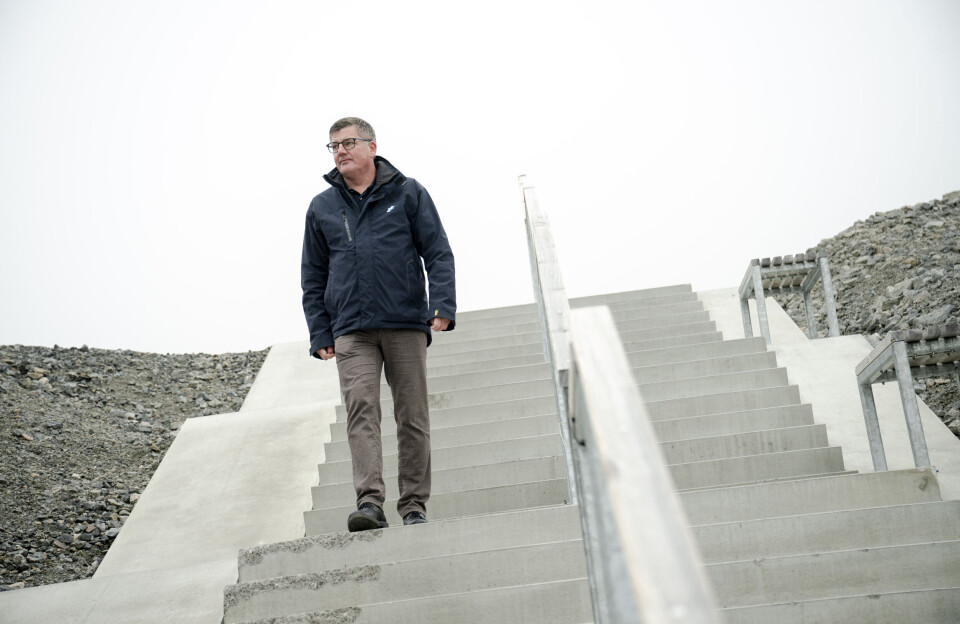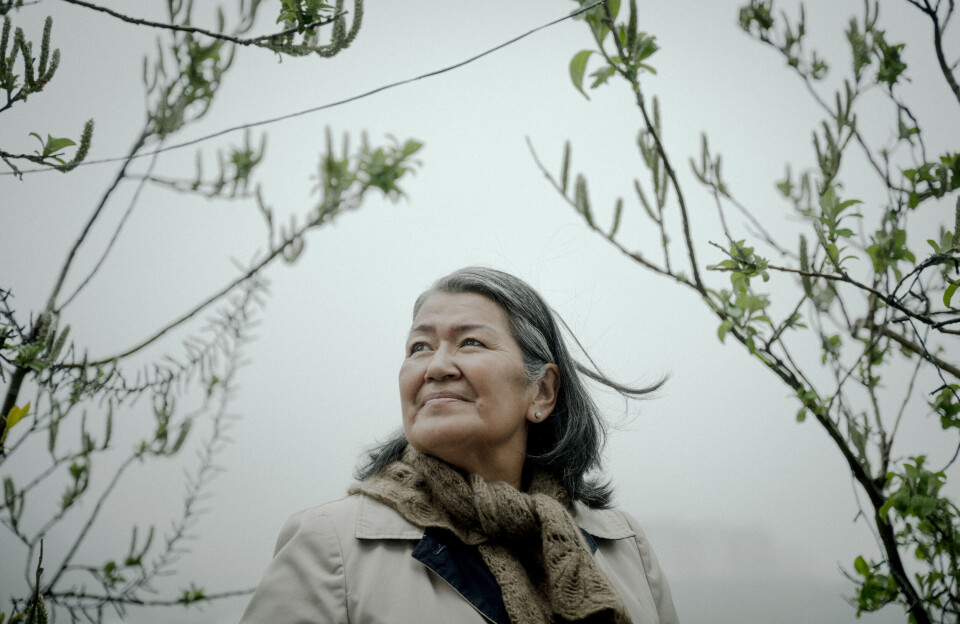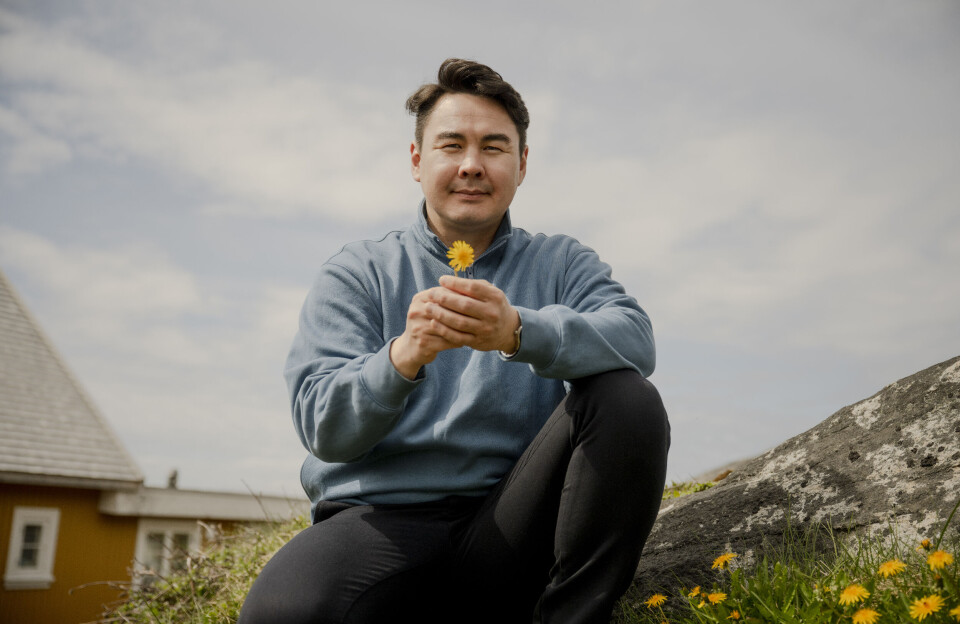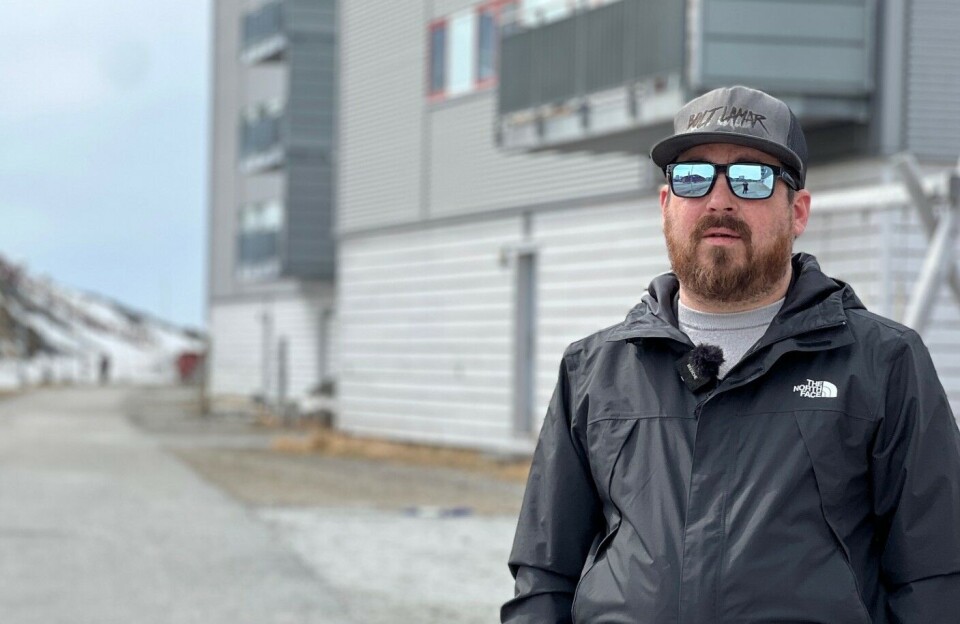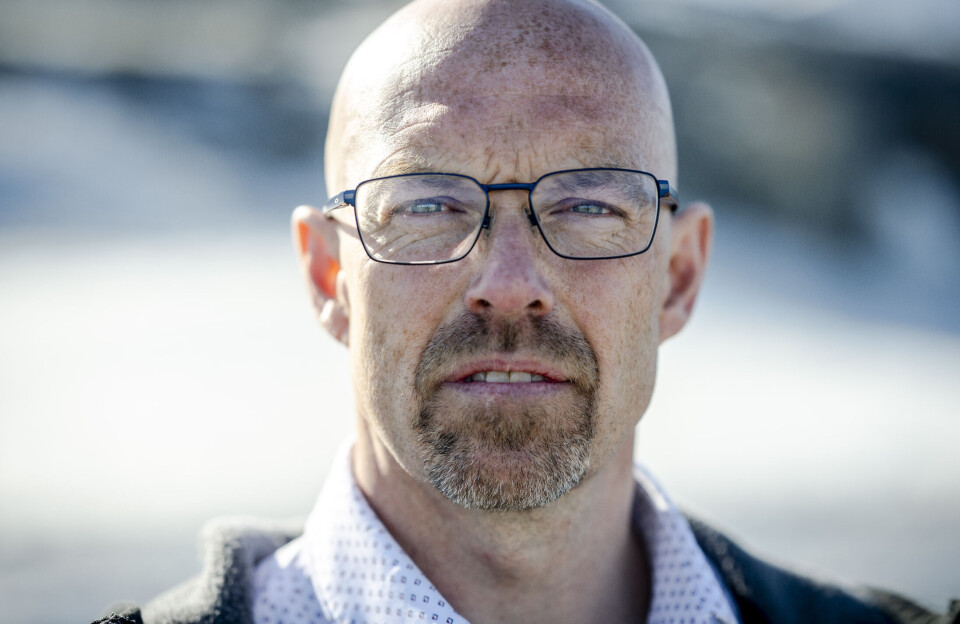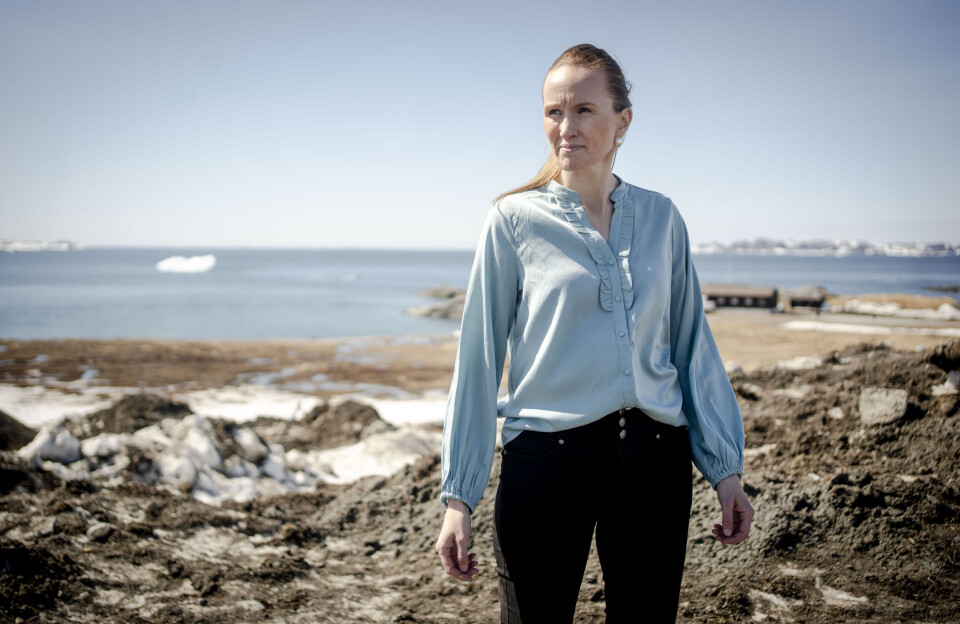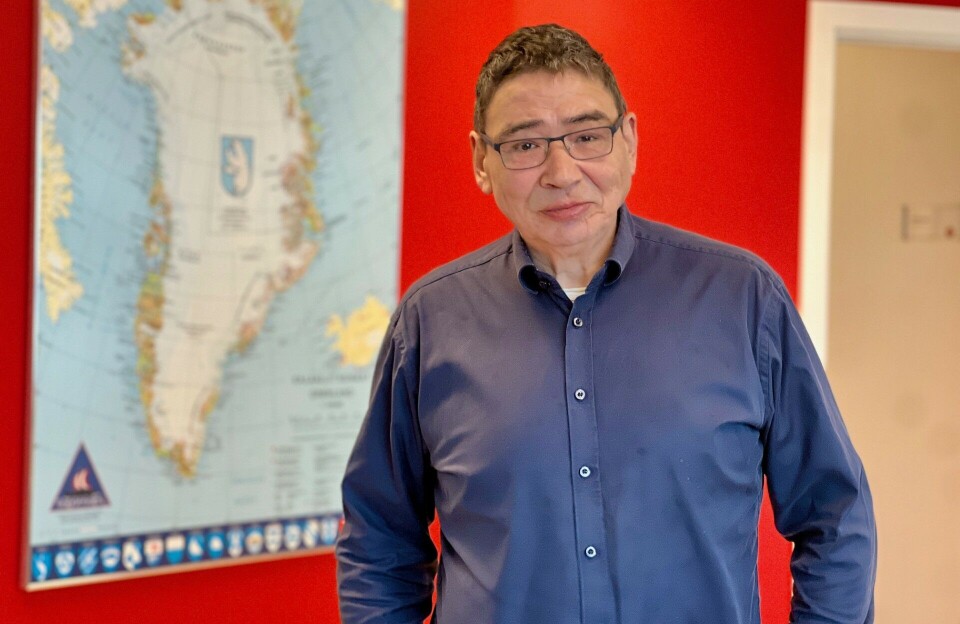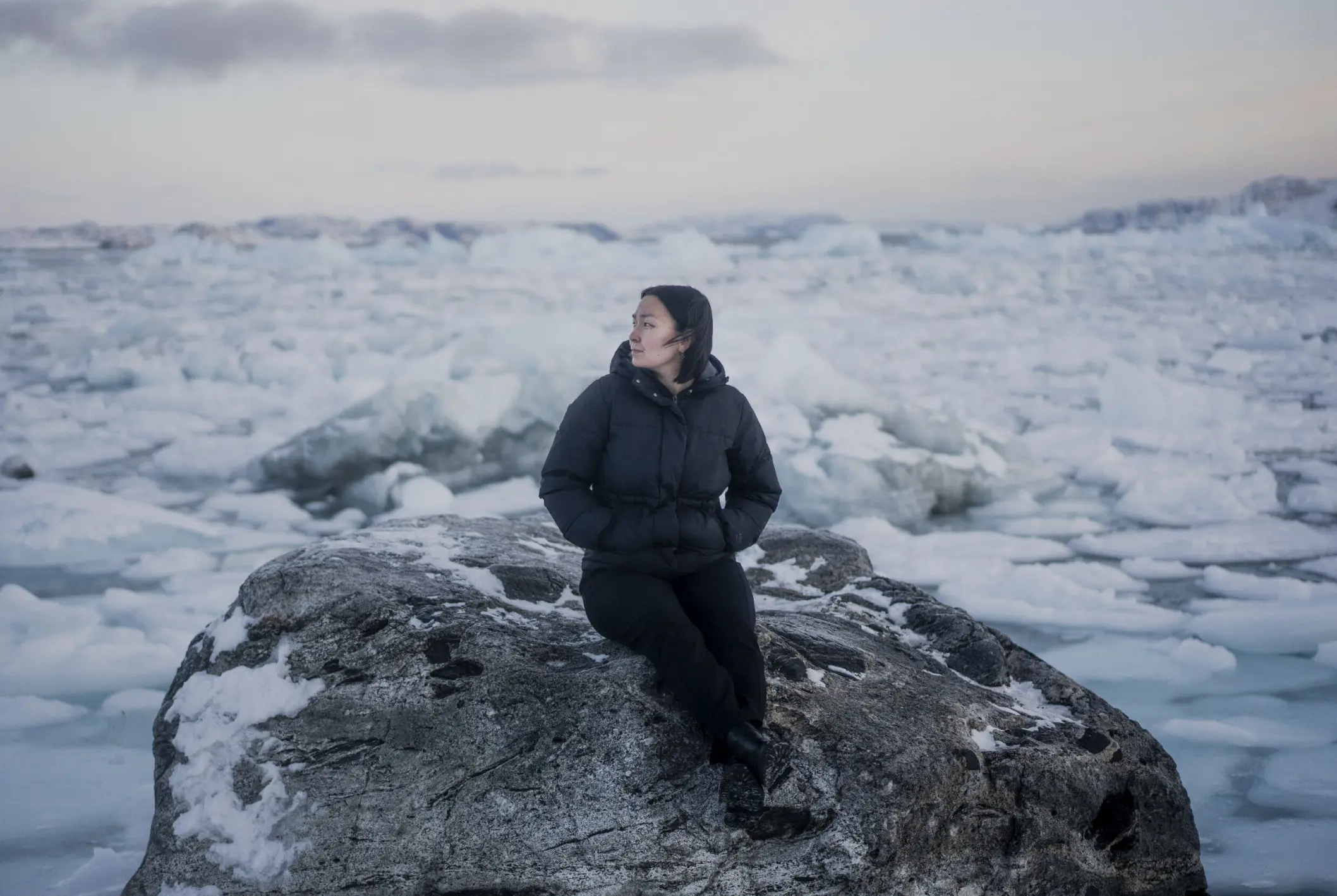
It began with a common desire to gather voices that are all too rarely heard – voices from those who have spent part of their childhood in a children's institution.
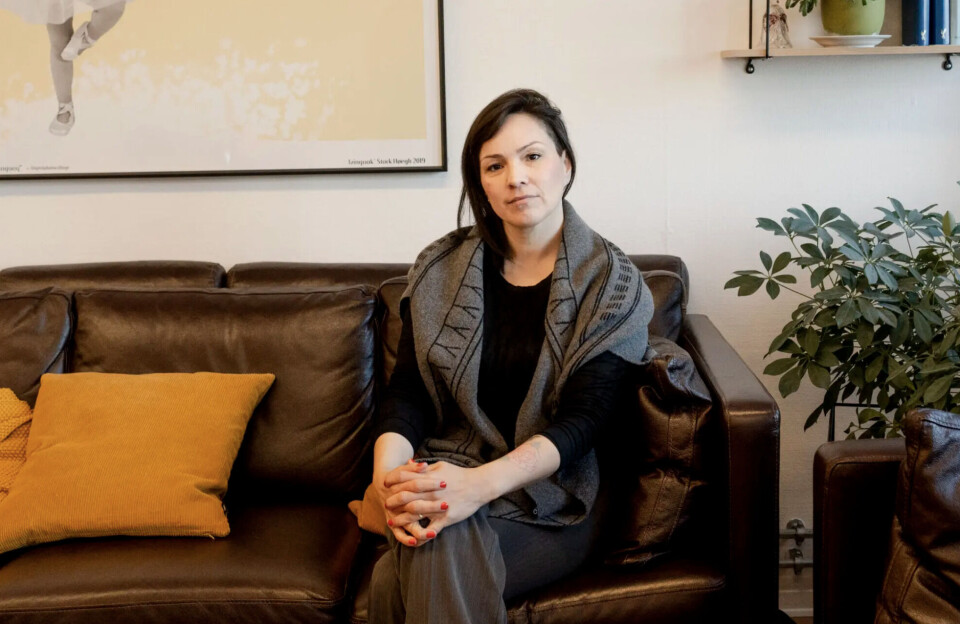
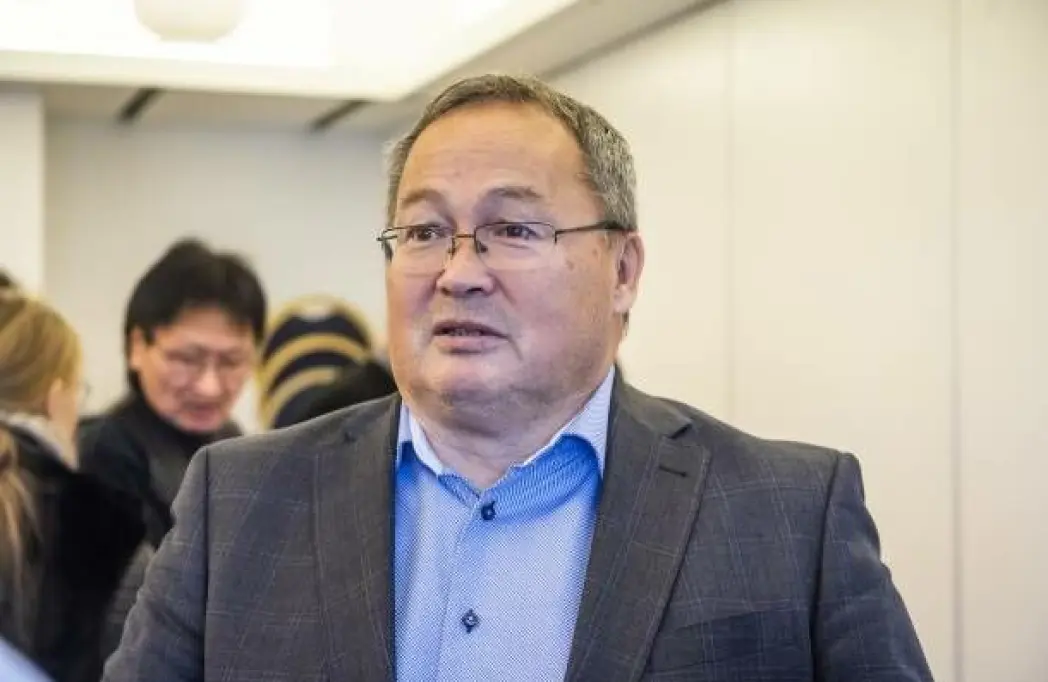
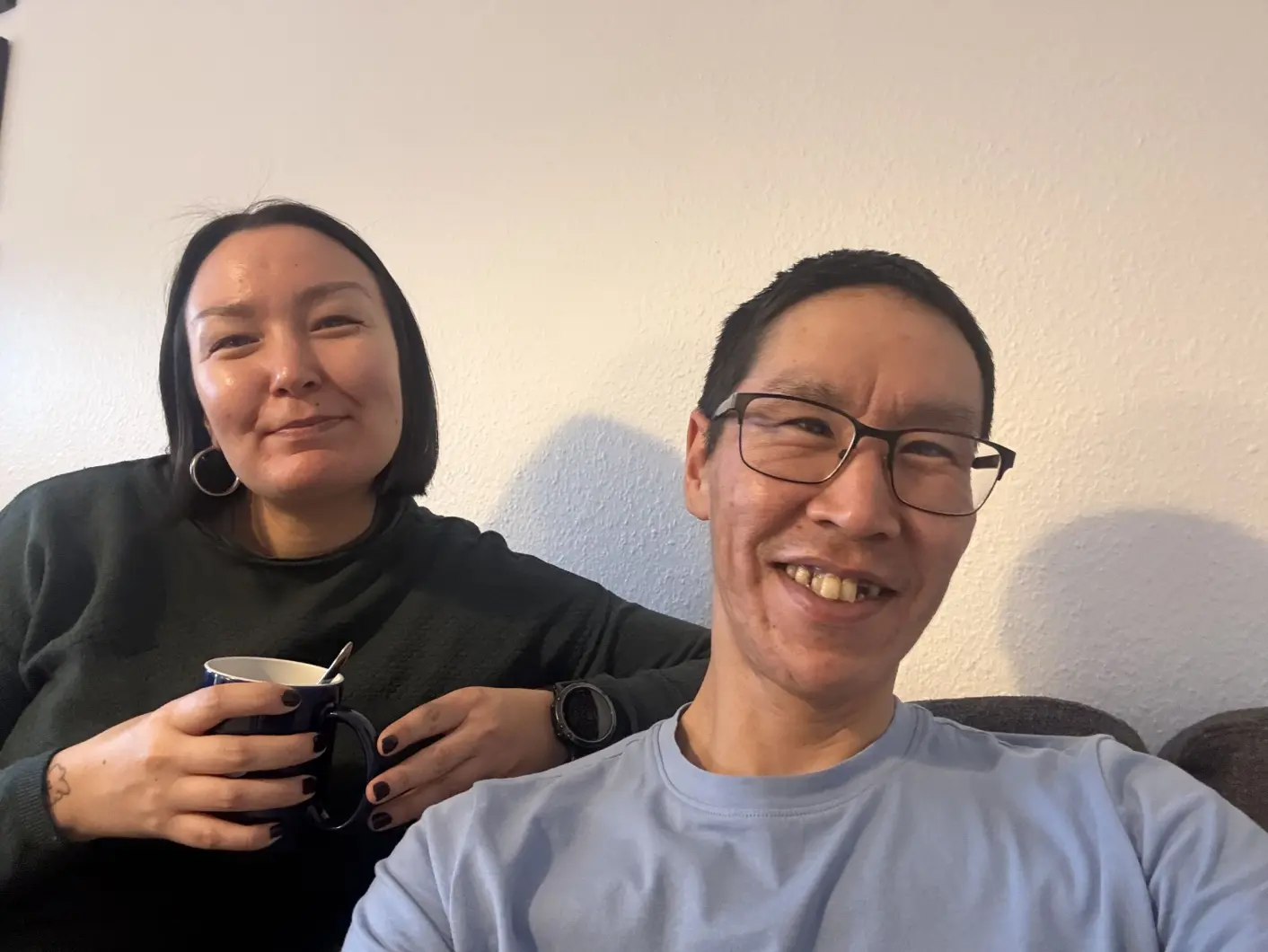
Sofie Thomassen and Elias Nielsen both have experience of being placed. Today they are part of the Safe Harbour project (an international project that will reduce out-of-home placements, ed.), where they are working to establish an independent organization for former detainees in Greenland. For them, it is not just about creating an association, but about creating a place where experiences are taken seriously – and where they can be used constructively.
The ambitions are twofold. The association is intended to be a community where former residents can meet, share experiences and support each other in the transition to adulthood. But it is also intended to function as an interest organization that can actively contribute to the political debate about residential care and social initiatives.
- We want to gather experiences and knowledge from those who have been residential care. Many have experiences that are never documented or heard. We want to give them space, says Sofie Thomassen, who is a social worker student at Ilisimatusarfik and is affiliated with the Center for Arctic Welfare.
At the same time, they want to create a safe space where people can talk openly about both the difficult and the good sides of life as a resident.
- There are many who are alone with their story. We want to create a place where people can reflect on each other and get support – also as adults, adds Elias Nielsen, who works for Nuuk Transport as a garbage collector.
In the long term, they hope that the association can become a permanent voice in the public debate – among other things through consultation responses, dialogue with politicians and collaboration with professionals. The goal is that the experiences of former inmates will not only become personal stories, but also part of the basis on which new decisions are made.
A knowledge bank of experiences
A central element in the plans is the construction of a knowledge bank. Here, former inmates will be able to share their experiences – not only in the form of personal stories, but as systematized knowledge about life before, during and after inmate placement.
The idea is to collect experiences from the time in the institution, from the encounter with the municipality and from the transition to adulthood, where many suddenly find themselves without the network that other young people can draw on.
- There is a lack of a comprehensive overview of what it is actually like to grow up outside the home and then stand alone as an adult, explains Elias Nielsen, pointing out that the transition from orphanage to adulthood is often abrupt and insufficiently supported.
He continues:
- Suddenly you are alone and have to find housing, finances, education and relationships on your own. It can be a huge upheaval. If we can share experiences and talk openly about it, we can perhaps make the transition easier for others – and at the same time show where improvements are needed.
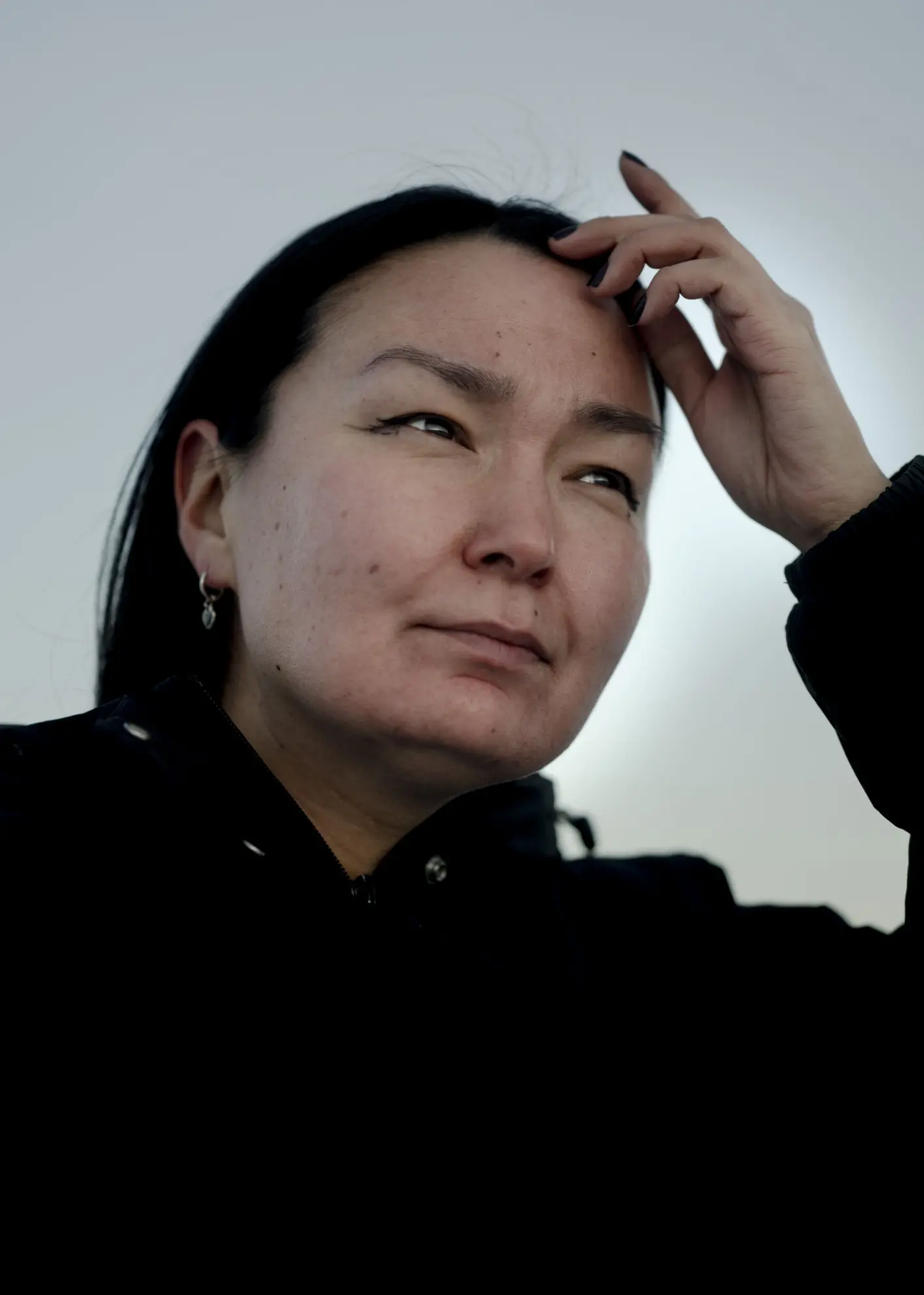
The knowledge bank must therefore have both a supportive and a documentary function. It must give those previously placed the opportunity to reflect on each other, but also create a common basis of experience that can be used in the dialogue with authorities and politicians.
- When new rules or changes are made in the social area, you should listen to those affected, Sofie Thomassen believes.
The association therefore wants to become a regular consultation partner, able to provide consultation responses and contribute with concrete input when legislative proposals or municipal initiatives are put forward.
- We want to ensure that the experiences of former detainees do not only become personal stories, but also become part of the decision-making basis, she adds.
Inspiration from Denmark
In the work of shaping the association, they have drawn inspiration from a similar organization in Denmark that works for the rights of former detainees.
- We have looked at how they have built their organization, and we have agreed to spar with them in the start-up phase. What should we pay attention to? What mistakes can we avoid?
At the same time, they receive advice and support from UNICEF Greenland, which helps with administrative issues and building the structure, among other things.
- It means a lot that we are not completely alone with this, says Sofie Thomassen.
A showdown with shame
For Elias Nielsen, there is also a more personal driving force behind the project.
- I would like to help stop the stigma that can be associated with having been placed. It shouldn't be shameful, he says.
He believes that many former placed people struggle to put their experiences into words – and to seek help if they need it.
In the longer term, they hope that the association can offer access to professional support, for example in the form of cooperation with psychologists, if funds can be raised for this.
- If we get foundation funding, we might be able to arrange workshops, communities and counselling services. But we're taking it one step at a time, points out Sofie Thomassen.
Ambitions and patience
Before the association can be officially announced, statutes must be in place and a general meeting must be held. The name and logo will come later.
The goal is that the organization can be established during 2026.
- The most important thing for us is to create a community where you are not alone with your experiences, says Elias Nielsen.
Both emphasize that they do not see the project as a criticism of individuals, but as a contribution to improving the system.
- We want to use our experiences constructively. If we can help make it easier for future generations of detainees, then it makes sense, says Sofie Thomassen.
The Safe Harbour project is still in its infancy. But for Sofie Thomassen and Elias Nielsen, the direction is clear: Former detainees should not only be the subject of policy – they should help shape it.
Abonnementer
Sermitsiaq.gl - web artikler
- Adgang til alle artikler på Sermitsiaq.gl
- Pr. måned kr. 59.00
- Pr. år kr. 650.00
Sermitsiaq - E-avis
- Adgang til Sermitsiaq e-avis som udkommer hver fredag
- Adgang til alle artikler på Sermitsiaq.gl
- Pris pr. måned kr. 191
- Pris pr. år kr. 1.677
AG - Atuagagdliutit E-avis
- Adgang til AG - Atuagagdliutit e-avis som udkommer hver onsdag
- Adgang til alle artikler på Sermitsiaq.gl
- Pris pr. måned kr. 191
- Pris pr. år kr. 1.677
Sermitsiaq.AG+
- Adgang til AG - Atuagagdliutit e-avis som udkommer hver onsdag
- Adgang til Sermitsiaq e-avis som udkommer hver fredag
- Adgang til alle artikler på Sermitsiaq.gl
- Adgang til Arnanut e-magasin
- Adgang til Nutserisoq.gl
- Ved interesse send en mail til abonnement@sermitsiaq.gl
Kære Læser, Velkommen til Sermitsiaq.gl – din kilde til nyheder og kritisk journalistik fra Grønland. For at kunne fortsætte vores vigtige arbejde med at fremme den frie presse og levere dybdegående, kritisk journalistik, har vi indført betaling for udvalgte artikler. Dette tiltag hjælper os med at sikre kvaliteten af vores indhold og støtte vores dygtige journalister i deres arbejde med at bringe de vigtigste historier frem i lyset. Du kan få adgang til betalingsartiklerne fra kun kr. 59,- pr. måned. Det er nemt og enkelt at købe adgang – klik nedenfor for at komme i gang og få fuld adgang til vores eksklusive indhold. Tak for din forståelse og støtte. Dit bidrag hjælper os med at fortsætte vores mission om at levere uafhængig og kritisk journalistik til Grønland.