
Global interest in the Arctic is growing, while geopolitical tensions are increasing. A current initiative has been prepared under the auspices of the Arctic Economic Council, where Greenland currently holds the chairmanship. The Arctic Economic Council (AEC) works to ensure that development in the region is also shaped from within – by those who live and do business in the Arctic.
The AEC brings together businesses across the region with a focus on cooperation, knowledge sharing and sustainable economic development on Arctic terms. According to the organization, business cooperation is crucial in a time when diplomatic paths can be challenged.
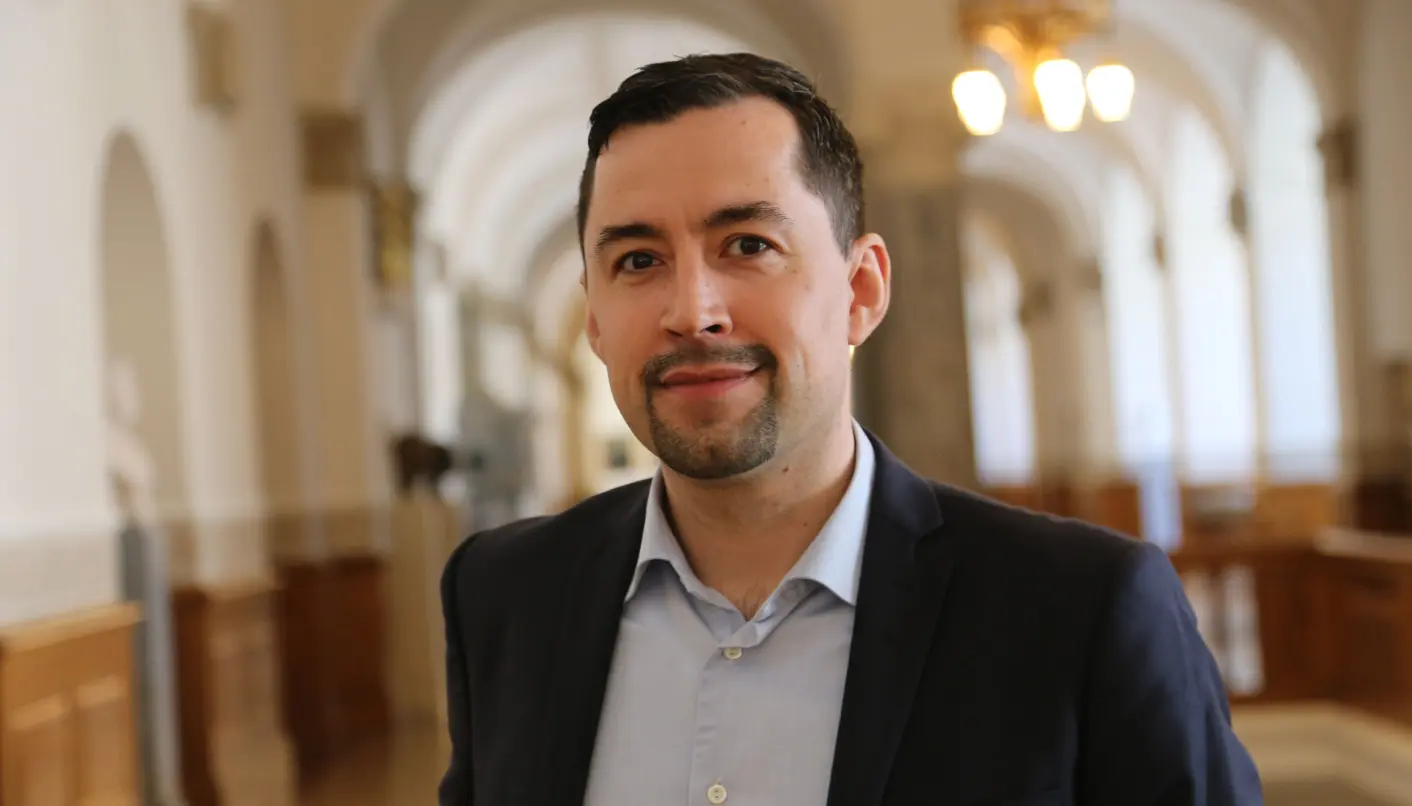
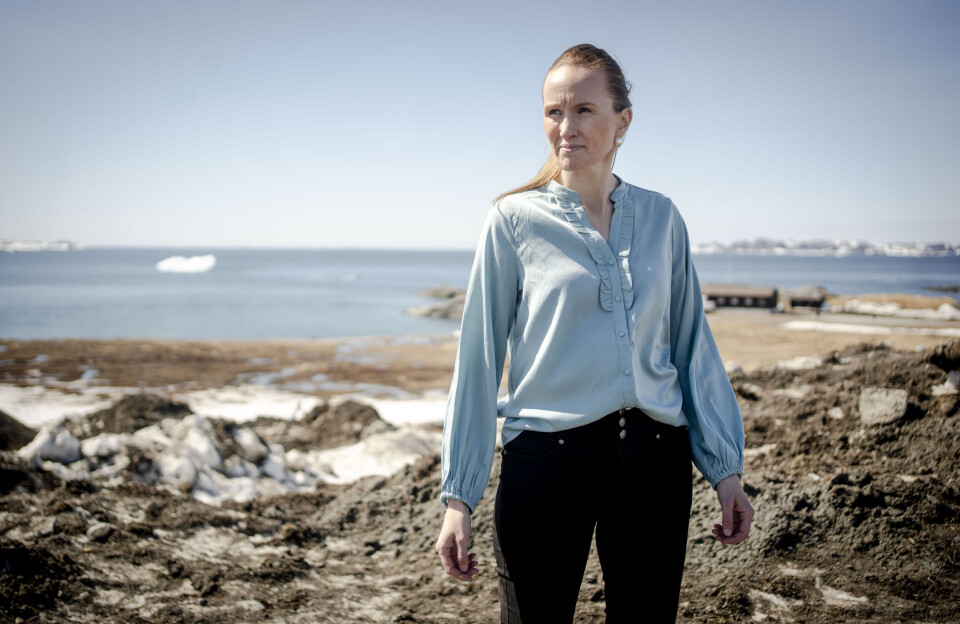
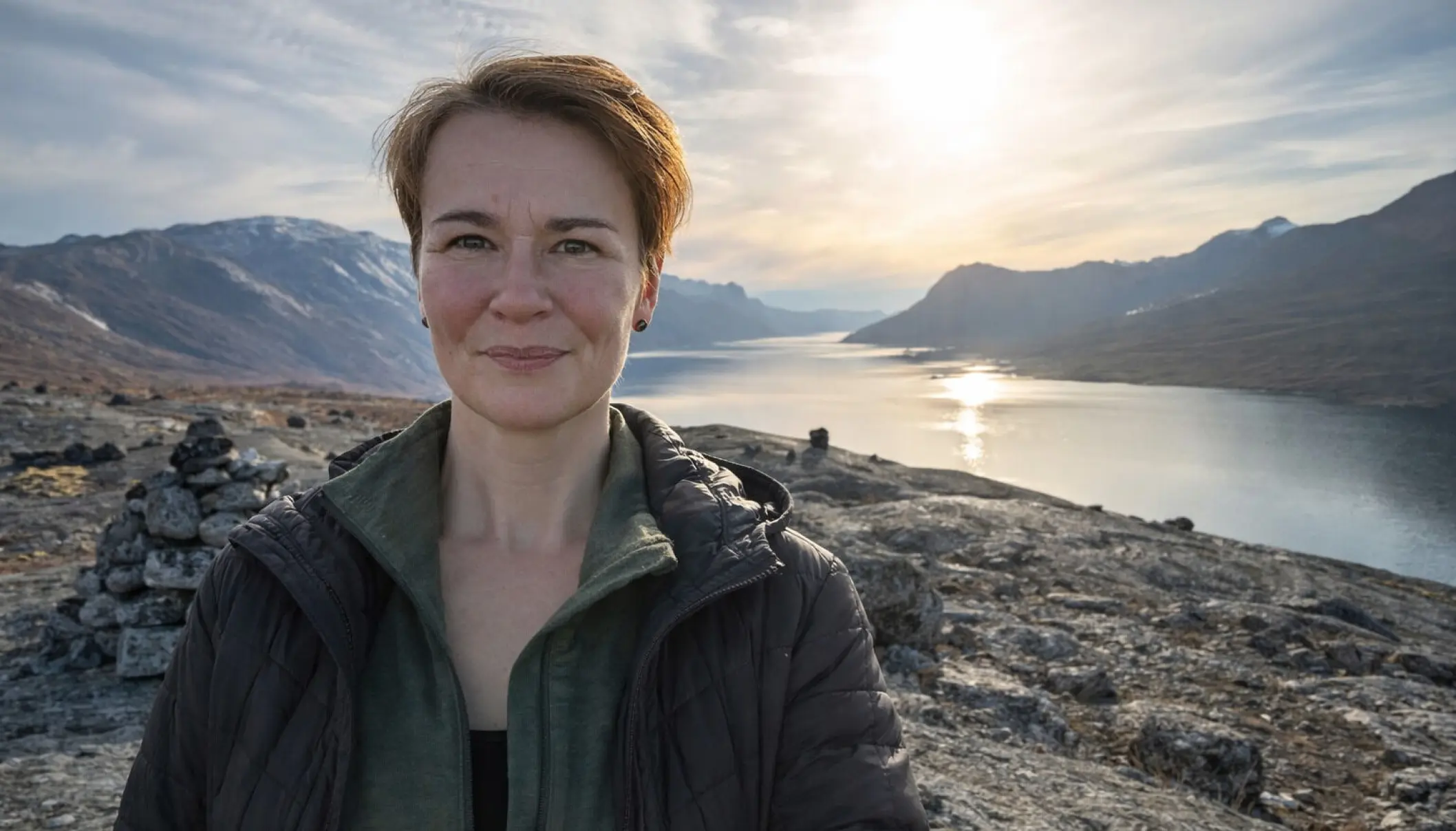
- The Arctic is not just an area of geopolitical interest, it is a place where people live and do business every day. This obliges us to ensure that development is based on local needs and competencies, and helps to build bridges, says Aviaaja Knudsen, chairperson of the Arctic Economic Council.
Special conditions in the Arctic
Doing business in the Arctic involves special conditions with large distances, harsh climate and limited infrastructure. In return, the region offers significant opportunities within, among other things, fisheries, energy, raw materials and tourism.
For more than ten years, the AEC has worked for better framework conditions for Arctic companies and participates in international processes such as the EU Arctic Strategy and the development of maritime rules in the UN Maritime Organization IMO. At the same time, the organization works for better access to capital and stronger conditions for entrepreneurs.
The Arctic is home to around four million people, which makes cooperation across national borders necessary. Experience from, for example, tourism in Northern Norway, Finland, Canada and Iceland can be used in Greenland, just as knowledge within mining can be shared across the region.
- We are increasingly experiencing that Greenland and the rest of the Arctic are being listened to. This gives us a real opportunity to shape developments, but it requires that we stand together and actively bring the perspectives of the business community into play, says Aviaaja Knudsen.
According to the AEC, the interaction between them and the business community holds great potential for linking political priorities with local knowledge and experience.
The Arctic Economic Council states that it is possible to hear more about their work and the opportunities for cooperation, as well as the opportunity to meet the chairman, Aviaaja Knudsen, at Future Greenland in Katuaq on 19-20 May.