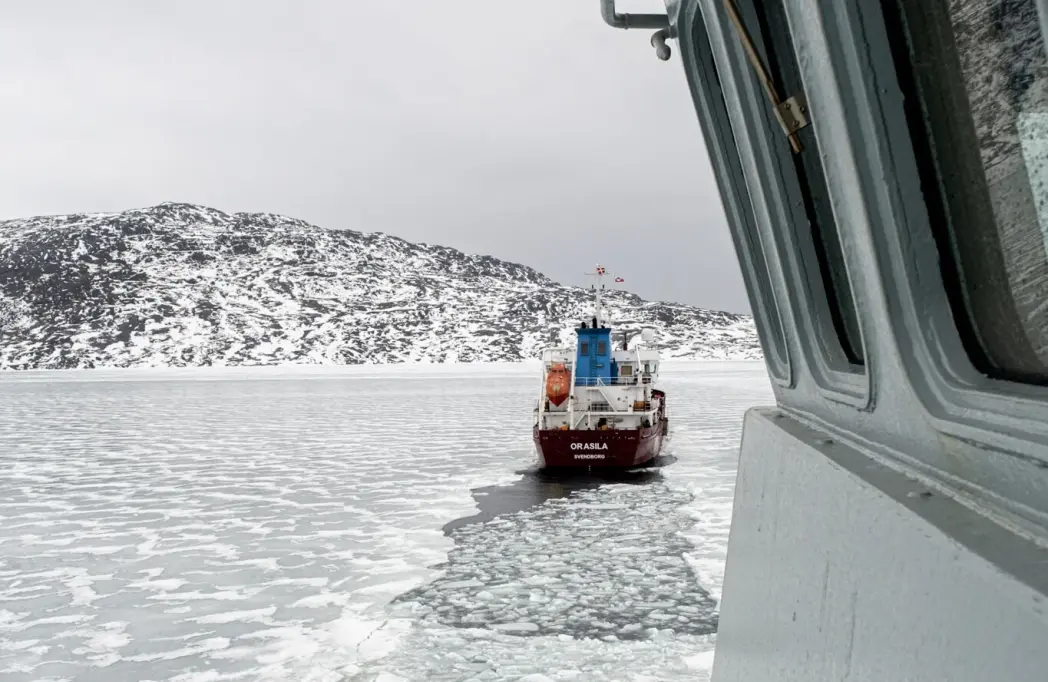

It is obvious to Greenlanders that the fishing sector is male-dominated, but how big is the presence of women in the sector?
The Department of Fisheries, Hunting, Agriculture and Self-Sustainability has published a new report on women's participation in the fishing sector.
The aim is to map the extent to which women are in the business and create a better basis for dialogue on gender equality.
The report shows that women already work in the sector in several functions, including as fishermen, crew members, factory employees and inspectors, but that they still constitute a smaller proportion.
Since, according to the Inatsisartut Act, fishing resources are the common property of society, it raises questions about equal access when the profession is largely dominated by men.
Slow but steady progress
The fishing sector in Greenland is still strongly male-dominated, although more women have joined in recent years. In 2025, women will only make up around 1.4 percent of dinghy fishermen and approximately 4 percent of the crew on trawlers.
Developments are progressing, but slowly. The number of female dinghy fishermen has increased from 6 in 2016 to 28 women in 2025, with the largest increase after 2023. Uummannaq in particular has seen clear growth.
On trawlers, the number of women has been fairly stable between 63 and 73 people in recent years. Most work as cooks, head chefs or mess assistants, while few have roles as fishermen or in management.
There are also few women in fisheries control, and several point to the lack of female colleagues. On land, women are better represented in the fishing industry, where they make up between 17 and 35 percent of employees, primarily in production and service functions.
Fishing is traditionally a male profession with tough working conditions, which may help explain the skewed gender distribution. At the same time, upbringing and access to the profession play an important role, the report says.
According to the report, a more equal gender distribution can strengthen both innovation and the economy in the sector. Without more women, society risks missing out on important resources and perspectives.