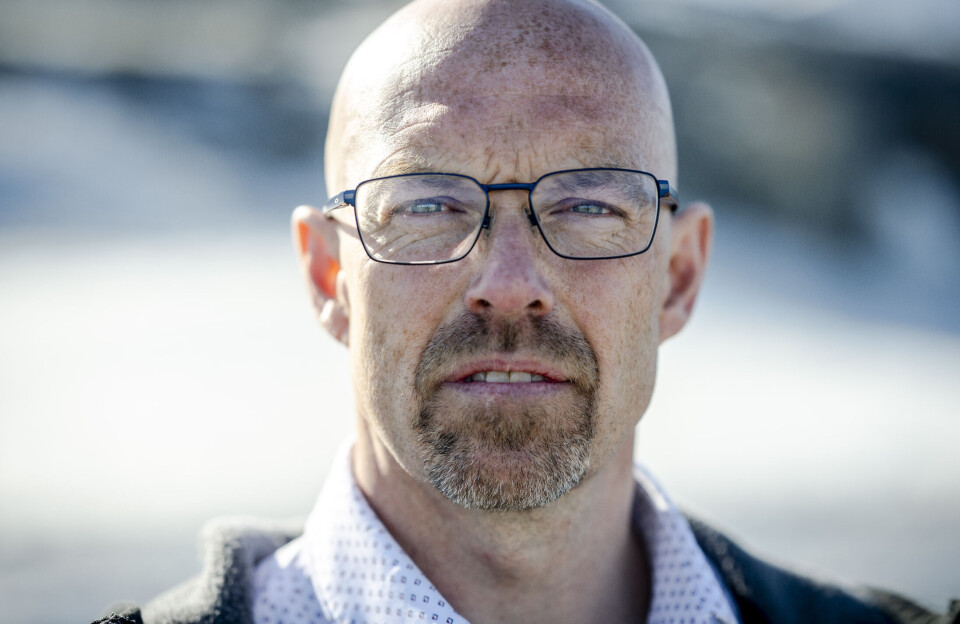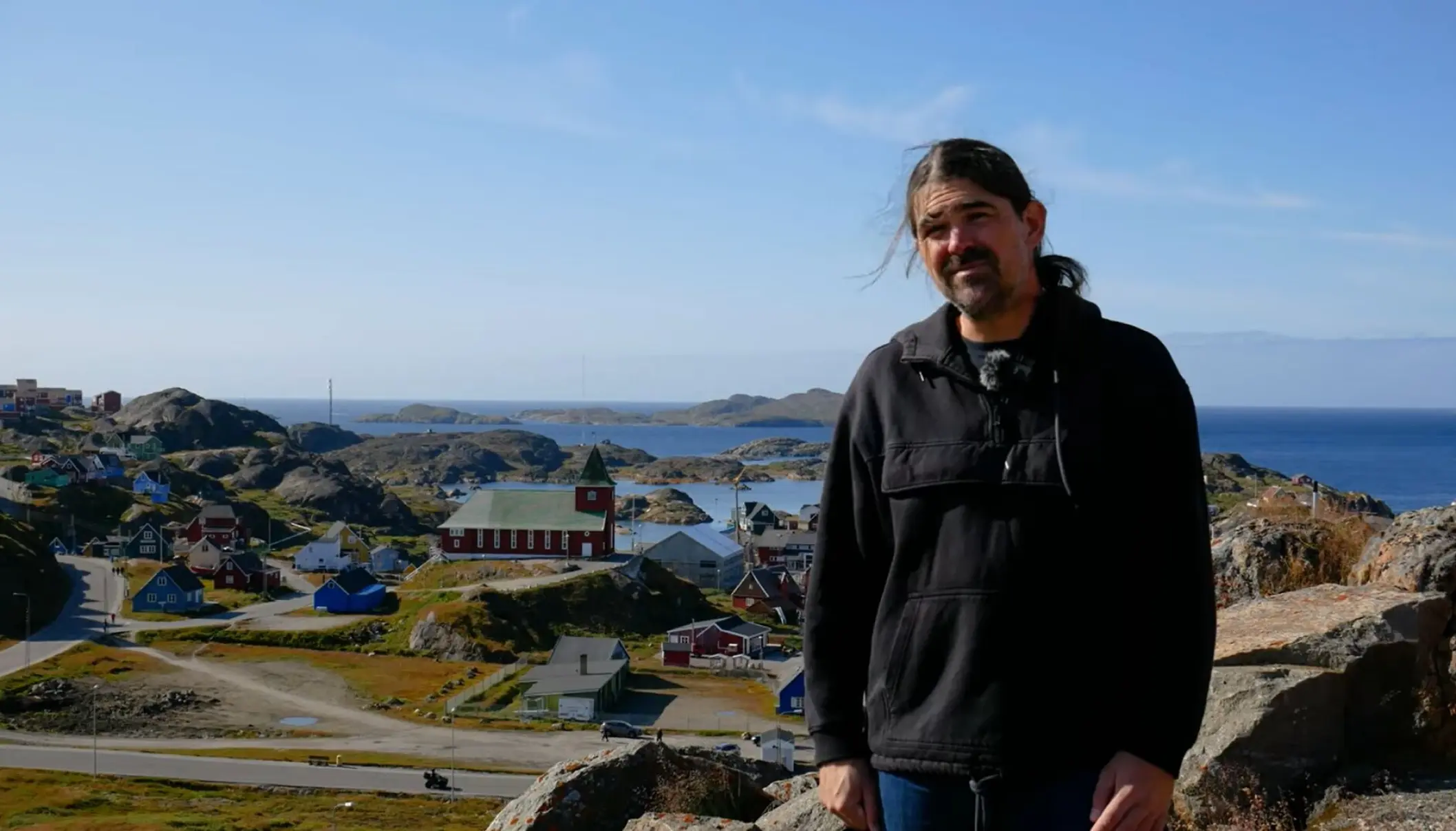


Project manager in the school service at Nordatlantisk Hus in Odense, Andreas Otte, is behind a new textbook "The Colonies in Greenland", which is aimed at the oldest students in Danish primary schools. The book tells the colonial history from a personal perspective.
- I have always learned the most from the personal stories, so my starting point was to go through the colonial history from a personal perspective, says Andreas Otte, who in addition to being a project manager and communicator at Nordatlantisk Hus is also a musician and bassist in the band Nanoq, and who has also played with both Nina Kreutzmann Jørgensen and Julie Berthelsen.
History book with biographies and assignments
The textbook has so far been printed in 900 copies, all of which have been purchased by the Center for Teaching Materials, which is responsible for distributing teaching materials to schools throughout the country.
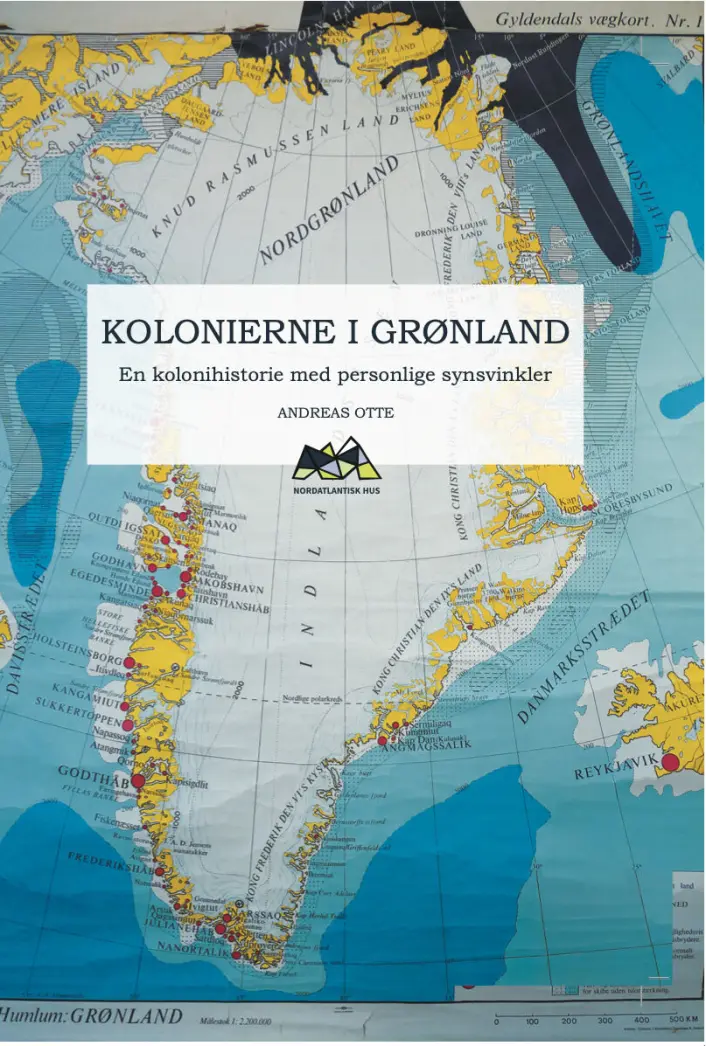
The book begins with the arrival of Erik the Red in Greenland in the year 985, and the Greenlandic legends of Qasapi, who fought against the Norsemen. This is followed by the whaling era, starting with Pooq, who explored Copenhagen, and Rasmus Bertelsen's experiences, as well as the arrival of industrialization in Greenland, where the poor but rebellious fisherman Peter Gundel comes to the fore.
Greenland as a county
Greenland during World War II is based on the perspectives of Eske Brun and Ango Lynge, while Greenland as a county in Denmark follows the experimental child Barselaj Danielsen and Greenland's first regional governor Jonathan Motzfeldt. The last chapter of the book, "Self-government or independence?" is based on the work of the two former members of parliament Aki-Matilda Høegh-Dam and Aaja Chemnitz at Christiansborg with the forced placement of children with a Greenlandic background, Trump's interest in Greenland and racism and discrimination against Greenlanders in Denmark.
Assignments and role-playing games
The book also contains a number of assignments for the students as well as a final role-playing game, where Greenland is the military superpower against Denmark.
– It is important to me that schoolchildren in Denmark are made aware that the most exciting part of Denmark's history has taken place in the North Atlantic. In addition, it is important that we show the oppression that has taken place in Greenland and how Greenlanders have been very active in achieving co-determination and equality.
According to Andreas Otte, Denmark and the Danes must continue to be aware of the lack of equality between Greenland and Denmark, which today is also expressed as frustration in Greenland.
– In Denmark, people have always wanted to show that they gave something to Greenland without getting anything in return but gratitude. But history shows that Denmark has taken a lot from Greenland over time, and that it is difficult to understand the exchange. Regardless, we must move away from seeing the relationship as a one-way relationship, says Andreas Otte and adds:
– Our goal in the school service is that Danish children and young people gain more knowledge about Greenland, the Faroe Islands and Iceland, and that this knowledge helps us to create a more equal relationship between Greenland and Denmark in the future.
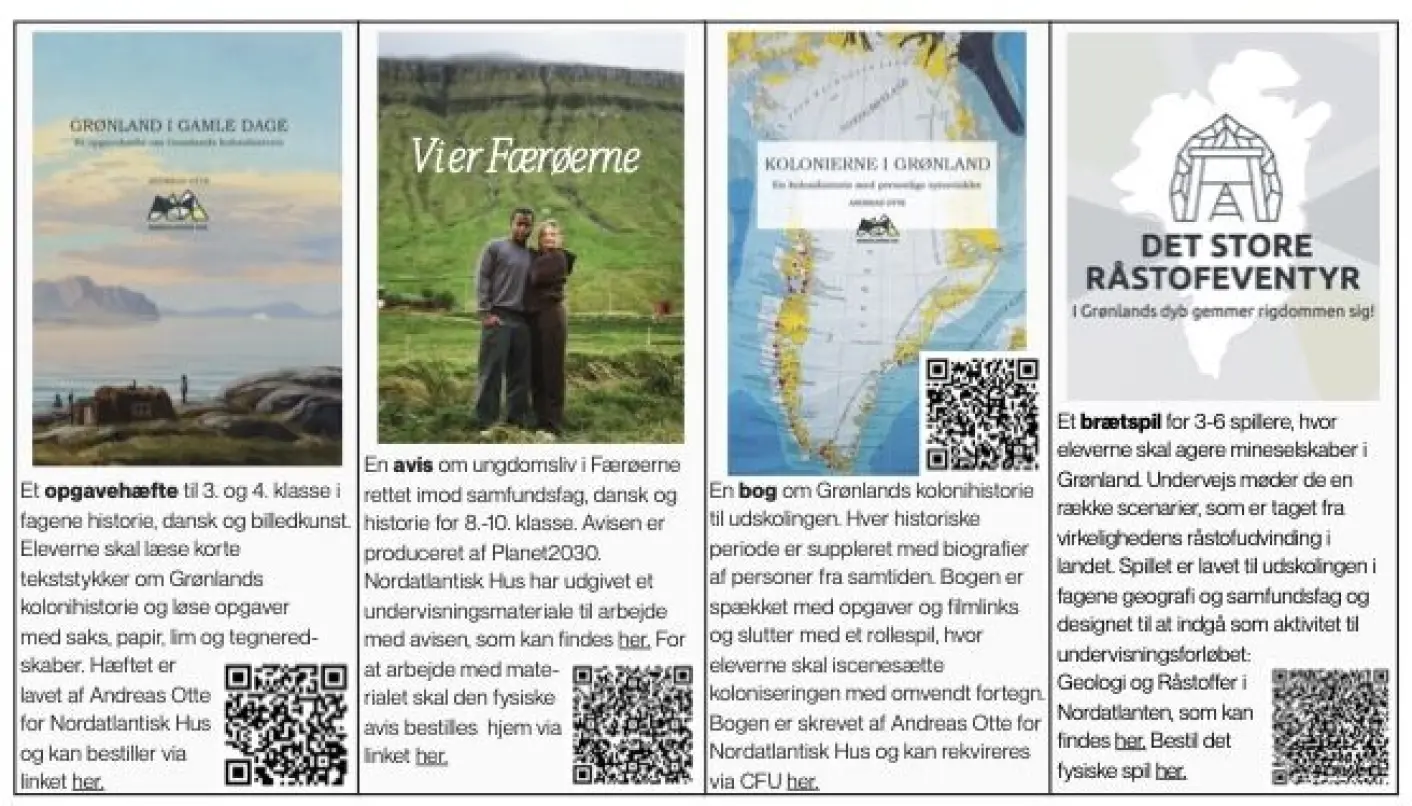
The educational book "The Colonies in Greenland" is financed by the Ministry of Children and Education's pool "for the preparation and dissemination of educational materials on Denmark's colonial history, including Greenland." In addition, Nordatlantisk Hus and its partners are currently working on three other publications: An exercise book about Greenland in the old days for 3rd-4th grade, a board game about raw materials and a newspaper about youth life in the Faroe Islands.
This article is from the education newspaper, which can be read for free via the link here.