The new Fisheries Act, which entered into force on 1 January 2025 and formed the basis for a new structure for the fishing industry in Greenland, will be one year old at the turn of the year.
The Fisheries Act has many advantages, but there is a need for some important adjustments, according to the two fishing and trapping organizations, the Greenland Fishing and Trapper Organization, KNAPK, and the coastal fishing and trapper organization, SQAPK.
Need for changes
According to the Greenlandic Government, fishing resources must be exploited to the best possible extent each year, which is why new requirements were introduced in the Fisheries Act regarding a landing obligation of 75 percent of the annual quota quantities for fishermen who fish with Individually Transferable Quotas (IOK).
This means that the fisherman must use at least 75 percent of his annual quota each year. If he fails to use 75 percent of his quota for three consecutive years, he must adjust his quota share according to the Fisheries Act, and if this does not happen, the Government of Greenland will take back the quota share that he cannot use and offer it to someone who needs it.
The consultancy service KONFIFA has previously told Sermitsiaq that this provision in the Fisheries Act has created confusion among fishermen who have switched to the IOK scheme.
And if the law is not adapted, it could have disastrous consequences for some fishermen, say the fishing organizations.
Too short a time period
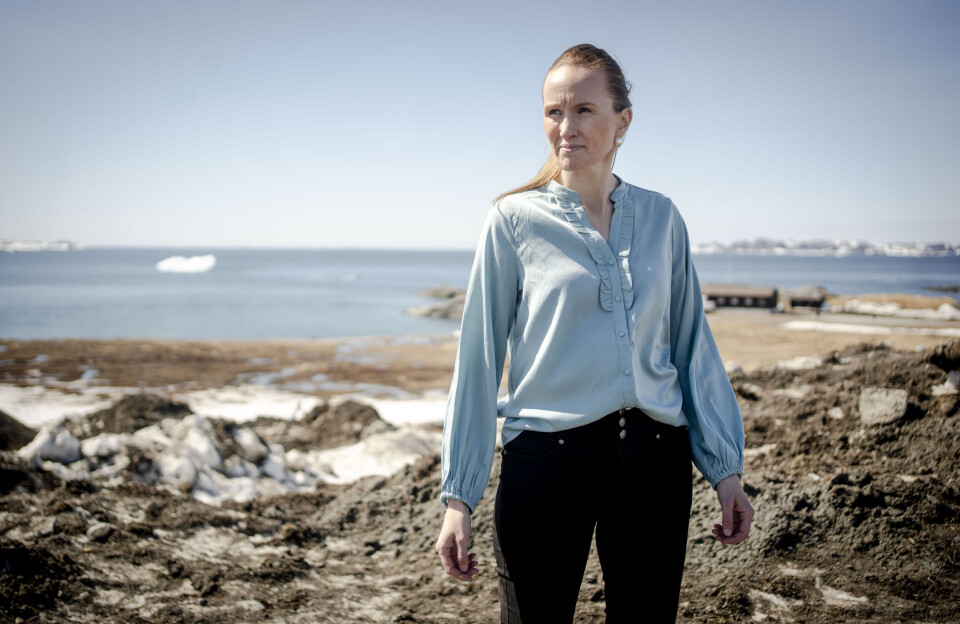
The chairman of KNAPK, Pele Blytmann, says that the fishing and hunting associations, not least KNAPK, have spent a long time ensuring that the various requirements for inland fishing for halibut have been met since the law came into force.
- We have had to spend a lot of time helping fishermen in the outer districts who cannot use MitID and who do not understand Danish or who are dyslexic, so that they can meet the requirements. The time period was very short, and no attention has been paid to these problems.
- The year is coming to an end, and there are still many ongoing administrative tasks of this nature, which is due to the short deadline to fulfill the many requirements, he says.
A potential problem
KNAPK fears that the exploitation obligation to fish 75 percent of the annual quota quantities for fishermen who have transitioned to the IOK system in management area 47 could create serious problems.
- This year, there is plenty of cod in many places along the coast, and the purchase prices are high, which means that many fishermen who fish for halibut according to the IOC are now fishing for cod instead.
- This means that many cannot fulfill their obligation to fish 75 percent of the Greenland halibut quota, and they stand to lose parts of the quota, which is unacceptable, says Pele Blytmann.
Since fishermen adapt their fishing to the available fish species, the KNAPK chairman believes that the 75 percent exploitation obligation should be adjusted to the actual conditions.
The opposite is the case.
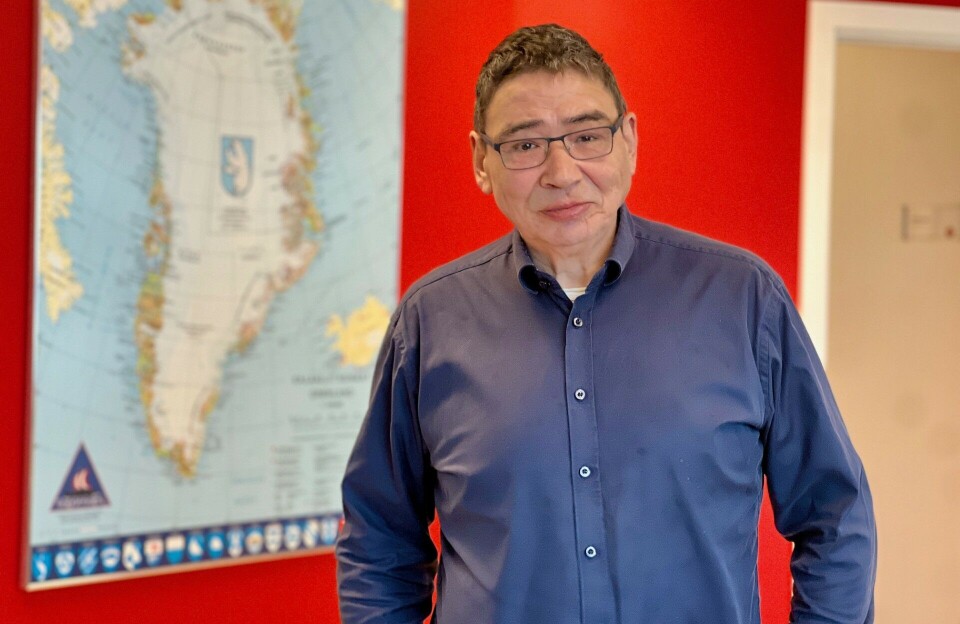
SQAPK chairman Anthon Lindenhann, like KNAPK, criticizes this controversial point in the Fisheries Act.
- We have otherwise made a request in vain for changes to this particular point in the Fisheries Act, which is of course regrettable.
- The Fisheries Act is generally a success, but some of its provisions, such as the obligation to exploit 75 percent of the quota, should and must be adapted to the fishermen's conditions, he says.
The purpose of introducing the IOK system for dinghy fishermen was, among other things, to create safer and more stable fishing, but according to Anthon Lindenhann, the opposite is now a reality, as fishermen have to make an effort to catch the quota, rather than saving it for later use, which according to him is not appropriate.
Abonnementer
Sermitsiaq.gl - web artikler
- Adgang til alle artikler på Sermitsiaq.gl
- Pr. måned kr. 59.00
- Pr. år kr. 650.00
Sermitsiaq - E-avis
- Adgang til Sermitsiaq e-avis som udkommer hver fredag
- Adgang til alle artikler på Sermitsiaq.gl
- Pris pr. måned kr. 191
- Pris pr. år kr. 1.677
AG - Atuagagdliutit E-avis
- Adgang til AG - Atuagagdliutit e-avis som udkommer hver onsdag
- Adgang til alle artikler på Sermitsiaq.gl
- Pris pr. måned kr. 191
- Pris pr. år kr. 1.677
Sermitsiaq.AG+
- Adgang til AG - Atuagagdliutit e-avis som udkommer hver onsdag
- Adgang til Sermitsiaq e-avis som udkommer hver fredag
- Adgang til alle artikler på Sermitsiaq.gl
- Adgang til Arnanut e-magasin
- Adgang til Nutserisoq.gl
- Ved interesse send en mail til abonnement@sermitsiaq.gl
Kære Læser, Velkommen til Sermitsiaq.gl – din kilde til nyheder og kritisk journalistik fra Grønland. For at kunne fortsætte vores vigtige arbejde med at fremme den frie presse og levere dybdegående, kritisk journalistik, har vi indført betaling for udvalgte artikler. Dette tiltag hjælper os med at sikre kvaliteten af vores indhold og støtte vores dygtige journalister i deres arbejde med at bringe de vigtigste historier frem i lyset. Du kan få adgang til betalingsartiklerne fra kun kr. 59,- pr. måned. Det er nemt og enkelt at købe adgang – klik nedenfor for at komme i gang og få fuld adgang til vores eksklusive indhold. Tak for din forståelse og støtte. Dit bidrag hjælper os med at fortsætte vores mission om at levere uafhængig og kritisk journalistik til Grønland.