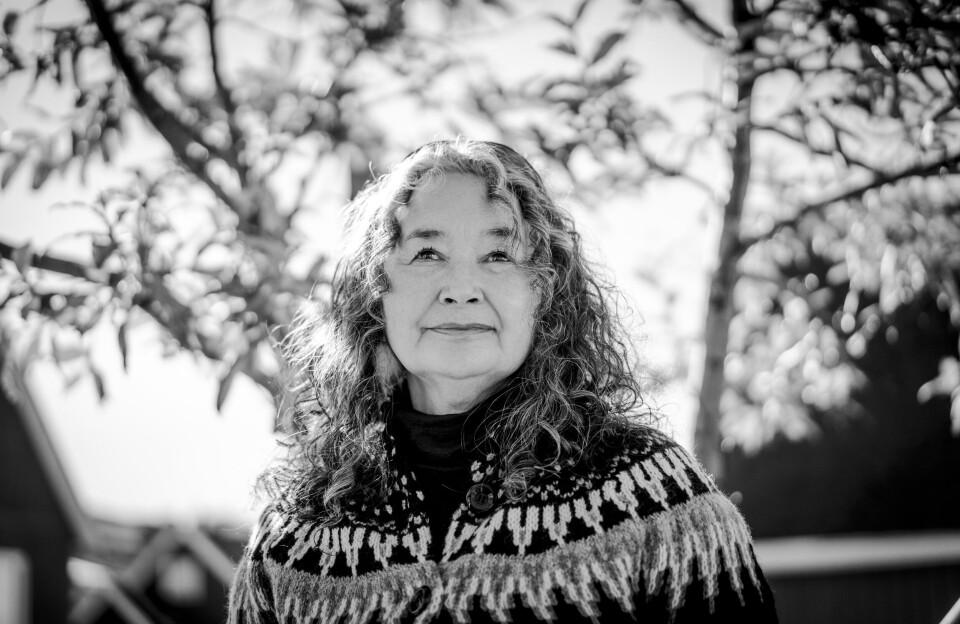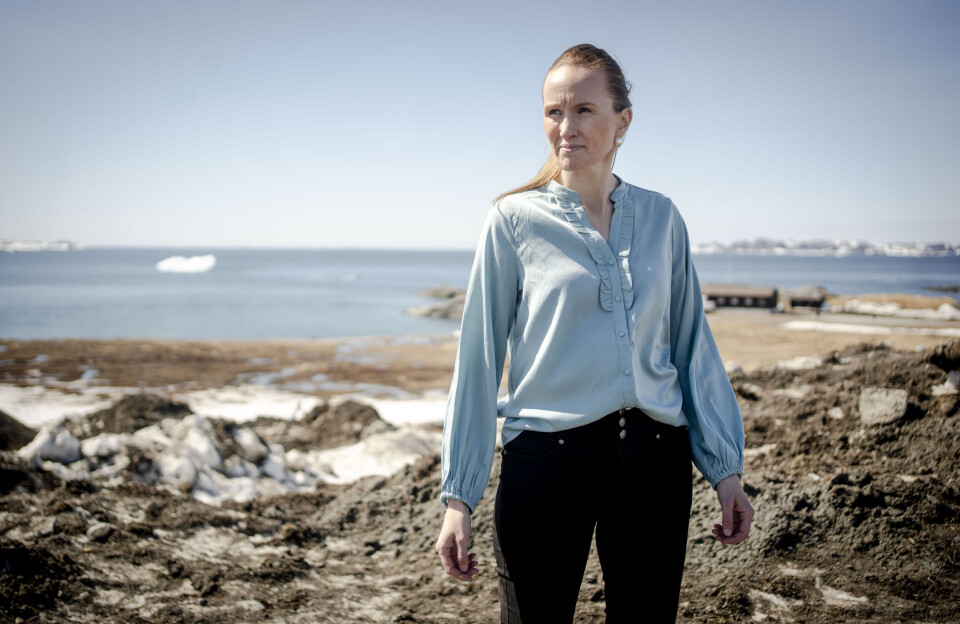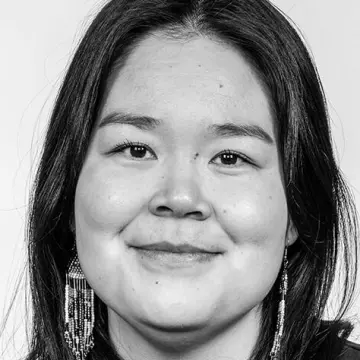
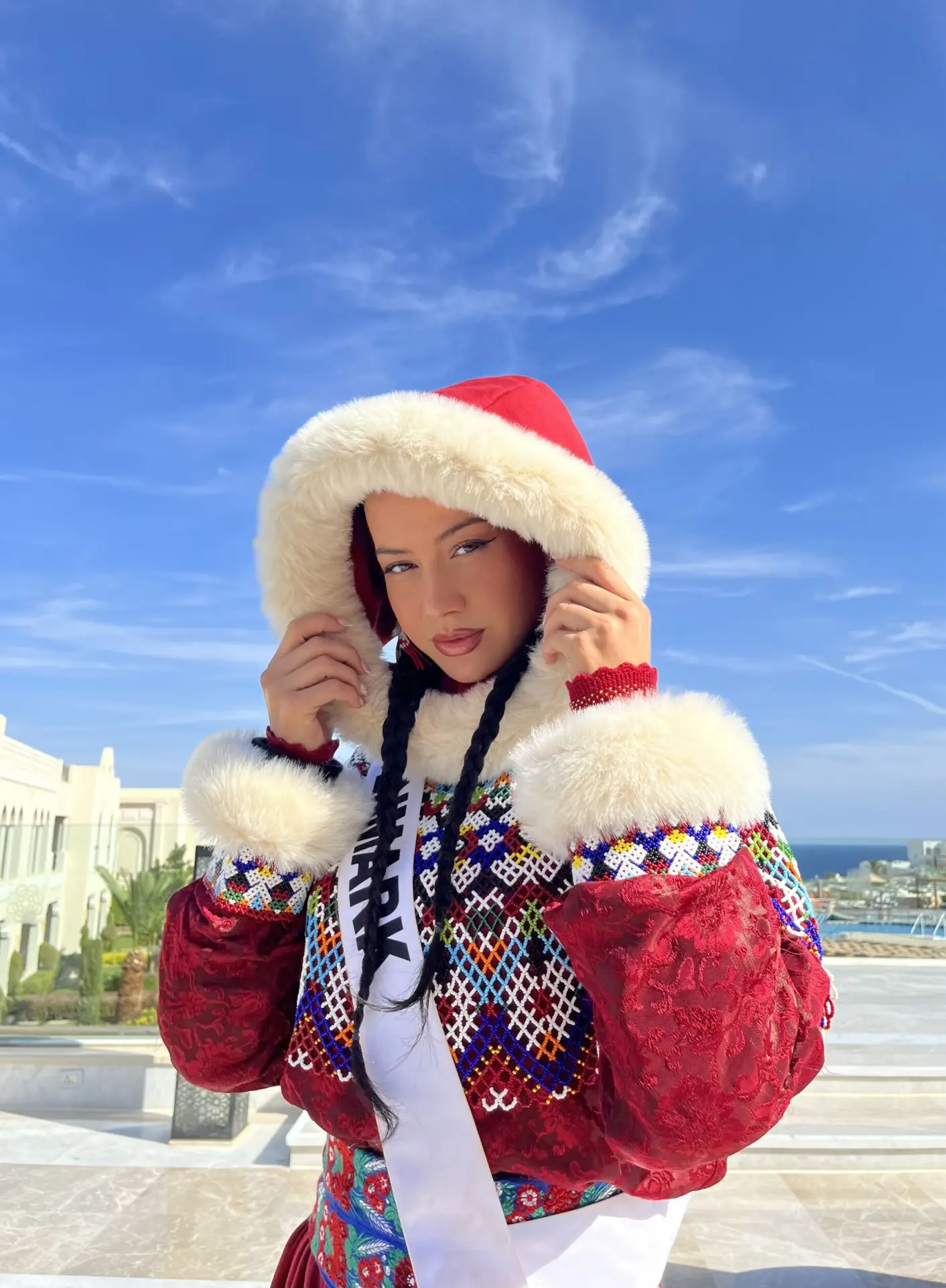
The pearl collar. She wears it with pride and a smile on her face. Every single pearl in the collar was made by her aanaa (grandmother, ed.) and holds a special meaning for Naja Mathilde Rosing.
For her, the collar is a symbol of both strength and pride. That is why she worn it both during her first Miss Denmark event and in the European Parliament a few weeks ago, when she gave a speech about identity and freedom - as a visible sign that she is Greenlandic.
She got the pearl collar from her atsa (aunt, ed.), the only female figure in her Greenlandic family, otherwise she only has uncles and cousins.
When she first wore the collar in public, she was nervous, not only about how people would react, but also because it put a spotlight on her identity. Naja, as she calls herself, is both Danish and Greenlandic, and this has often meant that she has felt pulled in two directions, unsure of where she belongs. The pearl collar became a visible expression of the side of herself that she wants to show, and which can be vulnerable to wear.
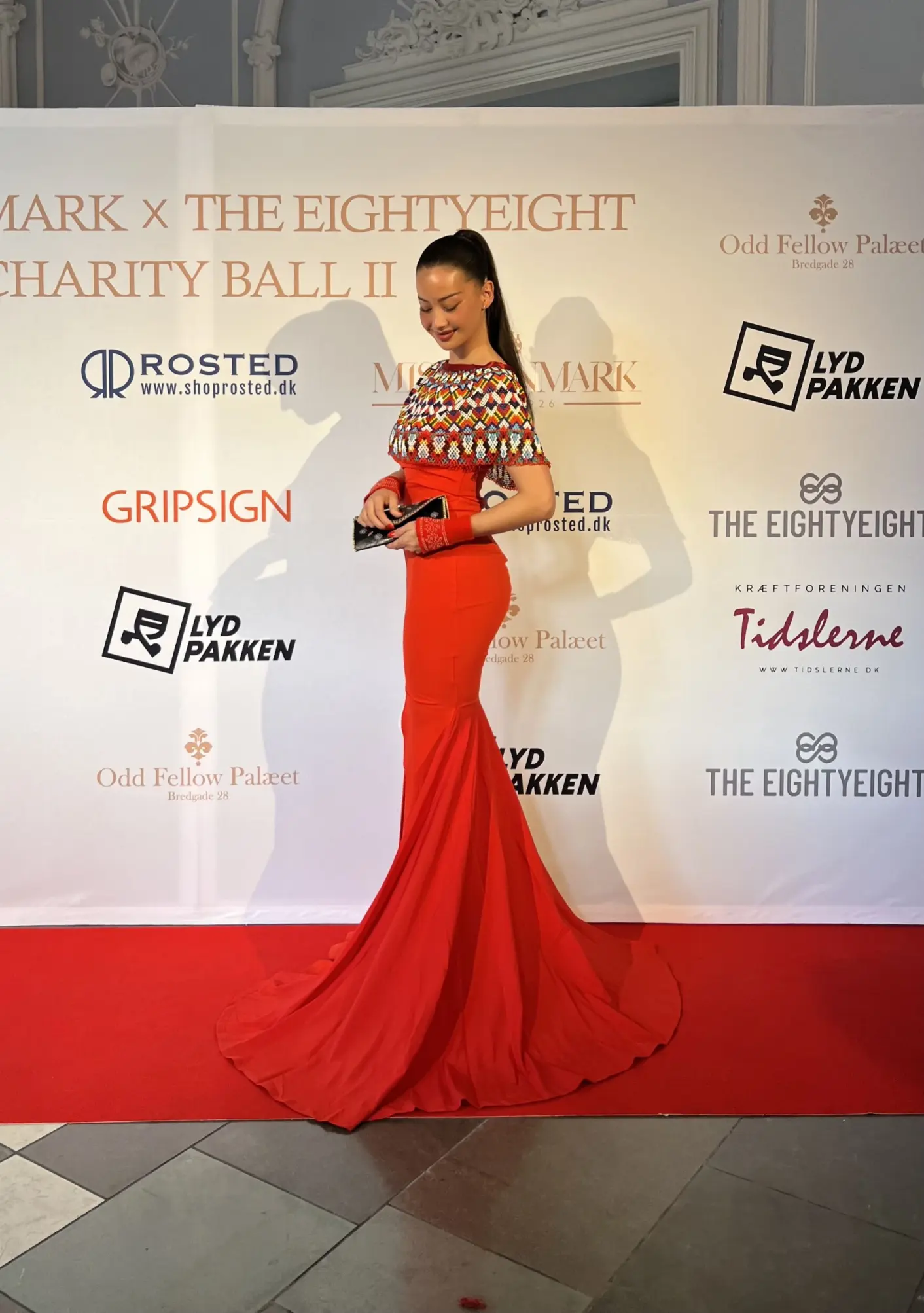
Yet, she chose to wear it to such an important event. The collar represents her, Greenlandic women and their history, and by showing it, she also learns more about herself and her culture. It is not just a piece of jewelry, it is a statement of pride, belonging and the perfection of who she is.
Today, she has taken the next step: she is trying to make her own pearl collar and earrings. The technique is difficult and requires patience, precision and concentration. But in the same way that it challenges her, working with beads also reflects her own journey of identity. Each bead she sets is a step towards understanding and shaping who she is in her own way - a beautiful, quiet reminder that identity is not something that can be divided, but something that is created and worn with pride.
Naja Mathilde Rosing has previously participated in Miss Denmark beauty pageants. She represented Denmark internationally in 2023 and Greenland in 2024, where she made history as the first ever contestant for Greenland as Miss Grand Greenland 2024. Today she lives in Denmark, where she studies mathematics, but she also uses her voice and works about Greenland, a country she always longs for. For Naja, it's about turning what was previously considered negative into something that can stand out proudly, just like she does with the pearl necklace.
Greenland or Africa
Naja Mathilde Rosing was born on July 28, 1998 in Køge. Her grandmother was a nurse and was given the choice of going to Greenland or Africa.
- She chose to go to Greenland and has lived all over the country actually. I think it must have been about 25 years that she lived in Greenland. So my mother actually grew up all over Greenland, says Naja Mathilde Rosing.
Her mother, Mette Rosing, comes from Denmark and her father, Ulf Abrahamsen, is Greenlandic. Naja has five siblings.
- I grew up as the middle child and I feel that my older sister Laura has been the big one and has gone through the fire first. And then she has taught me where not to step. She was very protective, she says.
Naja was the younger, adventurous type - a dreamer. She has always had big dreams and has never been afraid to follow them.
- Yes, I have always been like that, she says.
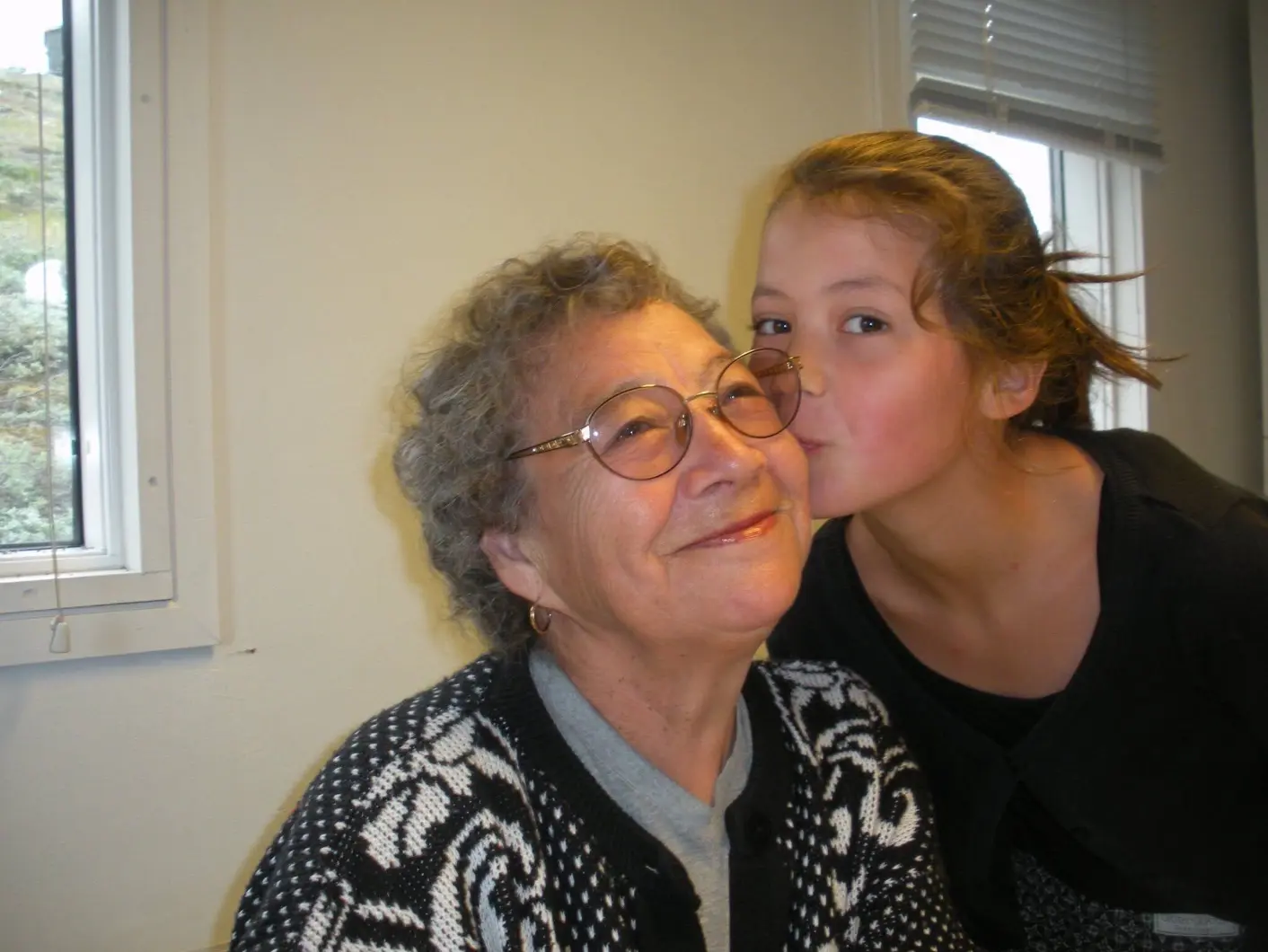
Naja started primary school in Denmark and moved to Nuuk at the age of 13 and continued her primary school in Kangillinnguit Atuarfiat. She was the brave one in her class and often spent time with the boys, but she was actually part of the community with both girls and boys.
- I was absolutely crazy about sports and always had to compete with the boys in sports. I was also very creative and not afraid to speak my mind. When it came to clothes, I have always worn colors and not cared much about what others thought. I have always done things my own way, says Naja Mathilde Rosing.
Her parents divorced when she was a child, and Naja grew up with her grandmother, mother and sister. She was about two years old. At the time, her mother was training to be a nurse. That is one of the earliest things she remembers.
- I remember a time with a lot of love and strong women around me. It was a tough period, but you make it work with help from your family, especially the women in my family. They are very strong. We help each other when we stand together, says Naja Mathilde Rosing.
A whole person
With a Greenlandic father and a Danish mother, Naja has always felt that her identity was something special, something that has made her aware of who she is and where she belongs.
- I hate to say the words ‘half Greenlandic’ or ‘half Danish’, because you are a whole person. That word doesn’t really convey what it really means to have both cultures in you. I have always felt rich, rich in culture and love, she says.
As a Greenlander in Denmark, Naja has - as she herself says - received a lot of teasing for being Greenlandic.
- In Denmark, I have always experienced that you look exotic in a way. How you take it can of course be both positive and negative. At the same time, you grow up with prejudices about Greenlanders and often get teasing for being Greenlandic. As a young person, you have to figure out how to navigate through all those prejudices, says Naja Mathilde Rosing.
On the other hand, it has also been difficult to grow up with both Danish and Greenlandic roots in Greenland.
- It's about the fact that it can be challenging in general to have roots in both cultures, but especially when it comes to two countries like Greenland and Denmark, which have so much history together. As a child who is in the middle, you often encounter prejudices from both sides, says Naja Mathilde Rosing.
She says that she has often encountered prejudices about what a Greenlander "should" look like. While she has always been proud of her background, she has experienced Danes being shocked that she is Greenlander and making comments like "You don't look like a Greenlander". She wonders where these stereotypes come from, and points out that such comments often reveal prejudices that people have brought with them from home.
- And I think that was a huge problem. But it didn't make me more embarrassed about being Greenlander. On the contrary, I almost felt that it became a mission to change this view that people have of Greenlanders as Danes, she says.
When Naja moved to Nuuk at the age of 13, she suddenly encountered prejudice from the other side: she was told that she was “a stupid Dane”, criticized for not speaking fluent Greenlandic and was told that she was not a “real” Greenlander.
- It is difficult as a young person to be in such a situation, where you become a target for both countries and their prejudices, she says.
A difficult time
Naja has lived in both Denmark and Greenland for long periods. Greenland is close to her heart, and at one point she even chose an education primarily to be able to live in the country. She was 16 years old.
- I actually had such a hard time going back to Denmark. I felt very much on the outside and very lonely. I didn't have my family around me and only a few friends. At the same time, I constantly felt that I wasn't really part of the community, says Naja Mathilde Rosing.
She describes the period as one of the most difficult in her life. After also going through some difficult experiences in Denmark, she had sought Greenland to be closer to the place where she felt she belonged. Therefore, the resistance hit her extra hard, and during that period she had such a hard time that at one point she considered taking her own life.
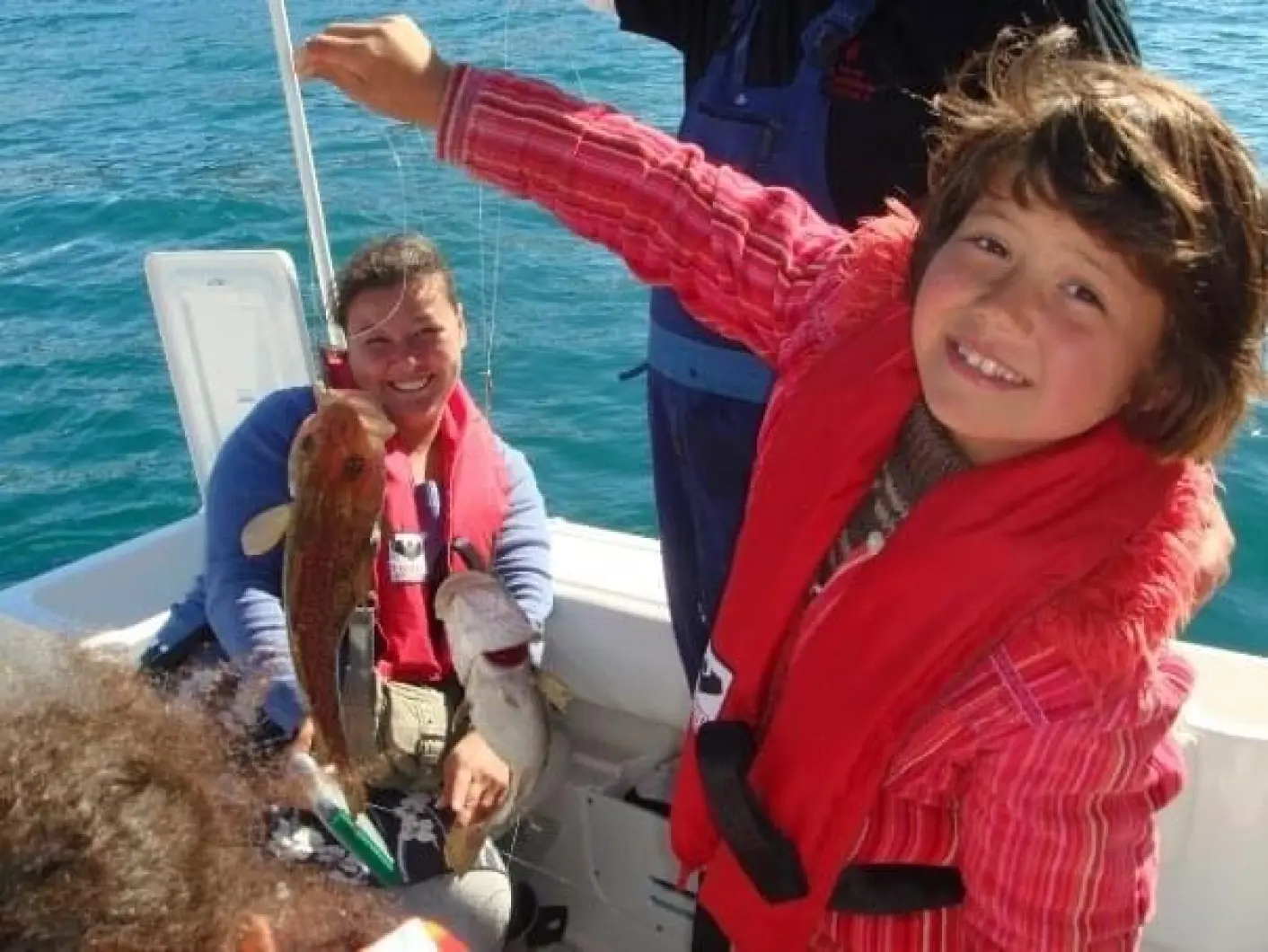
- It was a very hard time. I just felt that there wasn't really a place I belonged, that I wasn't completely wanted in either of the two countries I come from. There followed many difficult years after that, where I had to work my way through that time, she says.
Back in Denmark – surrounded by family – Naja focuses on getting better. She starts in 10th grade in Denmark and starts group therapy and goes to a psychologist.
- And it was very rewarding. Because I think that my biggest problem has probably been through a very big part of my life, that I have always felt that there was something wrong with me and that I was 'wrong', she says.
- And it is hard to change that view of yourself when that is what you have been told so much in your life. So that feeling, it has been with me for many years. And is still something I sometimes struggle with, she says.
Miss Greenland
One day she came across an advertisement from the beauty contest Miss Denmark, which was looking for participants from the Faroe Islands and Greenland.
- I was so tired of hearing all the negative things about Greenlanders. So I thought I would like to try to show that Greenlanders are also beautiful, she says.
At the same time the decision was also about something more personal. As a child, she herself had missed someone to look up to.
- When I was younger, I really lacked a Greenlandic female role model. I often felt that I looked different and had a different way of understanding the world, perhaps also because I grew up among Greenlanders, she says.
For Naja, participation therefore also became a way of being the role model she herself had been missing. For her, it is not only about beauty pageants, it is about identity, pride and responsibility.
- I think it is necessary, not only in my situation, but also for thousands of young people, who stand with one foot in each country. I want to contribute to a change that I feel is important. If you never dare to do something different or try something new, you neither develop as a person nor as a people, she says.
For her it is also about owning your story and standing out with pride. The most important thing for her is that you have the right intentions.
- For me, it was at Miss Intercontinental 2023, where I represented Denmark, but had Greenland in my heart in front of millions of people. And again at Miss Grand International 2024, where I represented Greenland. Here it is about showing Greenland with pride and self-confidence, says Naja Mathilde Rosing.
Her Instagram exploded when Greenland received massive attention in the wake of the major geopolitical events. She was even asked if she would speak about Greenlandic identity and freedom in the European Parliament. Ilaana, she would like to.
- I feel that I have been heard. I have been seen. I feel that I have given a lot of Greenlandians a voice. I feel that it is my speech. I wrote it all myself, and I also feel that I am speaking about some feelings that a lot of people can relate to.
- About being whole or ‘half’, even though I hate using that word, and just being allowed to be. Without having to explain or defend yourself. You just want to be, she says.
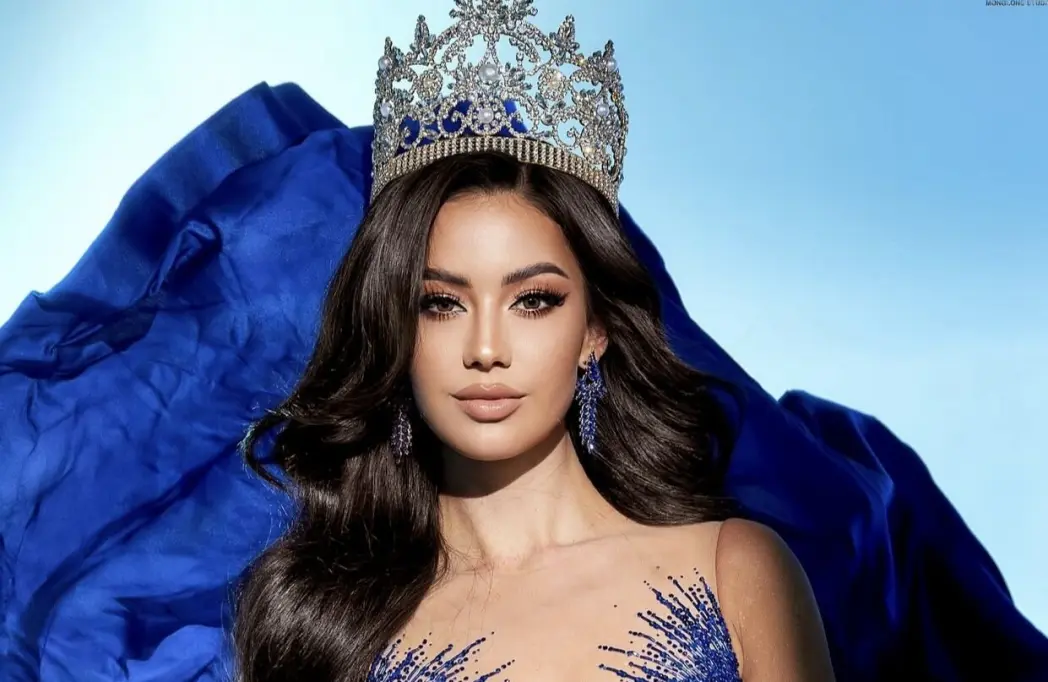
Naja Mathilde Rosing has learned that identity is not about being “half” of something, but about owning the whole of yourself, with all the roots, experiences and stories you carry.
The pearl necklace, which she is now also trying to create herself, has become a symbol of that journey: of strength, pride and finding the place where you belong.
Today she is still learning about her roots, both Danish and Greenlandic. Ajunngilaq - she does everything with her heart and with good intentions. When you do that, things rarely go wrong, she tends to think.
Abonnementer
Sermitsiaq.gl - web artikler
- Adgang til alle artikler på Sermitsiaq.gl
- Pr. måned kr. 59.00
- Pr. år kr. 650.00
Sermitsiaq - E-avis
- Adgang til Sermitsiaq e-avis som udkommer hver fredag
- Adgang til alle artikler på Sermitsiaq.gl
- Pris pr. måned kr. 191
- Pris pr. år kr. 1.677
AG - Atuagagdliutit E-avis
- Adgang til AG - Atuagagdliutit e-avis som udkommer hver onsdag
- Adgang til alle artikler på Sermitsiaq.gl
- Pris pr. måned kr. 191
- Pris pr. år kr. 1.677
Sermitsiaq.AG+
- Adgang til AG - Atuagagdliutit e-avis som udkommer hver onsdag
- Adgang til Sermitsiaq e-avis som udkommer hver fredag
- Adgang til alle artikler på Sermitsiaq.gl
- Adgang til Arnanut e-magasin
- Adgang til Nutserisoq.gl
- Ved interesse send en mail til abonnement@sermitsiaq.gl
Kære Læser, Velkommen til Sermitsiaq.gl – din kilde til nyheder og kritisk journalistik fra Grønland. For at kunne fortsætte vores vigtige arbejde med at fremme den frie presse og levere dybdegående, kritisk journalistik, har vi indført betaling for udvalgte artikler. Dette tiltag hjælper os med at sikre kvaliteten af vores indhold og støtte vores dygtige journalister i deres arbejde med at bringe de vigtigste historier frem i lyset. Du kan få adgang til betalingsartiklerne fra kun kr. 59,- pr. måned. Det er nemt og enkelt at købe adgang – klik nedenfor for at komme i gang og få fuld adgang til vores eksklusive indhold. Tak for din forståelse og støtte. Dit bidrag hjælper os med at fortsætte vores mission om at levere uafhængig og kritisk journalistik til Grønland.