Have you ever wondered which photo to post on Tinder?
An otherwise simple choice can feel all-consuming: Is it the photo that gets you a coffee date or the one that makes you look like just another guy who loves good food and long walks?
So you’re trying to stand out. You choose the photo from a ski trip in the Alps. Sunglasses on your forehead and snow as far as the eye can see. Your friend nods: “Then you don’t look like everyone else.”
But maybe you’re not as unique as you think.
A new study from Spain suggests that many Tinder profiles are much more similar to each other than we realize.
The nine stereotypes
By letting a computer find patterns in thousands of Tinder photos, researchers from the Universitat Oberta de Catalunya discovered that we are actually much less creative than we think.
Instead of being unique, most of us unconsciously fall into nine very specific categories:
1. Half-length portrait (24 percent of profiles): The absolute most popular choice. Half body and direct eye contact with the camera.
2. The ‘casual’ pose (16 percent): The relaxed style where you deliberately look away from the camera to look like someone who just happened to be caught in a cool moment.
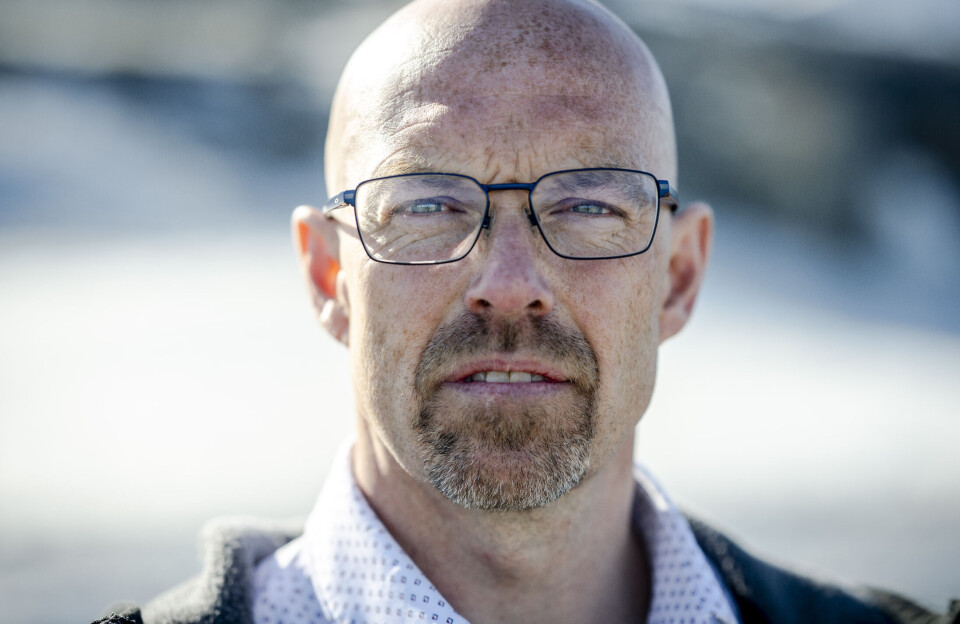
3. Close-up (14 percent): The close-up with a direct look at the camera, where only the head and face are visible.
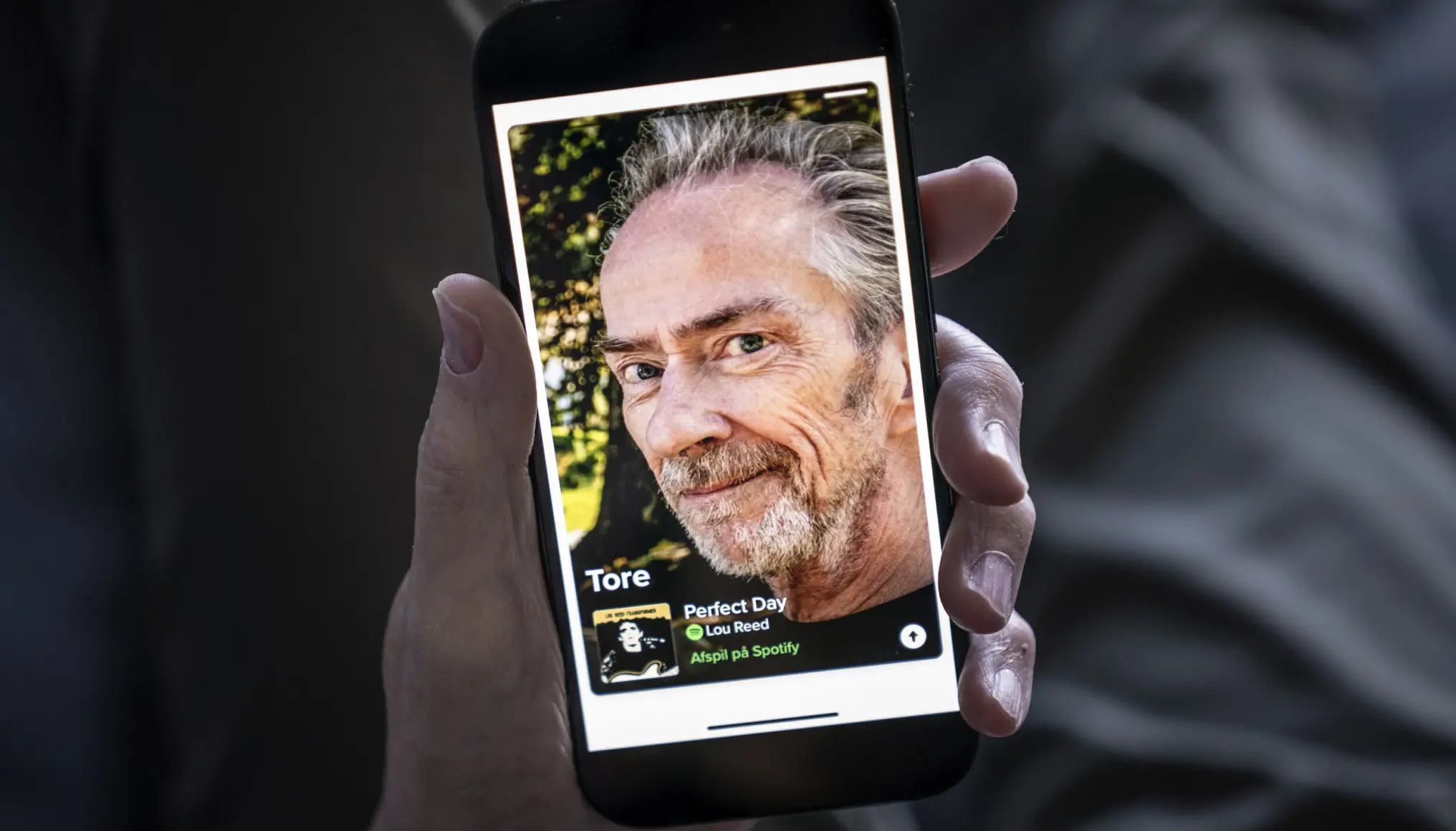
4. Full Figure (13 percent): The full-body image with direct eye contact.
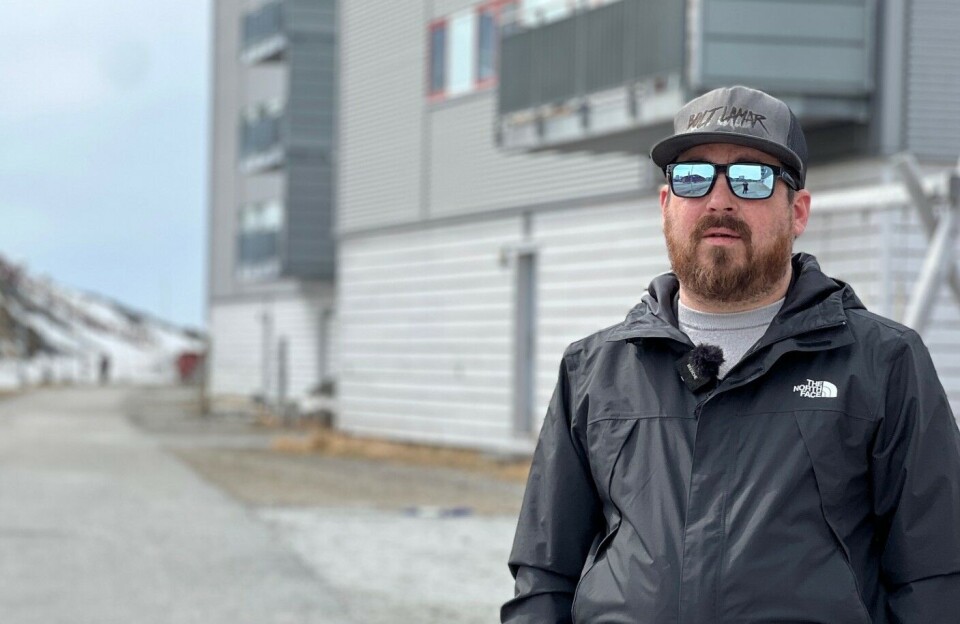
5. The Sunglasses Type (10 percent): Photos with sunglasses on, usually in urban or beach settings.
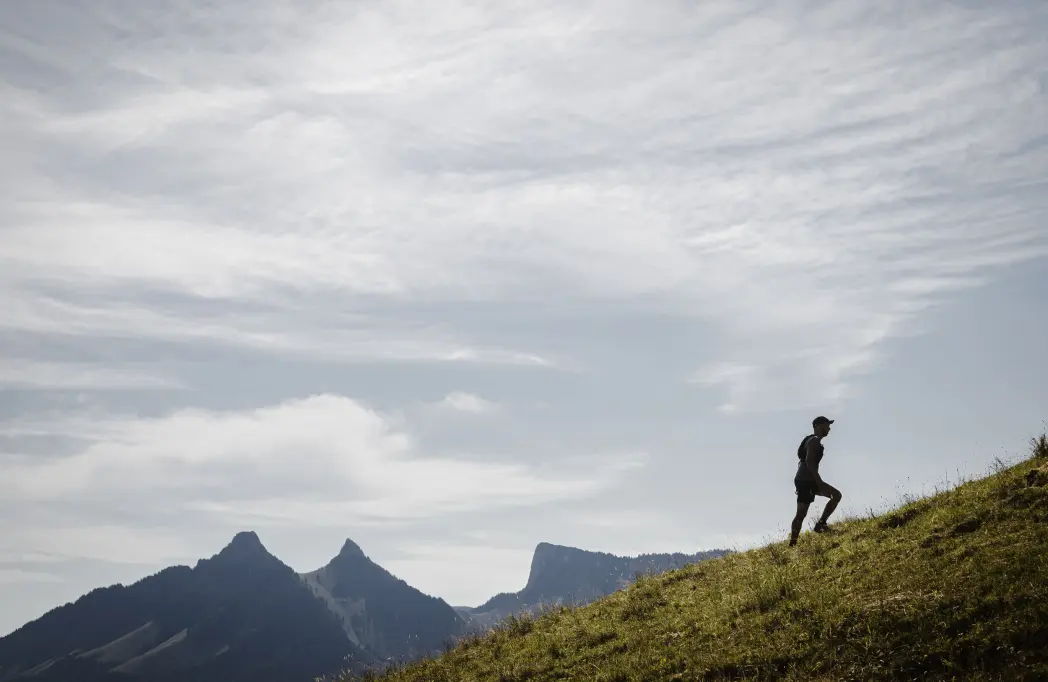
6. The Nature Lover (8 percent): Photos with a wild nature backdrop.
7. Nudity (7 percent): Photos with a high degree of nudity and very little clothing, usually taken at home or at the coast.
8. The ‘Screensaver’ (5 percent): Photos where the person is not visible at all - it is just a nice background or a landscape.
9. Body Parts Without a Face (3 percent): Photos that only show selected parts of the body (such as feet or stomach), but where the head is cut off.
The first four categories alone make up 67 percent of all profiles. This means that two-thirds of all Tinder users in the study choose one of these four standard poses.
For Jesper Dammeyer, professor of psychology at the University of Copenhagen, it is two of the smaller categories in particular that stand out : the sunglasses type and pictures that only show body parts without a face.
- Both categories create a contrast between the desire to be seen and at the same time to protect oneself, he explains.
He does not see it as a coincidence, but as a conscious strategy to balance visibility and protection.
- When you wear sunglasses or show only part of your body, you create a bit of mystery and perhaps interest. It's like saying, "Look at me, but not too much."
Why do men and women look so different?
The study found not just nine solid boxes, but also massive differences in who ends up where. Your gender is particularly important.
Heterosexual men are more likely to choose outdoor photos in nature, put on a serious face, and avoid looking directly into the camera.
Heterosexual women are more likely to smile directly at the camera, upload full-length photos, and show more of their bodies.
The researchers behind the study suggest that the pattern can potentially be explained by evolutionary theory: Our primitive brains are still running the show.
The idea is that men unconsciously try to signal status and security (through serious nature photos), while women try to signal fertility and attraction (via smiles and body focus).
But Malthe Rye doesn't quite buy that explanation. He researches online dating culture at the University of Copenhagen and believes that it's more about culture than biology.
- Of course we have biology, and of course there's some evolution at play. It's just an extremely small part of how we choose photos on dating apps, he insists.
Instead, he points out that it's the culture we grow up in that acts as the primary driving force.
- We learn through society, media and social norms how one 'should' present oneself on dating apps, he explains.
Your age is the strongest factor
But it is not only your gender that reveals you. Your age also plays a big role.
· Young people (18-29 years): The youngest group is not afraid to show skin. They most often fall into the 'casual trap', where they deliberately look away from the camera, to look as if the picture was taken completely randomly.
· Middle-aged people (30-49 years): Here the strategy changes significantly, and we start to hide ourselves. The use of sunglasses increases, and we prefer close-ups where the body is cut off.
· Over 50 years: The trend culminates in the oldest group, who often directly avoid showing the body and instead hide behind 'screensaver' images.
According to psychology professor Jesper Dammeyer, it makes perfect sense that our age can be read so clearly in our images.
- Our choice of images reflects the expectations society has for our age, he says, giving some examples:
- Young people should look fresh and fun, while older people should signal experience and maturity.
This pattern shows how our relationship to getting older affects the way we present ourselves online.
Our image choices actually become a form of age-specific self-censorship, where we unconsciously adapt to the social norms of what is considered ‘appropriate’ for our age group.
The fear of falling out
Why do we clique up in the same boxes on Tinder? According to Professor Jesper Dammeyer, the explanation is simple: We simply need stereotypes.
When we swipe through a sea of profiles, the pictures act as quick mental shortcuts to decode others' intentions and personalities.
We humans cram everything into boxes. They help us find order in a life filled with chaos, explains the professor.
But we don't just copy-paste each other to create order. We also do it out of fear.
- You're afraid of being judged, says Malthe Rye.
He explains that dating apps can feel brutal. If you unconsciously send the wrong signals, you fall outside the template and get rejected. That's why we quickly learn to adapt to the pack.
- We want to avoid standing out in the wrong way or appearing to be someone who doesn't fit in.
He cites as an example that many men have learned the hard way to ditch the classic photo where they proudly pose with a big fish they caught themselves.
- There's something about this man standing with a fish in his hand that reminds you of a child saying to his mother: 'Look here, look how good I am', he explains.
The researchers' advice: Should you go with the flow?
So what do you do when you're staring at your Tinder picture and thinking: 'Is this good enough?' Should you look like everyone else or try to stand out?
According to Professor Jesper Dammeyer, it can actually be an advantage to do a bit of both.
He recommends that you first find out which of the nine categories you actually fit into best. And then you lean into it.
That makes it easier for others to quickly understand who you are, and whether you match.
- You often match with those who are similar to you - that's the good match, he says.
But there can be a little twist, he adds. Something that makes you not just another copy.
The most important thing, however, is that you don't oversell yourself.

If you try to look like an adventurous ski bum, but in reality you'd rather stay home on the couch, you're creating a gap between your online self and your real self.
In psychology, this is called self-discrepancy - and research clearly shows that this gap is a direct shortcut to unhappiness, bad dates and disappointment when you finally meet in reality
In short: Be yourself, it pays off in the long run.
Abonnementer
Sermitsiaq.gl - web artikler
- Adgang til alle artikler på Sermitsiaq.gl
- Pr. måned kr. 59.00
- Pr. år kr. 650.00
Sermitsiaq - E-avis
- Adgang til Sermitsiaq e-avis som udkommer hver fredag
- Adgang til alle artikler på Sermitsiaq.gl
- Pris pr. måned kr. 191
- Pris pr. år kr. 1.677
AG - Atuagagdliutit E-avis
- Adgang til AG - Atuagagdliutit e-avis som udkommer hver fredag
- Adgang til alle artikler på Sermitsiaq.gl
- Pris pr. måned kr. 191
- Pris pr. år kr. 1.677
Sermitsiaq.AG+
- Adgang til AG - Atuagagdliutit e-avis som udkommer hver fredag
- Adgang til Sermitsiaq e-avis som udkommer hver fredag
- Adgang til alle artikler på Sermitsiaq.gl
- Adgang til Arnanut e-magasin
- Adgang til Nutserisoq.gl
- Ved interesse send en mail til abonnement@sermitsiaq.gl
Kære Læser, Velkommen til Sermitsiaq.gl – din kilde til nyheder og kritisk journalistik fra Grønland. For at kunne fortsætte vores vigtige arbejde med at fremme den frie presse og levere dybdegående, kritisk journalistik, har vi indført betaling for udvalgte artikler. Dette tiltag hjælper os med at sikre kvaliteten af vores indhold og støtte vores dygtige journalister i deres arbejde med at bringe de vigtigste historier frem i lyset. Du kan få adgang til betalingsartiklerne fra kun kr. 59,- pr. måned. Det er nemt og enkelt at købe adgang – klik nedenfor for at komme i gang og få fuld adgang til vores eksklusive indhold. Tak for din forståelse og støtte. Dit bidrag hjælper os med at fortsætte vores mission om at levere uafhængig og kritisk journalistik til Grønland.