Bølgerne går højt i debatten om, hvad ultraforarbejdet mad egentlig er.
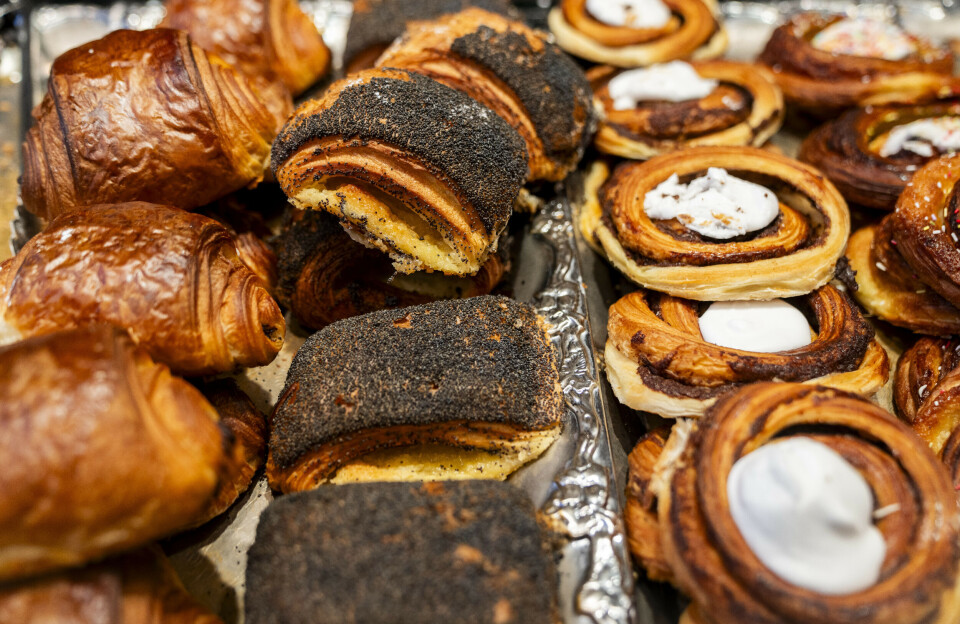
Den ultraforarbejdede mad indeholder raffinerede og pulveriserede næringsstoffer og mange tilsætningsstoffer som emulgatorer, fortykningsmidler, sødemidler og konserveringsmidler. Men hvad med butikskøbt grovbrød og yoghurt med syltetøj eller kogt skinke med et konserveringsmiddel? Er det virkelig også sundhedsskadeligt?
Der er dog en anden side af ultraforarbejdet mad: Formålet med forarbejdningen.
Fødevareproducenterne kan bruge tilsætningsstoffer og forarbejdning til mange formål, for eksempel at gøre maden mere sikker, reducere madspild eller sikre fødevareforsyningen. Men der er også et andet hensyn: Profit.
En ikke ubetydelig del af maden i butikkerne produceres af store – ofte multinationale – fødevarevirksomheder, som sætter profit før sundhed, ifølge en lederartikel, der for nylig er offentliggjort i det britiske lægevidenskabelige ugetidsskrift The Lancet.
Virksomhederne ønsker at lave mad, der sælger bedst muligt. Det har drevet udviklingen af en helt særlig type produkter:
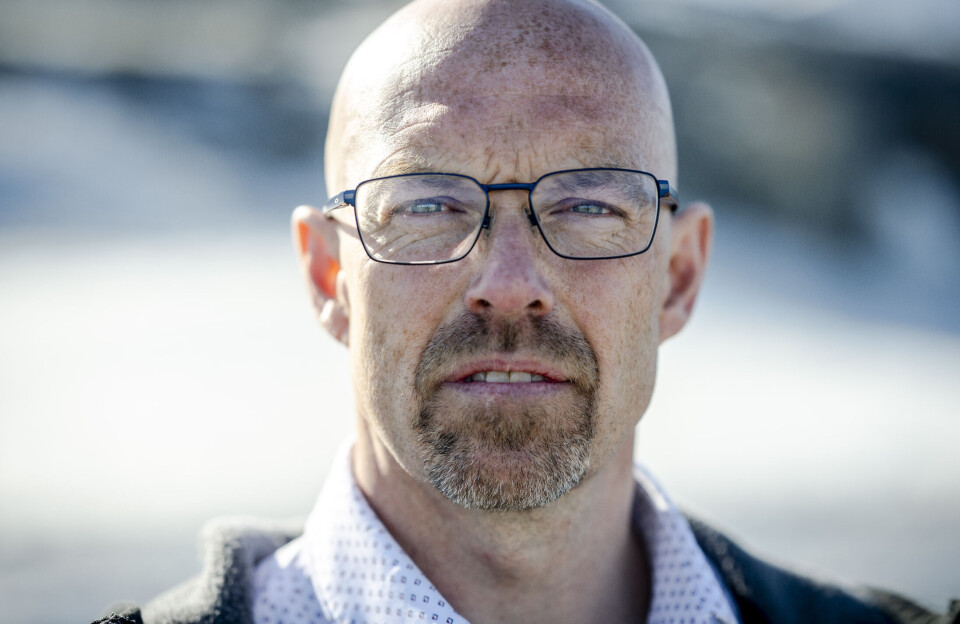
- Fødevarer lavet af billige råvarer – som raffineret hvede, majs, sukker og olie – tilsat en række stoffer, der giver dem en meget attraktiv smag og konsistens, siger Simon Dankel, professor ved Universitetet i Bergen.
Vi har fået en målrettet udvikling og markedsføring af stadig mere fristende ultraforarbejdede produkter, som det skal være svært at holde op med at spise.
Mad skabt til overspisning
Disse mad varer er ofte meget lette at tygge og fordøje, fordi strukturen i de oprindelige råvarer er fuldstændig nedbrudt. Produkterne indeholder typisk lidt vand og er tilsat konserveringsmidler, så de kan holde sig længe under transport og på butikkernes hylder.
- Det er ekstremt profitabelt for virksomhederne, siger Simon Dankel.
Problemet er, at lønsomheden bygger på, at vi skal forbruge mere, selvom vi ikke har brug for det.
- Forarbejdningen er blevet et middel til at tjene penge og vinde kampen om kunderne, men bidrager til, at folk spiser for meget energi og for lidt af den næring, kroppen har brug for, siger Simon Dankel.
Hjernen er ikke fulgt med tiden
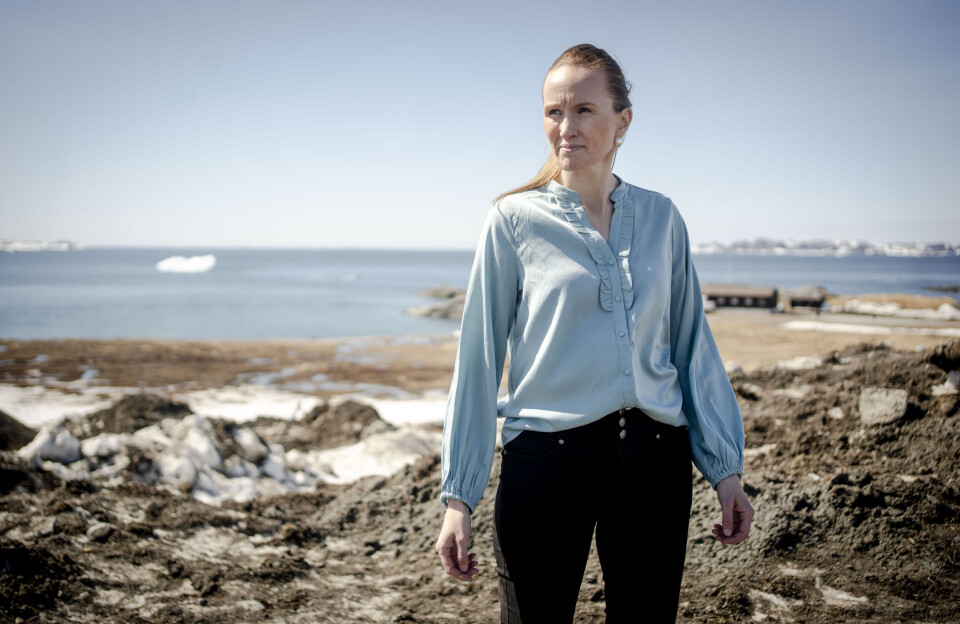
Tine Sundfør, som er klinisk ernæringsfysiolog med ph.d. i ernæring, mener, at det er et stort problem.
- Markedskapitalismen har ét mål: at sælge flere varer og mere af producentens egne produkter. Det er en ekstrem drivkraft for overforbrug, siger hun.
Fødevareindustrien bruger store ressourcer på at udvikle og markedsføre stadig mere uimodståelige produkter. Og den, der skal modstå dette, er hver enkelt af os – med naturen imod os.
- Hjernen er ikke fulgt med tiden, siger Tine Sundfør.
Da mennesket udviklede sig, var det en fordel at finde mad med et højt energiindhold. Stærke biologiske kræfter i os gør, at vi har lyst til hurtige kulhydrater, især når de også indeholder tilsat fedt. Og når vi spiser denne mad, får hjernen en stor belønning i form af velvære-stoffer.
- Det er så let at kommunikere med hjernen på den måde og friste den, siger Tine Sundfør.
- Så selvom syv ud af ti af os siger, at vi gerne vil spise sundere, går vi ud af butikken med usund mad.
Det er altså her, det store potentiale for øget salg ligger.
- Folk overkøber ikke sund mad. Du bliver ikke fristet til at tage et ekstra æble med, siger Tine Sundfør.
Kan tilsidesætte kroppens regulering
Derudover er det muligt, at den nye mad forvirrer kroppens reguleringssystemer, mener Simon Dankel. Kroppen har komplekse systemer til at regulere fødeindtaget. Alt fra tyggeprocessen, hvor hurtigt vi synker, til hvordan maden fordøjes og optages i kroppen, er med til at styre hjernens opfattelse af sult og mæthed.
- Men vi er indrettet til at håndtere hel mad, siger Simon Dankel.
- Med det omfang, som forarbejdningen har nået i dag, kan vi tilsidesætte kroppens reguleringssystemer.

I mange samfund verden over fortrænger denne ultraforarbejdede industrimad nu de næringsrige varer i den traditionelle kost, som frugt, grøntsager, fuldkorn, kød, fisk og simple mejeriprodukter. Det var netop udgangspunktet for NOVA-systemet, udviklet af brasilianske forskere. De ønskede at undersøge, hvad der sker med helbredet, når industrimad tager over. Det er dog ikke sikkert, at det er det bedste system til at identificere problematisk industrimad, mener seniorforsker Paula Varela-Tomasco, som selv forsker i ultraforarbejdet mad ved det norske, statsejede forskningsinstitut, Nofima.
Måske er der brug for et nyt system
- Ikke alle ultraforarbejdede produkter er usunde, men de fleste usunde produkter er ultraforarbejdede, skriver Paula Varela-Tomasco.
Et system, der både inddrager graden af forarbejdning og næringsindholdet, vil sandsynligvis bedre kunne skelne mellem sådanne produkter, mener hun.
- Ikke alle kategorier af UPF har lige stærke sammenhænge med sundhedsudfald.
- Vi har brug for mere forskning for at gå i dybden med disse forskelle og identificere årsagerne, mekanismerne og de vigtigste produkter – særligt i det norske kosthold, skriver hun.
Men selvom der mangler meget viden, mener både Simon Dankel og Tine Sundfør, at vi har tilstrækkelig forskning til at sige, at en kost med meget ultraforarbejdet mad ikke er godt for helbredet.
- Vi skal selvfølgelig helst have indsigt i alle mekanismerne, siger Simon Dankel.
Studier kunne for eksempel sammenligne, hvordan enkeltprodukter med forskellig forarbejdningsgrad påvirker sundheden, fordøjelsen og hvor hurtigt og hvor meget vi spiser.
Men at vente på sådan sikker viden er ikke nødvendigvis en mulighed, mener Simon Dankel.
Forskningsressourcerne til at undersøge ernæring er ret begrænsede, og med det nuværende omfang af forskellige ingredienser, processer og produkter siger det sig selv, at det vil tage meget lang tid at teste alt i randomiserede, kontrollerede forsøg.
Sådanne studier giver heller ikke nødvendigvis særligt gode svar på effekten af hele kosten, siger Simon Dankel.
- Måske får man studier af enkeltprodukter, som viser nogle meget små forskelle mellem ultraforarbejdede og minimalt forarbejdede varer. Men hvis man lægger virkningen af mange ultraforarbejdede produkter sammen over lang tid, kan effekten være enorm.
Middelhavskost er også diffus
Simon Dankel forstår, at der har været skepsis over for begrebet ultraforarbejdet mad.
- En vigtig definition af ultraforarbejdet mad handler jo ikke om næringsstoffer, men om formålet med forarbejdningen. Det tror jeg, mange forskere ikke helt vil acceptere, fordi de gerne vil studere detaljerne.
Samtidig mener han ikke, at uklarhederne omkring kategorier og definitioner af ultraforarbejdet mad på nogen måde er enestående.
- Sundhedsmyndighederne råder os for eksempel til at begrænse rødt kød, men der findes ikke forskning i sundhedseffekten af vildtkød eller leverpostej, siger Simon Dankel.
De anbefaler gerne middelhavskost, selvom vi ikke har en klar definition af, hvad en sådan kost faktisk omfatter og udelukker.
Eller viden om, hvad alle de forskellige ingredienser i kosten gør i kroppen. De fleste er alligevel indforstået med, at det er helheden, der tæller, og at et sådant kostmønster er gavnligt for sundheden.
Usman Ahmad Mushtaq, som er statssekretær i Norges Sundheds- og Omsorgsministerie (det norske svar på det danske Sundheds- og Ældreministeriet, red.) byder mere forskning i ultraforarbejdet mad velkommen.
- Vi har i dag et samfund, der for mange virker fedmefremmende. Der er behov for mere viden om en systemtilgang til udfordringerne, frem for kun at studere enkeltfaktorer, skriver han.
Samtidig mener han, at vi må kunne have to tanker i hovedet på én gang. Ikke al ultraforarbejdet mad er usund.
- Verdenssundhedsorganisationen er i gang med et arbejde for at se på definitionen af ultraforarbejdet mad. Vi har haft møder med WHO, og Sundhedsstyrelsen følger dette arbejde nøje.
Mere end nok viden
- Jeg mener, at der er mere end nok viden til at iværksætte tiltag, siger Simon Dankel.
Både han og Tine Sundfør mener, at fagfolk i virkeligheden er langt mere enige, end den ophedede debat kan give indtryk af.
- Alle os, der arbejder med ernæring, burde være så professionelle, at vi nu samler os om det, vi er enige om, siger Tine Sundfør.
- Nemlig at vi bør begrænse indtaget af slik, snacks, sodavand og andre søde drikke, butikbagte kager og kiks samt forarbejdede kødprodukter som pølser, burgere og bacon.
- Alle disse fødevarer anbefaler kostrådene allerede, at vi skærer ned på, så fokus bør ligge på at følge kostrådene, siger Tine Sundfør.
De to forskere mener, at det er på høje tid at handle.
- Mad påvirker vores sundhed direkte, og derfor bør der være strenge regler for dem, der producerer den, slutter Simon Dankel.
Abonnementer
Sermitsiaq.gl - web artikler
- Adgang til alle artikler på Sermitsiaq.gl
- Pr. måned kr. 59.00
- Pr. år kr. 650.00
Sermitsiaq - E-avis
- Adgang til Sermitsiaq e-avis som udkommer hver fredag
- Adgang til alle artikler på Sermitsiaq.gl
- Pris pr. måned kr. 191
- Pris pr. år kr. 1.677
AG - Atuagagdliutit E-avis
- Adgang til AG - Atuagagdliutit e-avis som udkommer hver onsdag
- Adgang til alle artikler på Sermitsiaq.gl
- Pris pr. måned kr. 191
- Pris pr. år kr. 1.677
Sermitsiaq.AG+
- Adgang til AG - Atuagagdliutit e-avis som udkommer hver onsdag
- Adgang til Sermitsiaq e-avis som udkommer hver fredag
- Adgang til alle artikler på Sermitsiaq.gl
- Adgang til Arnanut e-magasin
- Adgang til Nutserisoq.gl
- Ved interesse send en mail til abonnement@sermitsiaq.gl
Kære Læser, Velkommen til Sermitsiaq.gl – din kilde til nyheder og kritisk journalistik fra Grønland. For at kunne fortsætte vores vigtige arbejde med at fremme den frie presse og levere dybdegående, kritisk journalistik, har vi indført betaling for udvalgte artikler. Dette tiltag hjælper os med at sikre kvaliteten af vores indhold og støtte vores dygtige journalister i deres arbejde med at bringe de vigtigste historier frem i lyset. Du kan få adgang til betalingsartiklerne fra kun kr. 59,- pr. måned. Det er nemt og enkelt at købe adgang – klik nedenfor for at komme i gang og få fuld adgang til vores eksklusive indhold. Tak for din forståelse og støtte. Dit bidrag hjælper os med at fortsætte vores mission om at levere uafhængig og kritisk journalistik til Grønland.