- Throughout 2025, the unity in Greenland has proven to be a strong resistance force against external actors who have tried to influence the digital conversation.
This is the conclusion of the non-profit organization Nordic Safe Cities in an analysis that is based, among other things, on 37,462 posts and 367,539 comments on Facebook in the period from August 1, 2024, and one year ahead.
Overall, the analysis concludes that the US interest in Greenland greatly influenced the digital conversation in Greenland in the period leading up to the Inatsisartut election in 2025, but the conclusion also emphasizes a significant digital unity in Greenland.
Post from IA chairman for more than 20,000 reactions
Nordic Safe Cities highlights that some of the posts that have performed best come from demonstrations in Greenland on 15 March 2025, where the message was precisely unity.
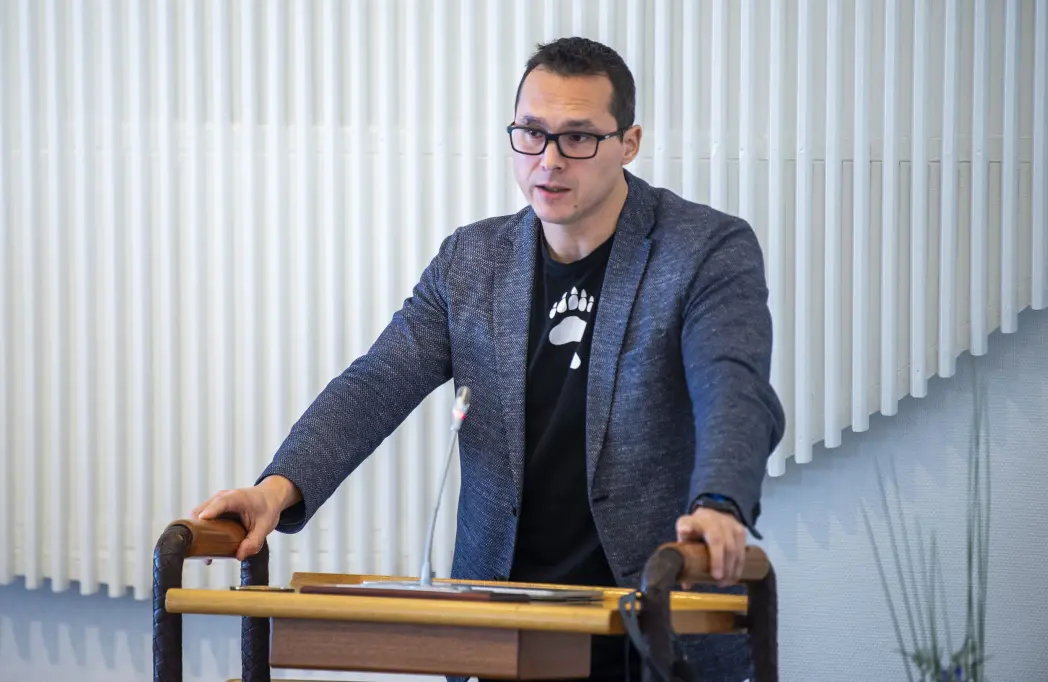
The analysis mentions a post from IA chairman Múte B. Egede with the text “We stand together – Kalaallit Nunaat is ours”. It received more than 20,000 reactions and only 5 angry reactions.
In addition, this and similar posts received a number of international greetings in the comments, with Canadians, Americans and Danes writing very positive greetings and supporting the message.
- Acted as a counterweight to external attempts to influence
Another episode that is highlighted is when Múte B. Egede, then Chairman of the Greenlandic Parliament, called in January 2025 to raise the Erfalasorput to show unity in the country.
The analysis concludes that although the call gave rise to resistance from some quarters, it gave many ordinary citizens the opportunity to do something active to show unity:
- The action combined the physical action – raising the Erfalasorput – with the possible digital action – that people online could share the flag. Many did this, both as a comment on posts or in different groups.
- Like the demonstrations in March, this acted as a counterweight to external attempts to influence and polarize the digital conversation, concludes Nordic Safe Cities.