The conservative party Fólkaflokkurin remains the winner of Thursday's election to the Faroese parliament, the Lagting.
With 26.7 percent of the vote and nine seats elected, the party becomes the largest.
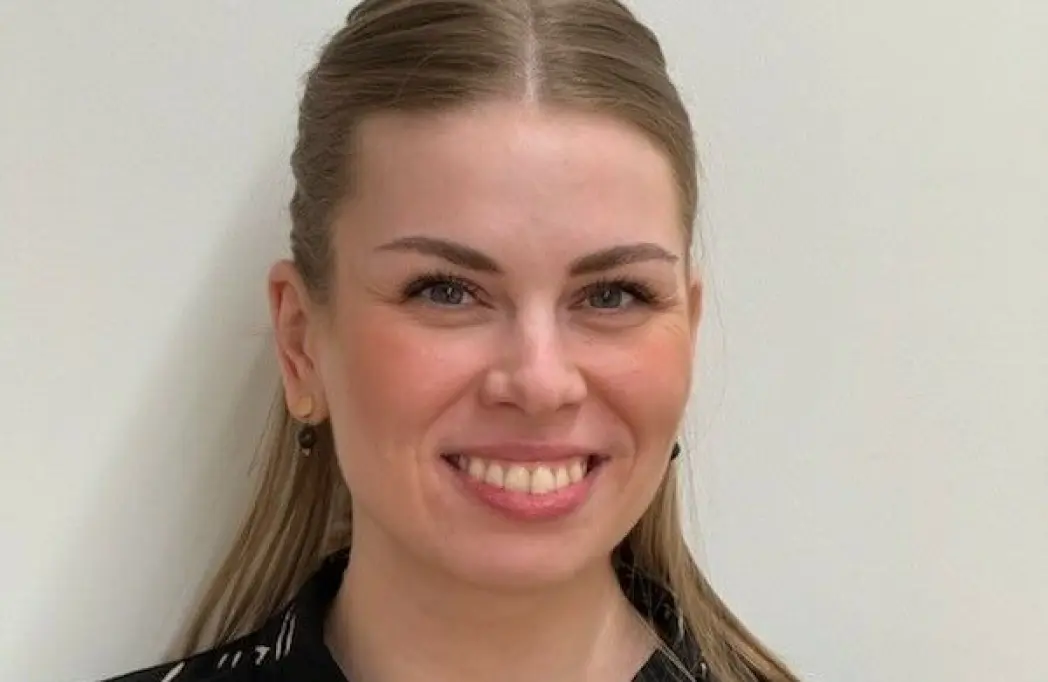
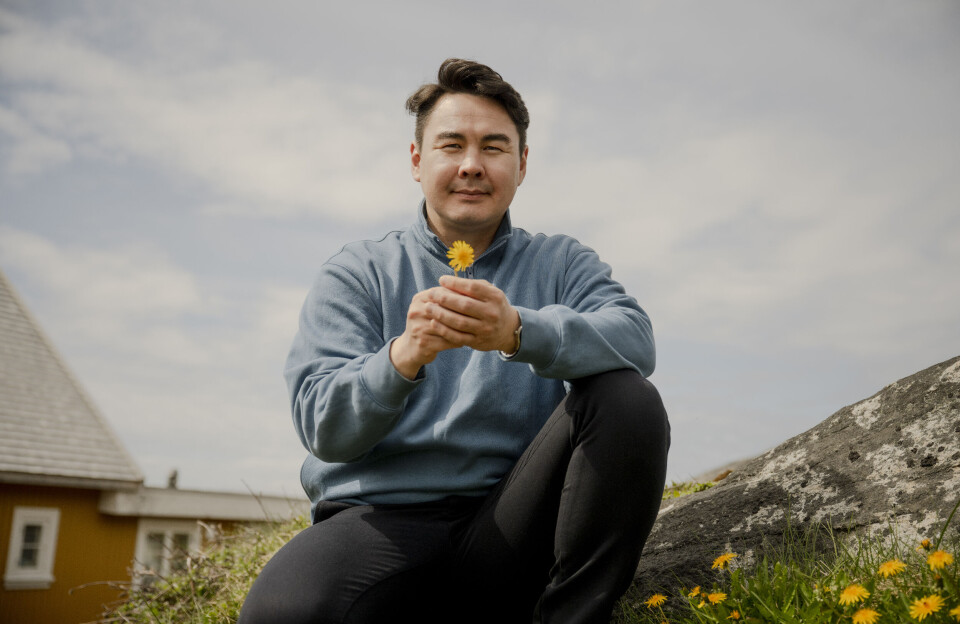
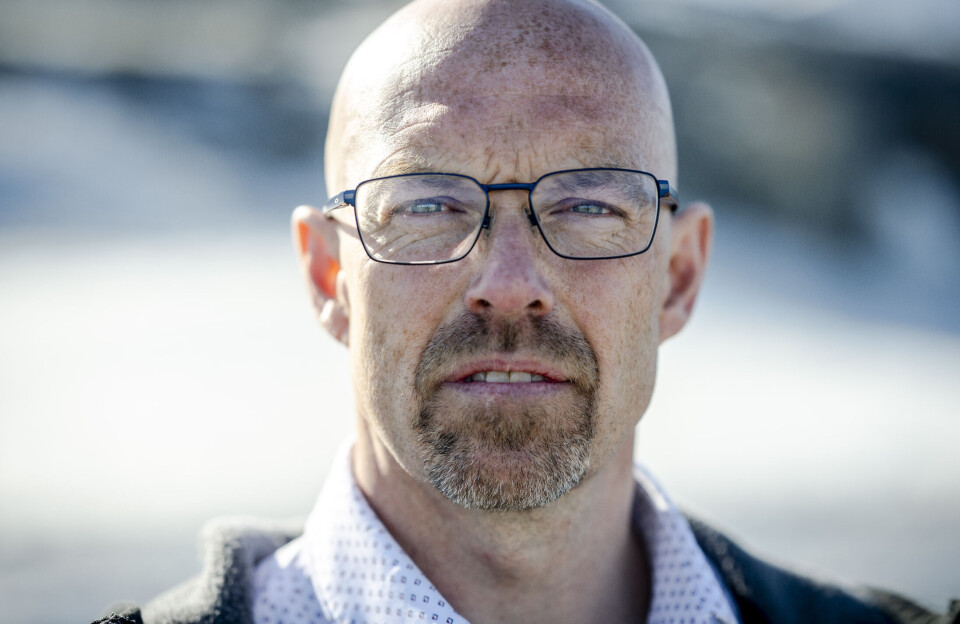
It also appears that the 29-year-old chairman, Beinir Johannesen, will lead the negotiations on a new government.
If he becomes the new parliamentarian, he will be the youngest parliamentarian the Faroe Islands have ever had.
Key Issues
During the election campaign, the Fólkaflokkurin has had key issues such as creating a strong business community and solving the problems with a housing market that is characterized by high prices.
Beinir Johannesen finds it natural that his party is part of a coalition with, among others, the civil party Sambandsflokkurin, which received 21.5 percent of the vote and retained its seven seats.
- We two parties have certain things we can agree on, including when it comes to business policy and social policy, says Beinir Johannesen and adds:
- But we will explore all options and try to get as much of our policy through as possible.
Formerly in opposition
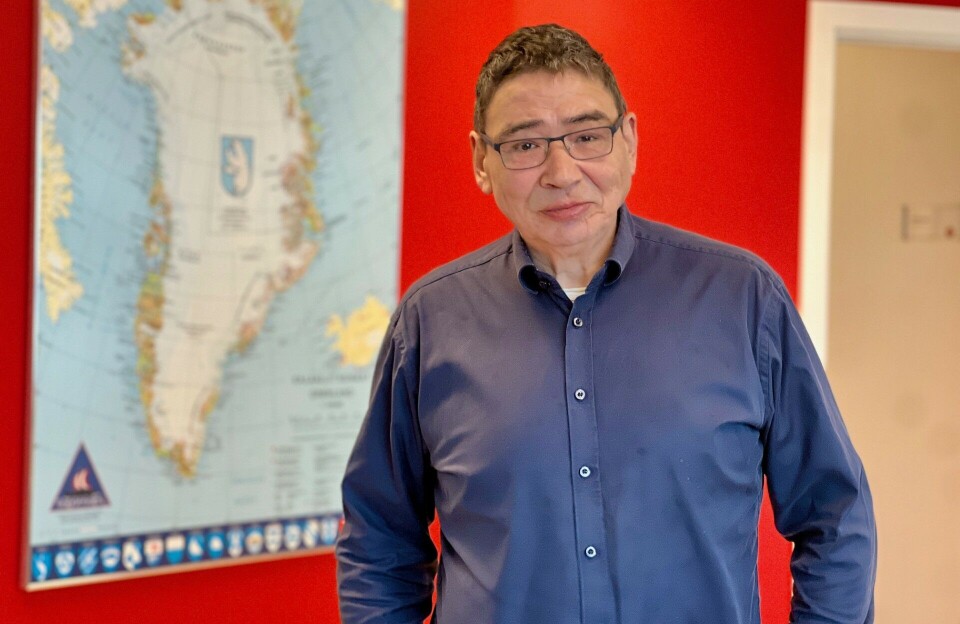
The leader of Sambandsflokkurin, Bárður á Steig Nielsen, also sees a coalition between the two parties as a possible solution.
Together, Fólkaflokkurin and Sambandsflokkurin, which have been in opposition together since the 2022 elections, have 16 seats.
However, to form a government, a majority of at least 17 out of the 33 seats in the Lagting is required.
Therefore, the two parties cannot form a government alone.
The social democratic party Javnaðarflokkurin, which has so far led the Faroese government, fell by three seats and received 18.9 percent of the vote.
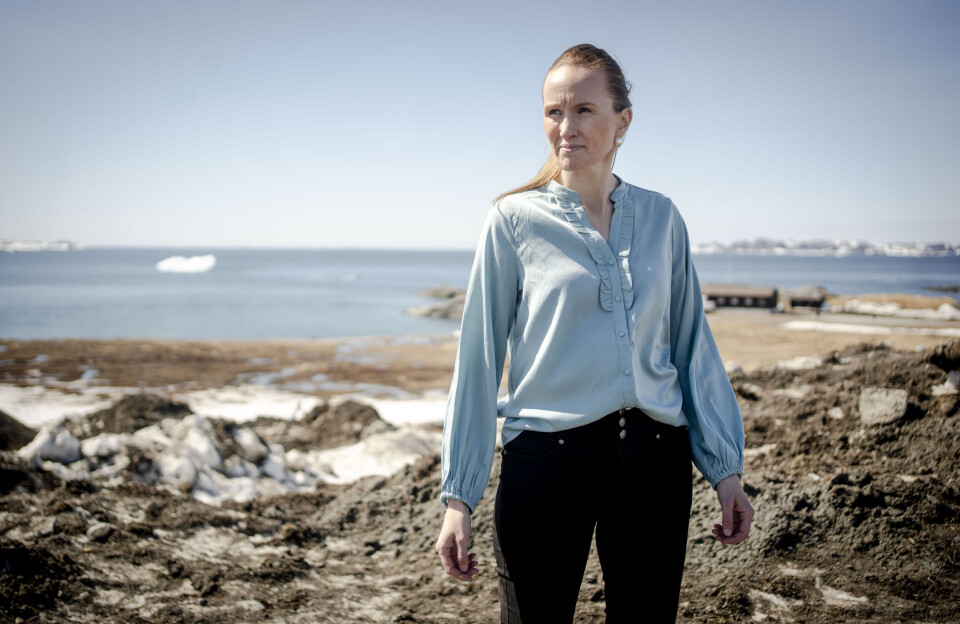
The party's chairman and outgoing Lagman, Aksel V. Johannesen, will not yet comment on whether he will form a government with Fólkaflokkurin and Sambandsflokkurin.
- Now I have to talk to the parties and also with my new Lagting group, he says shortly after the election results.
Another option
A coalition with the left-wing Tjóðveldi is also an option.
Like both the Folk Party and the Javnaðarflokkurin, the party wants the Faroe Islands to become an independent state in its own right.
However, the Sambandsflokkurin is against this.
- Tjóðveldi and the Sambandsflokkurin are at odds with each other, so entering into a coalition in which Tjóðveldi also participates is not exactly the first thing on the agenda, says Bárður á Steig Nielsen from the Sambandsflokkurin.
A new government could also consist of one of the three smaller parties - the social liberal Framsókn, the Christian party Miðflokkurin and the self-government party Sjálvstýri.
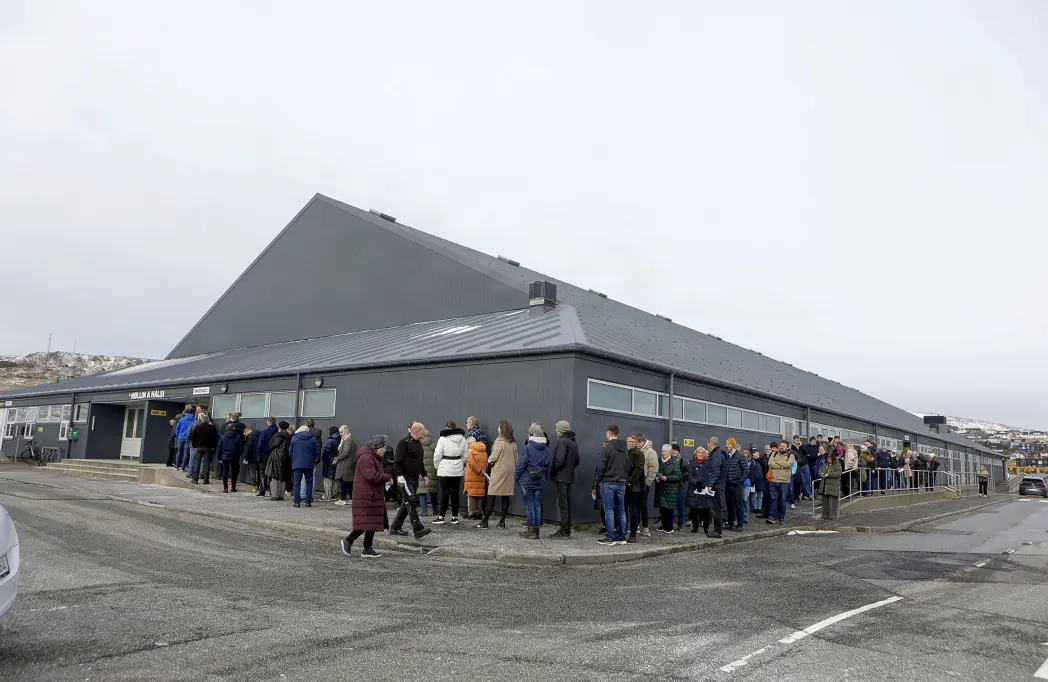
Seven parties have been granted a seat in the Lagting after the elections, in which 89.5 percent of the more than 39,000 Faroese eligible to vote cast a vote.
/ritzau/