Higher food prices and higher costs of living in this country have sent inflation up to a level that even the Economic Council had not forecast.
Statistics Greenland has just published the consumer price figure for the period January 2025 to January 2026 and it is 3.7 percent, which is the highest level in many years.
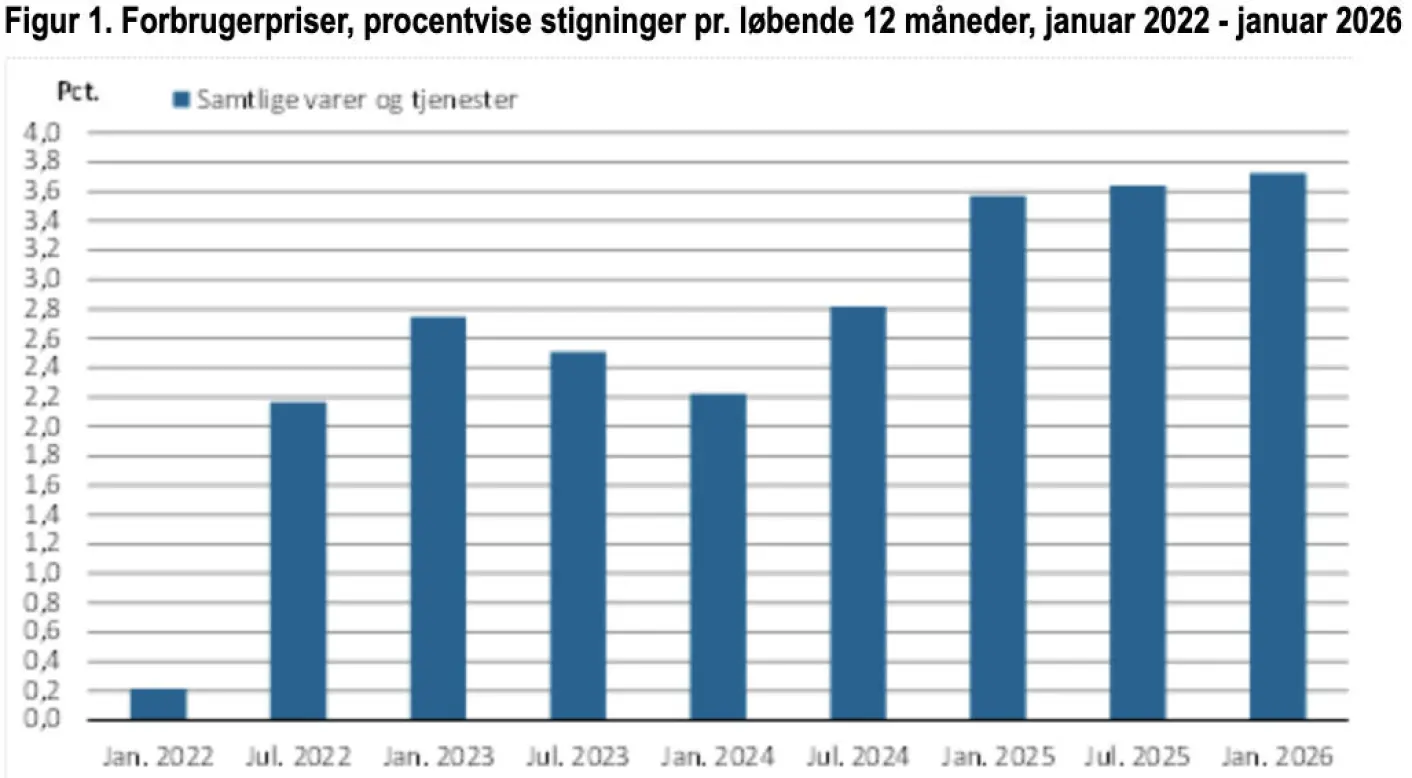
If you delve into the figures from Statistics Greenland, it is in particular higher prices for rent, electricity, water and heating that have sent inflation up to the record high level over the past five years.
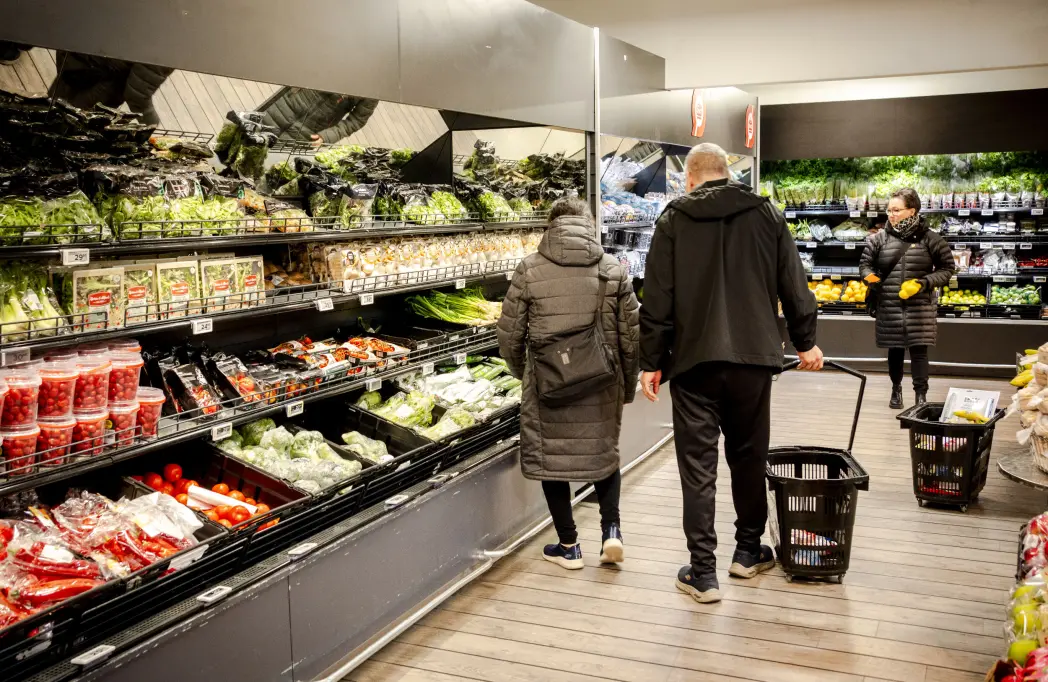
- The increase is primarily due to higher housing and food prices, which contributed most to the overall development. Food prices rose by 3.7 percent, housing expenses experienced an increase of 4.7 percent, according to Statistics Greenland.
Important key figure
The consumer price index is one of the important key figures in the economy. With high inflation, the value of the money you have at your disposal is eroded. In order for it not to affect your household budget, it is necessary that your salary increases accordingly.
The new inflation figure must, all things being equal, surprise the economists in the Economic Council.
A little over a month ago, the Economic Council issued its semi-annual report for 2026, and the assessment was that inflation in 2025 would only "be up to 3 percent".
And the question is whether the council's assessment of inflation in 2026 should be adjusted upwards. Back in January, the council estimated that inflation for this year will land at 2.5 percent.
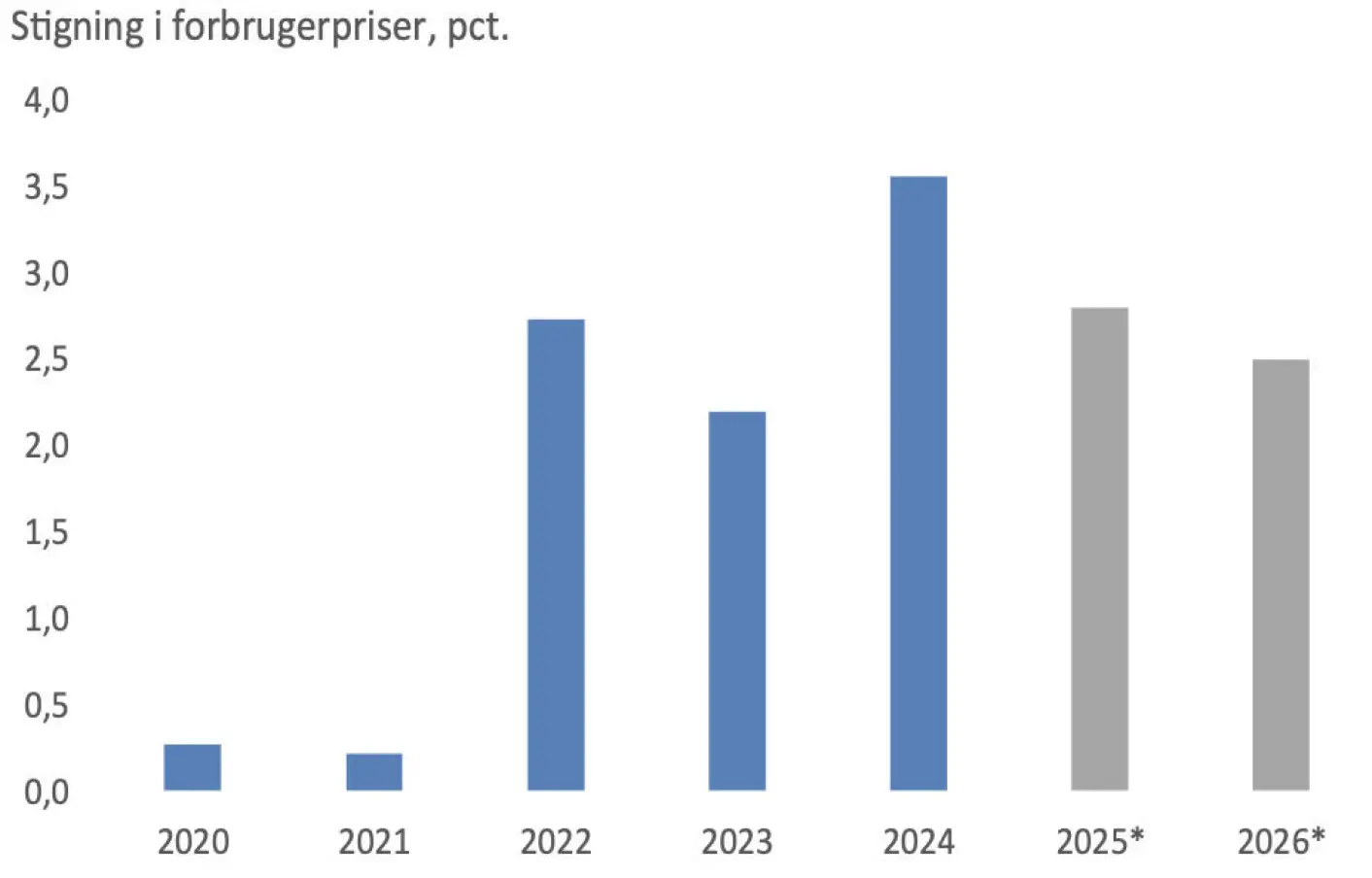
Here is what the Economic Council wrote about Greenland's inflation, and where they explain some of the background to the higher price level:
"A significant contribution to inflation comes from rising rents and higher prices for water and electricity. Increases in user fees are planned to counteract the backlog in maintenance of, among other things, the self-government's rental housing."
"Higher user prices are unpopular, but necessary in order to restore a modern housing standard and ensure a robust economy in the self-government-owned supply sector. Based on these conditions, inflation is expected to be up to 3 percent in 2025 and 2½ percent in 2026. This is slightly higher than assessed in September 2025, partly because price increases on food have been higher than expected, possibly because prices have adjusted to previous years' price developments abroad with a delay."