As more foreign children and youth move to Greenland, a new reality has emerged in primary schools.
A reality where language becomes a barrier – and where neither students nor teachers always receive the necessary support.
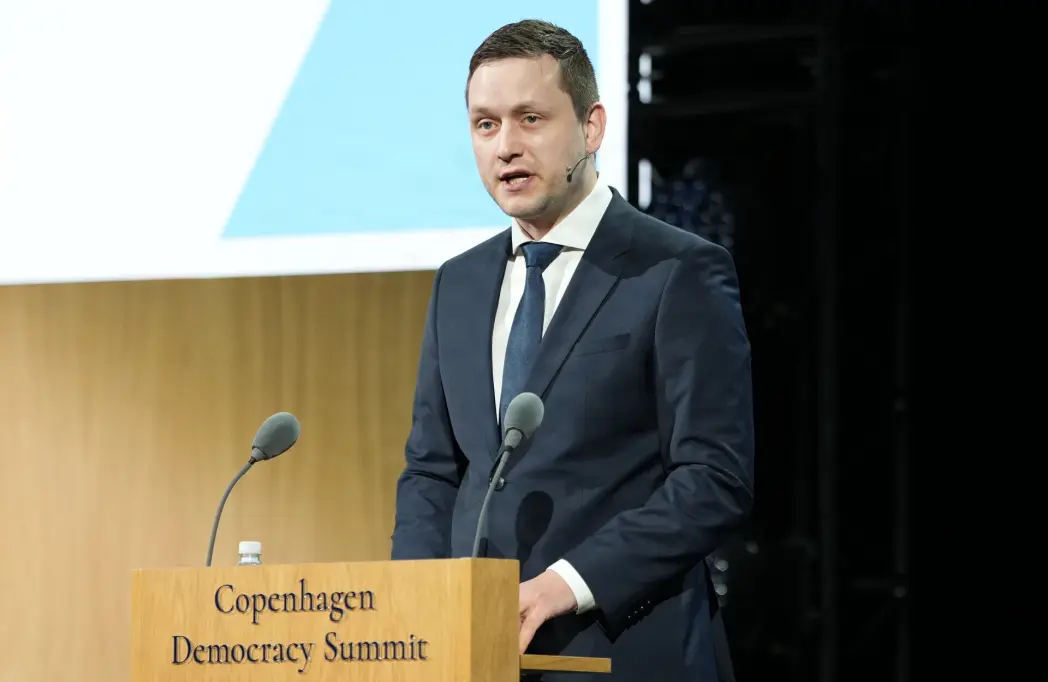
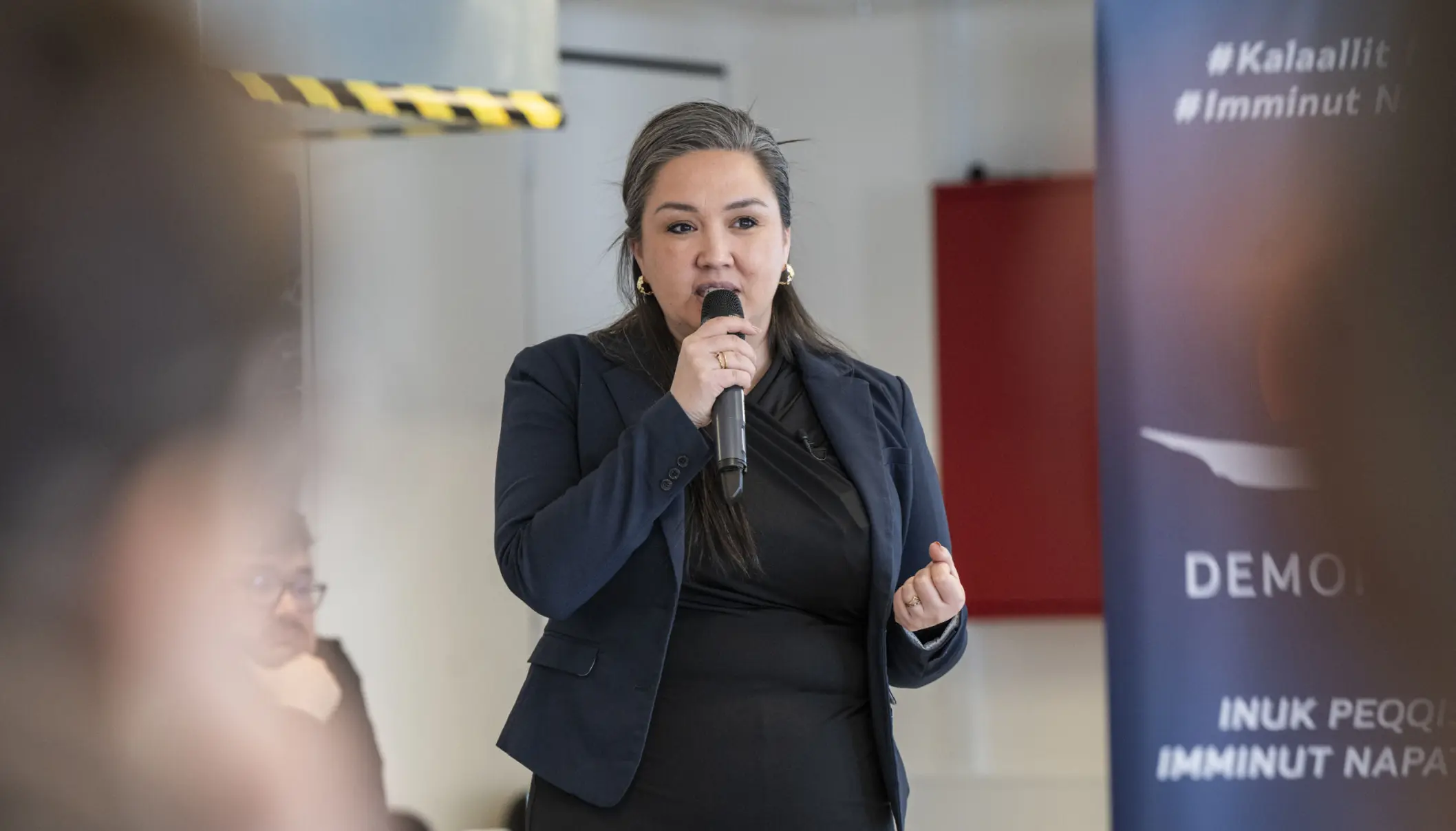
The naalakkersuisoq Minister for Education, Nivi Olsen (D), acknowledges this challenge.
- It is my assessment that primary schools today are not sufficiently equipped to receive and integrate newly arrived students without a Greenlandic or Danish language background, she states in a written response to AG.
According to Nivi Olsen, a central problem is that newly arrived students are often placed directly in regular classes without sufficient help.
- It is my impression that many newly arrived students are placed directly in classes without the necessary language support, says the Democrats' Naalakkersuisoq for Education.
This means that students not only have to learn new subjects - but also new languages at the same time. And this can have consequences for both their professional development and well-being.
At the same time, she points out that language is the key to being able to participate in society.
- For newly arrived children and young people, it is crucial that they learn our language so that they can follow schooling and later get an education, she says.
A system without reception classes
- The Primary School Act does not set a framework for the duration of this supplementary teaching, Nivi Olsen notes.
This means in practice that the effort varies from school to school. Some students receive targeted support – others much less. The result is an uneven system, where responsibility is largely placed locally.
The consequences are felt in the classroom.
- Teachers are in a challenging situation, and that responsibility cannot be placed on the individual teacher, she emphasizes.
At the same time, she rejects the idea that the solution is multilingual teaching in practice.
- It is neither realistic nor pedagogically and professionally viable.
According to her, a comprehensive, systematic approach to students with a different linguistic background is missing – and thus a common foundation for how schools should handle the task.
- Teachers should not be left alone with a structural challenge.
The problem has been known for years
Criticism from, among others, the teachers' union, IMAK, has been ongoing for several years. And Nivi Olsen does not hide that the efforts have not kept up with developments.
- My impression is that the efforts have not sufficiently matched developments. It is a situation we cannot continue in, she believes, confirming the need for political action and believing that action must be taken on several fronts.
First and foremost, teachers' competences must be strengthened. She says:
- Further training and competence development in second language pedagogy must be strengthened and made systematic.
The next thing is that there is a lack of basic knowledge about the foreign student group, including, for example, how many students in primary schools have a different linguistic background.
Finally, she points to the need for better organisation and support for schools.
A long-term process
Although Nivi Olsen is calling for action, she also emphasises that changes will not come overnight. She says:
- Strengthening efforts will be a long process. The challenge cannot be solved here and now, but requires, among other things, better data, skills development and new organisational solutions – which means that the improvements will not be noticeable immediately.
At the same time, she emphasises that the responsibility for primary schools lies with the municipalities.
- The solutions must therefore be found in close dialogue with the municipalities.
Despite the structural challenges, Nivi Olsen maintains that the goal is clear: All students must have the opportunity to succeed.
- All students, regardless of linguistic background, must meet where they are – both humanly, academically and linguistically.
However, how this will happen in the classroom here and now has not yet been fully clarified.
For the students who are already sitting in the classrooms without understanding the language, and the teachers who are trying to make the teaching coherent, the question is therefore still the same:
When will words turn into action?
Abonnementer
Sermitsiaq.gl - web artikler
- Adgang til alle artikler på Sermitsiaq.gl
- Pr. måned kr. 59.00
- Pr. år kr. 650.00
Sermitsiaq - E-avis
- Adgang til Sermitsiaq e-avis som udkommer hver fredag
- Adgang til alle artikler på Sermitsiaq.gl
- Pris pr. måned kr. 191
- Pris pr. år kr. 1.677
AG - Atuagagdliutit E-avis
- Adgang til AG - Atuagagdliutit e-avis som udkommer hver fredag
- Adgang til alle artikler på Sermitsiaq.gl
- Pris pr. måned kr. 191
- Pris pr. år kr. 1.677
Sermitsiaq.AG+
- Adgang til AG - Atuagagdliutit e-avis som udkommer hver fredag
- Adgang til Sermitsiaq e-avis som udkommer hver fredag
- Adgang til alle artikler på Sermitsiaq.gl
- Adgang til Arnanut e-magasin
- Adgang til Nutserisoq.gl
- Ved interesse send en mail til abonnement@sermitsiaq.gl
Kære Læser, Velkommen til Sermitsiaq.gl – din kilde til nyheder og kritisk journalistik fra Grønland. For at kunne fortsætte vores vigtige arbejde med at fremme den frie presse og levere dybdegående, kritisk journalistik, har vi indført betaling for udvalgte artikler. Dette tiltag hjælper os med at sikre kvaliteten af vores indhold og støtte vores dygtige journalister i deres arbejde med at bringe de vigtigste historier frem i lyset. Du kan få adgang til betalingsartiklerne fra kun kr. 59,- pr. måned. Det er nemt og enkelt at købe adgang – klik nedenfor for at komme i gang og få fuld adgang til vores eksklusive indhold. Tak for din forståelse og støtte. Dit bidrag hjælper os med at fortsætte vores mission om at levere uafhængig og kritisk journalistik til Grønland.