
- Tell me about your experience so far.
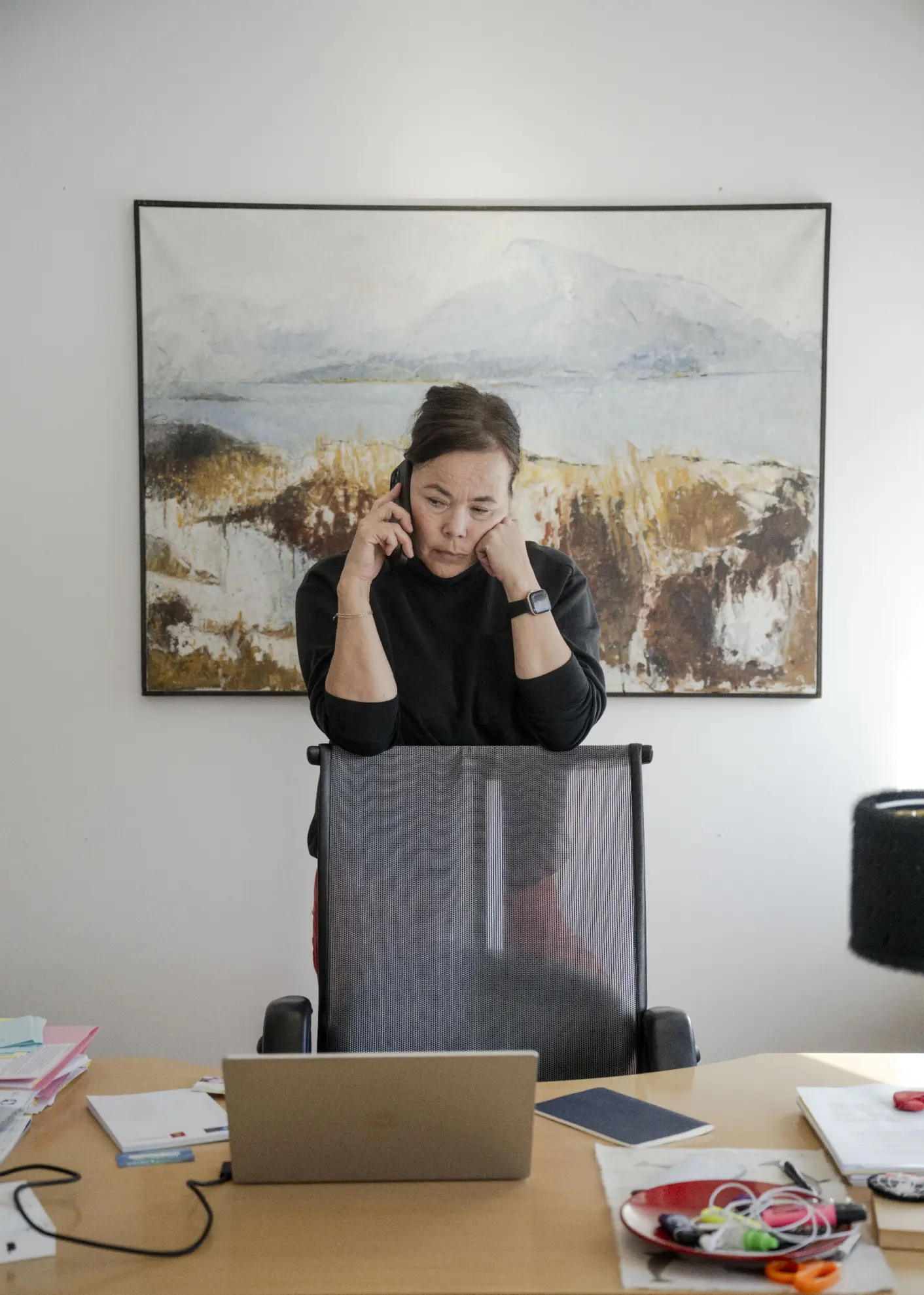
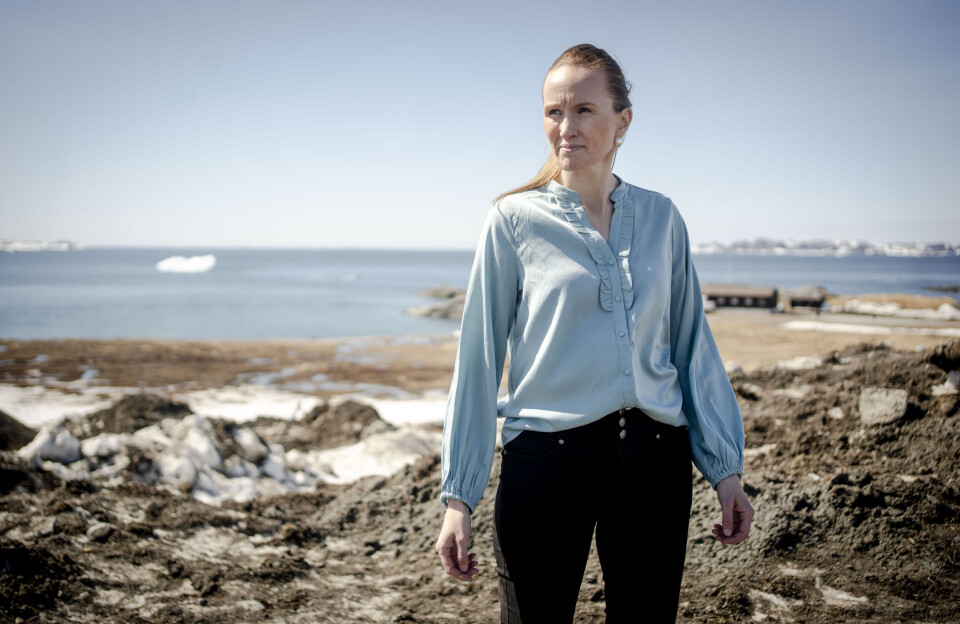
On the computer screen in front of me, psychiatrist Anna Lembke is sitting at her desk in her home in Northern California. It’s getting dark in my house, but behind her and her windows, the trees are rustling in the wind and sun.
When I call her on Teams, I’m about a week and a half into an experiment in which I’ve set out to avoid screens outside of work hours for a month—and boycott social media completely.
No Facebook, no YouTube, LinkedIn, Strava, X, or—gasp—Instagram.
- I’d like to think you’re still in the critical withdrawal phase. It typically lasts between ten and fourteen days – and then it gets better, she says.
The whole reason I decided to embark on this experiment is that I wanted to explore how difficult it would be to live in 2026 without TV, computer and mobile screens – and not least without social media.
In addition, in recent years, it has emerged that there are some very fundamental things about the way digital apps in particular are designed that make it almost impossible to put them down.
I myself am challenged on that front. I had to admit that after spending an average of three hours and 47 minutes a day on my iPhone during a random week in February. Half of that time just on Instagram.
If there is anyone who can attest to how addictive our digital media can be, it has to be Anna Lembke.
She has testified in a rather wild lawsuit against Meta and Google. A case in which a mother and her 20-year-old daughter sued the two tech companies for making her daughter mentally ill with their apps.
- How do you get a child to never put down their phone? It's called engineering addiction. They designed it, they put these functions into the phones, the daughter's lawyer, Mark Lanier, said during the trial.
But we'll return to the trial and the psychiatrist Anna Lembke. First, I'll rewind to the beginning of the experiment.
Fall into the trap on day 1
- A whole month?!
That was more or less the reaction from my colleagues when I told them about the experiment during one of our editorial meetings.
Actually, I don't think a month sounded like a lot at first. The rules I had set for myself were that for the next four weeks, I would not use screens as much as possible – watch TV, use computers, my phone or the like – outside of working hours.
That means that, in principle, my phone had to be put away when I went home from work. In practice, however, I allowed myself to respond to calls and text messages from people – and a few Messenger messages from those close to me who don't live in Greenland.
On top of that, social media was completely banned. Even in work contexts.
But already when I woke up on the first day of the experiment, I failed.
I automatically reached for my iPhone to turn off the alarm that usually wakes me up every morning. The blue light shone into my face as usual. Oops.
I immediately put the phone away, and then the rest of the morning was spent eating breakfast and drinking coffee in absolute silence. No morning radio or news apps. I also couldn t check my beloved calendar app to get an idea of what my day would be like. Did I have any appointments today?
During the experiment, as I said, I had given myself permission to use my computer and phone during work hours. But social media was forbidden territory.
Still, the first thing I did when I arrived at the editorial office on the first day was of course to check Facebook. Incidentally, it happened twice more during that day. Even completely automatically and without me thinking about it. The first time was a purely routine check of what was going on around in various groups, and whether there were any interesting events to write about.
The second time was pure laziness – instead of looking for an email or a phone number of a source I was supposed to speak to, I would have contacted the person on Facebook.
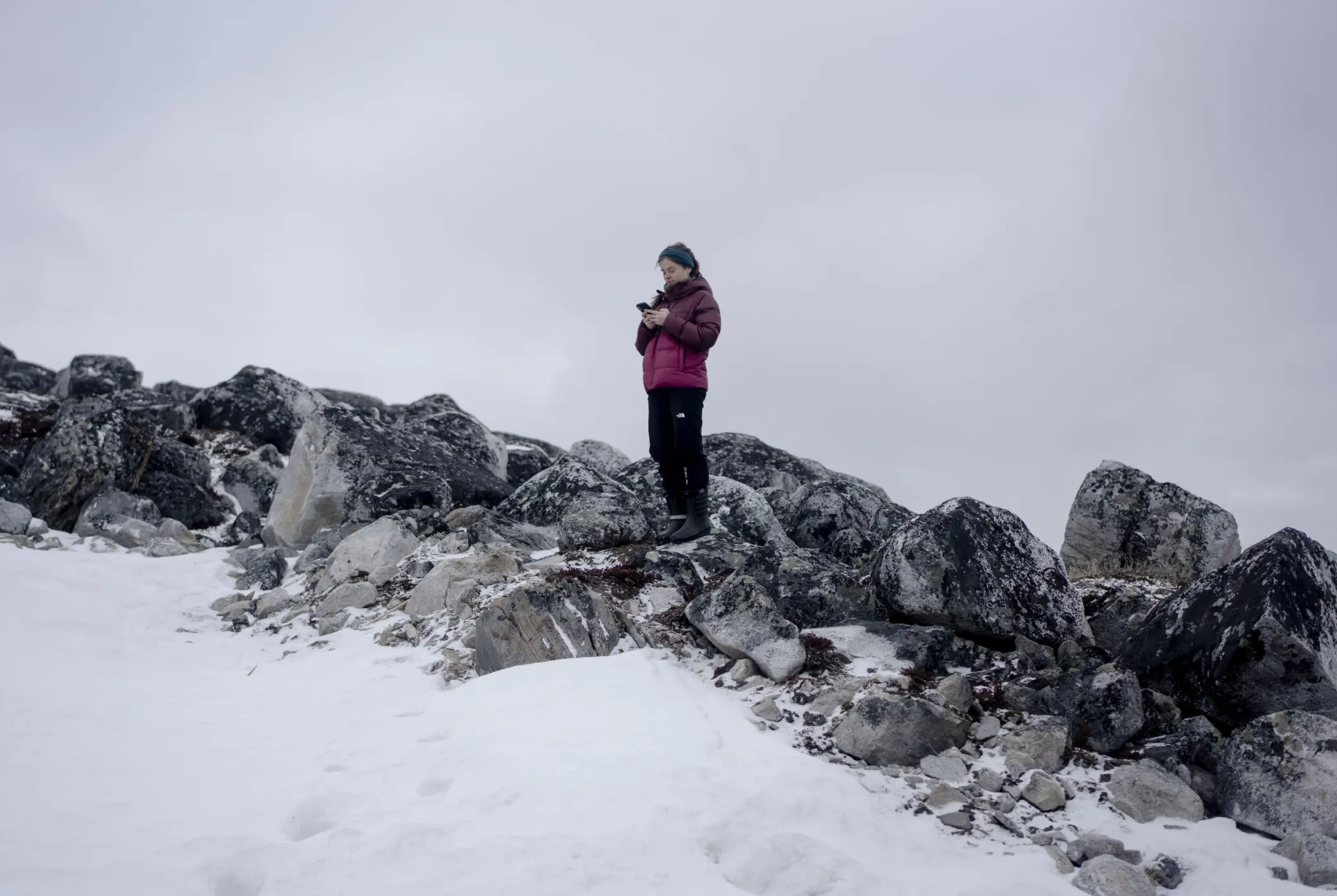
In my defence, I am far from the only one in this country who depends on Facebook in everyday life. 80 percent of all of us in this country were on Facebook in July 2024 – therefore, as a journalist, and a human being, I should be too. Right?
When the day was over, I stuffed a physical calendar into my bag, quickly wrote a shopping list on a piece of paper, turned off the computer screen, and went home.
Digital cocaine?
For the first week of the experiment, I had trouble sleeping.
I solved the problem with my morning alarm early by going out and buying a clock radio; a small digital alarm clock with a built-in radio that you can set to play when you get up in the morning.
I also put my phone in the kitchen so that it wouldn't be tempting on the bedside table.
Still, I often woke up in the middle of the night and couldn't fall back to sleep. I usually tried to read a bit, but it didn't work. Normally, I would probably have checked my phone and fallen asleep with it in my hand – and I have to admit, I gave in a few times.
It felt extra embarrassing when it required me to go to the kitchen and get my phone.
At these times, I realized that I probably had a real problem. And after a week and a half of falling several times, it was time to talk to a professional who could explain to me why this was so difficult for me.
And so we are back to my Teams call with psychiatrist and professor Anna Lembke.
- I often get some kind of urge to check Instagram or Facebook. I might feel a bit left out. Maybe like I'm missing out on something, I hear myself telling her.
- Yes, of course, she says and nods.
In addition to being a psychiatrist and professor at Stanford University School of Medicine, Anna Lembke has written a book in which she examines how modern technology has made everyone a potential victim of overconsumption and addiction.
'Dopamine Nation, Finding Balance in the Age of Indulgence', is the original title. Since it was published in 2021, the book has become a real bestseller and has been translated into 40 languages.
- We have to recognize that this is digital drug. They are potentially addictive – especially for young people, she said in an interview about children's use of social media in the DR program 'Deadline' back in 2023.
And it is with that starting point and the expertise in her bag that she testifies against Meta and Google.
In the case against the two tech companies, which are behind the platforms Facebook, Instagram and Youtube, among others, the young woman who had filed the lawsuit told how she became addicted to YouTube when she was six years old.
When she was nine, she became obsessed with Instagram.
In addition to her addiction damaging her relationships with family and friends, at the age of 13 she was diagnosed with the mental disorders BDD (body dysmorphic disorder, ed.) and social phobia.
- I think you're hitting on some key points here, says Anna Lembke, when I tell her about my less serious challenges with the experiment.
In addition to her research, Anna Lembke has patients who are seriously hampered by their addiction. But whether it's addiction to gambling, drugs, alcohol or digital media, the symptoms are similar.
- Anxiety, irritability, insomnia, depression and cravings – that is, a desire for what you're addicted to, she lists.
When it comes to digital media, cravings can manifest as 'FOMO' – fear of missing out. Exactly the feeling I felt.
- The feeling that you're missing out on something. That you're not there, where everyone else is. That you won't know what's happening. That people will forget you, she says, and continues:
- But what many describe – when they persevere long enough – is that they eventually reach a point where they no longer have that feeling of stress or fear of missing out. Instead, they feel more grounded and more calm, and their interactions with other people feel more rewarding.
Missed coffee mic invitations and 'FOMO'
Before the experiment, I would probably have said that life has been made easier through digital solutions and smartphones.
First and foremost, it's smart that with just one click you can get in touch with a person on the other side of the globe.
In addition, I always have access to all sorts of information and tools on my iPhone. In addition to being a gigantic encyclopedia, the gadget in my pocket can show me the way, tell me how much wind it will be in Nuuk in a few days, keep track of my expenses, my appointments, notes and photos. Smart.
And it turned out to be relatively troublesome to adjust to living a screen-free life.
In addition to investing in a second alarm, moving my appointments from my phone to a physical calendar and writing down people's phone numbers and addresses (?!), I also found out how difficult it was to be in this project alone.
Because while I thought I was enjoying myself in the offline club, everyone else around me continued to be available on various media 24/7.
One afternoon, a little over halfway through the experiment, I met an old colleague in front of Nuuk Center.
- Young?
- Yeah. I'm having a coffee meeting next weekend, she said.
She invited me to come by and wanted to send me a Facebook invitation.
- Can't you send me a text message instead? Because I don't have Facebook, I asked and briefly explained the experiment to her.
She took out her phone and wrote down my phone number.
- I'll write to you, she promised.
She didn't. At least not until a week later, when I met her on my way into town. She came in with shopping bags in tow, and I remembered the coffee meeting.
- I was supposed to write to you!, she exclaimed, as soon as she saw me.
According to psychiatrist Anna Lembke, our overuse of social media is both an individual and a collective problem.
- When we try to unwind, we not only experience withdrawal symptoms at first – there is also not much left in our real life because everyone else is sitting at their computers. So it is really a big problem, she says.
Another thing I have often told myself is that I relax by lying down with my phone or watching TV. But there is not much evidence that the brain actually does this, Anna Lembke tells me.
- Social media and screens have become a way for us to relax and reward ourselves. But you should ask whether it is actually relaxing for our brains, she says.
- Because we can't really let our brains rest and process our experiences if we're constantly reacting to these very intense external stimuli.
In week three, the verdict was in
As the experiment progressed, I got a stronger and stronger feeling that what I was doing was about more than cutting down on my own screen time.
Suddenly, I couldn't help but notice all the people I passed, their heads bent, absorbed in whatever was going on their phones. I hyperfocused on my friends' screen habits—and got downright annoyed when they checked their phones or posted pictures on Instagram when we were together.
I felt like a new member of some kind of cult, and I couldn't understand why everyone else wasn't in on it too.

When I sat reading or staring out the window in the evening, I couldn't help but think; I wonder how many people are currently glued to their TV screens in their living rooms instead of talking to each other? And what does all this do to us? To our society?
The feeling reached its peak in week 3 of the experiment, because that's when Meta and Google were judged.
In the lawsuit between the two tech giants and the 20-year-old woman and her mother, it was decided that Meta and Google could be held liable for having designed their apps in a way that harmed the young woman.
Together, the two tech companies must pay almost 20 million kroner in damages.
Both companies have subsequently appealed the verdict. But over a thousand more similar lawsuits in the US are on the horizon – and the verdict could potentially force Google, Meta and other tech companies to change the app features that make it easy for us all to be lured back into apps even though we had actually put them down.
Design features such as endless scrolling, auto-playing videos and push notifications – just to name a few.
After the verdict, my conversation with Anna Lembke, and three weeks without screens and social media, leaving my phone behind me before I walked out the door no longer felt like just a “fun” challenge (and a relief).
It felt like a huge victory that I wanted to share.
Analog Closing Dinner
To introduce more people to my newfound freedom from screens, Instagram, and Facebook, I sat down and wrote handwritten invitations to a good handful of my friends and put them in their mailboxes.
As a way of culminating my efforts, I invited them to a phone-free dinner on the last night of the experiment. Everyone had to leave their phones at home.
On the day itself, I took my time cooking, cleaning, and setting the table. And then the first guests knocked on the door.
- Hey!
- Welcome!
Everyone I had invited came and everything went smoothly. There was plenty of food. It was nice. But had people left their phones at home? Naamik.
- I need to check the bus schedule, someone apologized.
I also called a taxi for a couple of my friends during the evening.
(It was a big deal, though, that a picture was taken and posted on Instagram that evening…)
- So what did you get out of the experiment? I was asked while we ate.
Specifically, I can say that I have been drawing a lot of doodles on post-it notes out of sheer boredom. I have also been reading a lot more than usual and then spending longer on the things I did – for the simple reason that I had more time with all the free time from the phone and Netflix.
And as psychiatrist Anna Lembke predicted at the beginning, I actually felt calmer, more present and freer when I spent time with people. Although I honestly admit that I was looking forward to loosening up a bit of the strictness of principles that the experiment had kept me in.
Gosh, how I was looking forward to being able to watch a movie, check the weather forecast or FaceTime with my parents without having to have a bad conscience. (And I was looking forward to checking Instagram, I must admit)
I definitely intend to continue some of the good habits I have acquired through the experiment. The clock radio is here to stay, the phone has been permanently banned from my bedroom – and I am slowly breaking up with Instagram.
But break-ups can be complicated, and for some reason I keep coming back to that app.
Here, however, I will take comfort in something that psychiatrist Anna Lembke told me during our talk about digital detox.
- When we first quit the ‘drug’ of our choice – whether it is alcohol, cannabis or digital media – it will be difficult at first. We will experience withdrawal, she said.
- But be patient, keep going, keep going. You will eventually reach a place where you really – I think – don't want to go back again.