Fuel prices will only stabilize when the economic and military pressure on Iran ends.
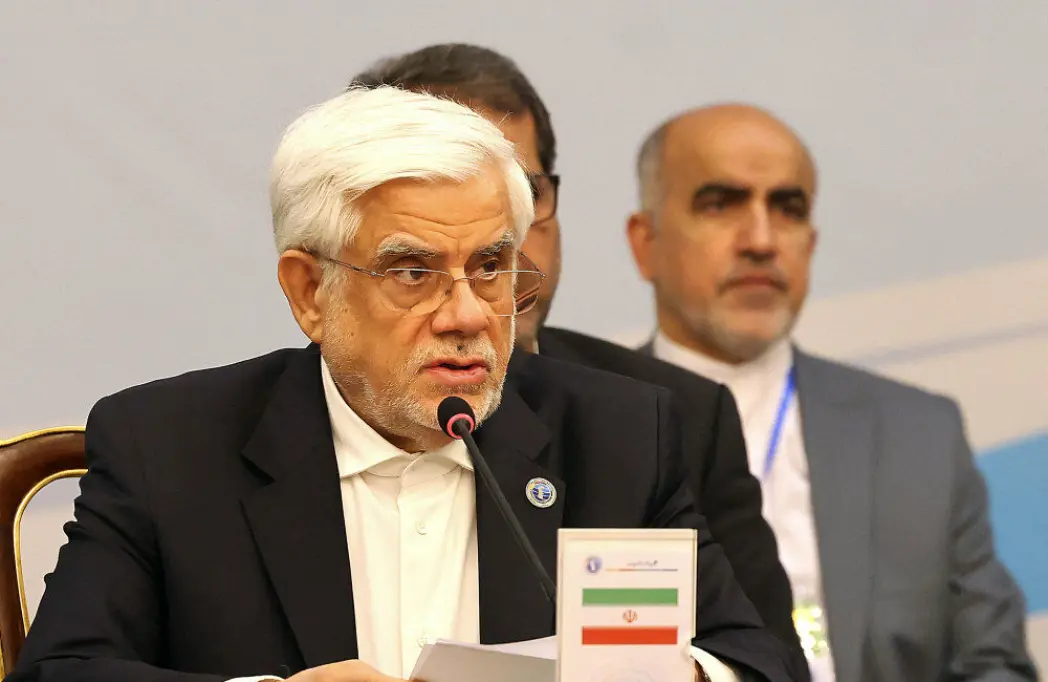
This was written by Iran's first vice president, Mohammad Reza Aref, in a post on the social media X on Sunday evening.
- Security in the Strait of Hormuz is not free. You cannot restrict Iran's oil exports and expect others to receive security as a gift.
- The choice is clear: either a free oil market for all or the risk of significant costs for all, writes Aref.
The Strait of Hormuz, which connects the Persian Gulf and the Gulf of Oman, has been effectively closed to most civilian shipping traffic during the war between Iran, the US and Israel.
Under normal circumstances, around 20 percent of the world's oil is transported through the strait. The closure of the strait has therefore sent energy prices soaring worldwide.
Last Monday, the US imposed a blockade on the Strait of Hormuz targeting ships sailing to and from Iranian ports in the area.
On Friday, the vital shipping route was declared open, after which it was again reported closed. On Saturday, several merchant ships on the important trade route reported shelling from Iran.
A veritable barrage of statements managed to create global optimism and hope for falling energy prices in 24 hours.
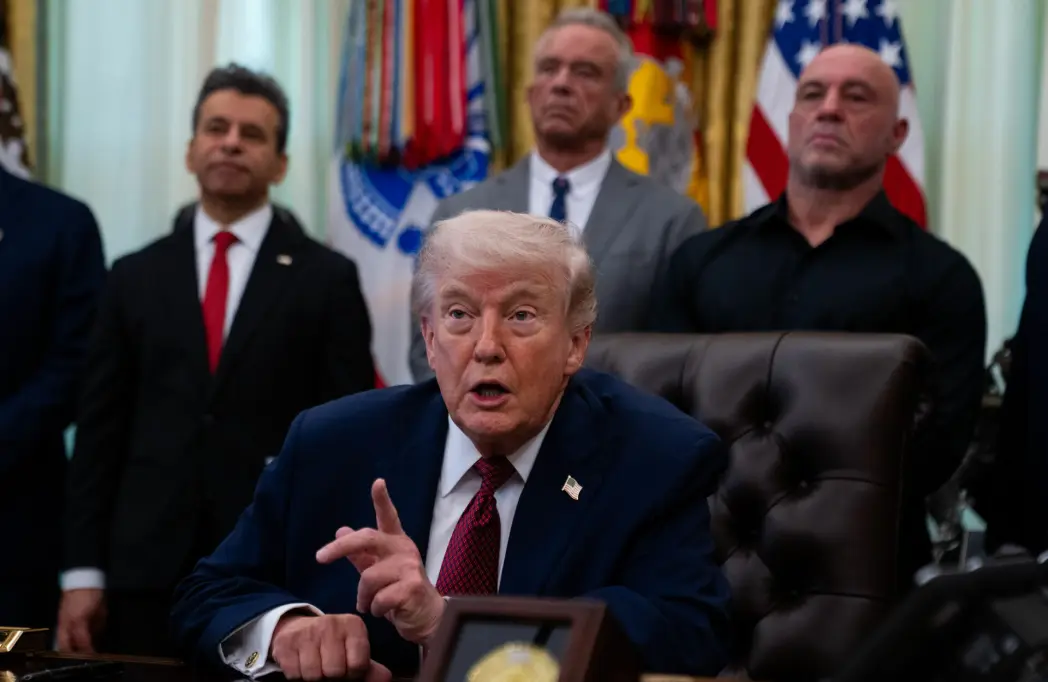
On Sunday, the US took control of an Iranian ship that, according to US President Donald Trump, was trying to break the US blockade. This led Iran to accuse the US of breaking the ceasefire between the two countries, and Iran has promised to retaliate.
The price of a barrel of the benchmark Brent crude oil rose by 6.5 percent to $96.25 on Sunday, according to the AP news agency.
At the same time, the price of US crude oil rose by 6.4 percent to $87.88 per barrel.
According to US President Donald Trump, an American delegation will participate in new negotiations with Iran in the Pakistani capital, Islamabad, on Monday.
However, Iran has not confirmed that there are negotiations in Pakistan on Monday.
/ritzau/