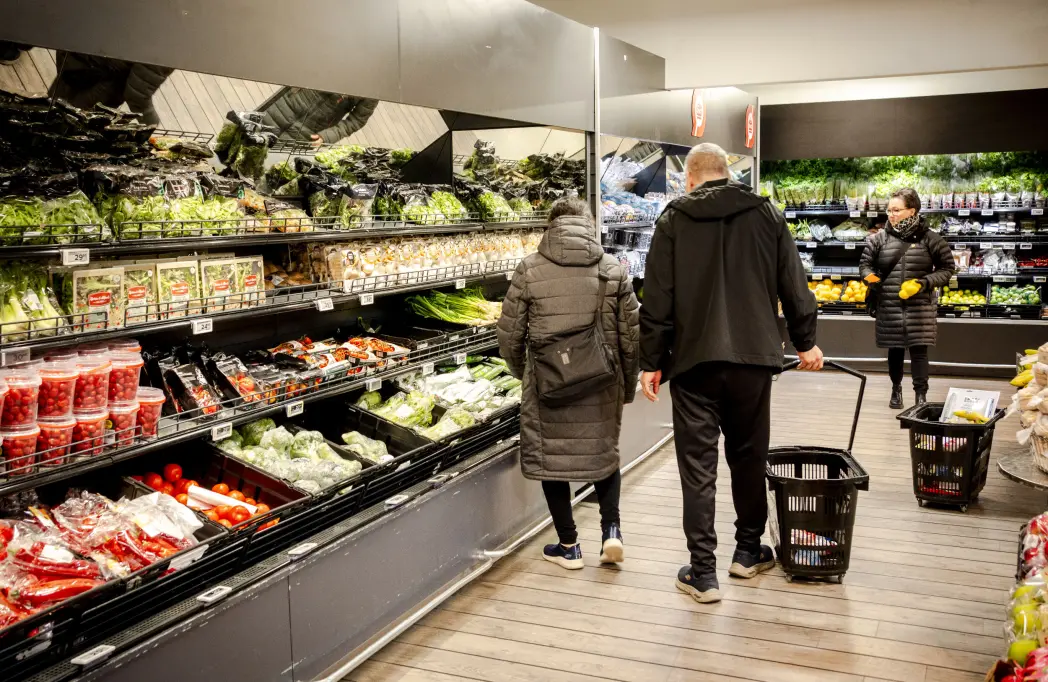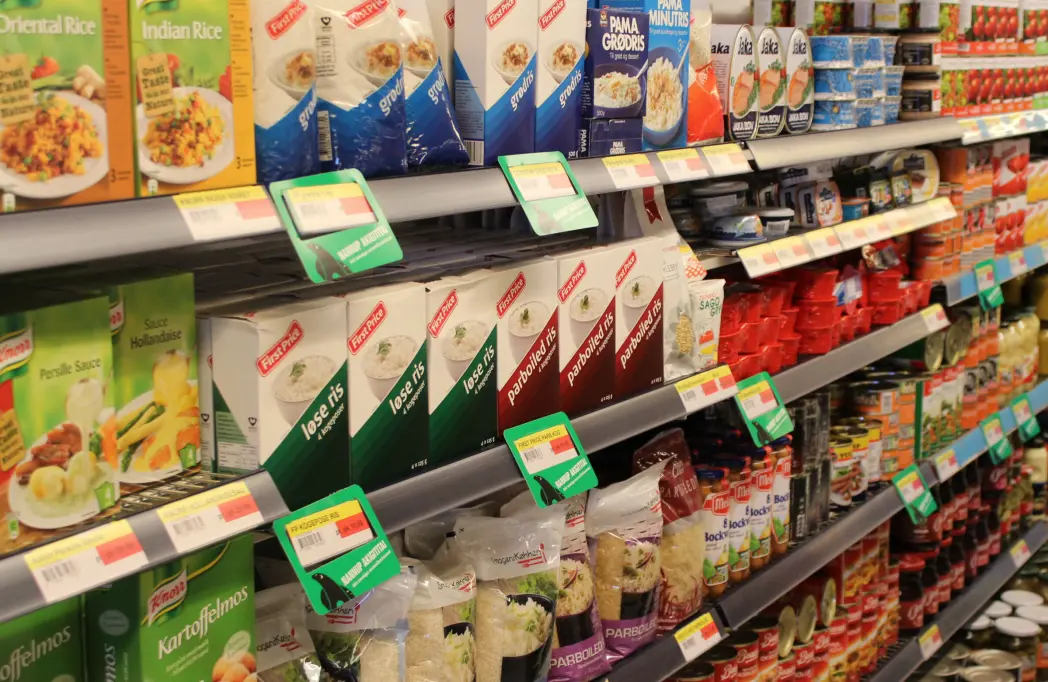
A service contract obliges KNI to supply its stores with a minimum of 340 different basic products, and "Naalakkersuisut is constantly aware of whether the conditions in the service contract are being complied with", informs the chairman of Naalakkersuisut Jens-Frederik Nielsen in a paragraph 37 response to Naleraq's Isak Johannesen.
The fact that the citizens of Upernavik experience that there are fewer different products in the local store is due to the fact that KNI in autumn has adjusted the product range in relation to actual sales, but these are products that are not covered by the requirements of the service contract.
Ongoing adjustments
- KNI is continuously making necessary adjustments to the range for goods where there is generally no demand, it is stated, and it is emphasized that the prices of the goods are the same in all Pilersuisoq stores throughout the country.
- However, there may be different offers locally in order to optimize operations. Fresh goods, such as fruit and vegetables sent by air freight, may differ depending on this cost, the Chairman of the Greenlandic Parliament states.
Jens-Frederik Nielsen writes in his response that it is not an easy goal to ensure that citizens in the outlying areas have cheap groceries, as there are a number of costs associated with transport, storage and possible later disposals.
Commodity division is challenged
As many settlement residents are moving towards the larger cities, this is challenging KNI's grocery business. The commodity division thus had a loss of 92 million kroner in the latest financial year.
In the 2024/25 annual report, the self-government-owned company writes about the challenged commodity division:
"Continued urbanization has meant a further reduction in the customer base in settlements and outlying districts. Since 2001, the emigration has occurred at a rate of approximately 10% per year with an increasing trend".
Equal treatment
Jens-Frederik Nielsen touches on this challenge and writes in conclusion in his response:
- It is not the wish of the Government of Greenland to save on the coast, and the emphasis is on equal treatment of all citizens in the country – regardless of geographical location. In relation to KNI A/S, the company is currently working on finding a more optimal business process that can continue to support a stable supply of goods on the coast, while at the same time adapting the business to the ongoing urbanization and a smaller business area.