The Danish general election ended up on the front page of a large number of online media outlets around the world on Wednesday.
This applies to the BBC, The Guardian, CNN, New York Times, NRK in Norway and SVT in Sweden, among others.
CNN writes, among other things, that the election ended with an "unclear result".
The media outlet points out that the election campaign has focused on "everyday problems rather than her (Prime Minister Mette Frederiksen, ed.) handling of the crisis surrounding US President Donald Trump's ambitions towards Greenland".
BBC reports "Social Democrats' weakest election result in more than 100 years", but believes that Mette Frederiksen "still has a chance of remaining in power for a third term".
- But Denmark is typically governed by coalition governments, so tough negotiations that could take days or weeks are now looming, it says.
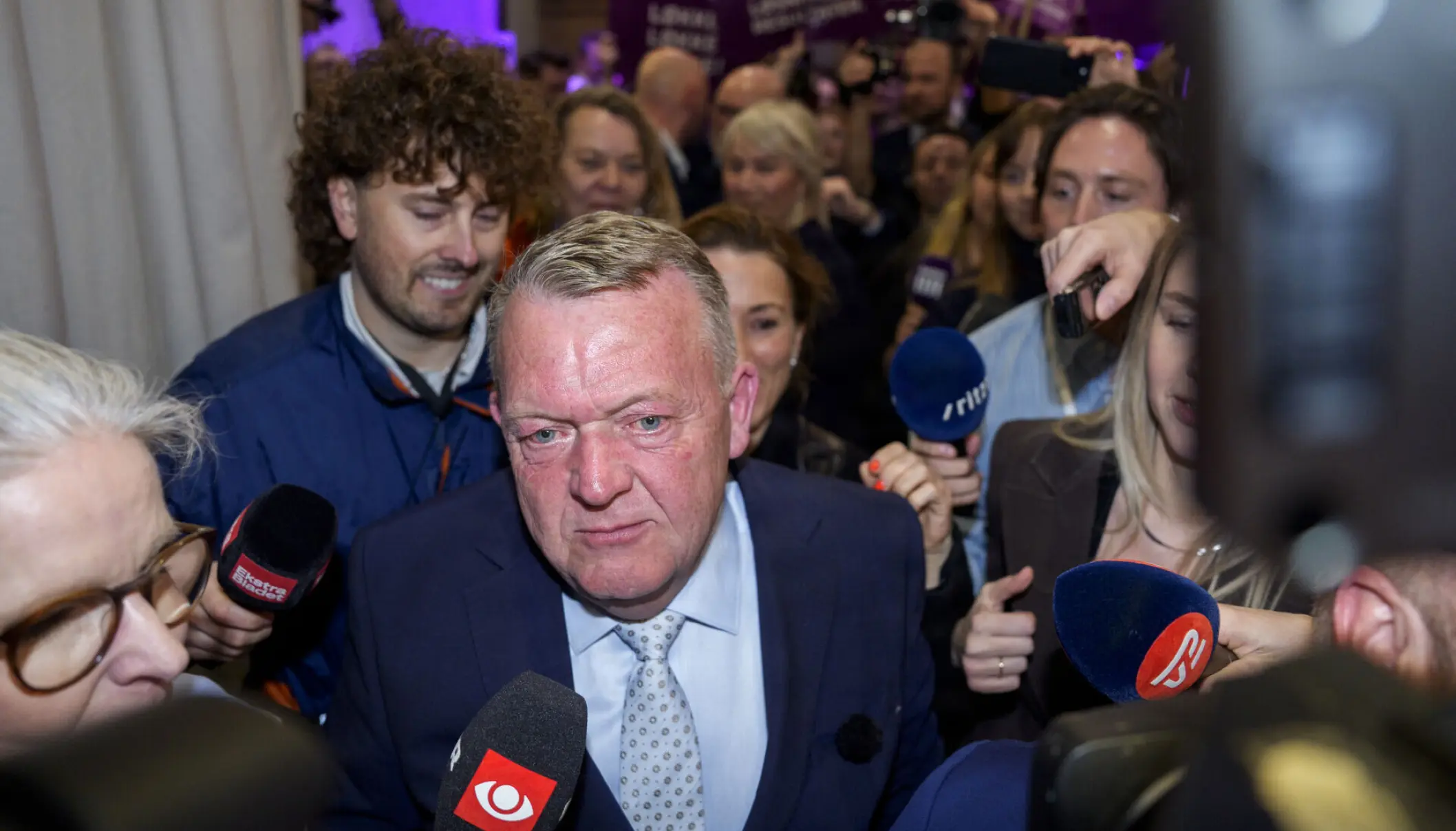
NRK and SVT note that the Minister of Foreign Affairs and the leader of the Moderates, Lars Løkke Rasmussen (M), holds a key position in deciding how a future government is put together.
"He can decide who will be Denmark's next prime minister," reads the headline on SVT.
The media writes that Lars Løkke Rasmussen and the Moderates will play a role as a "wavebreaker" that can decide how a future government is put together.
The Moderates won 7.7 percent of the vote and 14 seats in Tuesday's general election.
The 14 seats could be crucial in forming a government, as neither the red nor the blue bloc can muster a majority without the party.
The result shows 84 seats for the red bloc and 77 for the blue bloc.
/ritzau/