
2026 GENERAL ELECTION
Qarsoq and Naaja invited to meet with Mette F. next week
In this live blog you can follow the big and small details of the 2026 general election.

-
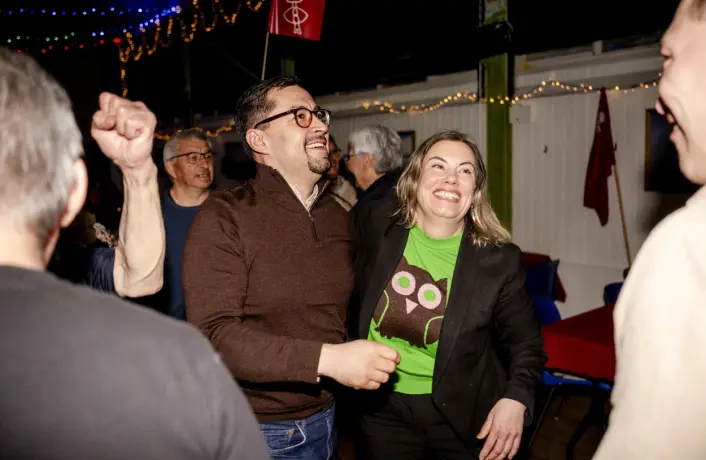
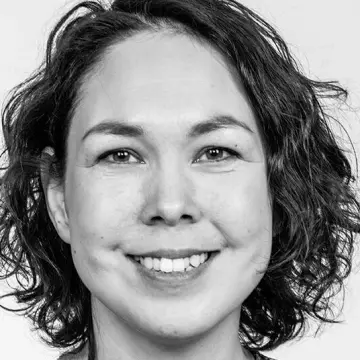
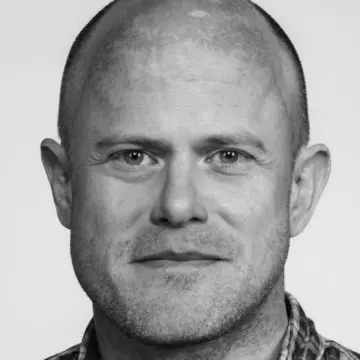
The two newly elected members of parliament from Greenland, together with the two other North Atlantic mandates from the Faroe Islands, have been invited to so-called bilateral meetings with acting Prime Minister Mette Frederiksen next week.
This is stated by the Social Democrats in a press release.
Mette Frederiksen has been appointed as royal investigator, and she is therefore investigating how and with whom she can potentially form a new government.
In addition to the party leaders in Denmark, Mette Frederiksen will also meet with Naaja H. Nathanielsen (IA) and Qarsoq Høegh-Dam (N).
When the last government was formed in Denmark in 2022, the then members of parliament Aaja Chemnitz and Aki-Matilda Høegh-Dam were included in the government's basis for several points regarding Greenland, as they in return entered into an agreement to act as supporting parties.
-
See the ranking: How were the personal votes distributed?
Tuesday's 27 candidates for the parliamentary election all received personal votes. Here is a ranking of how they distributed:
1 Qarsoq Høegh-Dam, 4,619 votes
2 Anna Wangenheim, 2,358 votes
3 Naaja H. Nathanielsen, 1,953 votes
4 Ellen Schärfe, 1,553 votes
5 Ineqi Kielsen, 1,142 votes
6 Pipaluk Lynge, 1,035 votes
7 Aqqalukkuluk Fontain, 894 votes
8 Doris Jakobsen Jensen, 820 votes
9 Nivi Rosing, 716 votes
10 Kuupik Kleist, 674 votes
11 Kalistat Lund, 555 votes
12 Patrick Abrahamsen 553
13 Ane Lone Bagger, 508 votes
14 Bentiaraq Ottosen, 381 votes
15 Najaaraq Møller, 365 votes
16 Aka Maria Koch Hansen, 361 votes
17 Inuujuk Petersen, 291 votes
18 Juno Berthelsen, 213 votes
19 Najannguaq Hegelund, 189 votes
20 Orla Joelsen, 175 votes
21 Bent Olesen, 165 votes
22 Karina Zeeb, 118 votes
23 Erika Nielsen Baadh, 95 votes
24 Hans Jørgen Mørch, 93 votes
25 Malu Ostermann, 90 votes
26 Napaartoq Isak Petrussen, 42 votes
27 Oliver Bech, 19 votes
-
Qarsoq Høegh-Dam and Naaja Nathanielsen win the election
Now all the votes have been counted, and thus the two new members of parliament from Greenland have been elected.
It will be Qarsoq Høegh-Dam from Naleraq and Naaja. H. Nathanielsen from IA.
IA received the most votes with 28.6 percent over Naleraq's 24.6 percent.
However, Qarsoq Høegh-Dam was the election's biggest vote-getter. He received 4615 personal votes, while Naaja H. Nathanielsen received 1953.
Anna Wangenheim received more personal votes than Naaja H. Nathanielsen, but IA received the most votes as a party, and thus the mandate in the Folketing.
-
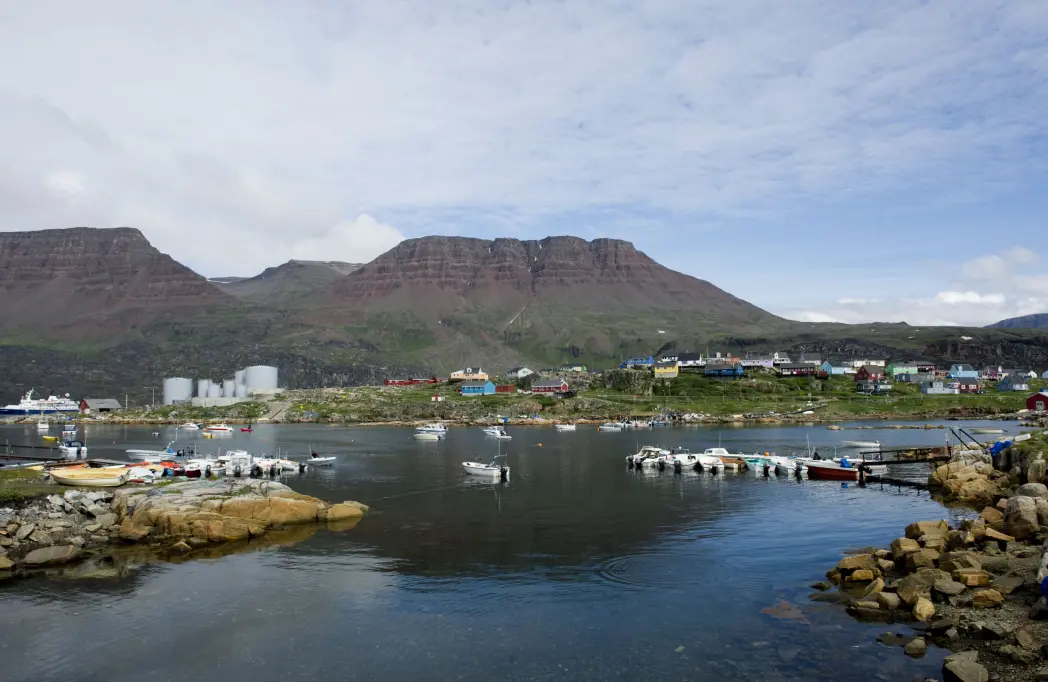
Naleraq wins Ilulissat
With 35.6 percent of the votes, Naleraq has won Ilulissat. Qarsoq Høegh-Dam received 655 personal votes in the city.
Anna Wangenheim received the second most personal votes with 226.
However, IA is running with the second most votes as a party with 19.1 percent of the votes.
-
Qarsoq: The sun will turn orange tomorrow
With 79 percent of the votes counted, Naleraq's Qarsoq Høegh-Dam is firmly in the lead.
He has 3479 personal votes, while Anna Wangeheim (D) has 1822 and Naaja H. Nathanielsen (IA) has 1728.
And Qarsoq Høegh-Dam may also have a chance of winning a seat in the Folketinget.
- It looks like the sun will be more orange tomorrow when it rises.
- It's very overwhelming, I expected fewer votes. But it's going really well, he says.
-
Doris: It's a disappointing result
Around midnight, the atmosphere is quieter at Siumut's election party in Takuss.
Siumut has secured a seat in the parliament for decades, but this time the party will have to look far for a mandate.
Doris Jakobsen Jensen tells Sermitsiaq that the result of the election is tough.
- It is a really disappointing result. As we know, there was a political change in March last year, and that has not changed now, says Siumut's candidate for the parliament Doris J. Jensen.
- Of course we had good expectations. But the result shows that we need to strengthen our work in the local branches. One of the reasons may be that we have recently lost two prominent members and that we have chosen to leave the coalition prematurely, she estimates.
-
IA wins Sisimiut
The big cities have now started to be counted. In Sisimiut, which is the second largest city, IA wins with 33 percent of the vote.
Naleraq comes in second with 26.7 percent of the vote.
Siumut drops significantly in the city and ends up with 16.8 percent of the vote. Demokraatit gets 11.4 percent, while Atassut gets 10.3 percent.
-
IA leads nationwide
With Nuuk counted, Inuit Ataqatigiit has stolen the lead in the election from Naleraq. IA now has 30.9 percent of the votes nationwide, while Naleraq has 22.9 percent.
However, Qarsoq Høegh-Dam still has the most personal votes with 2627 votes, while Anna Wangenheim from Demokraatit has 1786 votes in second place.
In third place in personal votes is Naaja H. Nathanielsen with 1706 personal votes.
-
Naaja Nathanielsen wins Nuuk
Now the votes have been counted in Nuuk. Here Naaja H. Nathanielsen (IA) gets 1361 personal votes.
Anna Wangenheim from Demokraatit gets 1251 personal votes.
Qarsoq Høegh-Dam from Naleraq gets 1073 personal votes in Nuuk.
Pipaluk Lynge (IA) gets 476 personal votes, while Ellen Schärfe from Atassut gets 483 personal votes.
IA gets a total of 36.3 percent of the votes in Nuuk, while Demokraatit gets 25 percent.
Naleraq gets 16.2 percent, Siumut gets 11 percent, and Atassut gets 9.1 percent.
-
Naleraq leads so far
With 17 percent of the votes counted, Naleraq is leading with 34.1 percent of the votes.
IA is second with 19.3 percent.
Qarsoq Høegh-Dam from Naleraq has 1059 personal votes so far. Ellen Schärfe from Atassut is in second place with 318 votes.
- It is remarkable that our results from Inatsisartut also follow this election, but I notice that in the places where we have previously been second, we are now leading. We are very grateful for that, because we can feel the support we get from the coast, says chairman of Naleraq Pele Broberg.
Overall, Siumut has 17.5 percent of the votes,
Demokraatit has 15.2 percent and Atassut has 12.5 percent.
-
Naleraq wins Upernavik
12 percent of the votes have now been counted.
In Upernavik, 26 percent of those eligible to vote have voted. Naleraq wins with 48 percent of the votes.
Siumut gets 16.9 percent, IA gets 13 percent, Atassut gets 12.2 percent and Demokraatit gets 8.7 percent.
-
Ellen Schärfe wants to continue political work – regardless of the result tonight
Ellen Schärfe is running to become the first Atassut member of parliament elected since 1998 - and that was her too. We spoke to her at Atassut's election party bathed in colored lights, when about 6 percent had been counted.
Has it been good to be campaigning again?
– I think so. We've been out all day enjoying the good atmosphere. I was happy that many people said it was good to see me again.
Does it feel the same as the last time you campaigned?
– It's a bit different today. Back then, we didn't have social media. Today, it's easier for people to make dubious claims without being followed up. We stand firm on being credible there.
If you're not elected tonight, could you imagine making a political difference in any other way than as a member of parliament?
– Absolutely. It's meant a lot to me to get so many positive comments. Ellen is back.
-
Naaja Nathanielsen is excited about the big cities
The election party is also underway at IA. Naaja H. Nathanielsen, who is naalakkersuisoq for business, raw materials, energy, the justice sector and gender equality, is running for the Folketing. She and IA are excited, she says.
- We think it's going very well, but we're missing the results from the largest cities. When they start coming in, I think we'll be able to see a better picture of who's coming in.
Naleraq has received many votes in the cities and settlements that have been counted so far, but all the large cities are still missing.
Naaja H. Nathanielsen is happy to now be together with her party colleagues.
- It's really nice to be together. We've all worked hard for the election campaign for the last 14 days, three weeks, it's really nice to be able to relax and enjoy each other, no matter how it goes, she says.
-
Demokraatit wins Kangerlussuaq
Now Demokraatit is starting to gain ground. The votes have been counted in Kangerlussuaq, where Demokraatit has received 29.1 percent of the votes.
IA gets 28.3 percent, while Naleraq - who has so far led in most places - gets 20.5 percent of the votes.
Atassut gets 14.2 percent, while Siumut gets 7.9 percent.
-
Naleraq wins in Qeqertarsuaq
Now the votes have been counted in Qeqertarsuaq in the Municipality of Qeqertalik.
Naleraq gets 31.3 percent of the vote, which is a big improvement for the party in the city with 15.5 percentage points.
IA gets 25 percent of the vote, Siumut gets 15.3 percent, Atassut gets 13.8 percent and Demokraatit gets 9.7 percent.
-
Anna Wangenheim: May the best man win
Naleraq has got off to a good start with the first settlements counted, where they have received over 80 percent of the vote. But that doesn't rule out Demokraatit candidate Anna Wangenheim.
- I saw them from Itilleq, and that's where Hans Enoksen is from. So it doesn't surprise me that much.
- Naleraq has always had a good election up there. So I just wish them a really good election too. May the best man win, as they say, she says.
What have the voters told you when you've been out and talking to them today?
- I've had a lot of support. There's been a lot of criticism of my candidacy, so it warms my heart that there's still some trust in me.
Anna Wangenheim is the Greenlanders' representative for health and people with disabilities. That's why there's been criticism of her running for the Folketing. If she's elected, she'll have to resign as Greenlanders' representative.
Do you think you'll get in?
- We'll have to see. It's too early to tell, but based on the mood, I think I have a good gut feeling that we'll have an okay election.
-
Qarsoq Høegh-Dam is leading in the election
One percent of the votes have now been counted in Denmark. Candidate from Naleraq Qarsoq Høegh-Dam is off to a good start.
He has 94 votes so far, and is therefore far ahead of the other candidates.
Ellen Schärfe from Atassut has 24 votes, in second place. Anna Wangeheim from Demokraatit has 9 votes and is somewhat lower on the list.
-
Atassut: We believe in progress
The good mood spreads in Atassut's small election party at Toqqorfik in the colony harbor, where party leader Aqqalu Jeremiassen arrived a short time ago.
Do you believe that you can win a mandate tonight?
– We believe in a good election with progress. Realistically, it will of course be a huge challenge for the smallest party to become one of the two largest, perhaps a bit of a miracle.
How many votes would you be satisfied with?
– It has to be better than last time with 3.7 percent of the vote.
Have you noticed a difference between the election campaign now and in 2022?
– Yes, a significant difference. We are pleased that we have talked much more about the Commonwealth than about independence, which was such a big theme last time.
The assembly applauds, after the count the party has a quarter of the votes in Kangaamiut.
-
Aka Hansen: I have never been so excited
The atmosphere is slowly getting better at Siumut's election party on Takuss.
Chairwoman Aleqa Hammond has difficulty saying what her expectations are for tonight.
But she hopes that the outer districts will be heard.
Siumut has had one of Greenland's two parliamentary seats almost all the time, since the party first ran for parliament in 1977.
During the last election period, Aki-Matilda Høegh-Dam moved from Siumut to Naleraq, taking her seat with her. Whether the party regains its seat remains to be seen.
One of the candidates from Siumut is Aka Hansen, who is excited.
- I have never been so excited in my life, she tells Sermitsiaq. Aka Hansen comes from a film production background and says she is used to things being more predictable.
- It has been challenging and fun, when you go up for election, you feel a bit exposed.
I hope that Siumut gets a seat in the Folketinget, and if it were up to me, I want it to be me who is elected, she says.
-
Pele Broberg: I am very touched
This is the first time that Naleraq has held an election without the former chairman, Hans Enoksen, who died last year.
- It is different this year. This is the first time that we have an election without Hans Enoksen. It is hard. Aaliit called us from Hans' grave when the first results from Itilleq came in. I am very touched by this, says Pele Broberg.
About 30 people are gathered in the party hall at Radiofjeldet where Naleraq is based in Nuuk on Tuesday evening. Najannguaq Hegelund, who is running for the first time for the parliament, is delighted with the results.
- We are really happy. The last three weeks have been intense, where we have worked around the clock. Now the results are in, says Najannguaq Hegelund, who is running for the first time. She is delighted that Naleraq won both in Itilleq and Iginniarfik.
- How will you spend the evening?
- We are going to have a good evening. We have a good team and we have supported each other well, says Najannguaq Hegelund.
-
The votes have been counted in Denmark
Now all the votes have been counted in Denmark.
The Social Democrats become the largest party, but fall back by 12 seats. The Red bloc gets a total of 84 seats.
The Left becomes the largest party in the Blue bloc with 18 seats, while the Blue bloc gets a total of 77 seats.
Therefore, none of the blocs can count to 90, which is required to have a majority in the Folketing. The Moderates get 14 seats and thus a central role in who can form the government.
-
Good election for Naleraq in Iginniarfik
Now the votes have also been counted in Iginniarfik in the Municipality of Qeqertalik. Here Naleraq takes 85.7 percent.
Siumut is running with 14.3, while Atassut, Demokraatit and IA all get 0 percent.
-
Naleraq wins Itilleq with 81 percent of the vote
The first votes are starting to come in. The first place counted in Greenland is Itilleq, a settlement near Sisimiut.
Here Naleraq wins with 81 percent of the vote.
Siumut gets 9.5 percent, IA 4.8 percent, Atassut and Demokraatit both get 2.4 percent of the vote.
-
Múte arrives at election party
The chairman of Inuit Ataqatigiit, Múte B. Egede, arrived at the community center in Nuuk at 8:25 p.m.
- It's really nice to come in. I'm excited and have good expectations and look forward to seeing the first numbers, says Múte B. Egede.
- I hope that we can still have a member of parliament in Inuit Ataqatigiit. The most important thing is that the two representatives from our country can cooperate and that they can work for our country and our interests, says Múte B. Egede.
-
Faroese members of parliament have been re-elected
The result of the general election in the Faroe Islands is now clear.
Faroese members of parliament Anna Falkenberg from the Sambandsflokkurin and Sjúrður Skaale from the Javnaðarflokkurin have been re-elected, writes in.fo.
Both Sjúður Skaale and Anna Falkenberg both broke the previous voting record.
According to DR, there will be one red and one blue mandate.
-
Jens Frederik Nielsen: We are careful not to have too high expectations
Chairman of Demokraatit and Chairman of Naalakkersuisut, Jens-Frederik Nielsen, has arrived at the election party in Nuuk.
He says there has been a good atmosphere.
- People are happy, as they should be on election day.
- We are careful not to have too high expectations. Everything looks completely open. We have done a good job, says Jens-Frederik Nielsen.
It also looks exciting in Denmark. Who would you point to if you get a candidate in the Folketing?
- One of the only election promises we have made is that we will not point to anyone in advance.
- We would like to hear what is on the table. If it becomes relevant, it is something to talk about. It may look a bit cloudy in Denmark, one might say.
With 98.6 percent of the votes counted in Denmark, the red bloc has 84 seats, the blue bloc has 77 and the moderates have 14 in the middle.
The Democrats have never had a member of parliament before, so the chairman is naturally excited about the possibility.
- It will be historic. Our party has gone through a historic time.
- I am very hopeful. But I am keeping my expectations open - everything is completely open.
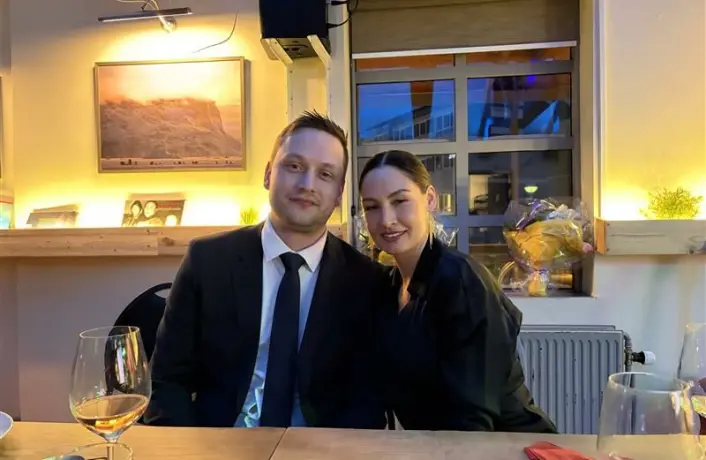
Jens-Frederik Nielsen and his partner Anika Brandt Sørensen. Foto: Birgitte Kjeldsen -
A calm start to a tense evening at IA
Small groups are gathered at the tables in the community center, where coffee and soda are poured, and eyes regularly look towards the big screen.
The conversation is subdued, but the anticipation is palpable in the room. At Inuit Ataqatigiit, election night has begun with quiet excitement, while the first results are awaited.
- We had a good start to the day. I expect that more people will stop by when the polling stations close, to get warm in the cold.
- We will provide music, and then we will be together to follow the results, so it will be a pleasant and exciting evening, says Jane P. Lantz, head of the secretariat at Inuit Ataqatigiit.
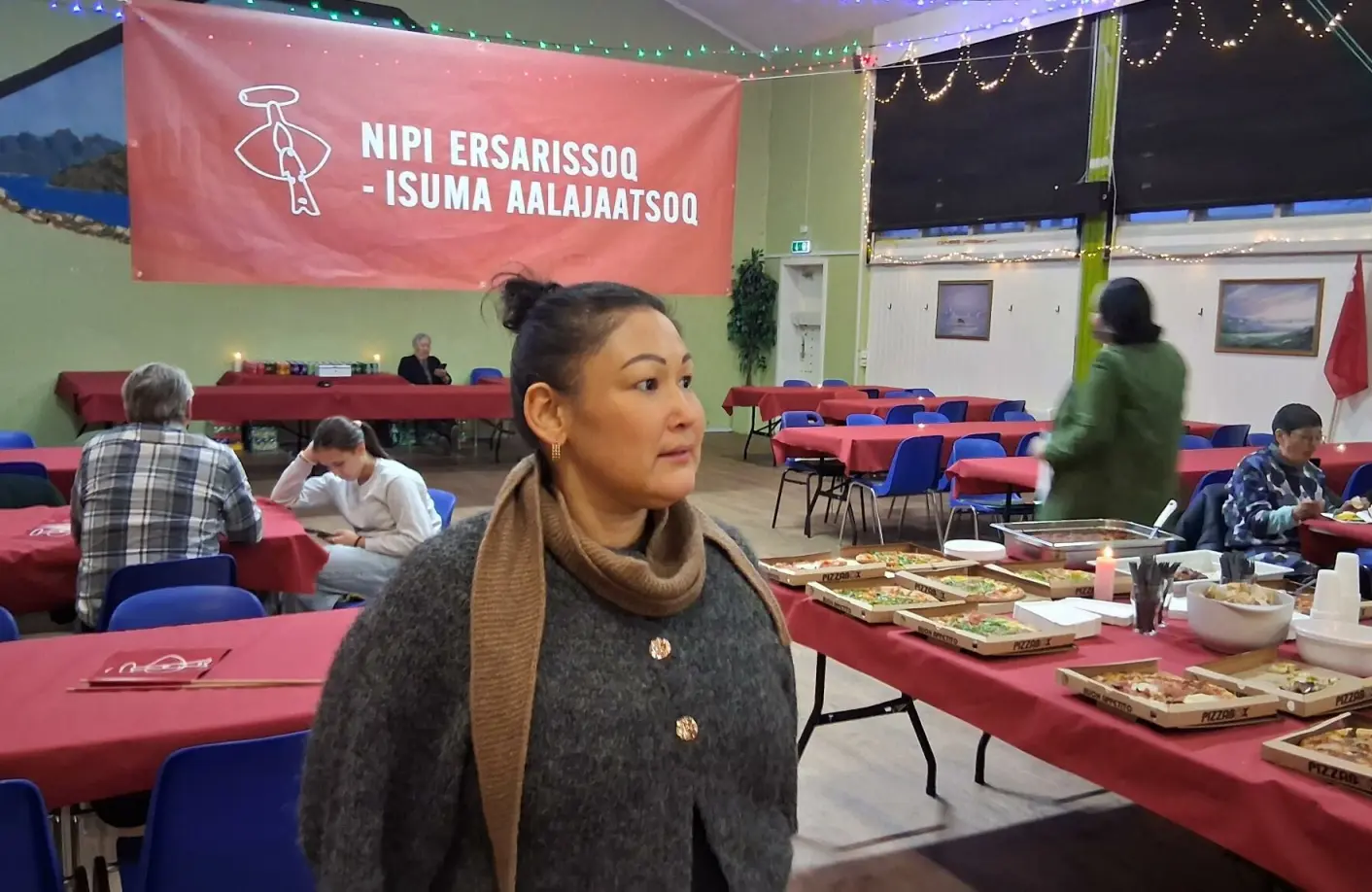
Jane P. Lantz, secretariat manager of Inuit Ataqatigiit, says that they have had a good start to the day. Foto: Paninnguaq Steenholdt -
Last vote cast in Nuuk
The polling stations around the country are now closed.
As the last in Nuuk, polling manager in Kommuneqarfik Sermersooq Bea Mølgaard Lennert has cast her vote. She did so on 20.03.
Sermitsiaq catches her with a question just before:
Was it difficult to choose who you should vote for?
- No. A little at first. But I've been following along like everyone else, says Bea Mølgaard Lennert.
Now the counting of the votes and the final vote percentage begins.
-
Polling manager is betting on a vote percentage of over 50
A number of people are still trickling in to Godthåbshallen, who need to vote before the polling stations close at 8 p.m.
Some come with children. Some in groups of friends. Others alone.
Bea Mølgaard Lennert is the poll leader in Kommuneqarfik Sermersooq. She has the latest - and tonight's - vote figures from Nuuk today: 48.4 percent
When Bea Mølgaard Lennert votes as the last one after the polling station closes, she is betting that the vote percentage will have reached over 50 percent.
Maybe 57 percent, she says.
Before today, they in Godthåbshallen have prepared for a lot of people to vote, she says.
- I have noticed that there have been quite a few young people. At least after lunch, she says.
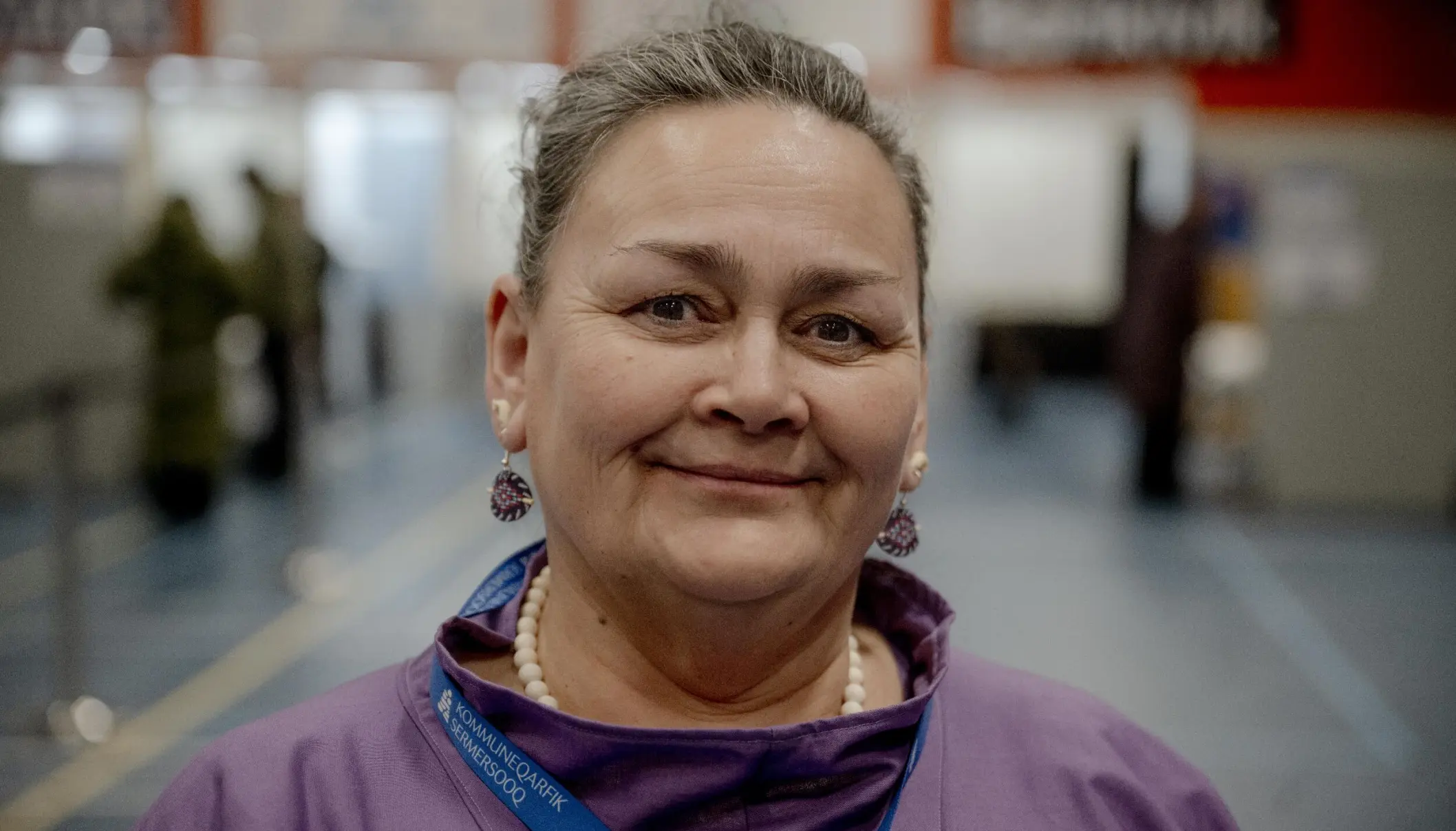
Bea Mølgaard, who is poll leader in Kommuneqarfik Sermersooq, votes as the last in Nuuk. Foto: Oscar Scott Carl -
At 7:00 PM: More than half have voted in Qaqortoq
Qaqortoq became the first city to cross 50 percent in our round-robin to major polling stations.
Ilulissat reports that at 7:00 p.m., the total number of votes cast at the polling station in the 2022 election has been surpassed.
Here is the status of selected cities, one hour before the polls close:
Ilulissat: 49.0 percent (1,739 votes)
Aasiaat: 42.9 percent (920 votes)
Sisimiut: 44.7 percent (1,774 votes)
Nuuk: 48.4 percent (6,896 votes)
Qaqortoq: 50.3 percent (1,116 votes)
The total voter turnout in 2022 was 47.8 percent for the entire country.
-
Anna Wangenheim arrives at election party
The Demokraatit party is holding an election party tonight at Killut in Nuuk. One of their favorites for a seat in the Folketing is naalakkersuisoq for health and people with disabilities, Anna Wangenheim.
She has now arrived at the election party.
The Demokraatit party has never had a member of the Folketing before. However, the party made tremendous progress in the Inatsisartut election last year.
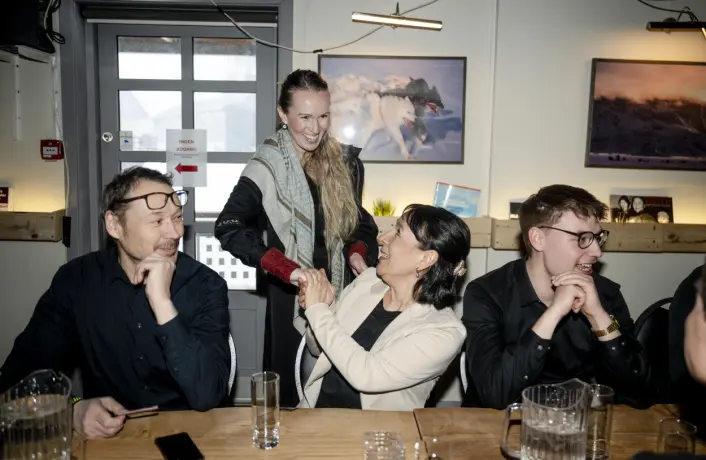
Anna Wangenheim greets people at the election party. Foto: Oscar Scott Carl -
22.6 percent voted in Pituffik
Up north, election night is going quietly, says Pituffik election manager Kasim Virk.
So far, 22.6 percent have voted. This is somewhat behind other places in the country, where most places at 5 p.m. were around 35-40 percent.
However, Kasim Virk pointed out that they are an hour behind the rest of West Greenland, so people should also have some time off from work.
- It is a bit slower than other years. There was more interest in the provincial elections last year than in previous years, he says.
-
5 p.m.: Qaqortoq leads in voter turnout
With three hours left, several towns have now crossed 40 percent in voter turnout, Sermitsiaq's polling shows.
This was the status in selected cities at 5:00 p.m.:
Ilulissat: 41.8 percent (1,484 votes)
Aasiaat: 36.6 percent (785 votes)
Sisimiut: 37.3 percent (1,483 votes)
Nuuk: 40 percent (5,660 votes)
Qaqortoq: 44.7 percent (991 votes).
-
At 3:00 p.m.: Status of voter turnout
After six hours of polling stations being open, a picture of voter turnout is emerging in several places in Greenland.
Thus, the highest percentage in Qaqortoq in terms of voting percentage, while the lowest percentage has their cross in Qeqqata Municipality.
In Ilulissat, the voting percentage is now 29.8%
In Aasiaat, the voting percentage is 25.4%
In Sisimiut, the voting percentage is 24.32%
In Nuuk, the voting percentage is 29.7%
In Qaqortoq, the voting percentage is calculated at 32.5%
There are still about five hours left, when the polling stations close at 8:00 PM.
-
12:00 PM: Status of voting percentages in the general election
The polling stations have now been open for three hours, and a status of the vote percentages from several cities in Greenland has been released.
In Qaqortoq and Nuuk, many have already voted compared to other cities.
In Ilulissat, the vote percentage is 6.6 percent, corresponding to 173 votes.
In Aasiaat, the vote percentage is 9.8 percent, corresponding to 211 votes. In 2022, the figure was 9 percent at 12:00.
In Sisimiut, the vote percentage is 11.42 percent. In 2022, it was 13.59 percent.
In Nuuk, the vote percentage is 15.6 percent.
In Qaqortoq, the vote percentage is 15.3 percent.
-
Hundreds have voted in Nuuk and Qaqortoq in the first hour
A number of voters have already passed by the polling station in Godthåbhallen in Nuuk in the first hour.
At 10:00 the voter turnout was calculated to be just under 5 percent, almost 680 voters have voted.
This is what poll leader Bea Mølgaard Lennert told Sermitsiaq. Unfortunately, she does not have the comparable figure from the 2022 parliamentary election.
At the polling station in Qaqortoq in South Greenland, a similar announcement was made by poll leader Randi Vestergaard Evaldsen.
At 10:00 the voter turnout was 4.8 percent in Qaqortoq. They also don't have the figures from the last election.
Polling manager and municipal director, Randi Vestergaard Evaldsen, says that the atmosphere is good:
- There have been people since we opened at 9:00 this morning, and the atmosphere is good. In addition, the weather in Qaqortoq is fantastic.
- There is plenty of sun, and a little cold, but fortunately no wind, she says.
The next calculation of the vote percentage will be at 12:00.
-
Polling stations open
Elections for the Folketing have now opened at 9:00 all over the country.
There are around 70 polling stations in Greenland, of which Nuuk is the largest.
Over 60 people attended the opening of the polling station in Nuuk, which took place in the Godthåbshallen, although more voters came to the ballot boxes in the first half hour.
The polling stations close at 8:00 p.m., after which the counting begins.
- Today, March 24, it is now 09:00, and the election for the Folketing can be opened. We have just shown that the ballot boxes are empty. For your information, we had a minor technical challenge: One table was still missing a list, but that has now been sorted. I can now announce that the election for the Folketing is open. Good choice, says election manager in Nuuk Bea Mølgaard Lennert.
You can follow election day and election night in Sermitsiaq.
-
Aqqalukkuluk: Remember to vote - it is more important than ever
IA's candidate Aqqalukkuluk Fontain stands at the Eqalugalinnguit roundabout on Tuesday and holds Erfalasorput high while waving to morning traffic in Nuuk. The day for the election for the Folketing has now started.
- I think I use my experience in debates more and have done quite well. This election is exciting, as we know for sure that two new members of parliament will be voted in.
- It is the voters who decide whether they want new forces or the same opinions, he says.
The parliamentary election has been called one of Greenland's most important elections in recent times due to pressure from the US and the geopolitical position that Greenland has.
- I encourage citizens to use their right to vote and go to the polling station. It is important that we show unity and use our democratic right. There is external pressure, where Greenland's democratic position is important, says Aqqalukkuluk Fontain.
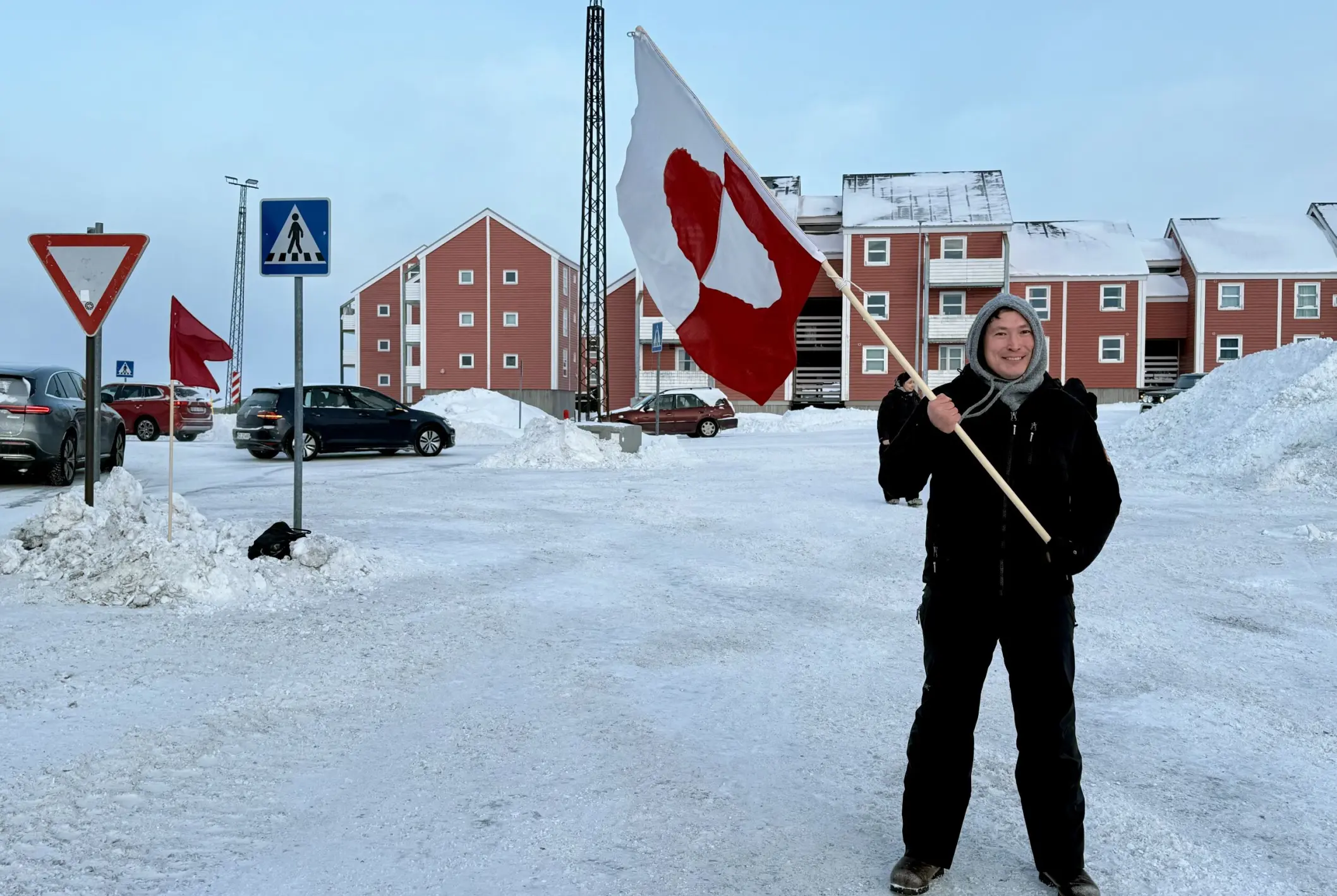
IA's candidate Aqqalukkuluk Fontain. Foto: Kassaaluk Kristensen -
The parliamentary election is launched with a record number of candidates to choose from
The polling stations open at 9 a.m., and the two new Greenlandic members of the Folketing must be found.
At the last general election in 2022, it was Aki-Matilda Høegh-Dam (then Siumut) and Aaja Chemnitz who secured re-election to the two positions.
Since both candidates are not running again, it is certain that when the vote counting is over, two new members of the Folketing from Greenland will have been found.
There are a total of 27 candidates to choose from on the ballot, compared to 15 candidates in the 2022 election. 27 candidates is by far the largest number in recent times.
If you look at the opinion polls in Denmark, the election could be very close, and therefore the two Greenlandic mandates could ultimately play an important role in the upcoming government negotiations.
The Greenlandic parties are clearly aware of this, and they have been cautious about committing to a specific candidate for prime minister in Denmark. - Negotiations are needed, is the typical answer.
However, KNR reports that Atassut's chairman Aqqalu C. Jerimiassen said in an election debate on Monday that Atassut will nominate the Liberal Party's Troels Lund Poulsen.
You can of course follow election day and the vote count here on Sermitsiaq.
-
D-candidate: Children in Greenland must have the same rights as children in Denmark
Bent R. Olesen is a candidate for the Danish Parliament for Democracy, and one of his key issues is the conditions of families with children. He points out that the approximately 16,000 children in Greenland should have the same economic rights as children in Denmark.
- The birth rate is falling, and it is currently too expensive to have children in Greenland. A strengthened economic effort will increase the security of families and improve the upbringing conditions for children throughout the country, writes Bent R. Olesen.
The candidate does not hide the fact that Greenland is facing a challenge with emigration. Elderly people and families with children in particular are looking to Denmark for better conditions.
To reverse the trend, Bent R. Olesen will work for additional funding through the Danish Finance Act. The money will be spent on, among other things, the health care system, education and better rights for seafarers and the implementation of international conventions.
In addition to social issues, Bent R. Olesen proposes the establishment of an innovation fund. The fund will support the development of local food and exports, so that Greenland can build a more self-sufficient economy.
-
ICC: Members of Parliament can play a special role
The Inuit organization ICC is now making a contribution to the debate leading up to the upcoming parliamentary elections
ICC chairwoman Sara Olsvig points out to Sermitsiaq that the realm poses major challenges for an active and flexible foreign policy.
Sara Olsvig states that the boundaries of what constitutes Danish and Greenlandic responsibility are still unclear, and this requires members of Parliament who can listen and coordinate with Inatsisartut and Naalakkersuisut.
Sara Olsvig states that the ICC has recently collaborated with the Greenlandic Government on the work of the Arctic Council, and the way in which the tasks are distributed has revealed cracks in the structures:
- Three nations in the Kingdom each handle their own tasks, and then it is as if watertight bulkheads are created between them. Instead of prioritizing the tasks as a whole, and jointly financing according to a common priority, we unfortunately have to point to a number of unfortunate examples where things fall through the cracks, says Sara Olsvig.
Sara Olsvig believes that Denmark in particular misunderstands its role:
- It is a bit like saying: “You want self-determination. Then you must also finance yourself”, she says and continues:
- But in these international cases, everyone loses when the cases are not followed through. And Denmark as a state in particular loses, because it ends up not being consistent with Denmark's otherwise clear role as an advocate for indigenous peoples internationally.
-
Organization interferes in the election campaign: The disability sector needs urgent attention
Greenland has not been able to and cannot lift the disability sector alone.
This is the statement from the disability organization Nunatsinni Inuit Innarluutillit Kattuffiat (NIIK).
The organization has a message for politicians in the ongoing election campaign leading up to the parliamentary election to focus on the disability area, even though it is an area for which Greenland itself is responsible:
- Courage is needed to acknowledge this and to speak openly about the need for cooperation, knowledge and specialized labor – also from Denmark.
- The consequences of a failed policy for decades are today borne by thousands of people with disabilities and their families in Greenland and Denmark, writes the association, headed by chairman Viggo Johansen, in a press release.
The association believes that politicians must recognize that the disability area cannot be addressed by Greenland alone, and that efforts should be made to create more cooperation with Denmark in this area.
-
Siumut wants to improve conditions for Greenlandic students in Denmark
Siumut will work in the Folketing for better educational opportunities, housing and financial conditions for Greenlandic students – both before, during and after their studies in Denmark.
The party wants to maintain the scheme that gives Greenlanders access to publicly funded bachelor's programmes in Denmark with a grade point average above 6.0 from preparatory education (for example, high school).
At the same time, Siumut will work to ensure that Ilisimatusarfik is fully recognised by Danish universities, so that it will be easier for bachelors from here to be admitted to master's programmes in Denmark.
The housing shortage in the larger student cities is a challenge, and therefore the party will work for more affordable student housing – also for students with families. In addition, Siumut proposes a special support scheme for rent at the start of studies in cooperation with the Greenlandic Government and the Danish government.
The party will also investigate whether the student grant matches the cost of living, and work to ensure that students can return home and work in Greenland without losing their student housing.
Finally, Siumut wants to strengthen cooperation between students and the business community, so that more people get internships, and that the background of Greenlandic students is recognized as a special qualification.
This is what Ane Lone Bagger (S) writes in a press release.
-
Food checks should also come to Greenland
Najaaraq Møller (S) believes that poor citizens in Greenland should be able to take part in the food check that has been adopted in Denmark.
In Denmark, shortly before the election, it was agreed to issue a food check to citizens with an income below a certain amount.
Najaaraq Møller believes that the scheme should be extended to Greenland:
- Some might say that Greenland itself must solve the problem through our own economy. And yes – we also have a responsibility for our own society. But when we talk about the realm, we must also be able to talk about shared responsibility.
- Denmark spends billions every year on international aid and support to many different countries around the world. Therefore, it should also be possible to discuss how citizens in Greenland can participate in schemes that already exist in Denmark, when the need is there, writes Najaaraq Møller in the press release.
For Najaaraq, it is not about shifting responsibility away from Greenland, but about ensuring that citizens in the realm should not be disadvantaged when it comes to food.
- If the realm is to make sense, it must also be felt in people's everyday lives, concludes Najaaraq Møller (S).
-
Final candidate list is ready
The complete candidate list has been published. 27 candidates are running and the list looks like this:
-
Final candidate list is ready
The complete candidate list has been published. 27 candidates stand and the list looks like this:
Atassat - four candidates
Bentiaraq Ottosen
Ellen Scharfe
Malu Ostermann
Orla Joelsen
Aqqalukkuluk Fountain
Kalistat Lund
Kuupiki. E.V. Kleist
Naaja H. Nathanielsen
Nivi Rosing
Pipaluk heather
Aka Maria Koch Hansen
Ane Lone Bagger
Doris Jakobsen Jensen
Erika Nielsen Baadh
Ineqi Skourup Kielsen
Najaaraq Moller
Democracy - six candidates
Anna Wangenheim
Bent Olesen
Hans Jorgen Morch
Inuujuk Petersen
Napaartoq Isak Petrussen
Patrick Abrahamsen
Naleraq - five candidates
Juno Berthelsen
Karina Zeeb
Najannguaq Hegelund
Oliver Bech
Qarsok Høegh-D
-
Danish party leader open to new model with an independent Greenland
Leader of the Radical Left, Martin Lidegaard, tells the Althing Arctic that he is open to dissolving the Danish Commonwealth if necessary and replacing it with cooperation between Denmark, Greenland and the Faroe Islands as independent nations.
The media has interviewed Lidegaard about the idea that former long-time top diplomat Michael Zilmer-Johns presented back in 2023.
Here, Zilmer-Johns said, among other things, that he thought Denmark, the Faroe Islands and Greenland should think about a different form of community, where the countries as three independent nations bind themselves together again, but on a voluntary basis and as an option, and not just because it is a historical legacy:
– We have a problem because the Commonwealth, as we know it, cannot accommodate the Greenlanders and Faroese people's completely legitimate desires for independence and a more independent international role, Michael Zilmer-Johns told journalist Martin Breum in 2023.
According to the Arctic Parliament, Martin Lidegaard is ready to discuss a new model for replacing the Commonwealth with or in a new government in Denmark.
-
Qarsoq Høegh-Dam is running in the general election
Naleraq announced in a brief statement on Friday morning that Qarsoq Høegh-Dam is running for the party in the upcoming general election:
- We can now officially announce that Qarsoq Høegh-Dam is running for the 2026 general election for Naleraq, the party writes.
Qarsoq Høegh-Dam is the party's 5th and final candidate for the 2026 general election.
With Qarsoq Høegh-Dam's run for the election, there is a possibility that one family member will replace another, as he is closely related to Aki-Matilda Høegh-Dam, who has chosen not to run again.
Qarsoq Høegh-Dam has previously participated in the election campaign when he ran for the Inatsisartut election in 2021. Here he received a great election with the fourth most personal votes (796) at Siumut.
However, he chose to resign from his position as Inatsisartut member before the constituent assembly, after it emerged that he had a case of euphoric drugs in his bag.
Since then, Qarsoq Høegh-Dam has been politically active, among other things, as chairman of Siumut Nuuk. However, he resigned from Siumut back in 2024.
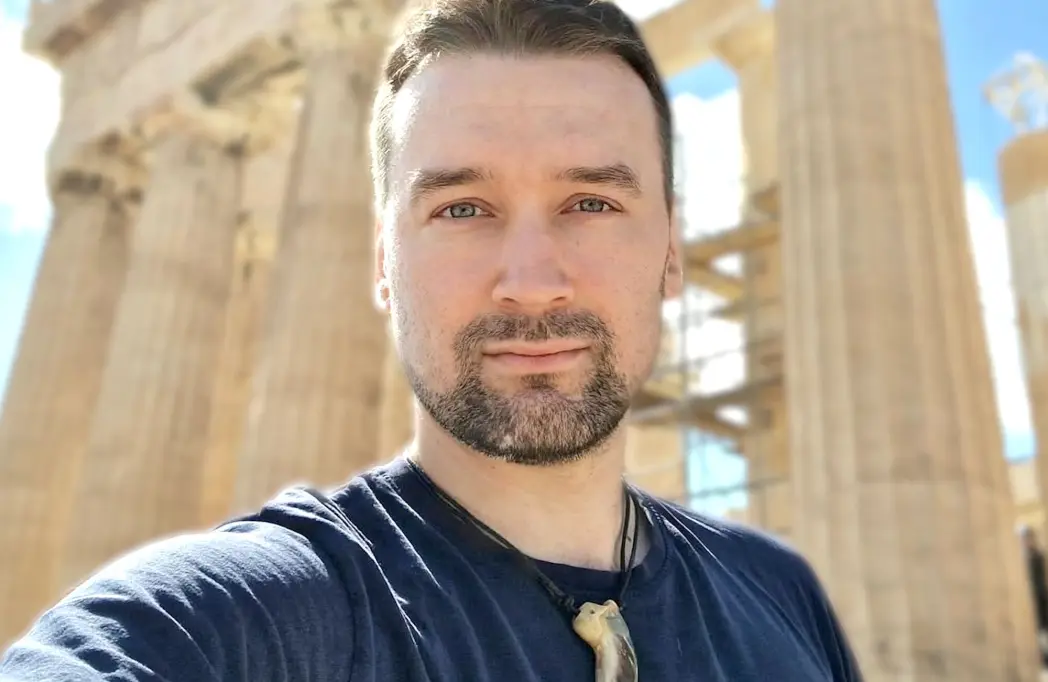
Qarsoq Høegh-Dam is running for the general election. Foto: Privat -
Nathanielsen responds again to Siumut criticism
The two members of Naalakkersuisut, Anna Wangenheim (D) and Naaja H. Nathanielsen (IA), are receiving harsh criticism from coalition partner Siumut for their candidacy in the general election.
In a post on Facebook, Naaja H. Nathanielsen responds:
- I am of course flattered that Siumut apparently believes that Anna and I are indispensable in Naalakkersuisut. I also think we are doing quite well, says the politician.
She further writes that it is a democratic right to stand for election:
- In addition, we have a democratic right to stand for election and are not breaking any rules by campaigning for the next 14 days.
She believes that she can hold her position in Naalakkersuisut and campaign at the same time. She also believes that the broad coalition is a strength for the country, and she hopes Siumut will remain in the coalition:
- I think Vivian (Naalakkersuisoq for Foreign Affairs, ed.) is doing really well, and I think the cooperation is working well.
-
Kuupik V. Kleist wants to make a comeback in politics
Former chairman of Inuit Ataqatigiit and chairman of Naalakkersuisut, Kuupik V. Kleist, is running for the Folketing. He has stayed away from politics since 2015.
- The pressure from the US against our country is fierce. I believe that Greenland is not for sale and cannot be bought. However, Greenland must be led by the people who live in the country, he justifies his candidacy.
Kuupik V. Kleist has worked for the creation of the Self-Government Act and was at the head of Greenland's first Naalakkersuisut after the introduction of the Self-Government Act in 2009.
In his justification for running for the election now, he says that the population must remember that the Americans do not think the same as their president.
- As a population, we now need to defend ourselves, unity and cooperation with others. I am ready to cooperate with all parties in the Folketing as I usually do. We can only achieve good results by cooperating with others, says Kuupik V. Kleist.
See all jobs
-

The Norwegian Road Traffic Authority is looking for car nerds for inspection in Greenland
-

Customer Operation Manager – Cargo
-

Sisimiut: Technical Manager
-

Team Leader for Job and Guidance in Majoriaq Nuuk
-

Operations Manager for the Institution in Nuuk
-
1-2 HR Consultants are wanted for HR & Legal in the Self-Government
-

Repost Economics Teacher
-

RESUME: Social Pedagogical Seminary in Nuuk is looking for a teacher
-
Social Pedagogical Seminary in Ilulissat is looking for a teacher
-
RESUME Consultant for the Office for Fishing Licenses and ESU, Department of Fisheries, Hunting, Agriculture and Self-Sustainability
PODCASTI
-

Nuuk Airport gives gold to the taxis
-
Naja Lyberth: There are still many battles to fight
-

Bentiaraq Ottosen: We cannot do without foreign labour
-
Chaos at the airport – the director explains himself
-
The steel woman is back – but outside the engine room
-
Pride Month: There's a party on Saturday - but the battle is far from over
-
Grew up in failure and abuse - today he is nail varnish suisoq
-
Jacob Nitter Sørensen after turbulent months: - It has been hard
-
Anna Wangenheim: Sana must be a university hospital
-
New podcast: The chairman turns 67 – but does not let go