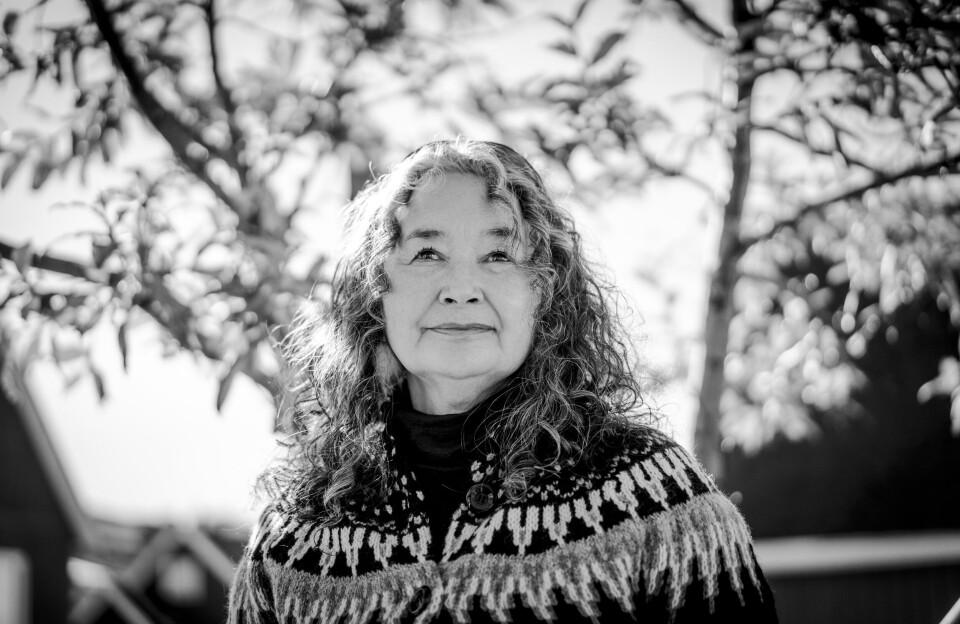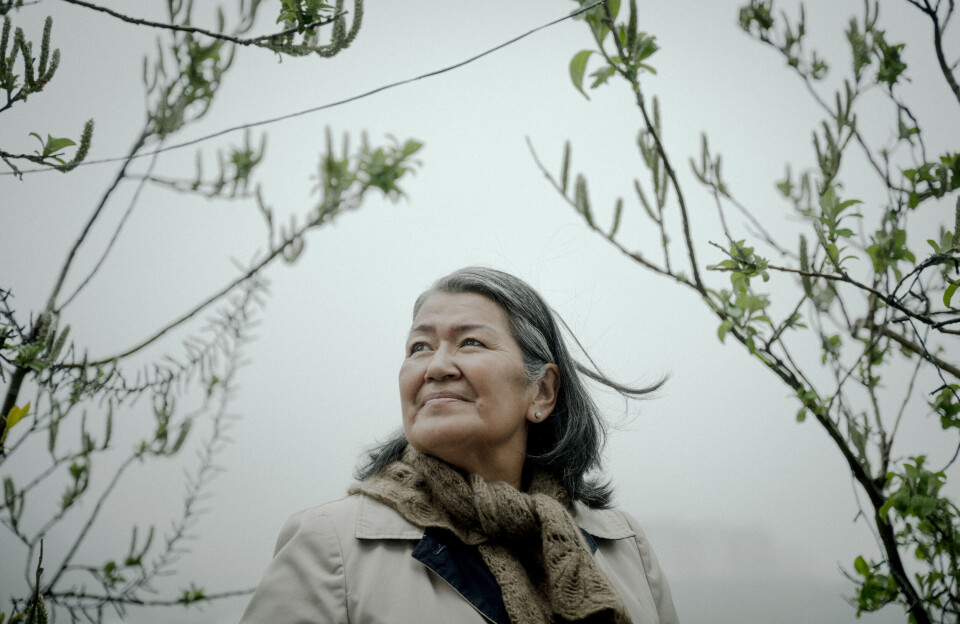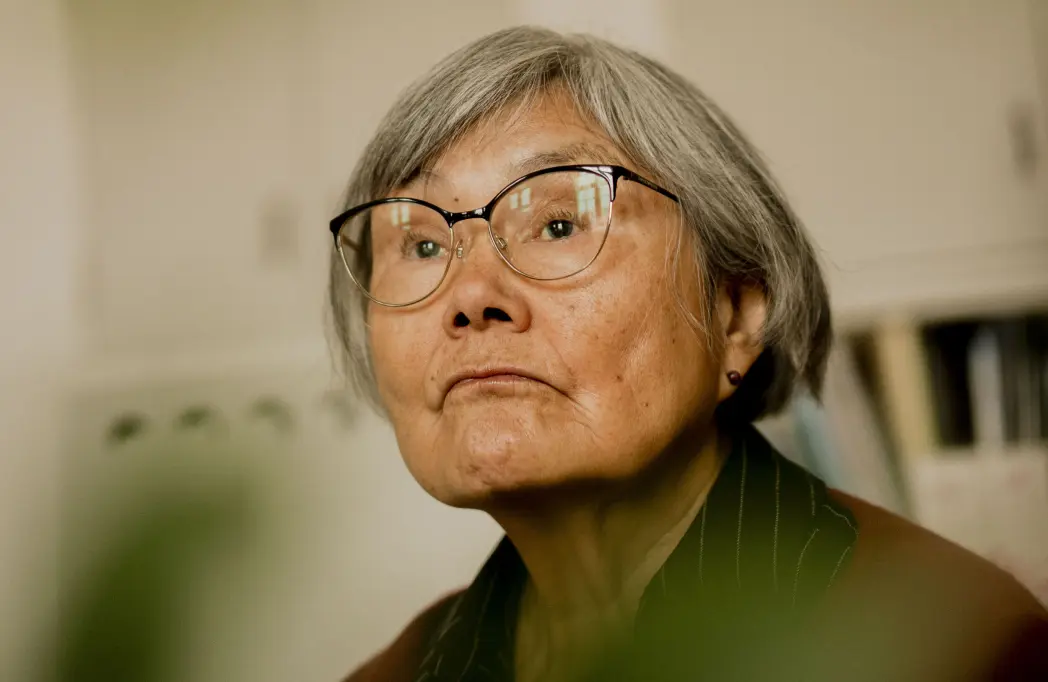


When MarieKathrine Poppel, at the age of 42, had just started studying at Ilisimatusarfik, she was asked one day if she would help translate for a Danish journalist who was going to do an interview at the institution.
MarieKathrine Poppel was studying for a master's degree at what was then called the Department of Administration, where she studied sociology, law and social studies.
She accepted the interpreting assignment. It sounded interesting, she thought.
The inmate who was going to be interviewed was a woman. She was one of the few women in the institution, and she had been convicted of killing her husband.
MarieKathrine Poppel and the journalist sat across from the woman who was telling her story.
- The story she told me really resonated with me, says MarieKathrine Poppel.
The woman had been subjected to violence from her husband for a long time. It was cruel what she had been subjected to.
One day the woman came home while the man was lying on the sofa sleeping. She could hear the children playing upstairs.
The woman reached for one of the rifles hanging on the wall, loaded it with cartridges, aimed at her husband and shot him.
The story turned MarieKathrine Poppel's world upside down and ignited an insatiable urge to understand.
What was it that drove the woman in front of her to such a point where she had to resort to such a violent act? And what about her husband and all the other men who were in the institution for violence and what was worse – was it solely their fault that they were where they were, or did society bear some responsibility?
The conversation with the woman became the first in a series of research interviews with male perpetrators of violence in the institution, which MarieKathrine Poppel subsequently conducted herself.
In many ways, it became the beginning of the research into inequality and equality to which she has devoted over 20 years of her life.
Patriarchy and postcolonialism
It became the woman's lot in life to keep track of the home and the children in colonial Greenland. This was the case long after the colonial era officially ended in 1953 – the year after MarieKathrine Poppel was born.
Her mother was from South Greenland. She was born in a small settlement, Niaqornaq, just outside of Kuannersuit, but later moved to Qaqortoq.
Her mother dreamed of becoming a midwife, and started her education in Qaqortoq. But when she moved to Nuuk, she met MarieKathrine Poppel's father. He was from Qeqertarsuaq, he was a telegraph operator - they fell in love and got married.
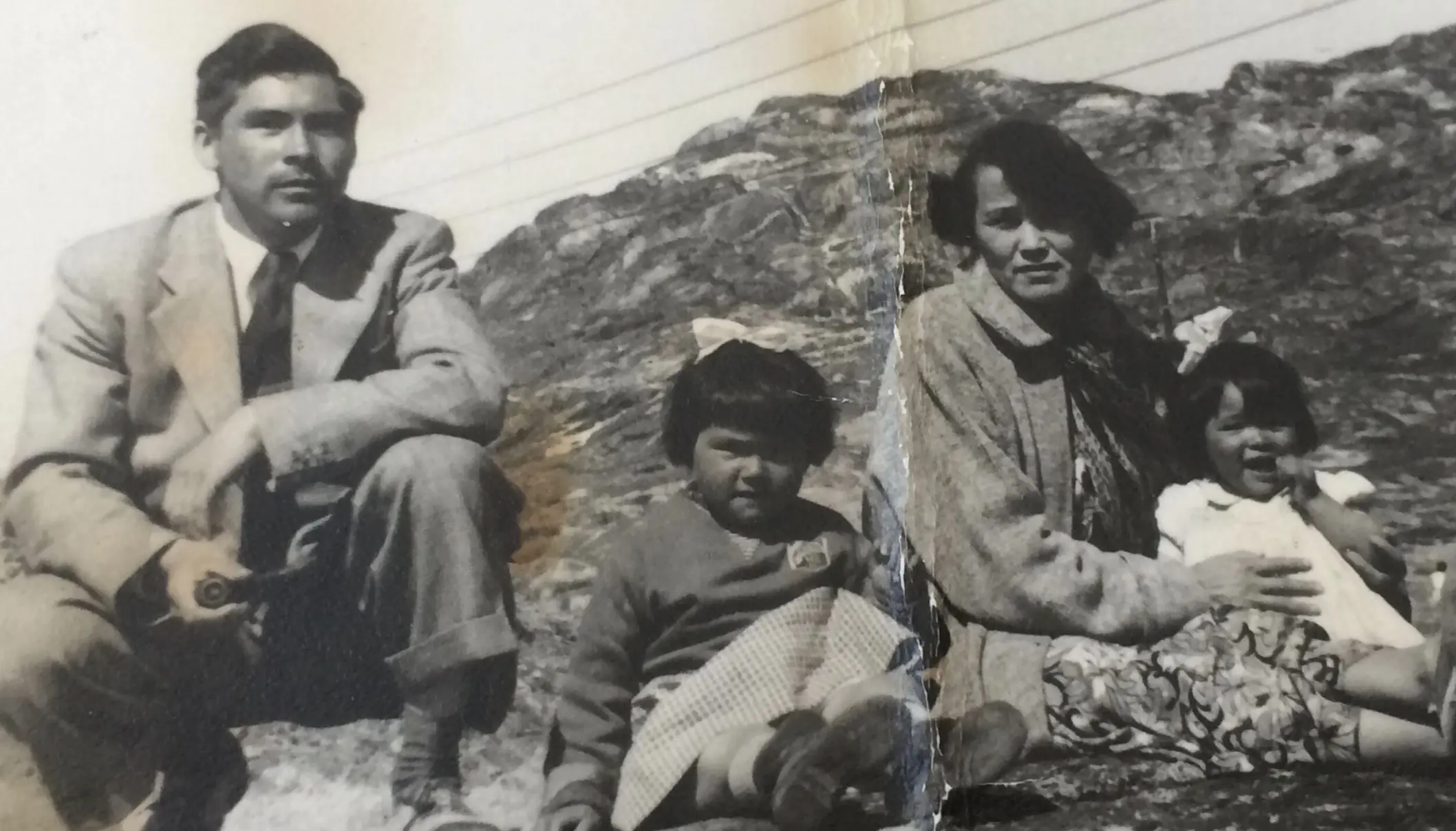
They struggled for a few years to get pregnant, but they finally succeeded, and on July 4, 1952, MarieKathrine Poppel was born. In 1954 and 1961, her little sister and a little brother followed.
Her father's work played a big role in the home, MarieKathrine Poppel remembers. When he came home from the night shift, he almost always brought snails from the bakery, which the children were allowed to have.
- And then, you had to be quiet for the rest of the day because he had to sleep, says MarieKathrine Poppel.
The home was patriarchal. Her father was the head of the household, and he went to work so that food could be put on the table, while her mother was responsible for the home and the children.
- My father was a very quiet and friendly person, while my mother was the one who ordered us around.
It was generally a different time when MarieKathrine Poppel was a child.
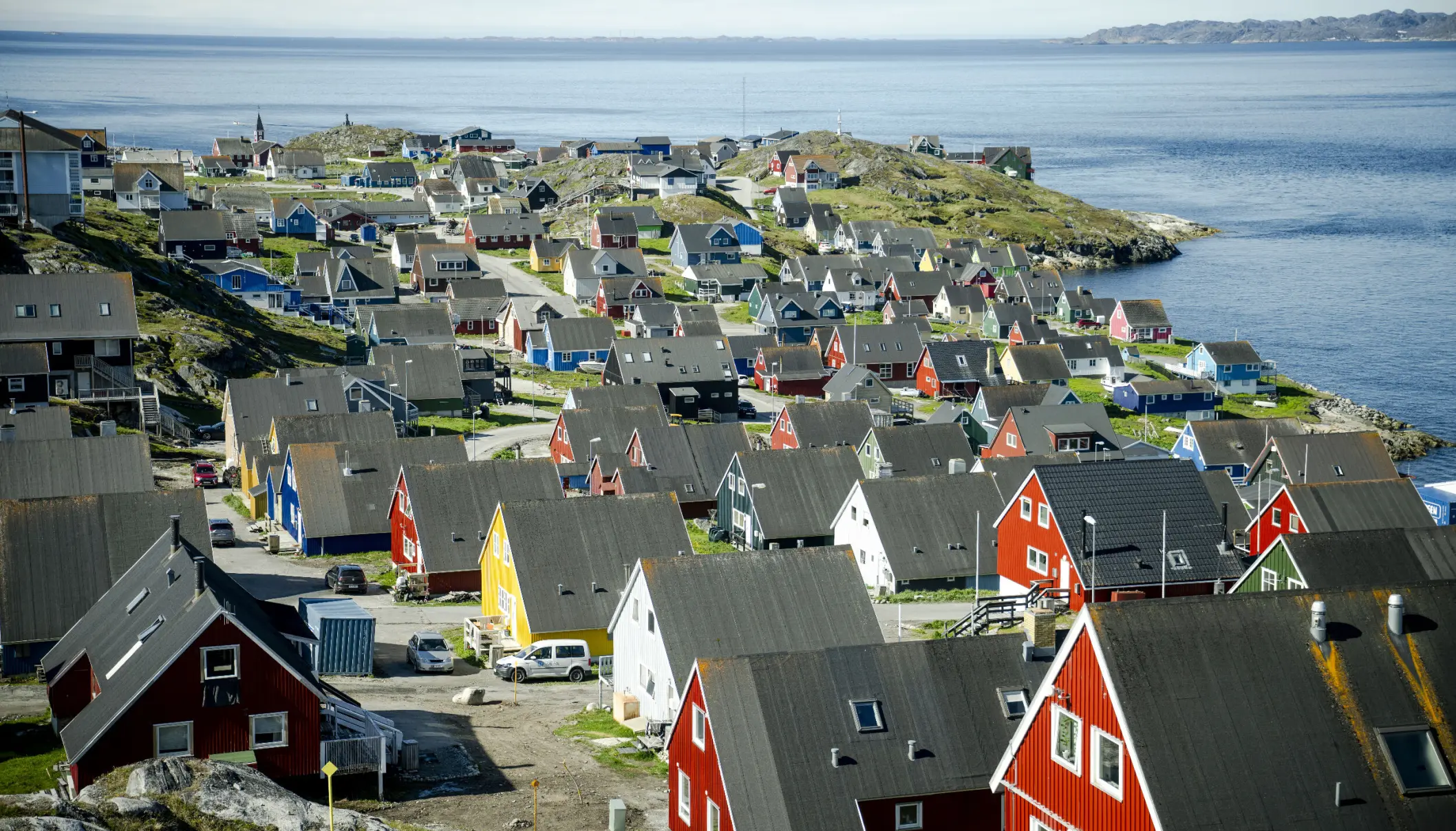
Back then, there were significantly fewer people living in Nuuk than today. In relation to the number of Greenlanders, there were also many Danes living there, but people were much more isolated back then, she remembers.
In Nuuk, there was one truck that transported people around – but it was always packed. In addition, there were none of the facilities that are available today.
There was neither a freezer nor a refrigerator, so the food that MarieKathrine Poppel and her family got was brought fresh from the board, after which it was typically boiled, dried or smoked.
You also had to fetch water and coal yourself – everything had to be washed by hand.
It was hard work to live back then.
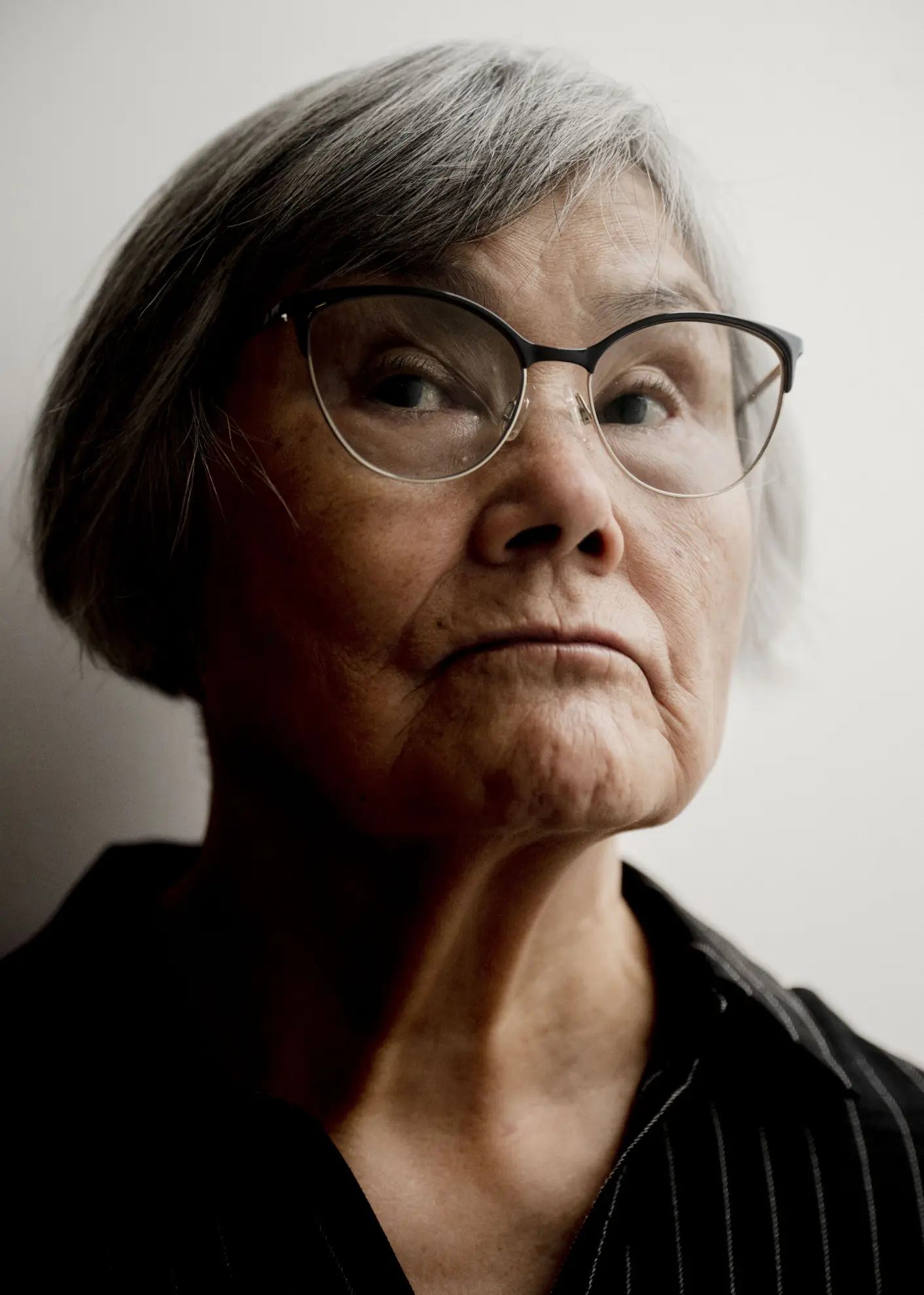
MarieKathrinePoppel looks back on her childhood with joy, however. It was teeming with children and playmates, for example.
- We were outside most of the time. In the winter we wore suits that our mother had sewn, and they froze when we had been outside for a long time, she says.
When she and her siblings had come back into the warmth after a whole day out, they were pulled out of their frozen suits and placed on the kitchen table with a bowl of suaasat. After that, the children collapsed from exhaustion.
From Greenlandic Airlines to researcher
MarieKathrine Poppel's mother was upset that she didn't have time to become a midwife before life took its course with a husband, a house and children. That's why she kept telling her children that they should get an education.
But it would be a shame to say that MarieKathrine Poppel always knew that she would end up going the research route.
- No, are you really smart? When I was young, you couldn't choose your own education, she says.
On the contrary, there were many others who had an opinion on what MarieKathrine Poppel should do with her life.
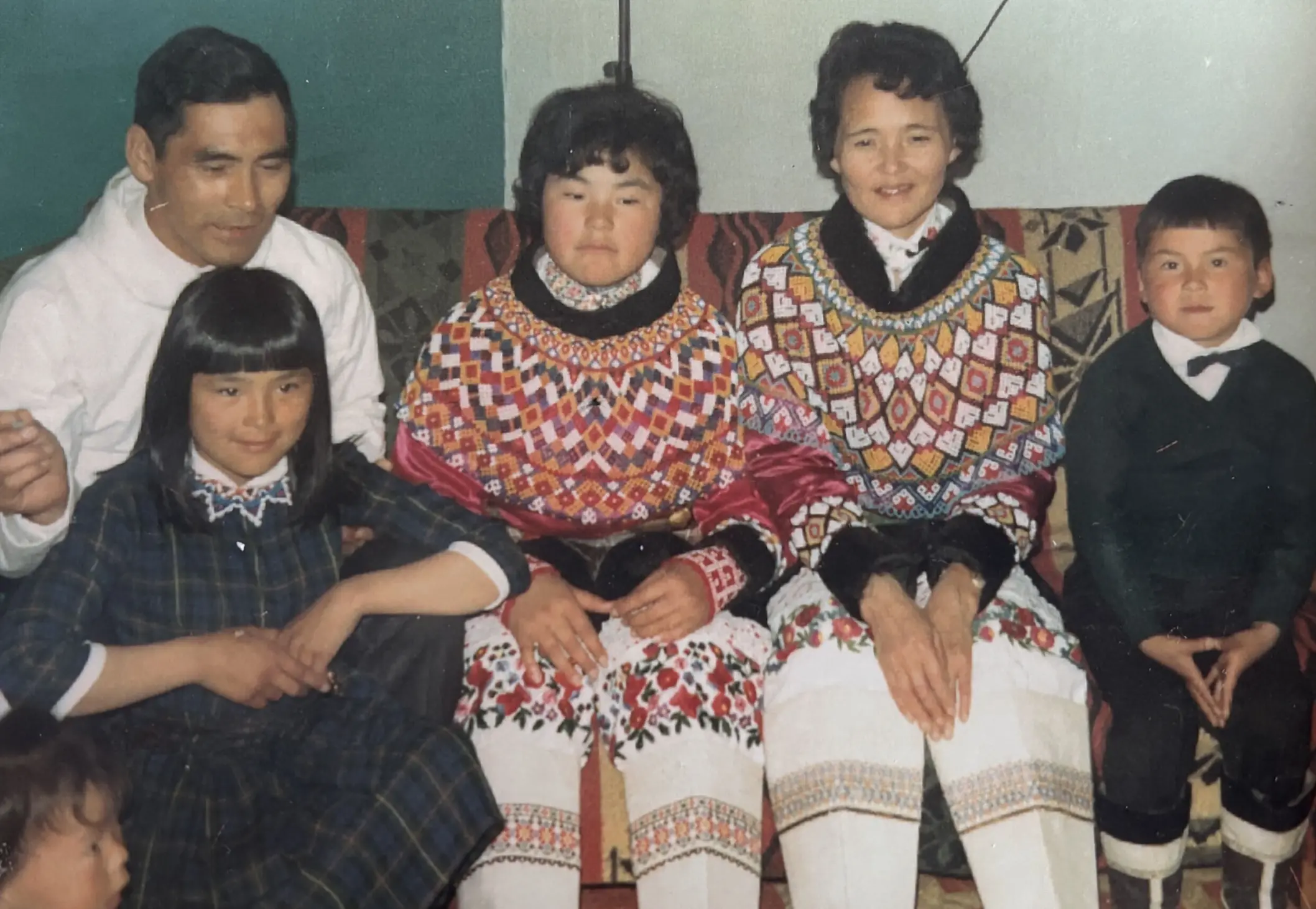
Like most other children, she was sent to Denmark for a year at the age of 12 to live with a Danish family and attend a Danish primary school.
The family she lived with had just got a television – and MarieKathrine Poppel was impressed by the device. At school, she was particularly interested in chemistry and physics, which is why she got the idea that she would like to work with technology and TV.
Later, however, a study advisor told her that it was not possible – because, she had to understand, television would never come to Greenland.
- That was the attitude back then, says MarieKathrine Poppel and smiles.
Instead, she was encouraged to use her interest in science to become a laboratory assistant. At the age of 17, she was sent to Hillerød Hospital as a laboratory assistant, but when it turned out not to be for her, she quit the following year.
After a year in Switzerland, where she worked at a hospice, MarieKathrine Poppel moved back home to Nuuk. And from here, life took its course and one job led to the next.
- First, I was hired as part of the cabin crew at Grønlandsfly (Air Greenland today, ed.). Then I was trained as a traffic assistant, which I was for seven years, she explains.
When she later became pregnant and gave birth to her daughter, Upaluk, in 1980, she swapped the planes for an office job at the union SIK. She was subsequently employed by the Greenland Home Rule, where she was responsible for the education sector.
- And so it ended up that I took a teacher training course.
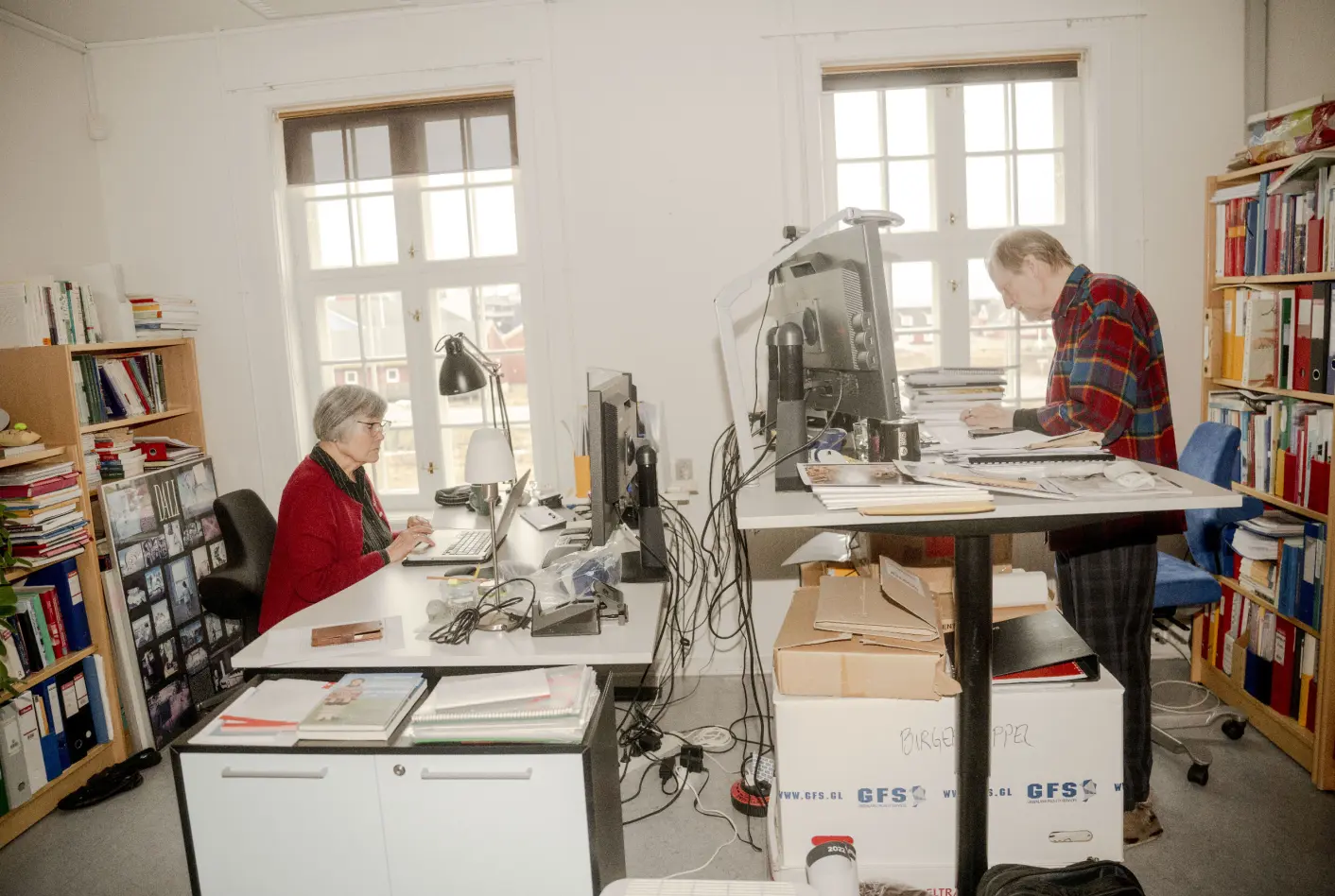
During these years, she also met Birger Poppel, who is the man she is married to today.
After the teacher training course and after teaching in the elementary school for a year, it was time to further her education, she thought. That had also been possible for a few years, since Ilisimatusarfik was founded in 1989.
MarieKathrine Poppel started at the only ten-year-old Ilisimatusarfik, where she took some subjects while still teaching in the elementary school.
- Because I didn't really know whether university was for me, she says.
But it was, she found out.
It's also society's fault
The inequality in society – between men and women, Greenlanders and Danes, East Greenlanders and West Greenlanders, those with education and those without – is something that MarieKathrine Poppel has been aware of for most of her life.
But it was only when she started university that she was able to see the patterns that often led to inequality.
- When we were children and young people, we were not taught about Greenlandic society at all. It was only when I started to learn about it when I came to Ilisimatusarfik, she says and continues:
- It was really an eye-opener for me.
And it was only after the conversation with the woman in the institution who had killed her husband that she really saw some of the most cruel consequences of inequality in her eyes.
- Inequality is many things. It is inequality that you don't have an education. That you don't have a spouse, and have been treated badly in your family. And maybe also discriminated against, she says.
Many of the men she interviewed in the institution had exactly this kind of baggage with them.
- And many of those men have limped through life without understanding that the way in which society is structured also contributes to their having such a life, she says and continues:
- Of course, it is they themselves who have committed the acts of violence for which they have been convicted, but this must also be understood in relation to the social structure. Because it affects people.
The conversations with the men were used as a basis for several research articles and further studies of violence against women, gender, power relations – and inequality in society.
A work that has sent MarieKathrine Poppel around the country and the world to various conferences and courses and research projects, and which she has written articles about and hopes she can continue to work on.
- I dream of having my thesis published. It is a very broad thesis, where I have had to start from scratch with the history of Greenlandic society before the colonial era and then delve into the lives of the violent men, she says and adds:
- Not least to understand the male culture in different periods in Greenlandic society.
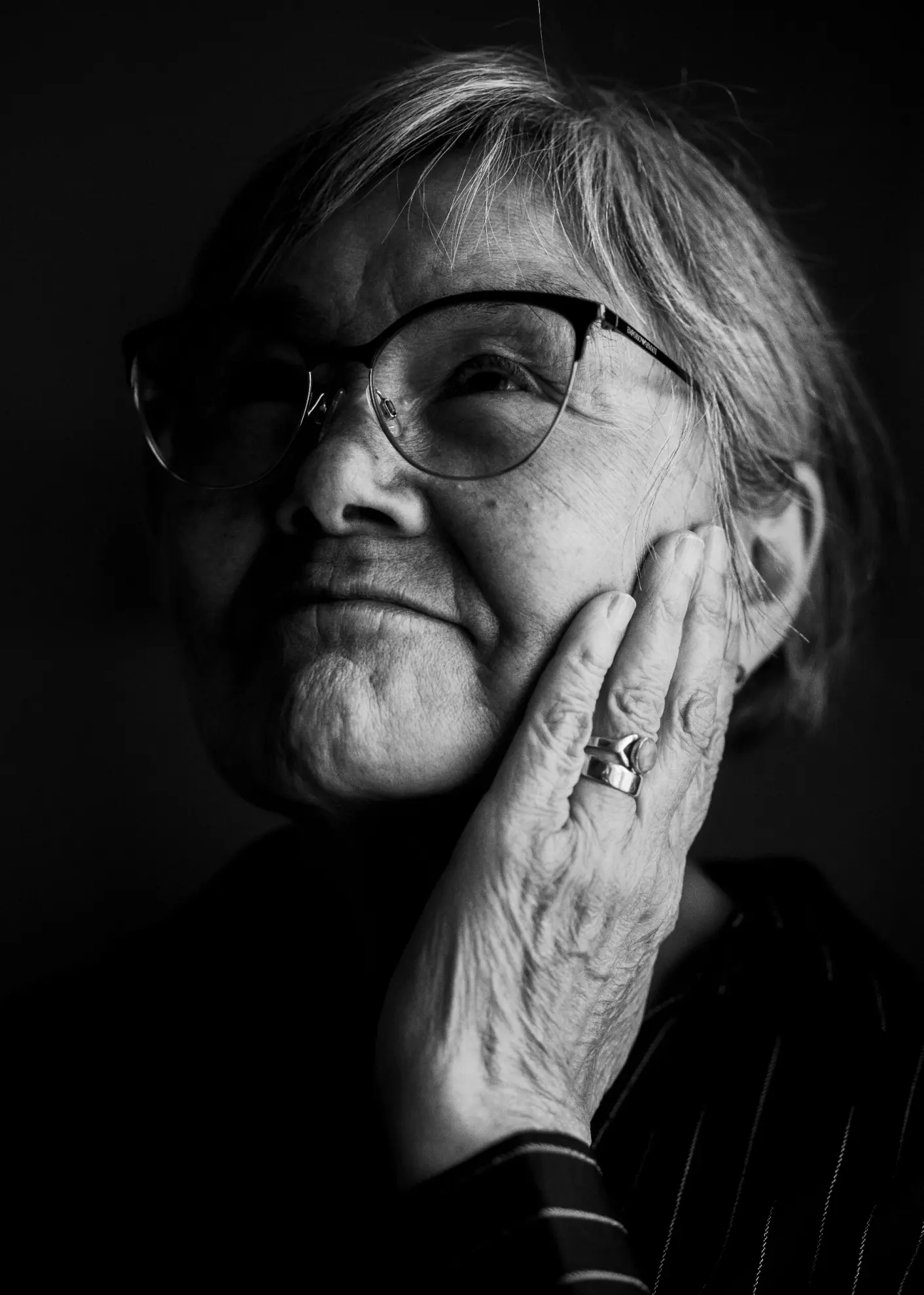
What do you want to achieve with your research?
- To give a voice to those who are not able to tell themselves about their lives, MarieKathrine Poppel responds.
Why do you think it is important?
- When I started to be taught at the university, I could barely recognize myself in the material we had to read, she says, and continues to the study, of course, the researchers have their own understandings, which they write from, which do not always take the point of the} Especially with gender research, she says.
But for now, MarieKathrine Poppel will continue to work.
- What else am I supposed to do?, she asks and laughs.
Although there has been an enormous development in society since the time MarieKathrine Poppel and her siblings ate suaasat together at the kitchen table, there is still great inequality in Greenland, she points out.
And the system that should actually grab the people who have faced the toughest odds in life, instead loses them.
- Our welfare system is not working optimally. There are really many people in the low-wage groups. Pensioners and single people are also having a hard time. And there are many who do not have an education, she says.
- If they lose their job, they lose their home. If they finally have one.
Do you see Greenland becoming a more equal society?
- I really hope so, she replies.
Abonnementer
Sermitsiaq.gl - web artikler
- Adgang til alle artikler på Sermitsiaq.gl
- Pr. måned kr. 59.00
- Pr. år kr. 650.00
Sermitsiaq - E-avis
- Adgang til Sermitsiaq e-avis som udkommer hver fredag
- Adgang til alle artikler på Sermitsiaq.gl
- Pris pr. måned kr. 191
- Pris pr. år kr. 1.677
AG - Atuagagdliutit E-avis
- Adgang til AG - Atuagagdliutit e-avis som udkommer hver fredag
- Adgang til alle artikler på Sermitsiaq.gl
- Pris pr. måned kr. 191
- Pris pr. år kr. 1.677
Sermitsiaq.AG+
- Adgang til AG - Atuagagdliutit e-avis som udkommer hver fredag
- Adgang til Sermitsiaq e-avis som udkommer hver fredag
- Adgang til alle artikler på Sermitsiaq.gl
- Adgang til Arnanut e-magasin
- Adgang til Nutserisoq.gl
- Ved interesse send en mail til abonnement@sermitsiaq.gl
Kære Læser, Velkommen til Sermitsiaq.gl – din kilde til nyheder og kritisk journalistik fra Grønland. For at kunne fortsætte vores vigtige arbejde med at fremme den frie presse og levere dybdegående, kritisk journalistik, har vi indført betaling for udvalgte artikler. Dette tiltag hjælper os med at sikre kvaliteten af vores indhold og støtte vores dygtige journalister i deres arbejde med at bringe de vigtigste historier frem i lyset. Du kan få adgang til betalingsartiklerne fra kun kr. 59,- pr. måned. Det er nemt og enkelt at købe adgang – klik nedenfor for at komme i gang og få fuld adgang til vores eksklusive indhold. Tak for din forståelse og støtte. Dit bidrag hjælper os med at fortsætte vores mission om at levere uafhængig og kritisk journalistik til Grønland.